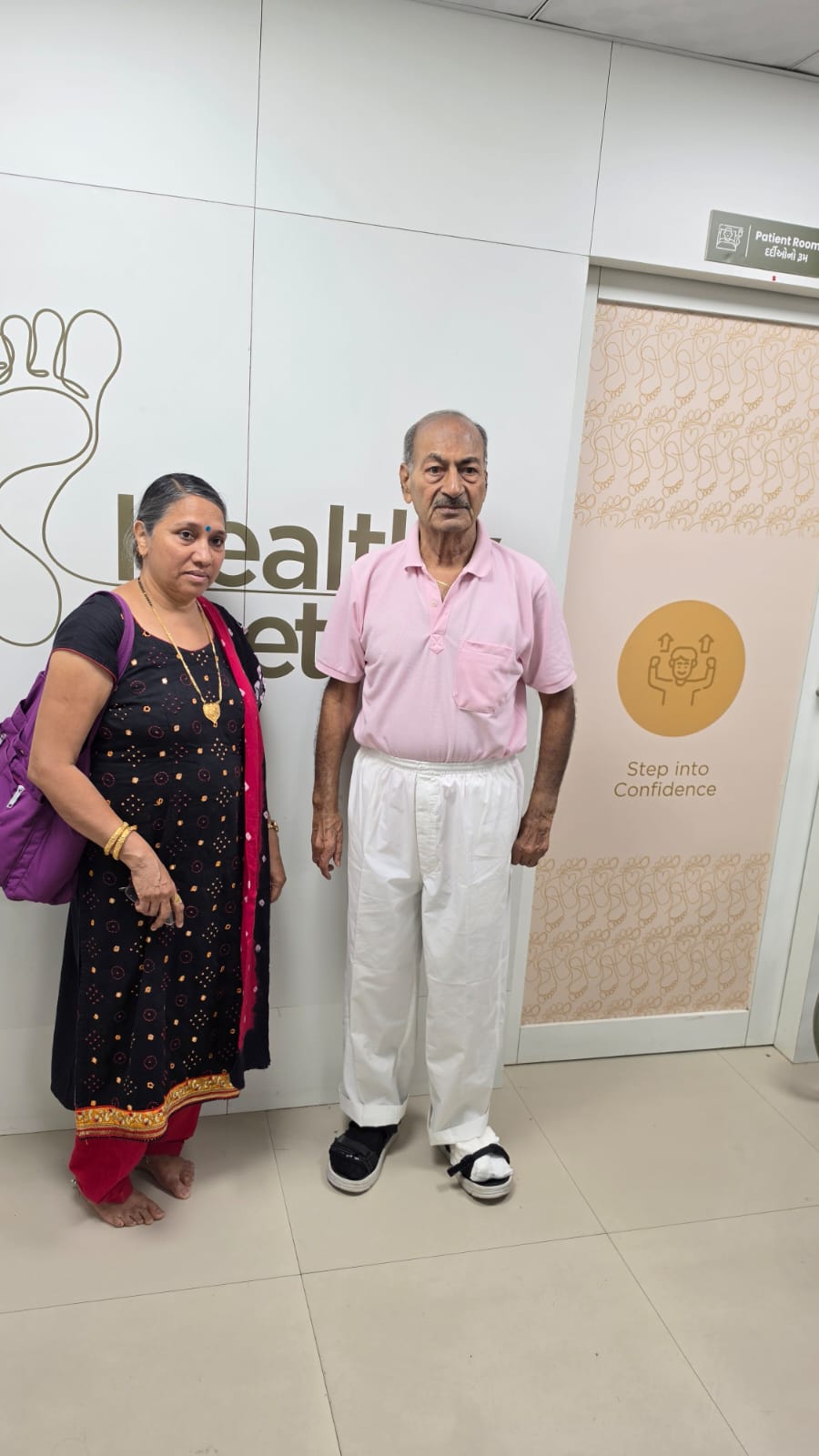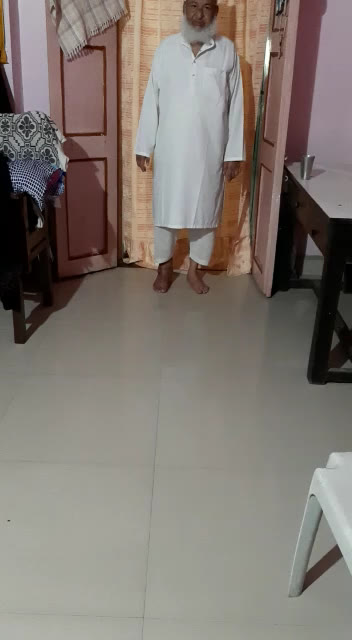

Alkeshbhai had a complex diabetic foot wound with tissue loss. Dr. Ashutosh Shah covered it with a sural flap at EDFC Surat, and the video shows him walking after recovery.
In short: Alkeshbhai came to Elegance Diabetic Foot & Ulcer Clinic (EDFC), Surat, with a complex diabetic foot wound with tissue loss that dressings alone could not heal. Dr. Ashutosh Shah, plastic surgeon and diabetic foot specialist, covered the wound with a sural flap. After recovery and rehabilitation, Alkeshbhai is walking confidently on the treated foot, as seen in his video.
Presentation
Alkeshbhai had a complex diabetic foot wound with significant tissue loss. In wounds like this, where deeper structures such as bone, tendon or joint may be exposed, routine dressings cannot close the wound, and the foot is at risk of infection and further damage.
Treatment at EDFC
- Assessment: Dr. Ashutosh Shah examined the wound to plan the right way to cover it.
- Sural flap surgery: healthy, well-vascularised tissue was moved from the lower leg to cover the foot wound, giving durable coverage and a better local blood supply. This is part of our limb salvage surgery service.
- Post-operative care: the flap was monitored and dressed carefully while it settled.
- Rehabilitation and follow-ups: walking was started step by step, with regular reviews of the flap and the foot.
Outcome
The post-operative video shows Alkeshbhai walking comfortably at home on the treated foot. The flap gave lasting cover to the wound, helped control infection and preserved the foot's function, allowing him to return to his daily routine.
Why a flap helps in a diabetic foot wound
A flap brings healthy tissue with its own blood supply to an area that cannot heal on its own. In diabetic patients, this extra blood supply supports infection control and faster healing. When used at the right time, flap surgery is an important part of the Save My Foot Program to help avoid amputation.
Questions about sural flap surgery for diabetic foot
What is a sural flap?
A sural flap is a surgery that moves skin and tissue, along with its own blood supply, from the back of the lower leg to cover a wound on the heel, ankle or foot.
When does a diabetic foot wound need flap surgery?
Flap surgery is considered when a wound is large or deep, with tissue loss or exposed bone, tendon or joint, and dressings alone cannot close it. The surgeon decides after examining the wound and its blood supply.
How long after sural flap surgery can a patient walk?
Walking is started step by step once the flap has settled, as advised by the surgeon. The timeline is different for each patient and depends on healing and overall health.
Can flap surgery help avoid amputation?
In suitable patients, covering a deep wound with a flap can help save the foot and keep it working. Whether it is the right option is decided after a full assessment.
Medically reviewed by Dr. Ashutosh Shah, plastic surgeon and diabetic foot specialist, Elegance Diabetic Foot & Ulcer Clinic, Surat.
Have a foot wound that is not healing? Book a consultation with Dr. Ashutosh Shah, or read Bhavnaben's diabetic foot ulcer story.
Every patient is different. Results depend on the condition, its stage and overall health. Shared with the patient's consent. If you have a diabetic foot wound, please have it assessed in person. Send a photo on WhatsApp or book a consultation.