
Vascular Conditions
Peripheral Artery Disease (PAD)
Peripheral artery disease is narrowing of the arteries that supply the legs and feet, reducing blood flow. In diabetics it is a leading cause of non-healing wounds and a key, treatable factor in limb salvage.
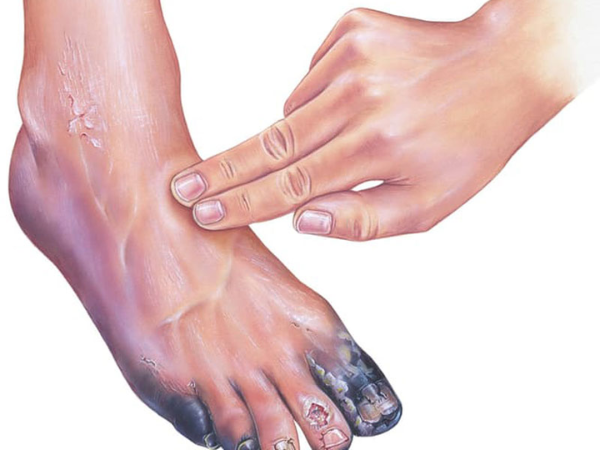
Peripheral Artery Disease (PAD): Symptoms & Why It Matters
Peripheral artery disease (PAD) is narrowing of the arteries that reduces blood flow to the legs and feet, causing leg pain on walking, cold feet, and wounds that won't heal. It is a major reason diabetic foot ulcers fail to heal, and at EDFC, identifying and treating poor circulation is central to saving feet and limbs.
What is peripheral artery disease?
PAD develops when arteries narrow, usually from a build-up that stiffens and blocks them, so less oxygen-rich blood reaches the legs and feet. Early on it may cause cramping leg pain when walking that eases with rest. As it advances, the feet can be cold, painful at rest, and any wound heals poorly, because healing needs good blood flow. In diabetes, PAD is common and often silent, which is why it's actively checked.
Signs to watch for
- Cramping leg or calf pain when walking, relieved by rest
- Cold, pale, or bluish feet
- Foot pain at rest, often worse at night
- Wounds or ulcers that are slow to heal
- Weak or absent pulses in the feet
When to see a doctor in India: if you have leg pain on walking, cold feet, or a wound that won't heal, especially with diabetes, get your circulation assessed. Rest pain or a non-healing ulcer needs prompt review.
Why it happens
Diabetes, smoking, high blood pressure, high cholesterol, and age all narrow the arteries over time. Diabetes is a particularly strong driver and tends to affect the smaller arteries below the knee, which directly impacts foot healing.
How EDFC helps with PAD
- Circulation assessment, tests such as ABI to measure blood flow.
- Coordinated vascular care, full evaluation and treatment via vascular services, including procedures to restore flow.
- Wound healing support, circulation-aware wound care.
- Risk-factor guidance, smoking cessation and vascular risk control.
For full circulation treatment, see vascular services, or book a consultation.
quiz Frequently Asked Questions
Not sure what's wrong with your foot?
Send a photo on WhatsApp for an assessment, or book a consultation with Dr. Shah.
This page is for education only and is not a substitute for an in-person diagnosis. Please consult Dr. Ashutosh Shah or a qualified clinician for advice specific to your condition.