
Chronic Wound Care
Non-Diabetic Ulcer Clinic
Chronic wounds are not only a diabetic problem. We treat venous, arterial, pressure, traumatic and other complex ulcers - finding the cause and healing the wound.
Non-Healing Ulcer Treatment in India
Non-healing ulcer treatment in India means finding why a chronic wound won't close - whether it is venous, arterial, pressure, or another type - and treating both the wound and its underlying cause. At EDFC's ulcer clinic, Dr. Ashutosh Shah's team treats wounds of every origin, not only those caused by diabetes.
Why an ulcer won't heal
A wound becomes a chronic, non-healing ulcer when something prevents normal healing most often poor circulation, sustained pressure, infection, an underlying disease, or past treatment such as surgery or radiation. The key to healing is diagnosing the cause, because a venous ulcer, an arterial ulcer, and a pressure sore each need very different treatment.
As Elegance Diabetic Foot & Ulcer Clinic, EDFC is a dedicated foot and ulcer service India's first chain built only for foot and wound care. Treatment is led by Dr. Ashutosh Shah (M.S., M.Ch., Plastic & Reconstructive Surgery) across Surat (Gujarat) and Vizianagaram (Andhra Pradesh), who treats the wound directly and coordinates underlying causes with the right specialists.
When to see an ulcer specialist
- A wound that hasn't healed in two to four weeks
- An ulcer that keeps returning or is getting larger
- A painful or weeping leg ulcer
- A pressure sore in someone who is bedridden or immobile
- A wound after injury, surgery, or radiotherapy that won't close
When to seek care in India: any ulcer that isn't healing deserves assessment - the sooner the cause is found, the sooner it can heal. Spreading infection or black tissue is urgent.
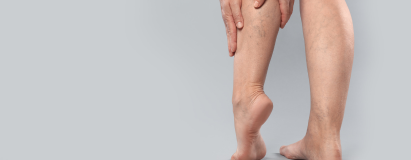
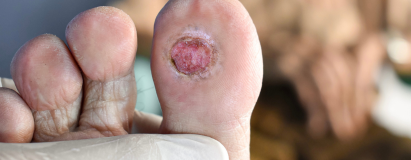
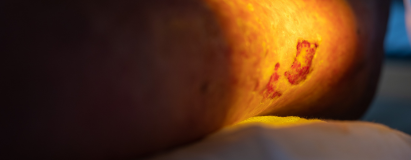
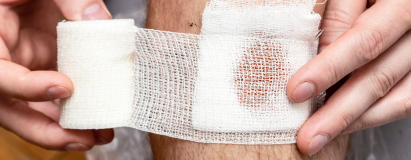
Ulcer types we treat
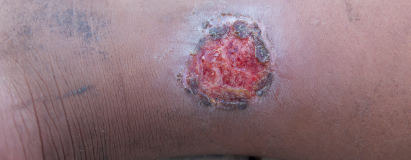
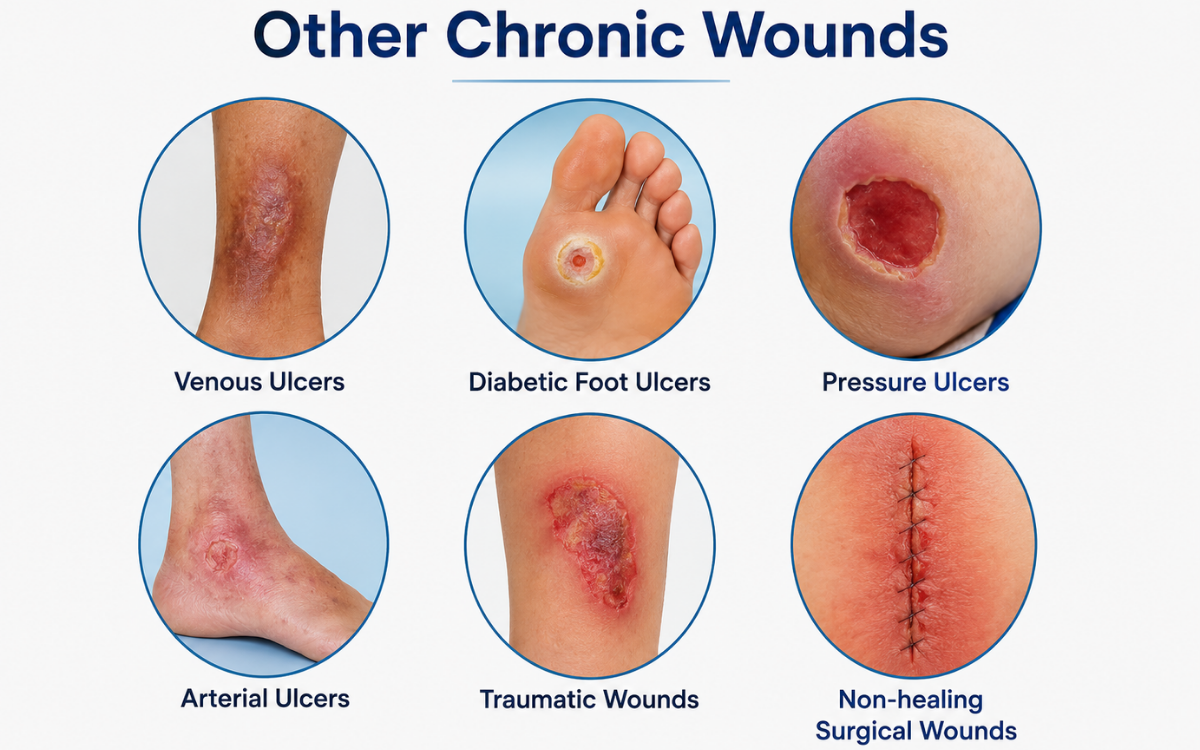
Each is diagnosed and treated according to its cause:
- Venous Ulcers - from poor vein drainage; treated mainly with compression.
- Arterial (Ischemic) Ulcers - from poor blood supply; need circulation restored.
- Vasculitic Ulcers - from blood-vessel inflammation; need the underlying disease treated.
- Pressure Ulcers (Bed Sores) - from sustained pressure; need offloading and wound care.
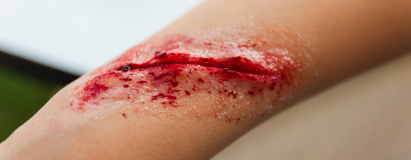
- Traumatic Ulcers - non-healing wounds after injury.
- Post-Surgical Ulcers - wounds that break down after surgery.
- Radiation / Cancer Ulcers - wounds in tissue damaged by radiotherapy.
- Lymphedema Ulcers - from chronic swelling; need decongestive care.
Unsure which you have? Book an assessment, or browse all EDFC services.
Why choose EDFC in India
- Cause-first - we diagnose why the ulcer won't heal, then treat it.
- Reconstructive expertise - Dr. Shah (M.Ch.) for wounds needing flaps or grafts.
- Dedicated wound care - India's first chain built only for foot and ulcer care.
- Two branches - Surat, Gujarat (head office) and Vizianagaram, Andhra Pradesh (franchise).
Content on this page is medically reviewed by Dr. Ashutosh Shah. Contact us to start treatment.
Ulcer types we treat


quiz Frequently Asked Questions
Have an ulcer that won't heal?
Send a photo on WhatsApp for an assessment, or book a consultation with Dr. Shah.
This page is for education only and is not a substitute for an in-person diagnosis. Please consult Dr. Ashutosh Shah or a qualified clinician for advice specific to your condition.