Medical Pedicure
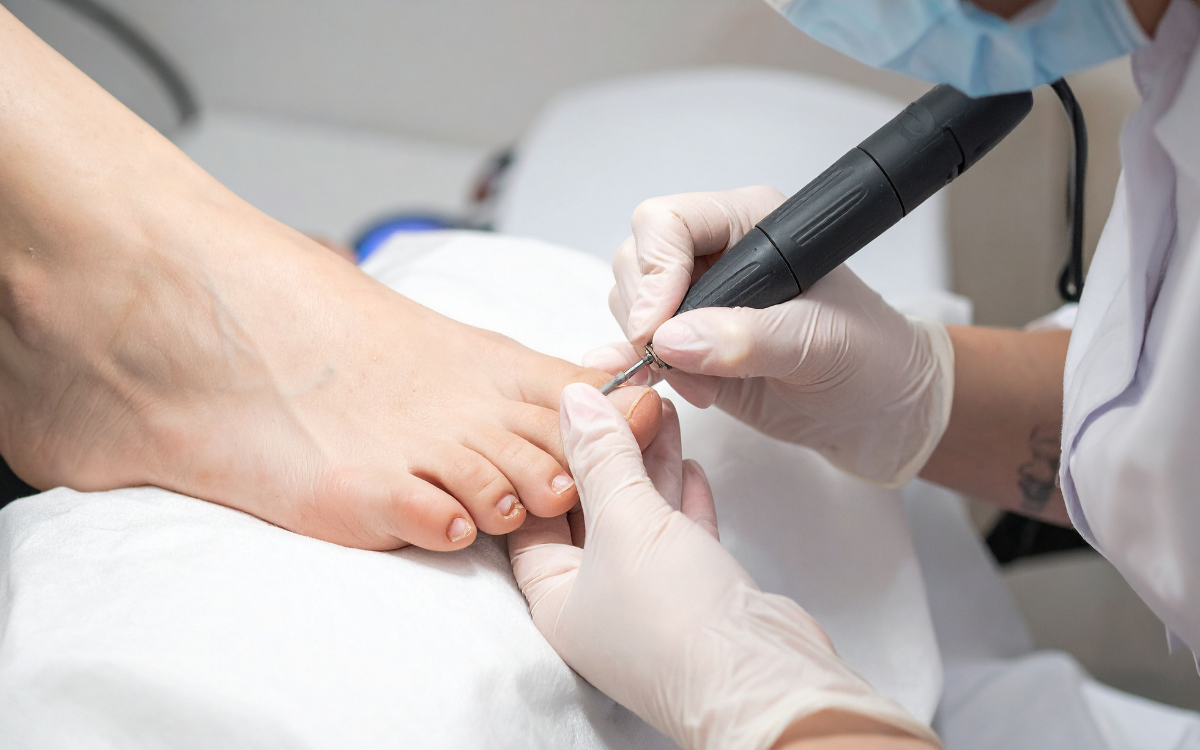
A clinical foot care session for diabetic feet, done by trained hands in a sterile setting, so nails and hard skin are cleared safely without cuts or infection.
Key Takeaways
- A medical pedicure is a clinical foot care session, carried out in a sterile clinic room rather than a salon.
- Diabetic feet often lose sensation, so a small nick during an ordinary pedicure can become an ulcer without the person feeling it.
- Sessions cover nail trimming, callus and corn care, skin care and a quick check for early warning signs.
- Most people with diabetes benefit from a session every six to eight weeks.
- At Elegance Diabetic Foot and Ulcer Clinic in Surat, every session doubles as a foot health check.
What Is a Medical Pedicure?
Medical pedicure: a foot care session performed in a clinic using sterile instruments, where nails, hard skin and corns are treated safely and the foot is checked for early signs of damage.
Think of it as foot care with a clinical eye. The nails get trimmed correctly, thickened skin is reduced, and dry areas are treated. Meanwhile, the person doing it is also looking for redness, cracks, pressure spots and nail infections. That second part is what makes it medical rather than cosmetic.
Why Is a Salon Pedicure Risky for Diabetic Feet?
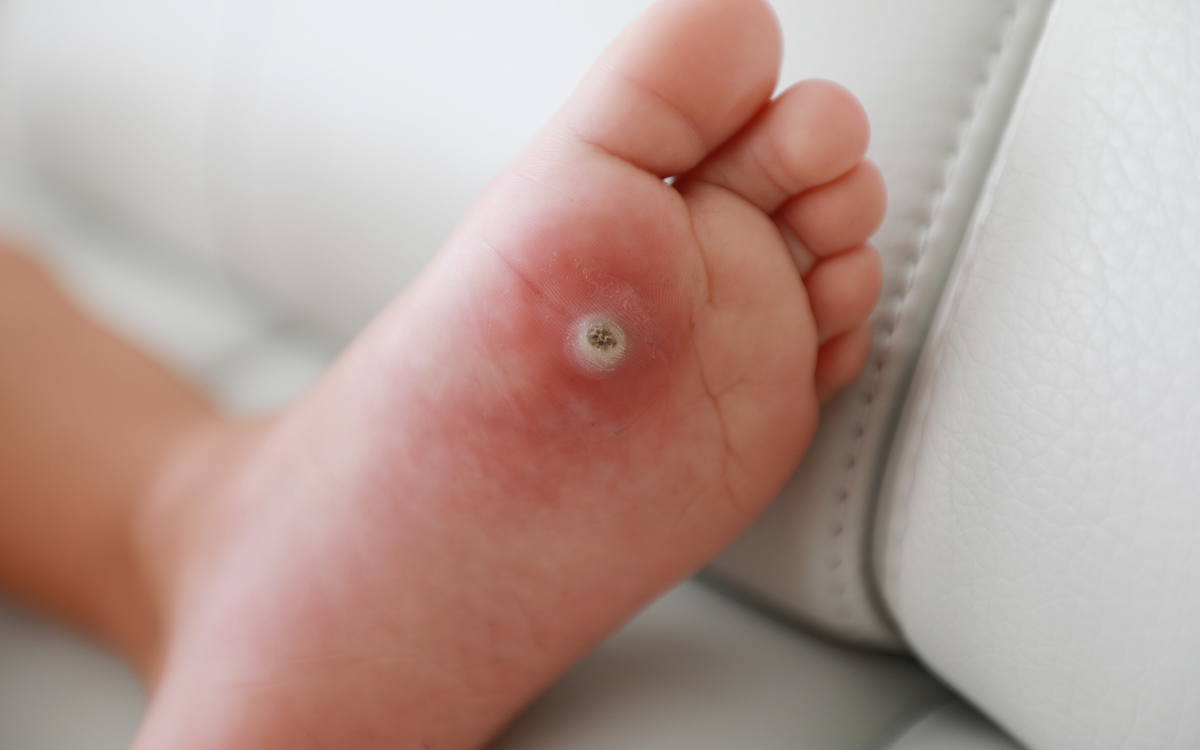
Because diabetes quietly removes your warning system. Nerve damage dulls sensation in the feet, so a cut, a burn from hot water or an over trimmed nail simply does not hurt. Consequently, many patients arrive at our Surat clinic with an ulcer that began as a routine pedicure weeks earlier.
Salon tools are also shared between customers. Even with basic cleaning, that carries an infection risk that a diabetic foot cannot afford. Add reduced blood flow, and a tiny wound heals slowly or not at all.
- Sensation is reduced, so injuries go unnoticed
- Instruments are often shared, raising infection risk
- Hot water and harsh filing can damage fragile skin
- Aggressive cuticle work opens a path for bacteria
- Healing is slower when circulation is poor
What Happens During a Session?
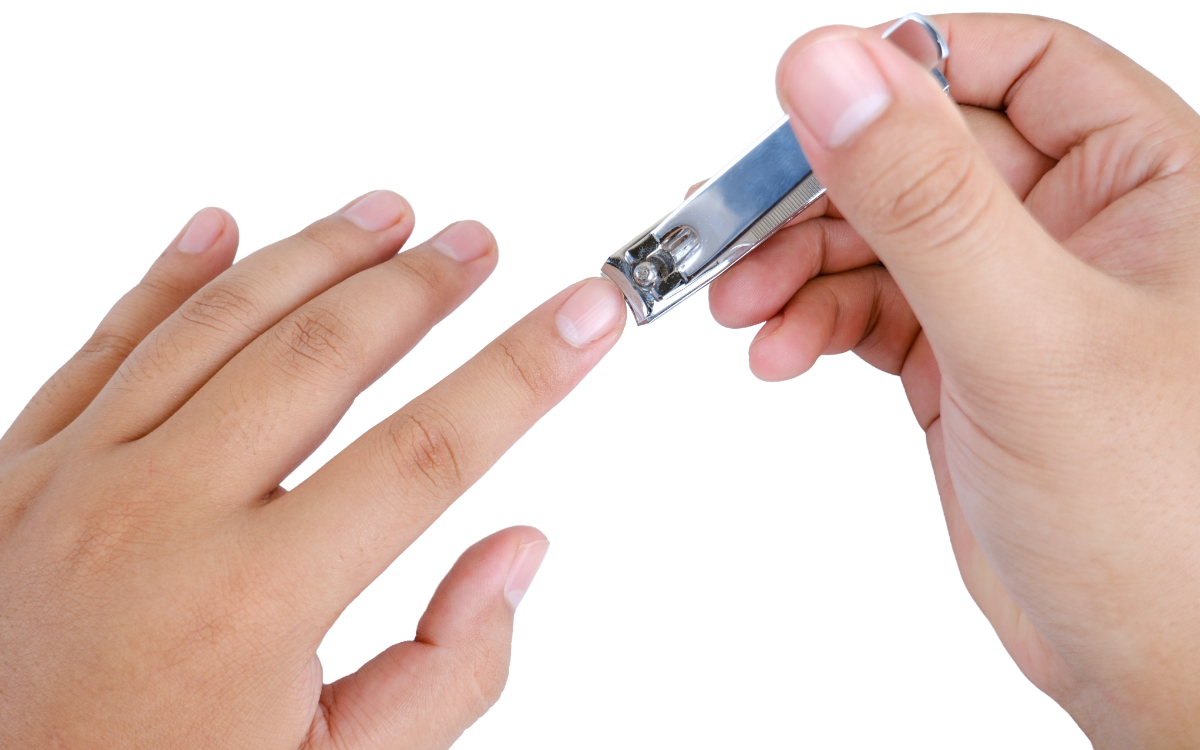
The visit is calm and unhurried. First, we look at the whole foot, check pulses and test sensation if it has not been done recently. After that, nails are trimmed straight and filed smooth, thick calluses are reduced gently, and any corn is treated properly rather than shaved away carelessly.
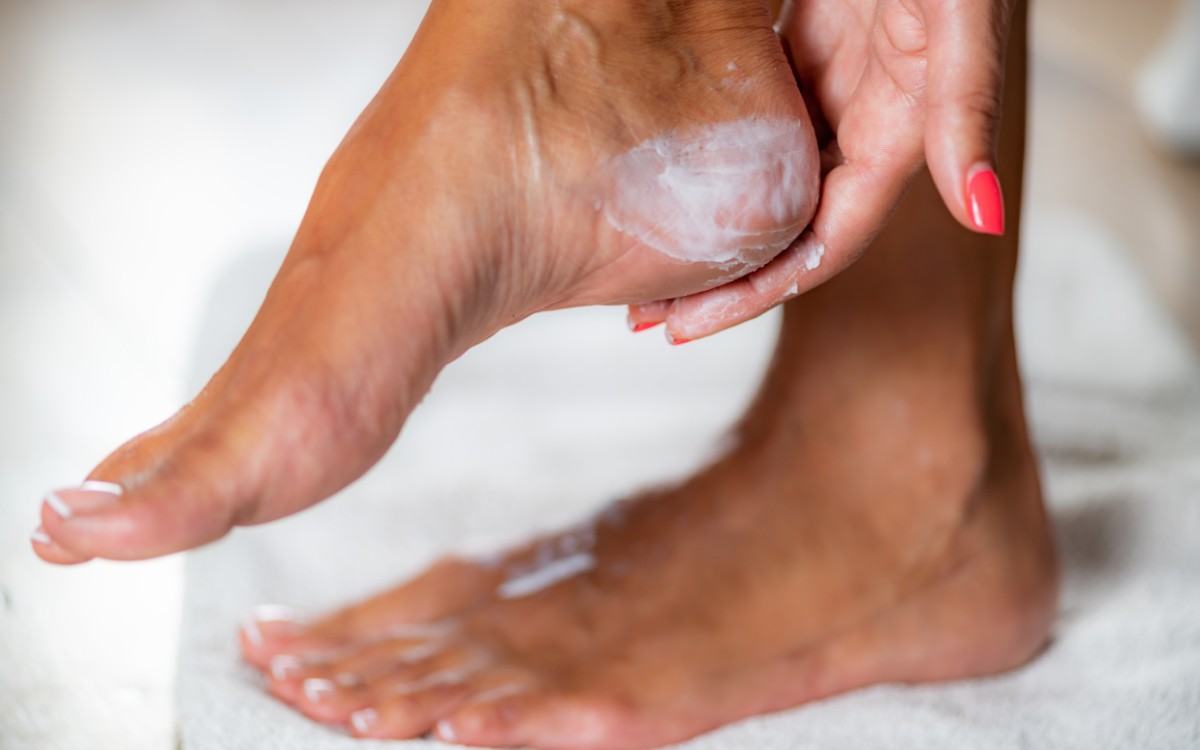
Following that, the skin is cleaned and moisturised, though never between the toes, since moisture trapped there encourages fungal growth. Finally, we talk through what we found, including anything that needs watching before the next visit.
Nail Care
Nails are cut straight across, not curved into the corners, because curved cutting is how ingrown toenails start. Thickened or fungal nails are reduced carefully so pressure is relieved without breaking the skin.
Callus and Corn Care
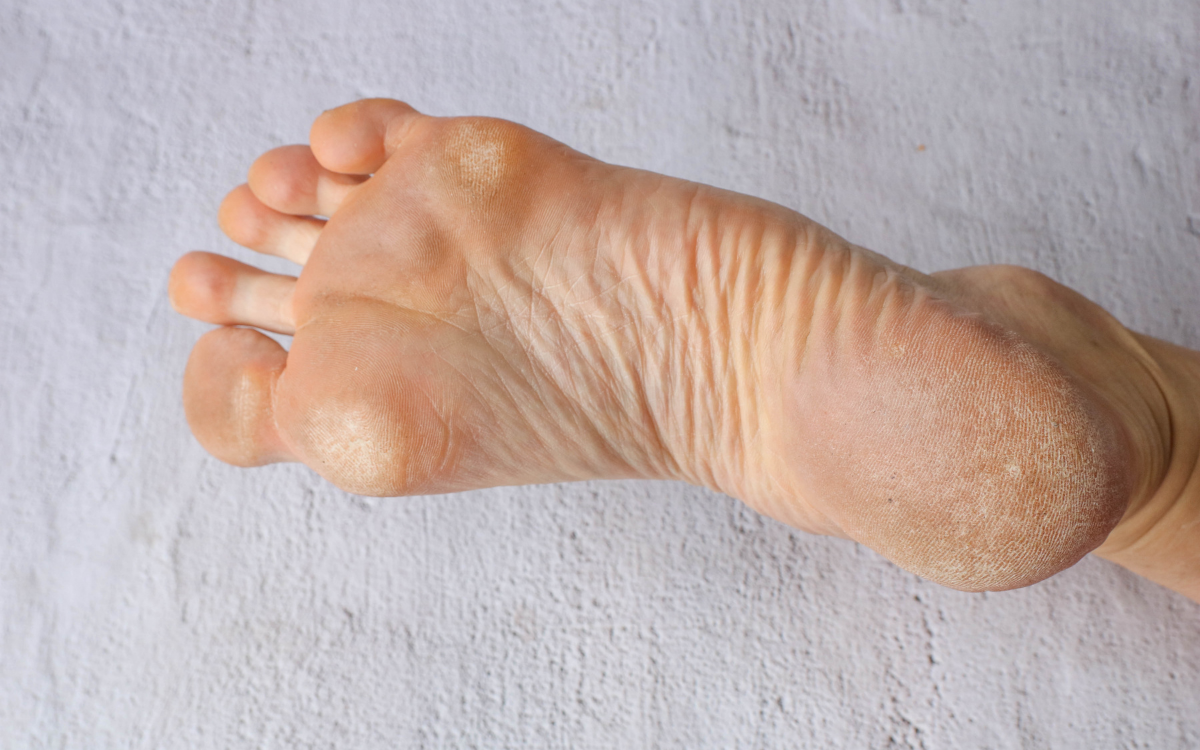
Hard skin builds up where pressure is high. Left alone, it presses inward and a wound forms underneath, often unseen until it opens. Therefore, reducing callus regularly is genuinely preventive treatment, not a beauty step.
Skin Care and Inspection
Dry, cracked heels are sealed with the right cream, and every area is examined for redness, blisters or colour change. If anything looks like it is heading toward an ulcer, treatment starts that same day at our wound management service.
Who Should Be Booking These Sessions?
Anyone with diabetes benefits, though some people need it more than others. In particular, book a session if you recognise yourself in this list:
- You have had diabetes for more than five years
- Your feet feel numb, tingly or burn at night
- You cannot reach your feet comfortably or see them clearly
- Your nails are thick, discoloured or difficult to cut
- Corns and calluses keep coming back
- You have had a foot ulcer before
- You take blood thinners, which makes any nick riskier
Older patients and those with reduced eyesight benefit most, simply because self care becomes unsafe when you cannot see what you are doing.
What Does a Medical Pedicure Cost in Surat?
Cost depends on how much work the feet need. A straightforward maintenance session is very affordable and sits close to what a good salon charges, while a first visit with heavy callus, thickened nails or an ingrown nail costs somewhat more because it takes longer.
Consider it against the alternative. Treating a diabetic foot ulcer runs into months of dressings and, in serious cases, surgery. Regular preventive sessions cost a small fraction of that. Our team confirms the full charge before starting, so nothing is a surprise.
What Results Should You Expect?
You will walk out more comfortable the same day, particularly if pressure from a callus or a thick nail was causing pain. Skin feels softer, nails are easier to manage, and shoes fit better.
Realistically, calluses and nail problems return, because the pressure that caused them is still there. Consequently, this is ongoing care rather than a one time fix. Most patients settle into a visit every six to eight weeks, and those with high risk feet come more often.
Common Myths Worth Clearing Up
It is just a fancy pedicure. No. The instruments are sterilised, the technique is different, and a clinician is assessing your foot throughout.
My feet look fine, so I do not need it. Diabetic foot problems begin silently. By the time something looks wrong, damage has usually started underneath.
I can cut my own corns at home. This is where many ulcers begin. Blades, corn caps and acid plasters all damage healthy skin around the corn.
It is painful. It should not be. Reducing callus and thick nails is not painful when done correctly, and most patients find it relieving.
Looking After Your Feet Between Visits
Good home care makes each session easier and safer. Wash feet daily in lukewarm water, never hot, and dry gently between the toes. Apply moisturiser to the tops and soles, but leave the space between toes dry.
Check your feet every evening, using a mirror if bending is difficult, and ask a family member to look if your eyesight is poor. Wear well fitted footwear indoors and outdoors, because most injuries happen while walking barefoot at home. If you notice redness, swelling, discharge or a wound of any size, contact us the same day rather than waiting for your next appointment.
Why Patients Choose Elegance Diabetic Foot and Ulcer Clinic
Our team treats diabetic feet every single day, which means the person caring for your nails also recognises what an early Charcot foot or a developing ulcer looks like. Sessions run in a sterile clinical room with instruments sterilised after every patient, never reused between people.
Furthermore, if something needs more than routine care, everything is under one roof in Surat, from vascular and nerve assessment to footwear, offloading and surgical treatment. You are not sent elsewhere and you do not lose time.
If your nails have become hard to manage, or a callus keeps returning, book a medical pedicure at our Adajan or Vesu clinic. Send a photo on WhatsApp if you would like an opinion first.