
Vascular Conditions
Venous Ulcer
Venous ulcers form when the leg veins fail to return blood efficiently, raising pressure and breaking down the skin, typically around the ankle. They are the most common type of leg ulcer.
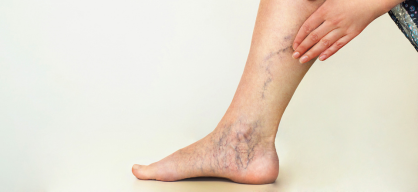
Venous Ulcer: Symptoms & Care
A venous ulcer is a shallow, often weepy wound, usually around the inner ankle, caused by poor vein circulation that lets blood and fluid pool in the lower leg. The key to healing is compression therapy, and at EDFC venous ulcers are treated by combining wound care with the right compression once circulation is confirmed safe.
What is a venous ulcer?
Veins return blood from the legs back to the heart, helped by valves. When those valves fail, blood pools in the lower leg, raising pressure in the tissues. Over time the skin around the ankle becomes discoloured, hardened, and fragile, and a shallow ulcer forms, often weepy and slow to heal. Venous ulcers are the most common type of leg ulcer and tend to recur if the underlying vein problem isn't managed.
Signs to watch for
- A shallow wound around the inner ankle
- Weepy or oozing fluid from the wound
- Swelling of the lower leg and ankle
- Brown or discoloured, hardened skin nearby
- Aching, heavy legs that ease when raised
When to see a doctor in India: a leg ulcer that isn't healing, or recurring ankle wounds with swelling, should be assessed, both to confirm it's venous and to check circulation before compression is used.
Why they happen
Failing vein valves (chronic venous insufficiency), often after varicose veins, previous clots, or prolonged standing, raise pressure in the lower-leg tissues. Swelling and skin changes follow, and the fragile skin breaks down into an ulcer.
How EDFC treats venous ulcers
- Confirming circulation first, checking arterial flow before any compression.
- Compression therapy, the mainstay, once circulation is confirmed safe.
- Wound care, dressings and management via the venous ulcer service.
- Preventing recurrence, ongoing compression and leg care.
For full treatment, see the venous ulcer service page, or book a consultation.
Is This the Same as the Wound Clinic Service?
Related, though not identical. This page covers venous ulcers occurring in patients with diabetes, where nerve damage and circulation problems change how the ulcer behaves and how it is treated.
Where a venous ulcer occurs without diabetes, care runs through our non diabetic venous ulcer service at the chronic wound clinic. The compression and wound care principles overlap, while the assessment and monitoring differ.
quiz Frequently Asked Questions
Not sure what's wrong with your foot?
Send a photo on WhatsApp for an assessment, or book a consultation with Dr. Shah.
This page is for education only and is not a substitute for an in-person diagnosis. Please consult Dr. Ashutosh Shah or a qualified clinician for advice specific to your condition.