
Skin & Nail Disorders
Athlete's Foot
A fungal infection between the toes and on the sole, which cracks the skin and lets bacteria in.
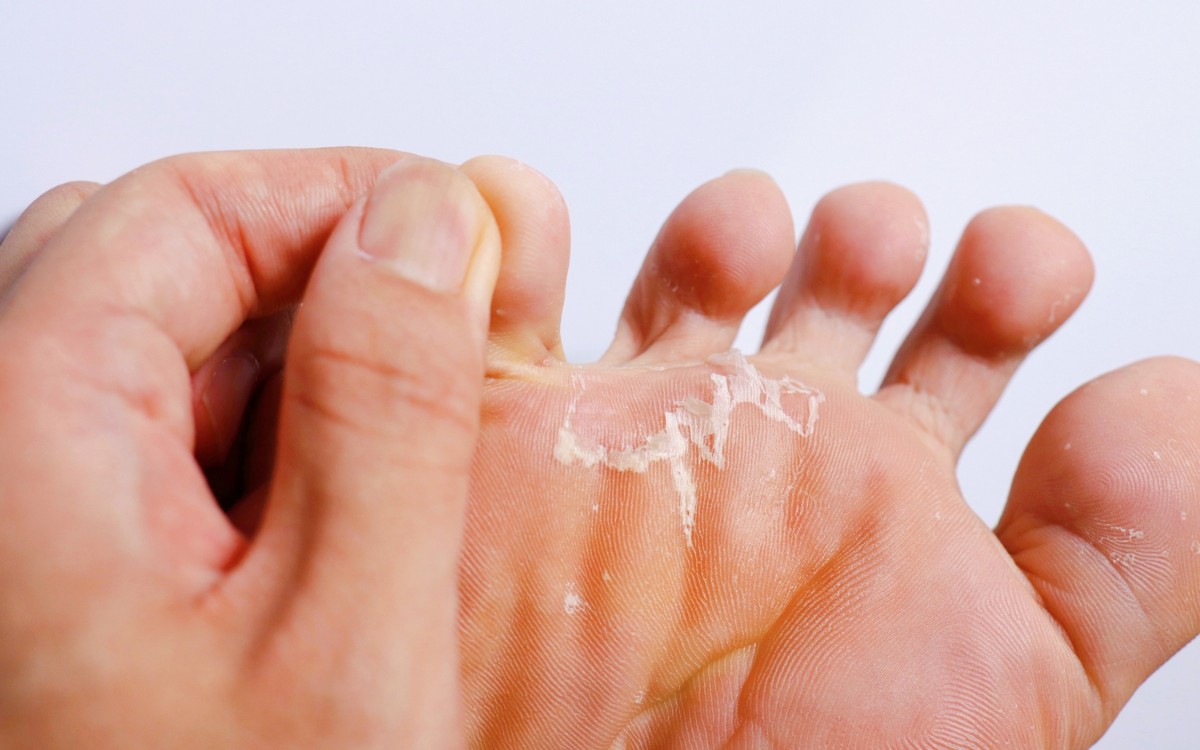
Athlete's foot looks trivial and behaves dangerously in diabetes. The splits it creates between the toes are entry points, and cellulitis in a diabetic leg often starts exactly there.
Key Takeaways
- Athlete's foot is a fungal infection thriving in warm, damp skin between the toes.
- The cracks it causes are a common entry point for cellulitis in diabetic patients.
- Treatment must continue for two weeks after the skin looks normal, or it returns.
- Keeping the toe webs dry matters as much as the antifungal cream itself.
What Does Athlete's Foot Look Like?
Athlete's foot: a fungal skin infection, medically called tinea pedis, causing itching, peeling and splitting, most often between the toes.
Look for white, soggy skin between the toes, peeling on the sole, itching that worsens in the evening, and a faint odour. Notably, many diabetic patients feel no itching at all because of nerve damage, so the visual signs matter more.
Why Does It Matter More in Diabetes?
Because the splits it creates are doorways. Bacteria enter through the cracked skin between the toes, travel into the foot and leg, and cause cellulitis. In practice, a large share of the leg infections we treat at our Surat clinic began as untreated athlete's foot.
Furthermore, high blood sugar feeds fungal growth, so infections spread faster and clear more slowly than they would otherwise.
How Is It Treated Properly?
- Topical antifungal cream applied to the affected area and surrounding skin
- Treatment continued for two weeks beyond apparent clearance
- Oral antifungal medication for widespread or stubborn infection
- Nails checked too, since infected nails reinfect the skin repeatedly
- Footwear treated, because shoes hold fungal spores
How Do You Stop It Returning?
Dry thoroughly between every toe after washing, rotate shoes so each pair dries fully, change socks daily and never share towels. Cotton socks help, and so does avoiding closed shoes for long hours in humid weather, which is a real factor in Surat.
What Does Treatment Cost?
Topical treatment is very inexpensive. Oral antifungals for resistant cases cost more and need liver function monitoring. Either way, the cost is trivial beside treating the cellulitis it can cause, which often means hospital admission.
quiz Frequently Asked Questions
Not sure what's wrong with your foot?
Send a photo on WhatsApp for an assessment, or book a consultation with Dr. Shah.
This page is for education only and is not a substitute for an in-person diagnosis. Please consult Dr. Ashutosh Shah or a qualified clinician for advice specific to your condition.