
Non-Diabetic Ulcer Clinic
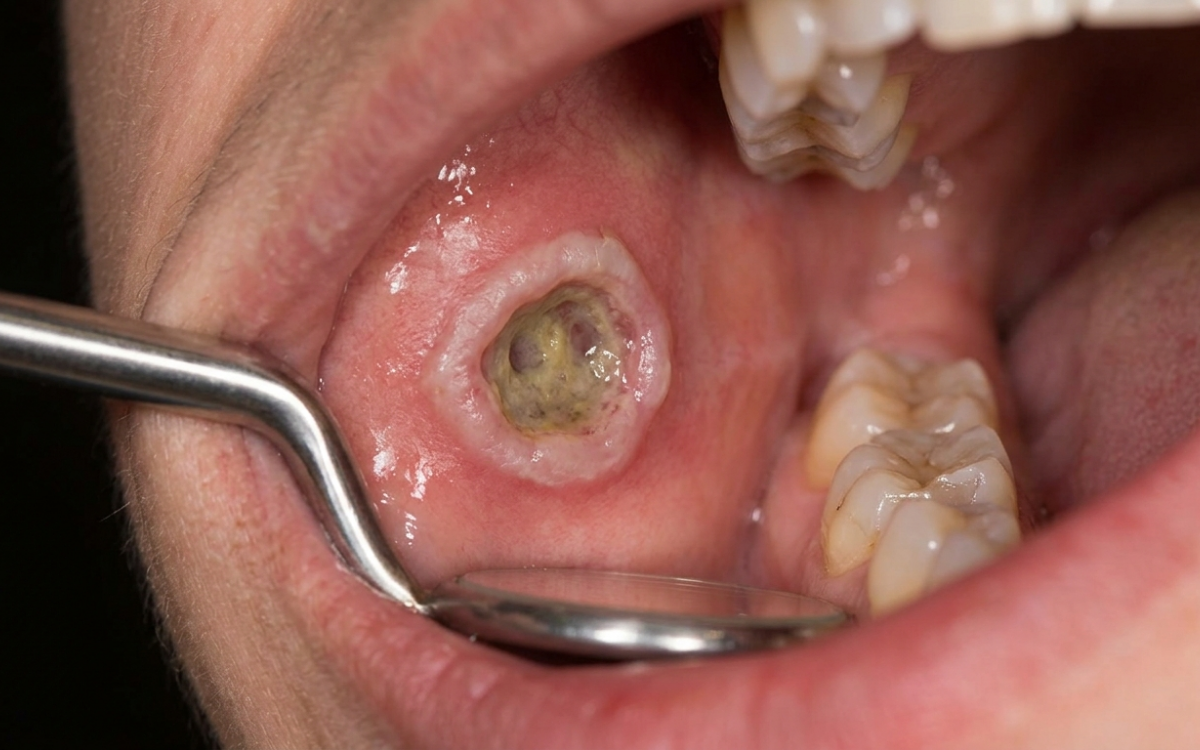
Chronic Traumatic Ulcers
An injury wound that has stayed open beyond six weeks has stopped healing for a reason. Finding and fixing that reason is what finally closes a chronic traumatic ulcer.
A chronic traumatic ulcer is an injury wound that remains open beyond six weeks because something blocks healing: infection, dead tissue, poor circulation or repeated pressure. Correcting the blocker, not stronger ointments, closes the wound.
Why Does an Injury Wound Become Chronic?
Healthy wounds close in two to six weeks. When an injury wound stalls beyond that, a specific blocker is at work. Studies estimate that hidden infection, residual dead tissue, unrecognised circulation problems and repeated mechanical stress account for the vast majority of stalled traumatic wounds. Meanwhile, months of home ointments treat none of these.
Chronic wound: a wound that fails to progress through normal healing stages within about six weeks.
The Usual Blockers We Find
- Low-grade bone or soft tissue infection beneath the surface
- A sliver of dead tissue or foreign material still inside
- Undiagnosed vein or artery disease slowing repair
- Walking or footwear pressure re-injuring the spot daily
- Diabetes, anaemia or poor nutrition holding back repair
How Does EDFC Close Chronic Wounds?
We investigate first, using imaging, circulation testing and wound assessment, then remove the blocker: debridement for dead tissue, targeted antibiotics for infection, vascular treatment for poor flow, and offloading for pressure. Finally, advanced wound care or reconstruction completes the closure.
Cost and First Step in Surat
Assessment and routine care remain affordable at Surat rates, with clear estimates for any procedure. If your injury wound has been open more than six weeks, book a full evaluation, because chronic wounds rarely close on their own.
quiz Frequently Asked Questions
Have an ulcer that won't heal?
Send a photo on WhatsApp for an assessment, or book a consultation with Dr. Shah.
This page is for education only and is not a substitute for an in-person diagnosis. Please consult Dr. Ashutosh Shah or a qualified clinician for advice specific to your condition.