
Skin & Nail Disorders
Fungal Nail Infection
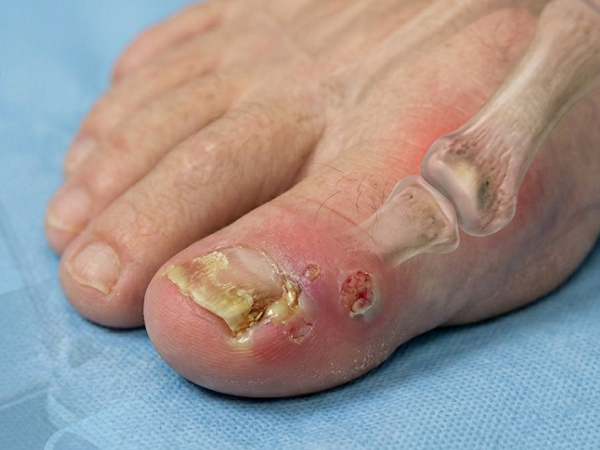
Fungal nail infection thickens and discolours the nails. In diabetics, thick nails create pressure points and the infection can spread to the skin, raising ulcer risk.
Fungal Nail Infection Treatment in India
A fungal nail infection makes nails thick, discoloured, and crumbly, and while often seen as cosmetic, in a diabetic foot it can lead to ingrown nails, pressure problems, and infection. At EDFC, fungal nails are treated and managed safely, with attention to the higher risks for diabetic feet.
What is a fungal nail infection?
A fungal nail infection (onychomycosis) happens when fungi infect the nail, making it thicken, turn yellow-brown or white, become brittle, and sometimes lift from the nail bed. It usually affects toenails and develops slowly. For many it's mainly a cosmetic nuisance, but a thick, deformed nail can press on the toe or cause an ingrown nail, which matters in a foot at risk of ulcers.
Signs to watch for
- Thickened toenails that are hard to trim
- Yellow, brown, or white discolouration
- Brittle, crumbly, or distorted nails
- A nail lifting away from the nail bed
- Surrounding skin that is sore or pressured
When to see a doctor in India: if you have diabetes, have thick or fungal nails managed professionally rather than cutting them yourself, to avoid injury and pressure problems.
Why they happen
Fungi thrive in warm, moist conditions, sweaty footwear, shared damp floors, and minor nail damage all contribute. Diabetes and reduced circulation make infections more likely and harder to clear.
How EDFC treats fungal nails
- Assessment, confirming fungal infection and checking the foot's risk.
- Professional nail care, safely reducing thick nails via medical pedicure.
- Antifungal treatment, topical or, where appropriate, other measures.
- Prevention, footwear and hygiene advice to reduce recurrence.
Browse all services or book a consultation.
quiz Frequently Asked Questions
Not sure what's wrong with your foot?
Send a photo on WhatsApp for an assessment, or book a consultation with Dr. Shah.
This page is for education only and is not a substitute for an in-person diagnosis. Please consult Dr. Ashutosh Shah or a qualified clinician for advice specific to your condition.