
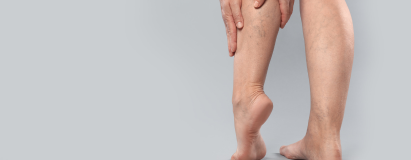
Non-Diabetic Ulcer Clinic
Varicose Vein Ulcers
Ulcers around the ankle caused by varicose veins and the raised pressure that failing vein valves create.
A varicose vein ulcer is the end stage of long standing vein disease. The wound sits near the ankle, weeps, and returns again and again until the vein pressure behind it is treated.
Key Takeaways
- These ulcers are caused by vein pressure, not by poor arterial circulation.
- They sit near the inner ankle and often weep clear fluid.
- Compression is the single most important treatment, not the dressing.
- Treating the underlying varicose veins is what stops them returning.
What Is a Varicose Vein Ulcer?
Varicose vein ulcer: a wound near the ankle caused by sustained high pressure in the leg veins, usually after years of varicose veins or failed vein valves.
Leg veins return blood upward using one way valves and the pumping action of the calf. When those valves leak, blood pools in the lower leg and pressure builds. Over years that pressure damages the skin around the ankle until it finally breaks down, often after a knock so minor the patient cannot recall it.
This is a plumbing problem rather than a skin problem, which is why creams and dressings alone never resolve it.
What Does It Look Like and Where Does It Form?
- Usually on the inner ankle, above the bone
- Shallow with irregular edges rather than deep and punched out
- Wet, often soaking through dressings with clear or straw coloured fluid
- Surrounded by brown staining of the skin
- Skin nearby feels hard, tight or leathery
- The leg aches and swells by evening and settles overnight
Why Do These Ulcers Keep Coming Back?
Because most treatment addresses the wound and not the veins. An ulcer can be dressed until it closes, but if the vein pressure that caused it remains unchanged, the skin breaks down again within months.
Recurrence rates are high wherever compression is stopped early or the underlying veins are never assessed. Consequently, we scan the veins rather than treating the surface indefinitely.
How Are Varicose Vein Ulcers Treated?
Compression comes first and matters more than any dressing. Graduated compression counteracts the vein pressure and is what actually drives healing. Arterial circulation is checked beforehand, since compression on a leg with poor arterial supply is dangerous.
- Graduated compression bandaging or stockings
- Wound care and debridement to remove dead tissue
- Infection control where the wound is colonised
- Treatment of the failing veins through our varicose vein service
- Leg elevation, calf exercises and skin care to protect the surrounding skin
What If the Patient Also Has Diabetes?
Then the ulcer is managed differently, because diabetes alters sensation, circulation and healing speed. Compression still matters, though the pressure used and the monitoring schedule both change.
Those patients are treated through our diabetic venous ulcer pathway, which combines vein treatment with diabetic foot assessment in one plan.
What Does Treatment Cost and How Long Does Healing Take?
Compression and wound care are modest ongoing costs. Vein treatment is a separate day procedure, quoted after a Doppler scan. Most ulcers close within twelve weeks with proper compression, though large or long standing wounds take longer.
Honestly, the cost that matters most is the one people underestimate: leaving the veins untreated means paying for dressings for years and healing the same ulcer repeatedly.
Types of Varicose Vein Ulcers We Treat
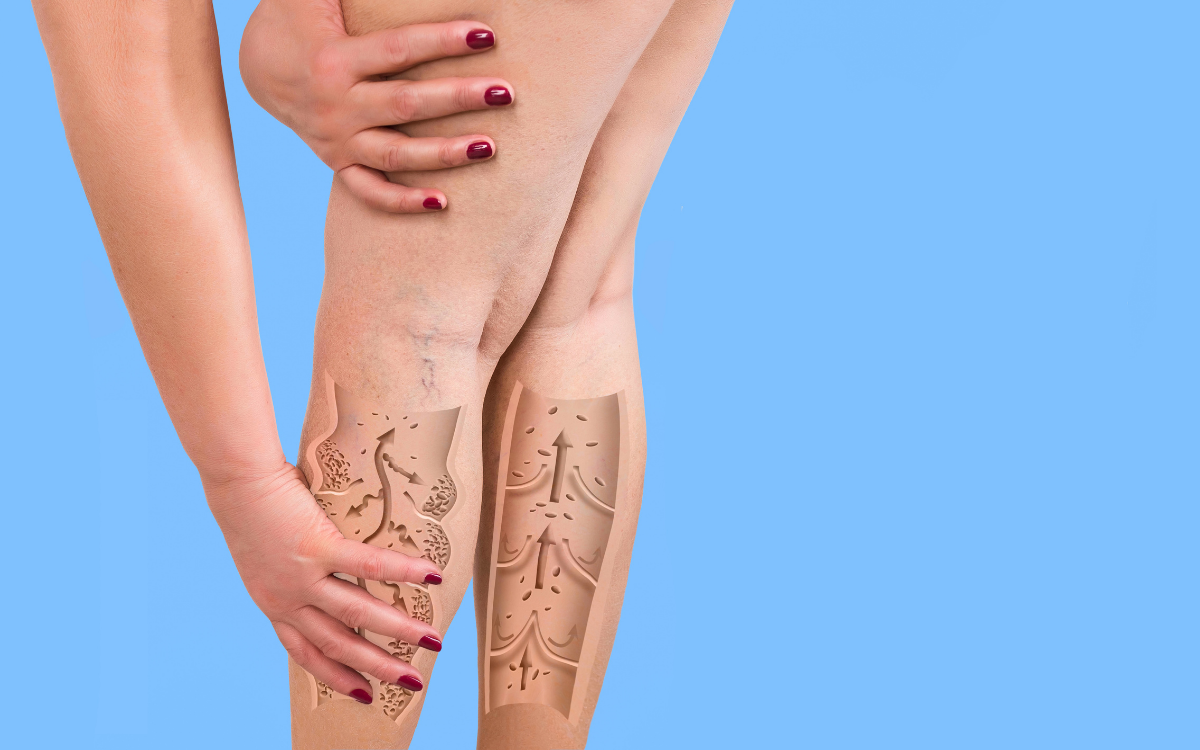
Varicose Vein Ulcers
Long-standing varicose veins raise pressure in the leg, and over years that pressure can break the skin open …
Learn more arrow_forward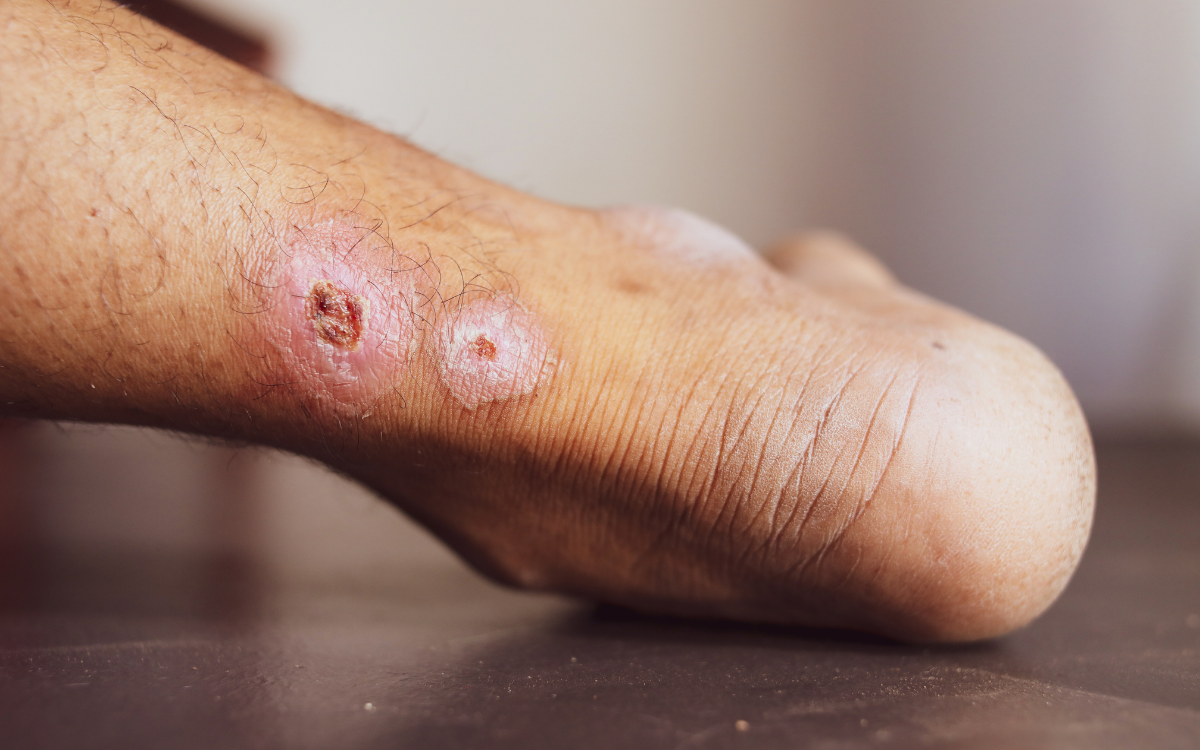
Venous Hypertension Ulcers
Constant high pressure inside the leg veins, called venous hypertension, slowly suffocates the skin near the …
Learn more arrow_forward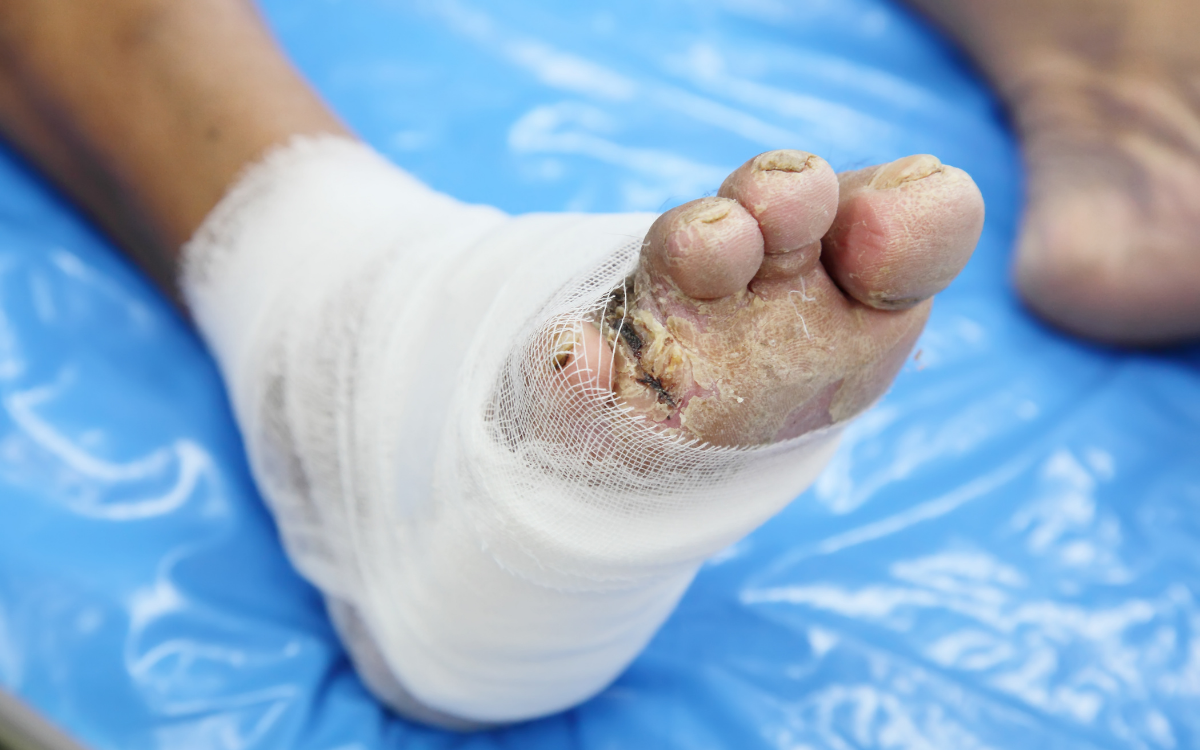
Venous Leg Ulcers
Open sores on the lower leg caused by weak vein valves and long-standing venous pressure, usually near the an…
Learn more arrow_forwardquiz Frequently Asked Questions
Have an ulcer that won't heal?
Send a photo on WhatsApp for an assessment, or book a consultation with Dr. Shah.
This page is for education only and is not a substitute for an in-person diagnosis. Please consult Dr. Ashutosh Shah or a qualified clinician for advice specific to your condition.