Skin & Nail Disorders
Blisters
A fluid filled pocket from friction, heat or pressure, which becomes an ulcer quickly in a numb foot.
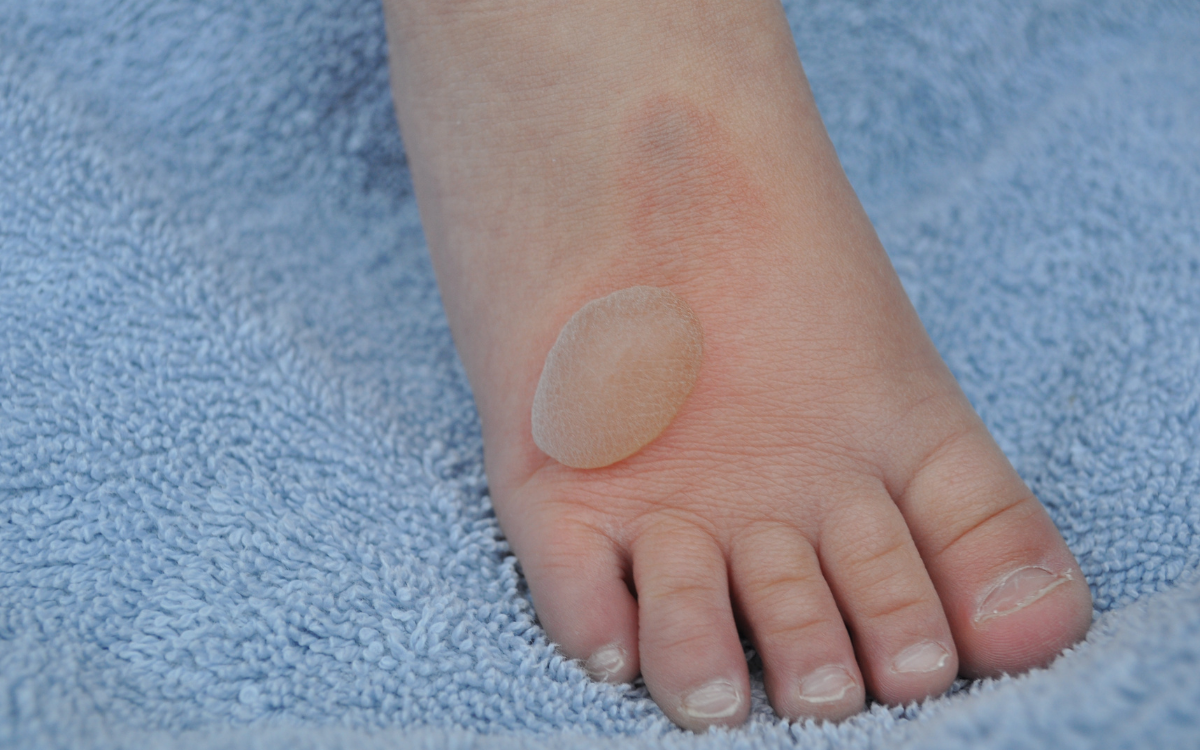
In most people a blister is a nuisance. In a diabetic foot, it is an early ulcer that has not opened yet, because the skin barrier has already failed underneath.
Key Takeaways
- A blister in a diabetic foot is an emergency in slow motion, not a minor complaint.
- Numbness means the friction that caused it went completely unnoticed.
- Never burst a blister at home, since the roof protects the tissue underneath.
- New footwear and long walks cause most of the blisters we treat.
Why Are Blisters Serious in Diabetes?
Because the protective layer has already separated. Fluid collects between skin layers, and the moment that roof tears, an open wound sits in a warm, moist environment perfect for bacteria. Given reduced healing capacity, the wound then behaves like an ulcer rather than a scratch.
Additionally, a blister proves that damaging friction occurred without you feeling it. Whatever caused it will cause it again unless identified.
What Causes Diabetic Foot Blisters?
- New or badly fitting shoes rubbing at the heel or toes
- Walking further than usual, particularly barefoot at home
- Heat from hot water, heaters or hot floors, which numb feet cannot sense
- Seams and creases inside socks or shoes
- Diabetic bullae, uncommon blisters that appear spontaneously without friction
How Should a Blister Be Treated?
Leave the roof intact and cover it with a sterile, non adhesive dressing. Offload the area completely, meaning avoid the shoe that caused it. Where the blister is large, tense or already broken, we drain it under sterile conditions in the clinic and dress it properly, then check for infection.
Meanwhile, the cause is corrected. Footwear is examined, and pressure mapping identifies the friction point where necessary through our footwear service.
What Does Treatment Cost?
Treating a blister early is inexpensive, involving a dressing and a footwear review. Treating the ulcer it becomes involves weeks of dressings and possible antibiotics, which is many times the cost. That contrast is the strongest argument for coming in early.
When Must You Come Immediately?
Come the same day if the blister is filled with cloudy fluid or blood, if the surrounding skin is red, warm or swollen, or if the roof has torn and a raw base is exposed.
quiz Frequently Asked Questions
Not sure what's wrong with your foot?
Send a photo on WhatsApp for an assessment, or book a consultation with Dr. Shah.
This page is for education only and is not a substitute for an in-person diagnosis. Please consult Dr. Ashutosh Shah or a qualified clinician for advice specific to your condition.