
Non-Diabetic Ulcer Clinic
Varicose Vein Ulcers
Long-standing varicose veins raise pressure in the leg, and over years that pressure can break the skin open near the ankle. These ulcers rarely heal until the faulty veins themselves are treated.
A varicose vein ulcer is an open wound, usually near the ankle, caused by years of high pressure from untreated varicose veins. Dressings alone rarely close it. Treating the underlying veins, with compression and wound care, is what finally heals it.
What Are Varicose Vein Ulcers?
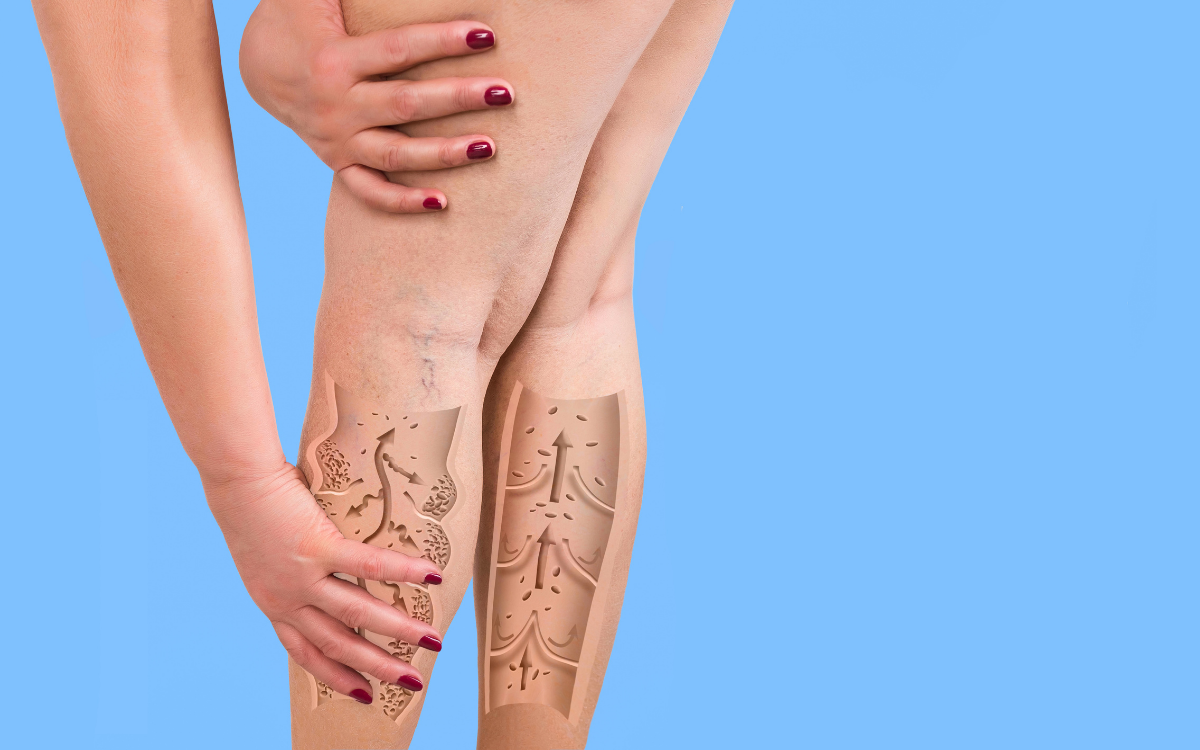
When varicose veins are left untreated for years, blood pools in the lower leg and pressure builds inside the skin. Eventually the skin near the ankle darkens, hardens and breaks open into an ulcer. Consequently, the wound is only the visible tip of a deeper vein problem.
Varicose veins: enlarged, twisted leg veins whose one-way valves have failed, letting blood flow backwards and pool.
Why Does the Ulcer Keep Coming Back?
Because dressings treat the skin, not the pressure. Until the faulty veins are corrected, the pooled blood keeps damaging the skin from inside. Therefore patients often report years of healing and reopening in the same spot.
- Dark, itchy skin around the ankle before the ulcer appears
- Aching, heavy legs that worsen on standing
- An ulcer that improves with leg elevation and worsens with standing
How Does EDFC Treat Varicose Vein Ulcers?
Our team confirms the diagnosis with vascular assessment, treats the underlying veins through our vascular services, and heals the wound with compression therapy and advanced wound care. As a result, the ulcer closes and stays closed.
What Does Treatment Cost in Surat?
Costs depend on wound size and whether vein treatment is needed alongside dressings. EDFC explains the complete estimate clearly before starting, with no hidden charges. If your ankle wound keeps returning, book an assessment or send a photo on WhatsApp.
quiz Frequently Asked Questions
Have an ulcer that won't heal?
Send a photo on WhatsApp for an assessment, or book a consultation with Dr. Shah.
This page is for education only and is not a substitute for an in-person diagnosis. Please consult Dr. Ashutosh Shah or a qualified clinician for advice specific to your condition.