
Conditions Treated
Foot & Wound Conditions Treated in India
Elegance Diabetic Foot & Ulcer Clinic (EDFC) treats a wide range of foot and wound conditions in India, from diabetic foot ulcers and infection to gangrene, Charcot foot and non-healing wounds, all under one limb-first approach led by Dr. Ashutosh Shah.
Foot and wound conditions treated in India at Elegance Diabetic Foot & Ulcer Clinic (EDFC) range from diabetic foot ulcers, infection and gangrene to Charcot foot, non-healing wounds, bone and joint disorders, skin and nail problems and vascular conditions. Every condition is managed under one limb-first approach, where amputation is only ever a last resort.
Which foot and wound conditions are treated?
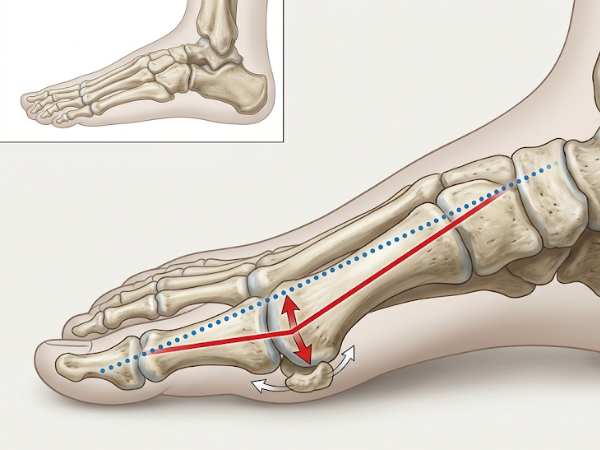
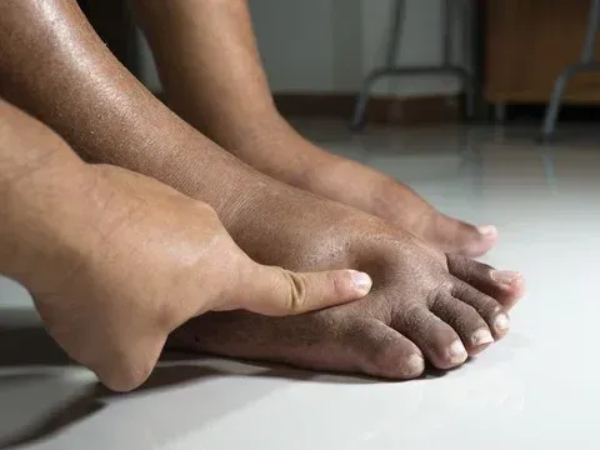
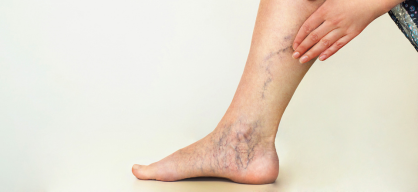
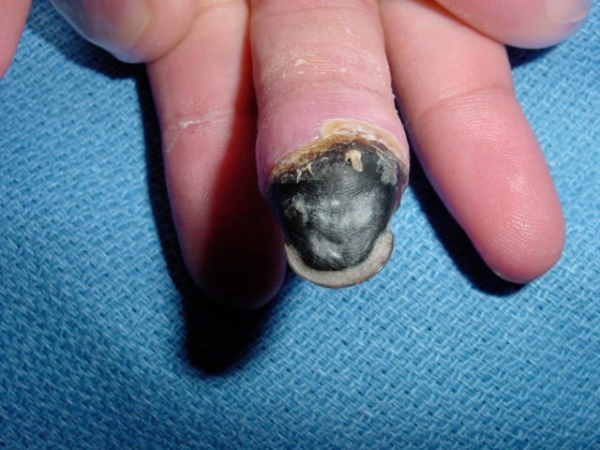
We treat conditions by their cause, so the right care is matched to each problem. Diabetic foot conditions cover ulcers, infection, gangrene and Charcot foot. Bone and joint disorders include bunions, hammer toe, foot arthritis and midfoot collapse. Skin and nail disorders cover calluses, corns, ingrown and fungal nails, and cracked heels. Vascular conditions include peripheral artery disease and Buerger’s disease.
Why cause-based diagnosis matters
Two foot wounds can look the same yet need very different treatment. A neuropathic ulcer is offloaded, an ischemic ulcer needs blood flow restored first, and an infected wound needs urgent drainage. Getting the cause right early is what saves limbs, so every case begins with a full assessment.
Where these conditions are treated in India
Care is available at our centres in Surat, Gujarat and Vizianagaram, Andhra Pradesh, with photo-based first assessment for patients across India, including Mumbai, Delhi, Bengaluru, Hyderabad, Chennai, Pune and Ahmedabad. Explore our treatment services or non-diabetic ulcer care to see how each condition is treated.
Diabetic Foot Conditions
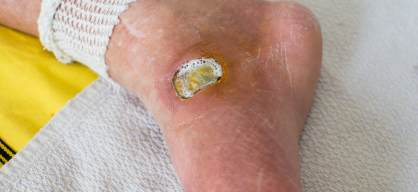 Urgent
 Diabetic Foot Ulcer
arrow_forward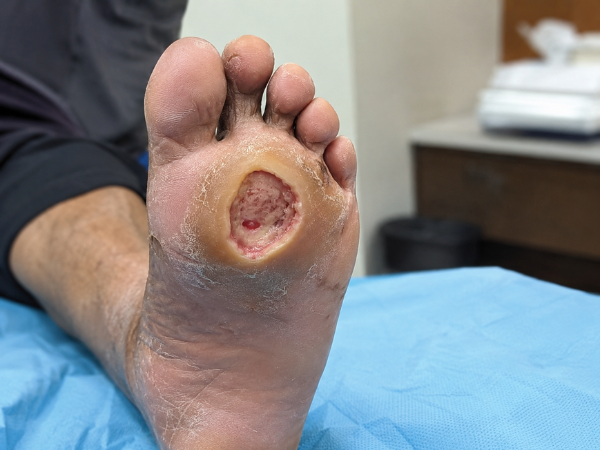
Neuropathic Ulcer
arrow_forward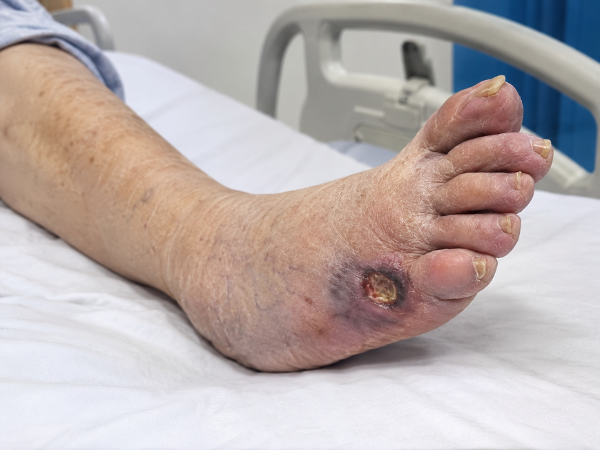
Ischemic Ulcer
arrow_forward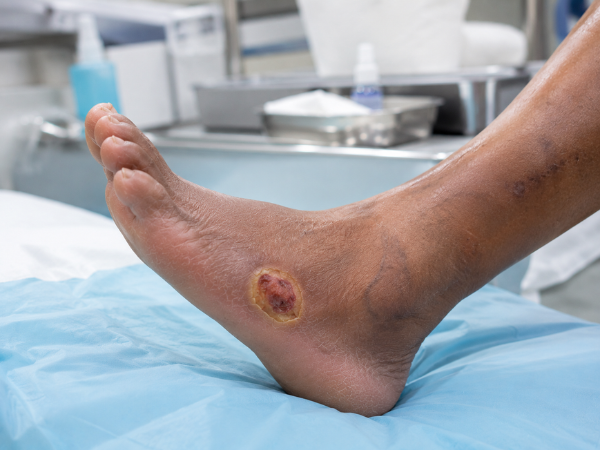
Neuro-Ischemic Ulcer
arrow_forward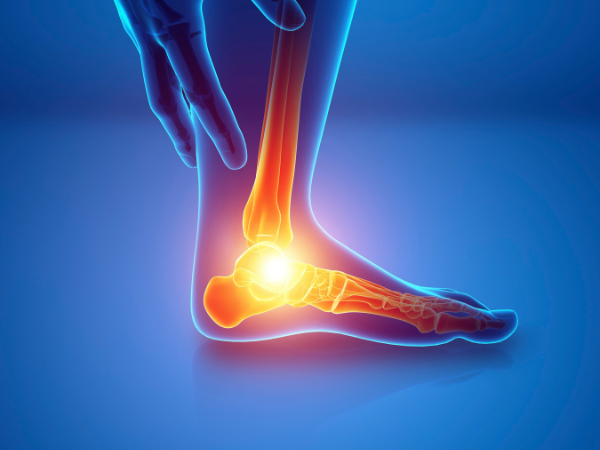 Urgent
 Charcot Foot
arrow_forward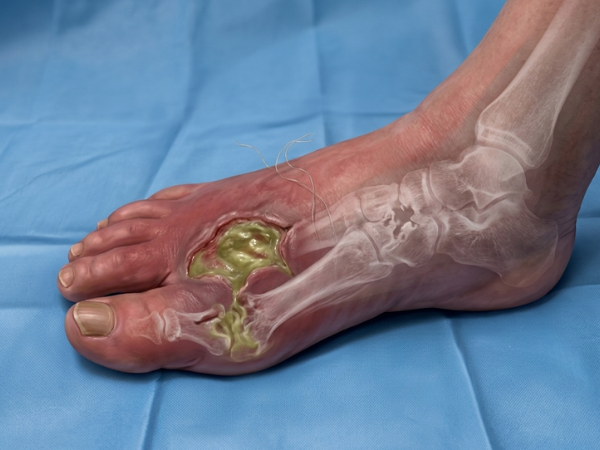
Osteomyelitis (Bone Infection)
arrow_forward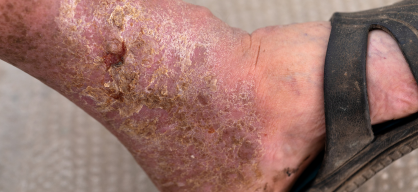 Urgent
 Gangrene
arrow_forward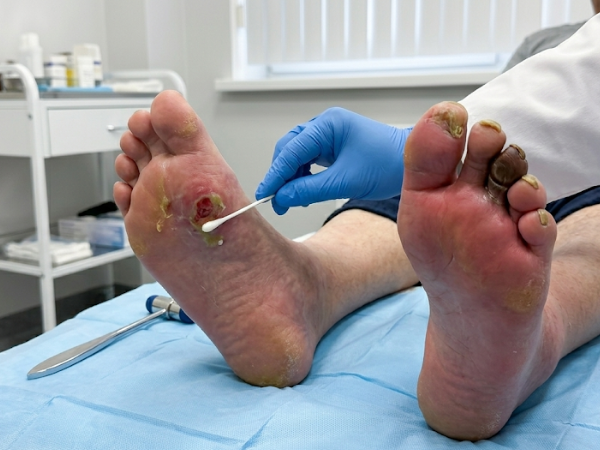
Diabetic Foot Infection
arrow_forward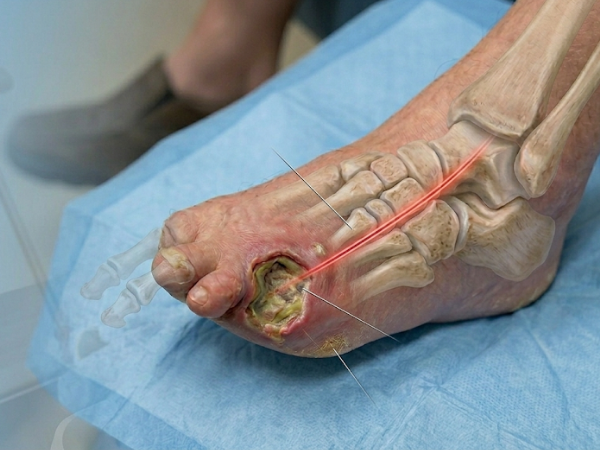
Post-Amputation Ulcer
arrow_forward
Recurrent Ulcers
arrow_forwardBone & Joint Disorders
Bunion
arrow_forward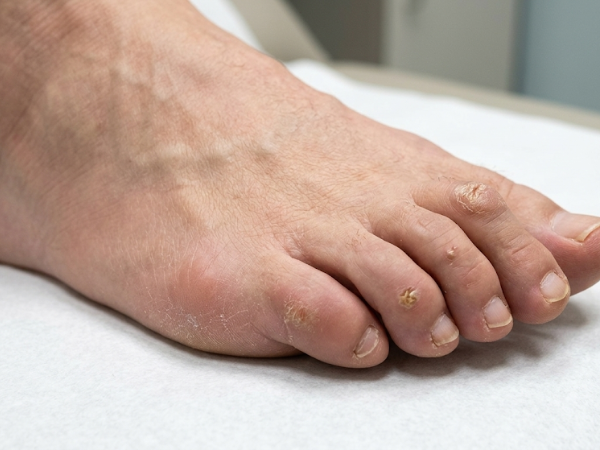
Hammer Toe / Claw Toe
arrow_forward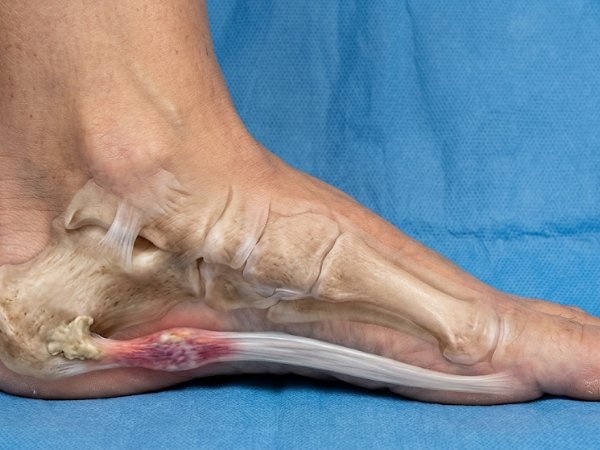
Plantar Fasciitis
arrow_forward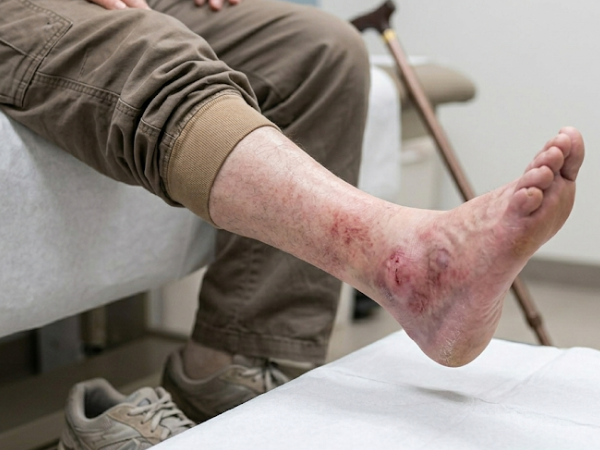
Foot Drop
arrow_forward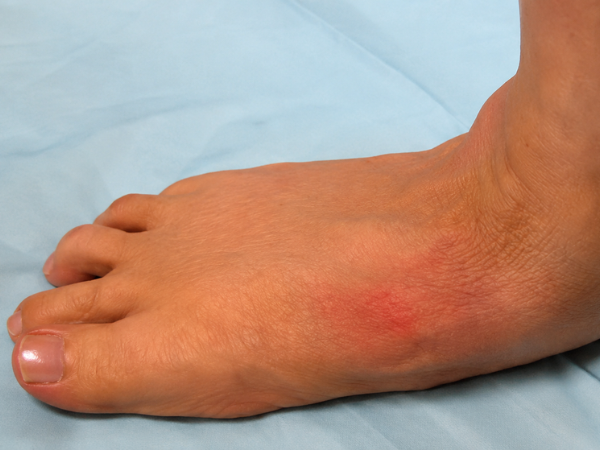
Midfoot Collapse
arrow_forward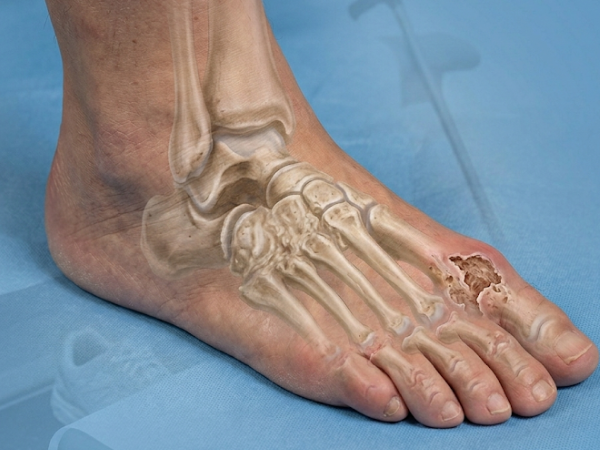
Foot Arthritis
arrow_forward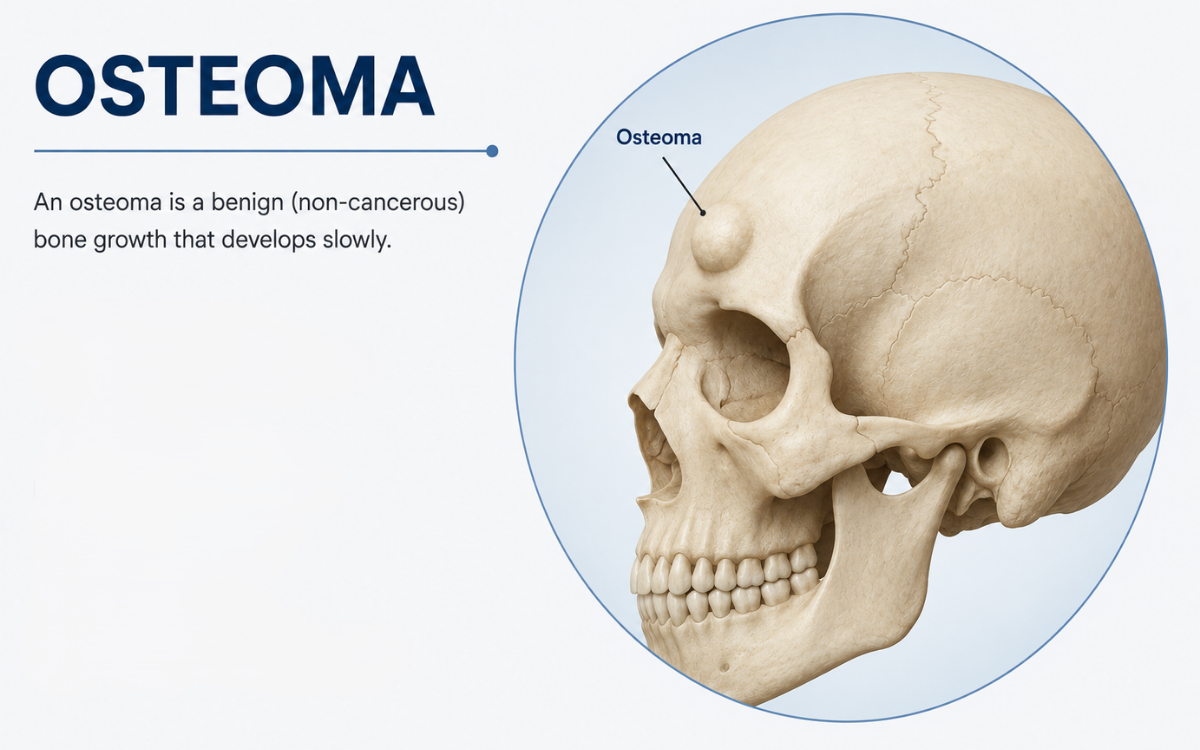
Osteoma
arrow_forward
Foot Instability
arrow_forward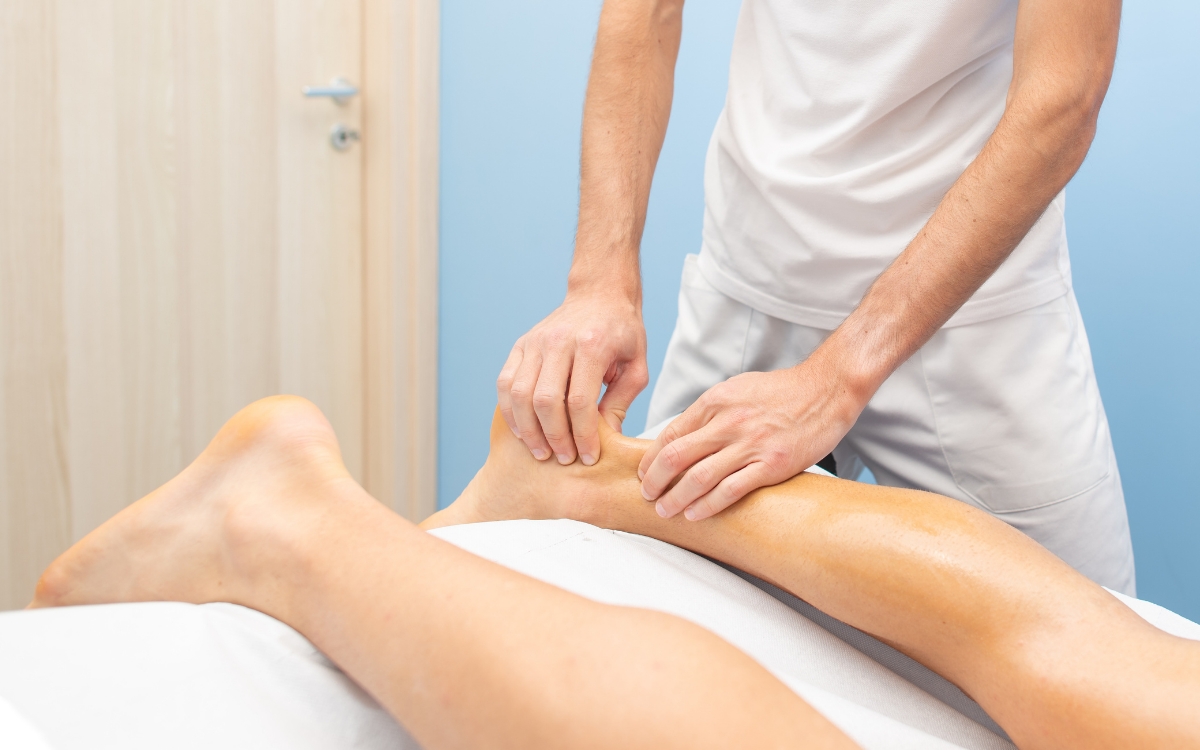
Tendonitis
arrow_forward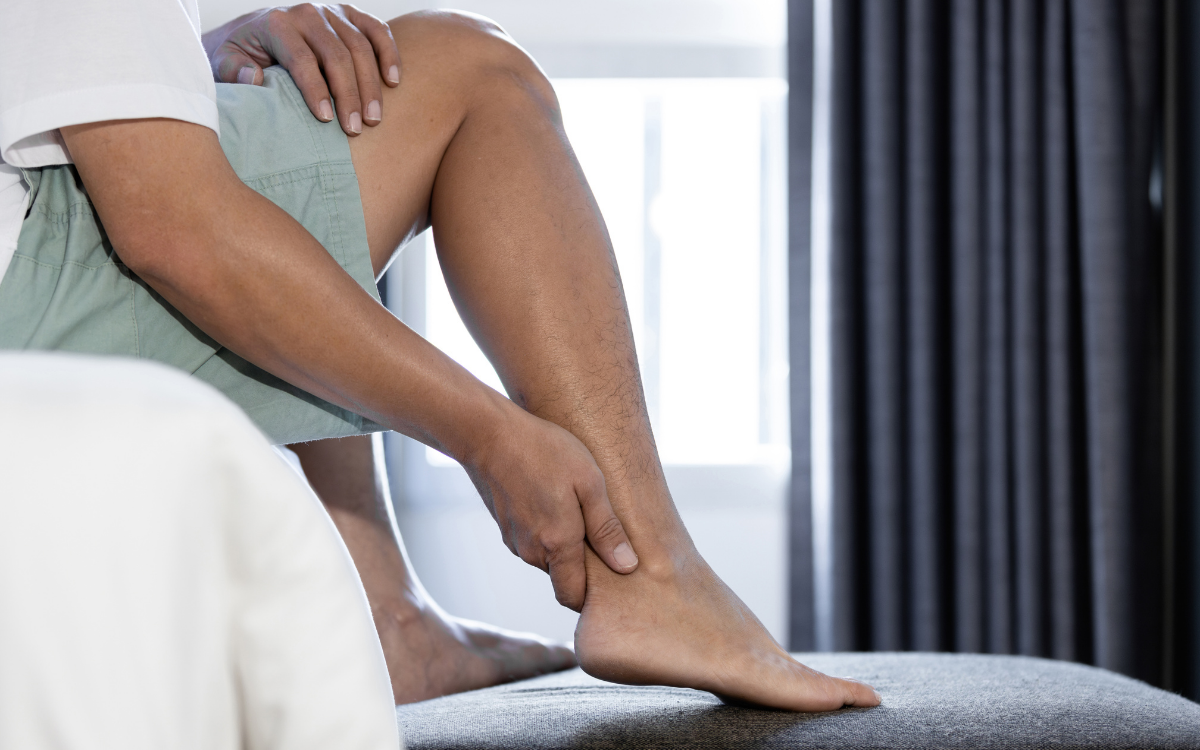
Achilles Tendon Disorders
arrow_forward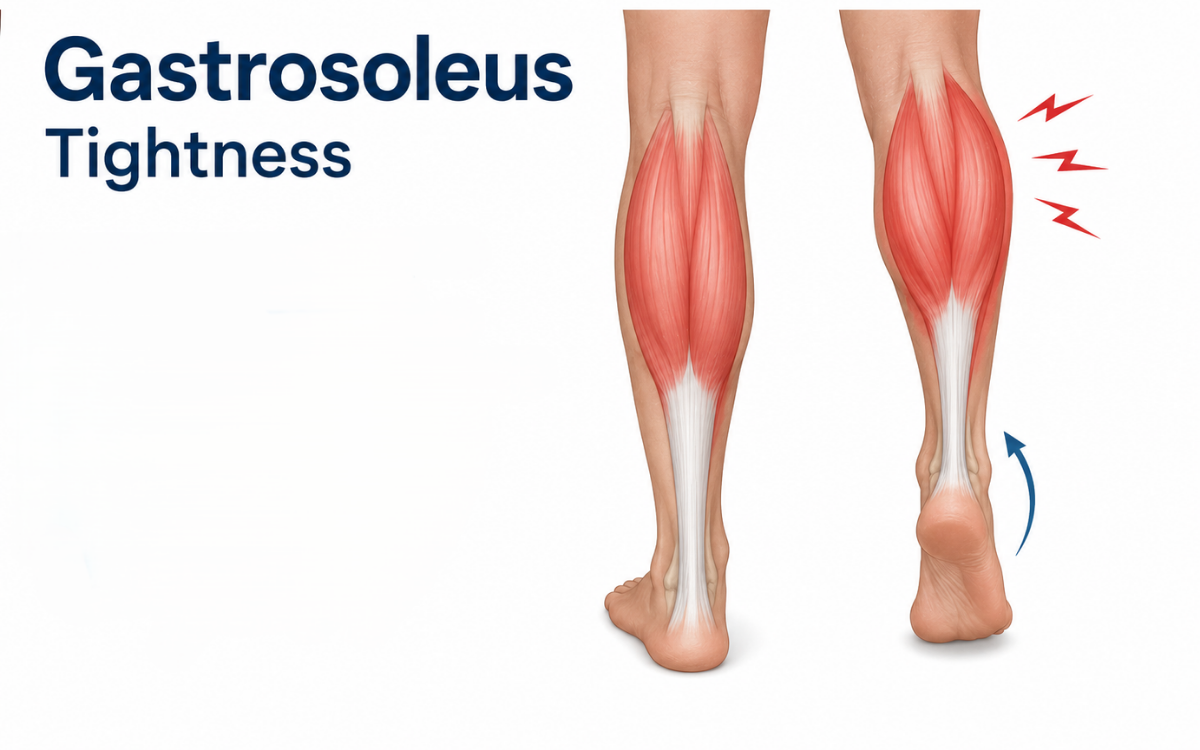
Gastrosoleus Tightness
arrow_forward
Muscle Weakness
arrow_forward
Muscle Paralysis
arrow_forwardSkin & Nail Disorders
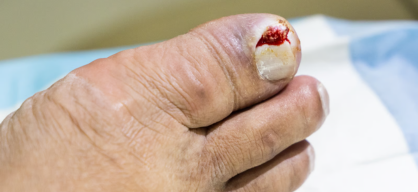
Ingrown Toenail
arrow_forward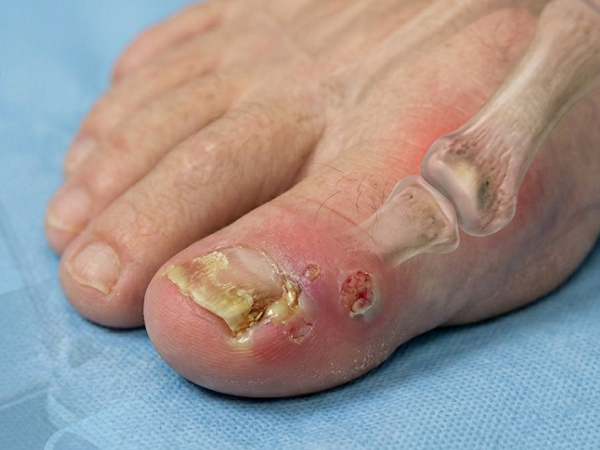
Fungal Nail Infection
arrow_forward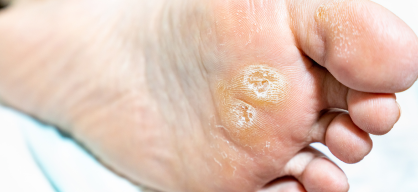
Callus
arrow_forward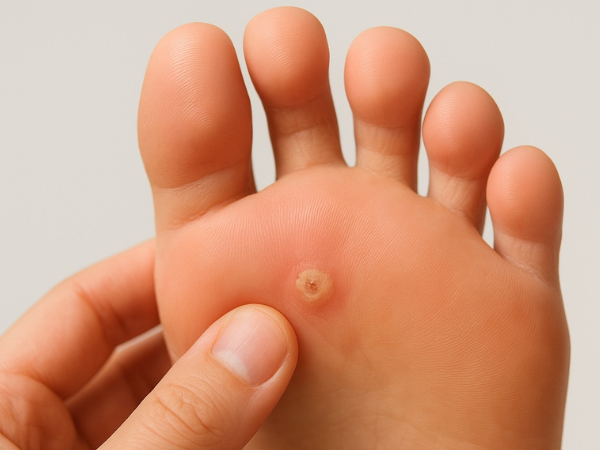
Corn
arrow_forward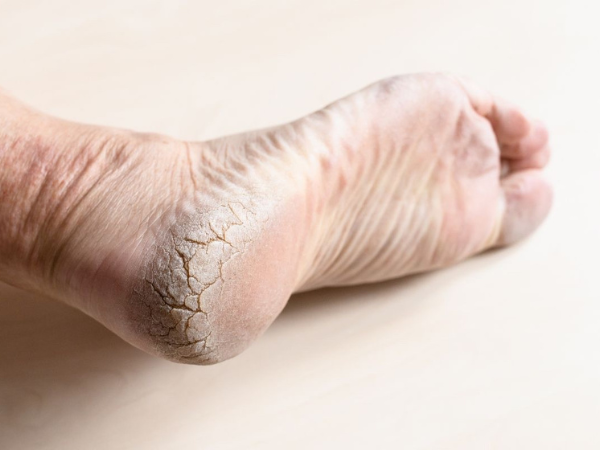
Dry & Cracked Feet
arrow_forward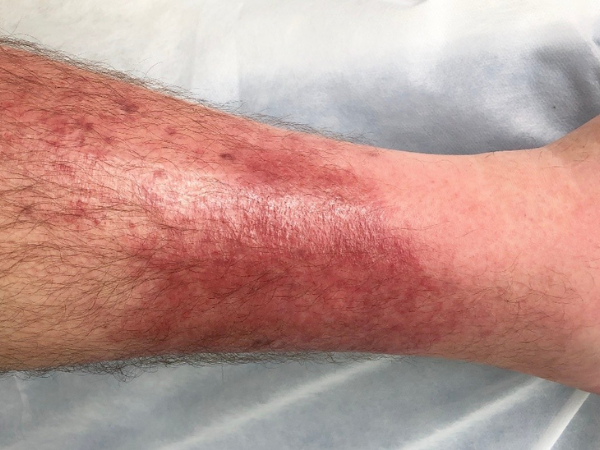
Cellulitis
arrow_forward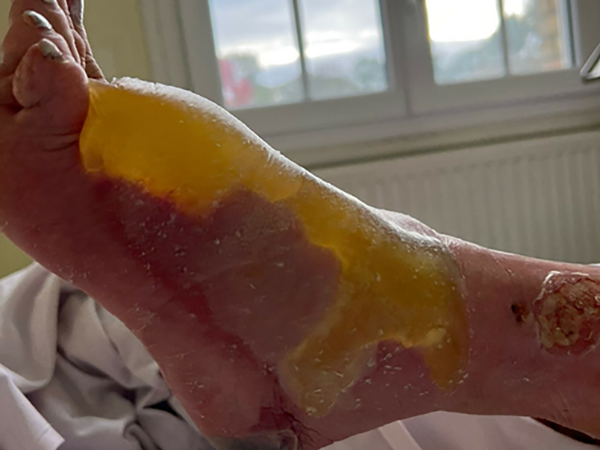
Necrotizing Fasciitis
arrow_forward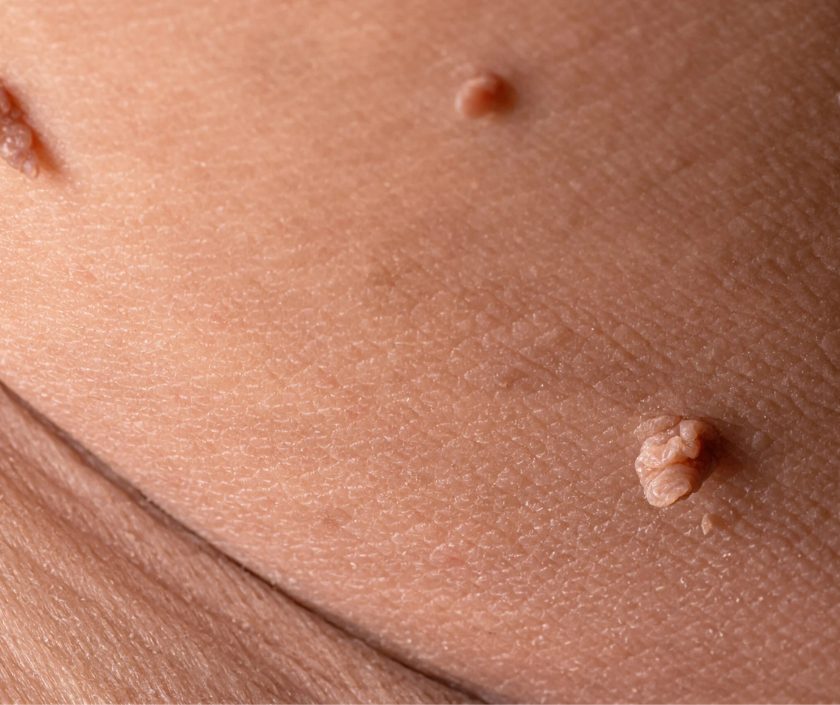
Viral Warts
arrow_forward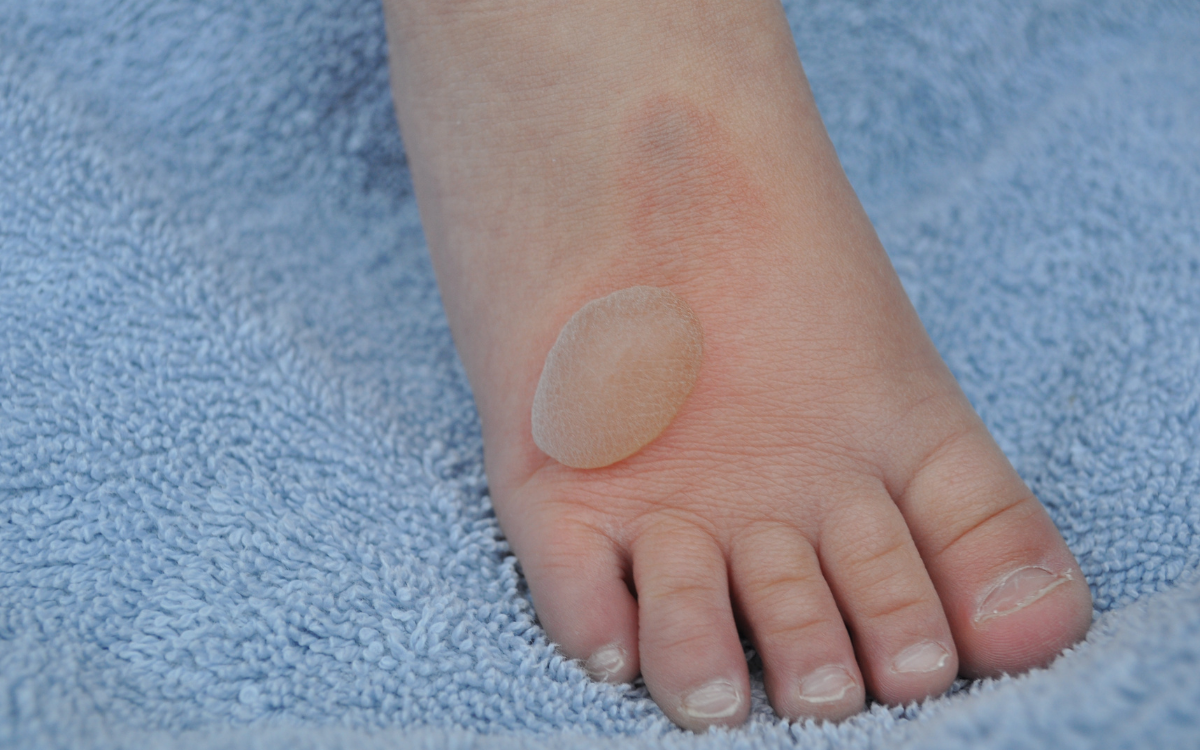
Blisters
arrow_forward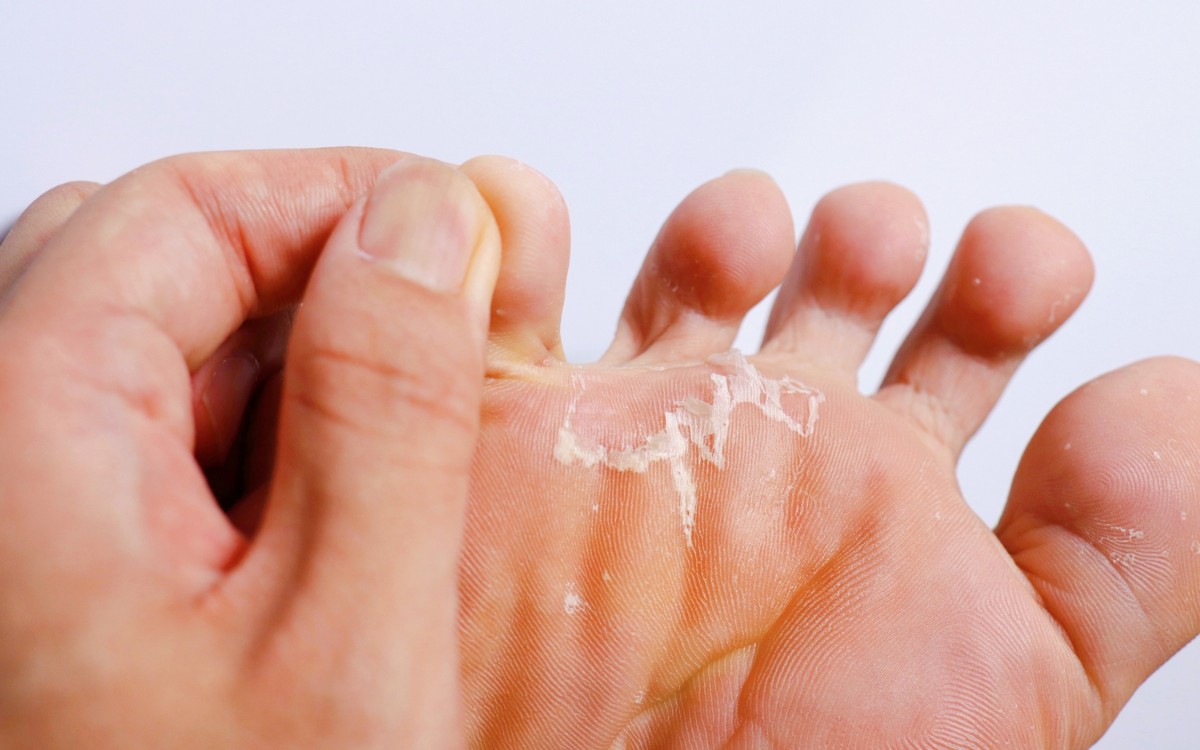
Athlete's Foot
arrow_forward
Hyperpigmentation
arrow_forward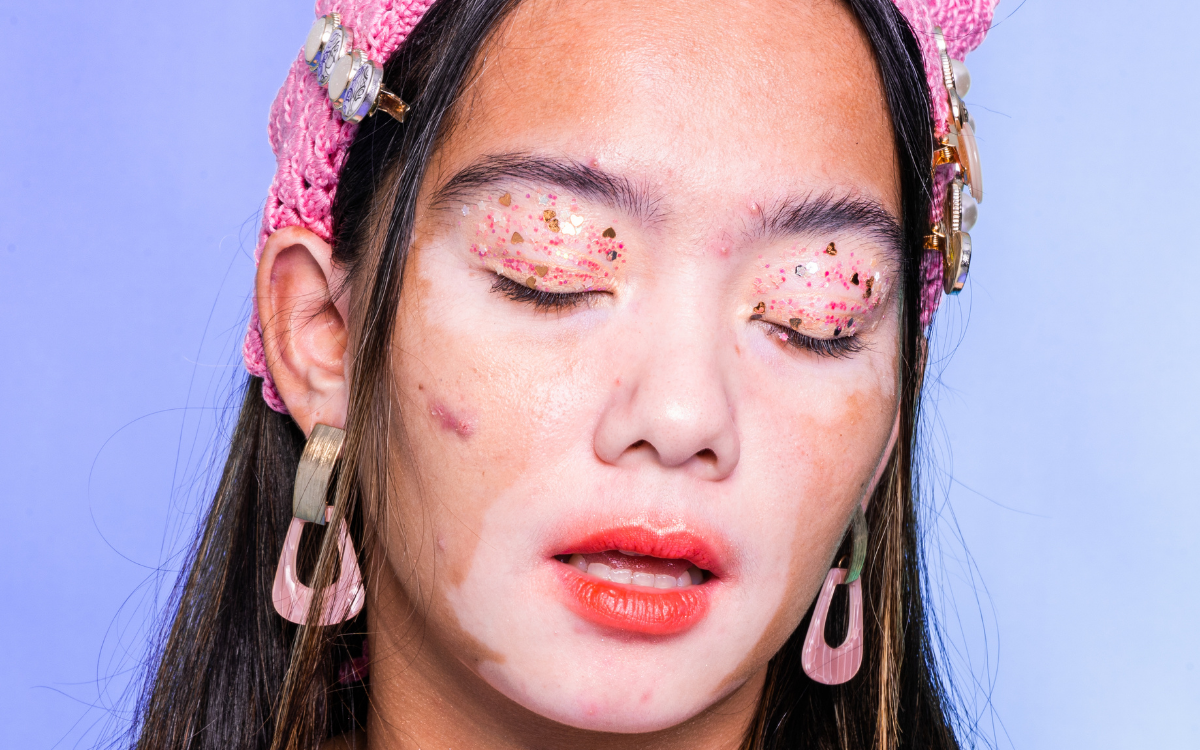
Skin Discoloration
arrow_forward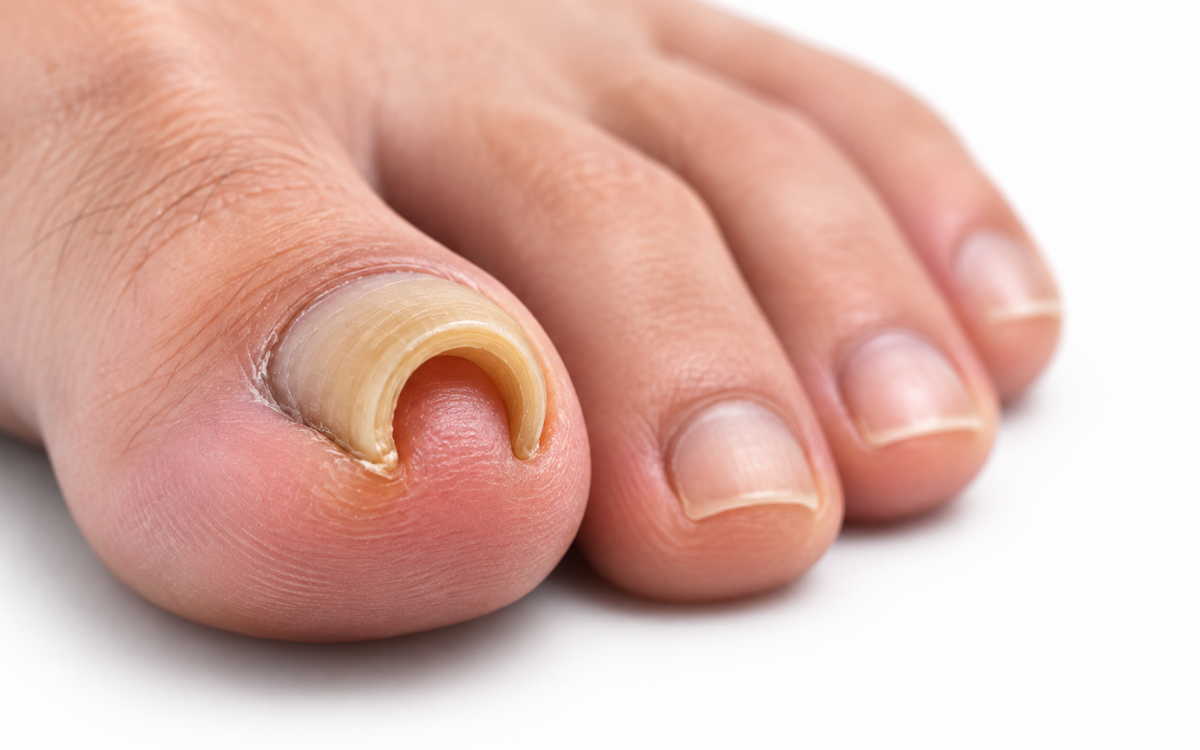
Pincer Nails
arrow_forward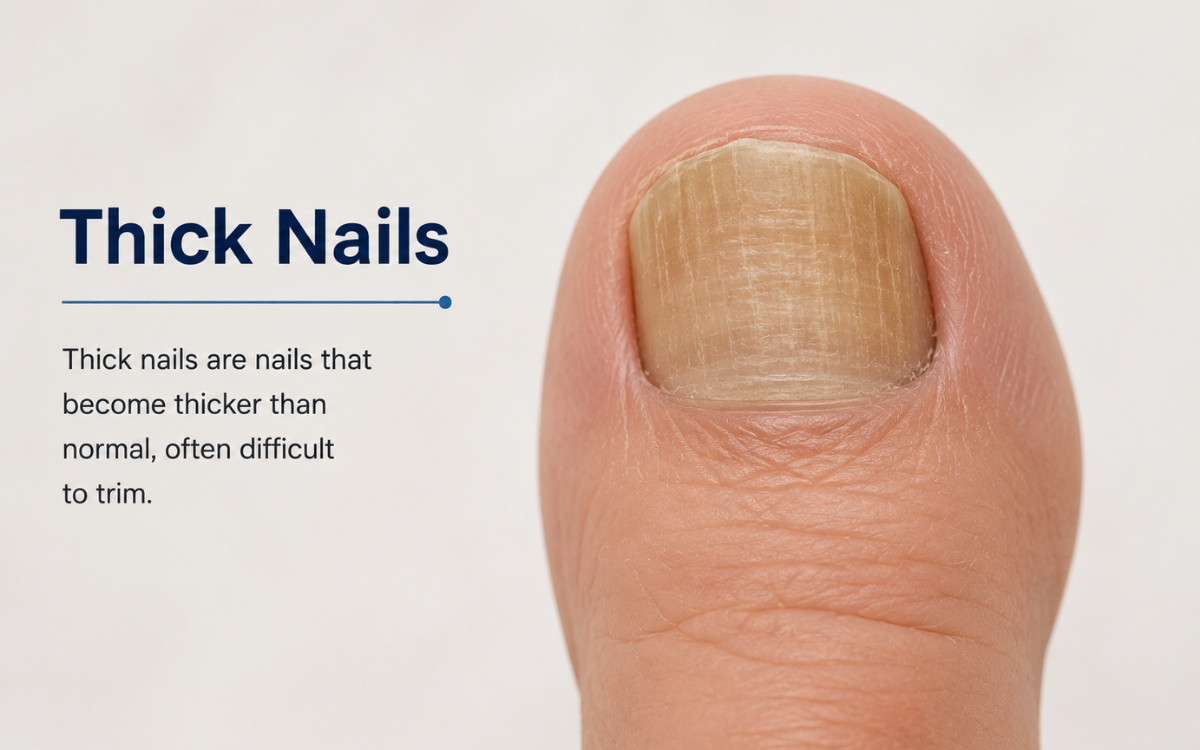
Thick Nails
arrow_forward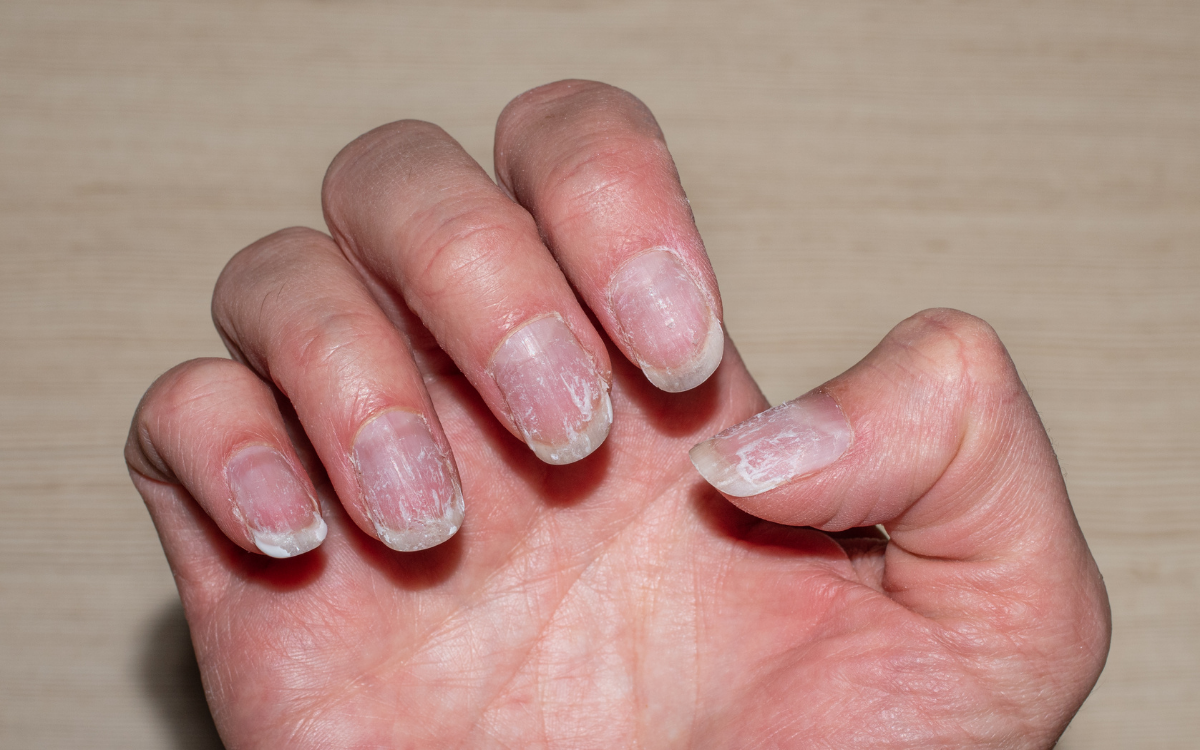
Brittle Nails
arrow_forward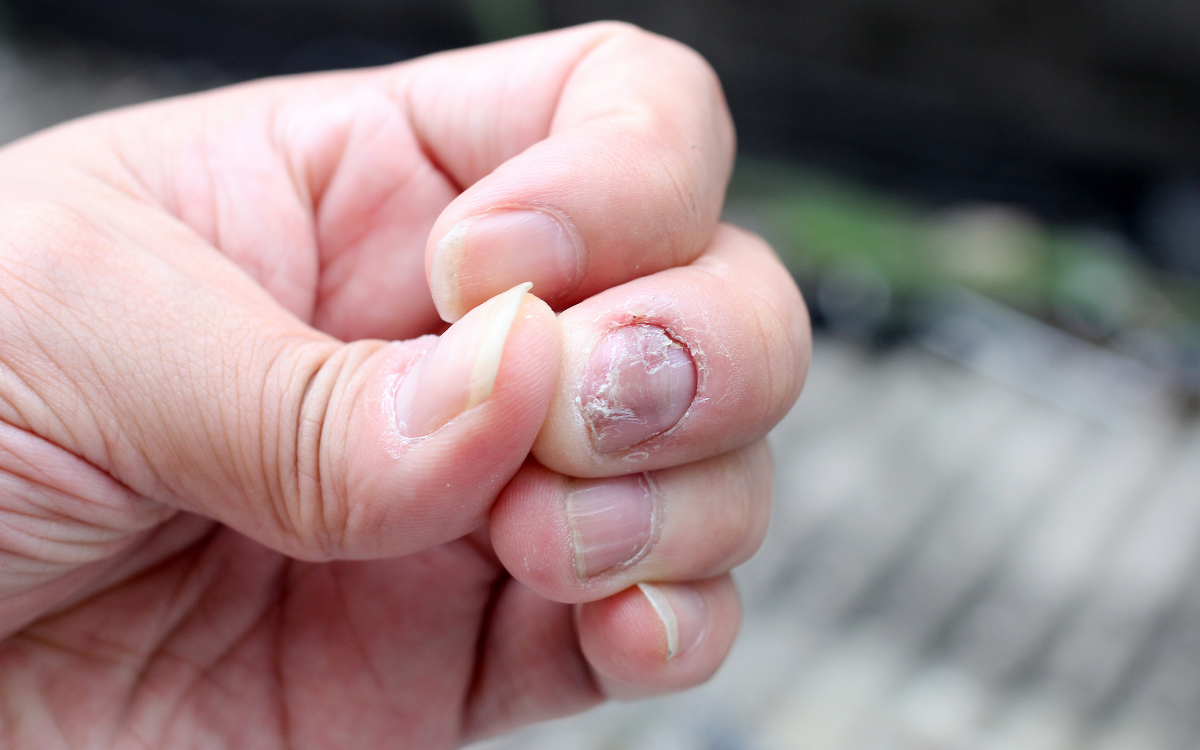
Nail Deformities
arrow_forward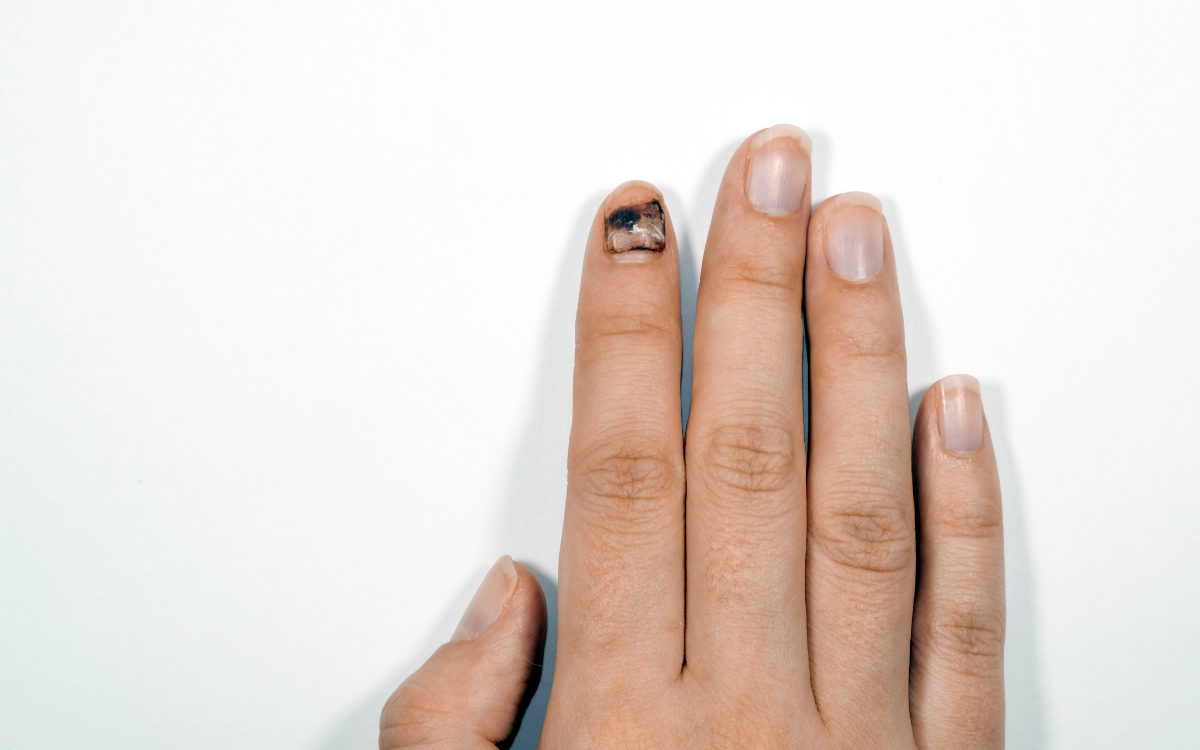
Nail Hematoma
arrow_forwardVascular Conditions
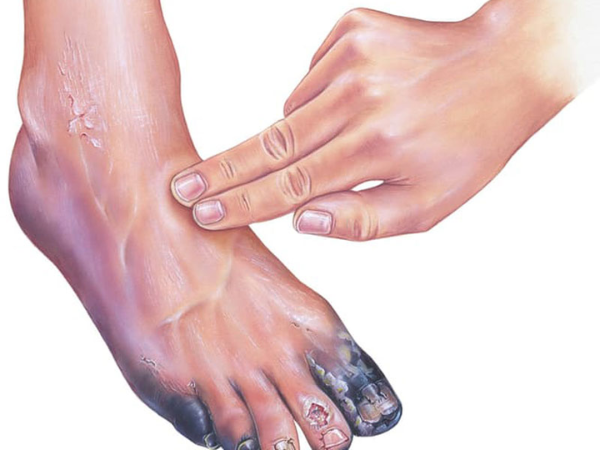
Non-Diabetic Ulcers
Visit the Ulcer Clinic arrow_forward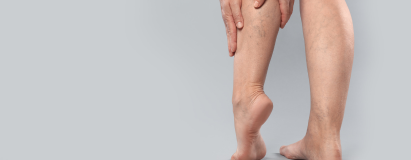
Varicose Vein Ulcers
arrow_forward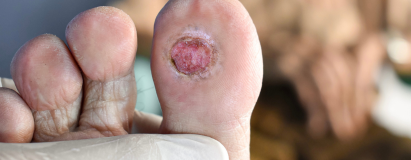
Arterial Ulcers
arrow_forward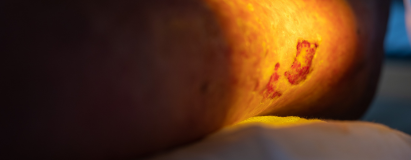
Vasculitic Ulcers
arrow_forward
Pressure Injuries
arrow_forward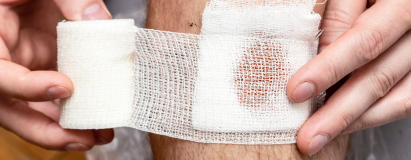
Traumatic Ulcers
arrow_forward
Post-Surgical Wounds
arrow_forward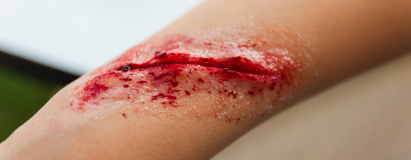
Radiation & Cancer Related Wounds
arrow_forward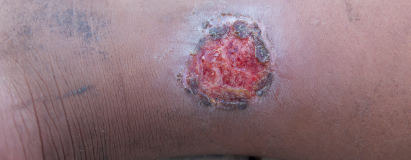
Lymphedema Related Ulcers
arrow_forward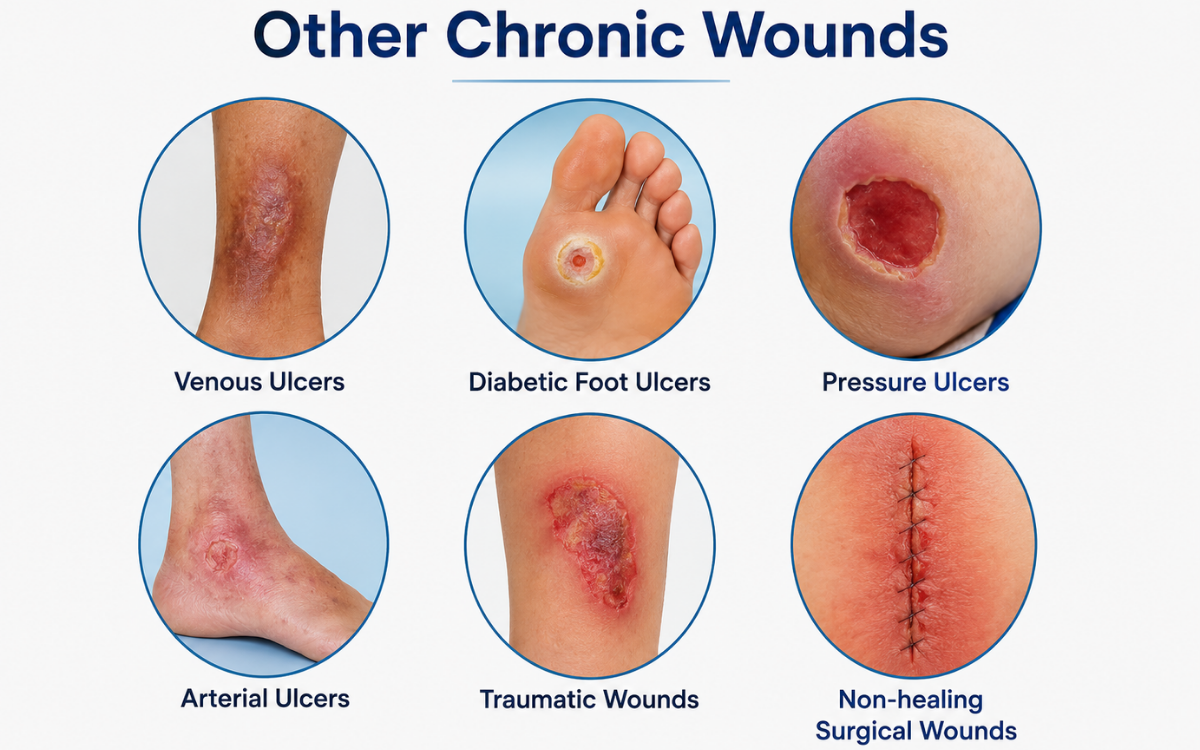
Other Chronic Wounds
arrow_forwardUnsure what you have? Book an assessment, or browse our treatment services.
quiz Frequently Asked Questions
Not sure what's wrong with your foot?
Send a photo on WhatsApp for an assessment, or book a consultation with Dr. Shah.
This page is for education only and is not a substitute for an in-person diagnosis. Please consult Dr. Ashutosh Shah or a qualified clinician for advice specific to your condition.