
Bone & Joint Disorders
Plantar Fasciitis
Plantar fasciitis is inflammation of the thick band of tissue along the sole, causing heel pain. While not unique to diabetics, altered gait makes it relevant in foot-care planning.
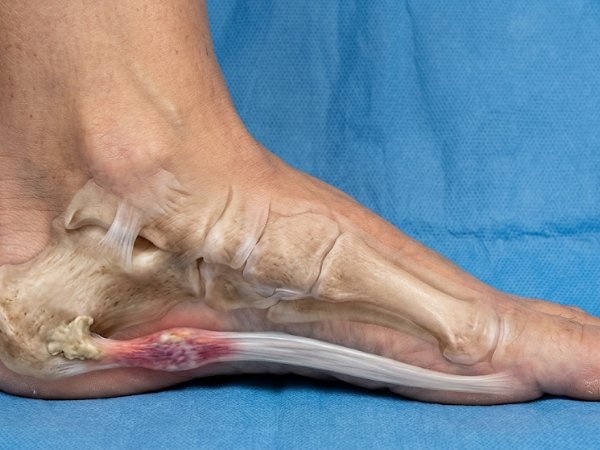
Plantar Fasciitis Treatment in India
Plantar fasciitis is inflammation of the band of tissue along the sole of the foot, causing sharp heel pain that is typically worst with the first steps in the morning. At EDFC, it is managed with stretching, supportive footwear, and orthotics, and most cases settle without surgery.
What is plantar fasciitis?
The plantar fascia is a strong band of tissue running from the heel to the toes, supporting the arch. When it is overloaded or strained, it becomes inflamed and painful, usually where it attaches to the heel. The hallmark is sharp heel pain on the first few steps after rest, getting out of bed, or standing after sitting, which often eases as you move but returns with prolonged standing.
Signs to watch for
- Sharp heel pain on your first steps in the morning
- Pain that eases with movement but returns after rest
- Tenderness at the base of the heel
- Worse pain after long standing or walking
- Tight calves or a tight Achilles tendon
When to see a doctor in India: if heel pain persists beyond a few weeks despite rest and good footwear, an assessment helps confirm the cause and guide treatment.
Why it happens
Common contributors are tight calf muscles, unsupportive footwear, prolonged standing, a sudden increase in activity, and foot mechanics that overload the arch. It is usually an overuse problem rather than a sign of a serious disease.
How EDFC treats plantar fasciitis
- Stretching, calf and plantar-fascia stretches to reduce strain.
- Supportive footwear, cushioned, supportive shoes.
- Orthotics, arch support or heel cushioning to offload the fascia.
- Activity guidance, modifying load while it settles.
Browse all services or book a consultation.
quiz Frequently Asked Questions
Not sure what's wrong with your foot?
Send a photo on WhatsApp for an assessment, or book a consultation with Dr. Shah.
This page is for education only and is not a substitute for an in-person diagnosis. Please consult Dr. Ashutosh Shah or a qualified clinician for advice specific to your condition.