
Skin & Nail Disorders
Ingrown Toenail
An ingrown toenail occurs when the edge of the nail grows into the surrounding skin, causing pain, redness and infection. In diabetics it is a common entry point for serious infection and needs prompt, careful treatment.
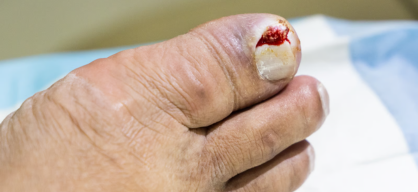
Ingrown Toenail Treatment in India
An ingrown toenail is when the edge of a nail grows into the surrounding skin, causing pain, redness, and often infection, and in a diabetic foot, it can be the starting point of a serious wound. At EDFC, ingrown toenails are treated safely and definitively, with extra care for at-risk feet.
What is an ingrown toenail?
An ingrown toenail happens when a nail edge, usually on the big toe, curves or grows into the skin beside it. The skin becomes sore, red, and swollen, and can get infected with pus. For most people it's painful but minor; for someone with diabetes, the break in the skin and infection risk make it potentially serious, as it can develop into an ulcer.
Signs to watch for
- Pain and tenderness along the side of a nail
- Redness and swelling beside the nail
- Pus or discharge (a sign of infection)
- Overgrown skin around the nail edge
- Recurring problems with the same toe
When to see a doctor in India: if you have diabetes, don't try to dig out an ingrown nail yourself, get it treated professionally, because a small injury can become an ulcer. Signs of infection need prompt care.
Why they form
Common causes are cutting nails too short or curved, tight footwear, injury, and naturally curved nails. Repeated improper trimming is a frequent culprit, which is why professional nail care helps prevent recurrence.
How EDFC treats an ingrown toenail
- Safe assessment, checking for infection and circulation, especially in diabetes.
- Professional nail care, relieving the ingrown edge safely.
- Infection treatment, managing any infection promptly.
- Minor procedure, removing the offending nail edge for recurrent cases.
- Prevention, guidance and safe nail care to stop it returning.
Browse all services or book a consultation.
quiz Frequently Asked Questions
Not sure what's wrong with your foot?
Send a photo on WhatsApp for an assessment, or book a consultation with Dr. Shah.
This page is for education only and is not a substitute for an in-person diagnosis. Please consult Dr. Ashutosh Shah or a qualified clinician for advice specific to your condition.