
Skin & Nail Disorders
Corn
A corn is a small, focused area of thickened skin, usually on or between the toes, caused by pressure. Like callus, it signals a pressure point that can ulcerate in diabetic feet.
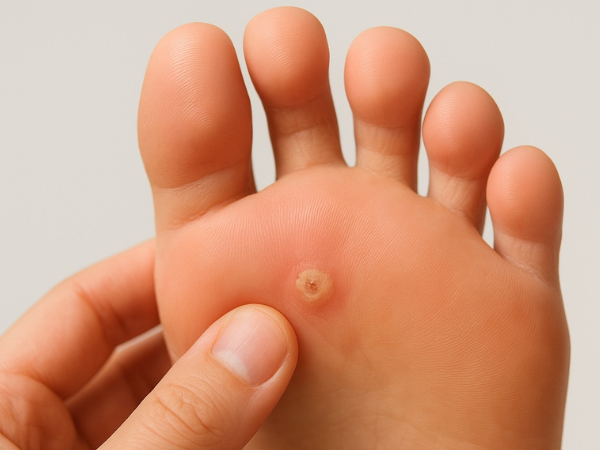
Corn Removal Treatment in India
A corn is a small, concentrated core of hard skin, usually on or between the toes, that forms from pressure or rubbing and can be painful. At EDFC, corns are safely removed and the pressure causing them addressed, with particular care for diabetic feet, where a corn can become a wound.
What is a corn?
A corn is like a small, focused callus with a hard central core that presses into the skin, causing a sharp, localised pain. Hard corns appear on the tops or tips of toes; soft corns form in the moist skin between toes. They are caused by pressure or friction, often from footwear or a toe deformity. In a diabetic foot, the pressure point and any skin break carry an ulcer risk.
Signs to watch for
- A small, hard, painful lump on or between the toes
- A central core that hurts when pressed
- Soft, soggy corns between the toes
- Pain when wearing certain shoes
- Recurring corns at the same spot
When to see a doctor in India: if you have diabetes, don't cut corns or use medicated corn plasters (which contain acid), have them removed professionally to avoid injury and ulcers.
Why they form
Corns come from concentrated pressure or rubbing, tight or pointed shoes, toe deformities like hammer toes, or abnormal foot mechanics. Treating the cause prevents recurrence.
How EDFC treats a corn
- Safe removal, professional removal of the corn (medical pedicure).
- Pressure relief, padding, orthotics, and footwear advice.
- Treating the cause, addressing a toe deformity driving the corn.
- Diabetic-safe care, extra caution for at-risk feet.
Browse all services or book a consultation.
quiz Frequently Asked Questions
Not sure what's wrong with your foot?
Send a photo on WhatsApp for an assessment, or book a consultation with Dr. Shah.
This page is for education only and is not a substitute for an in-person diagnosis. Please consult Dr. Ashutosh Shah or a qualified clinician for advice specific to your condition.