
Bone & Joint Disorders
Tendonitis
Inflammation of a tendon in the foot or ankle, which heals more slowly when you have diabetes.
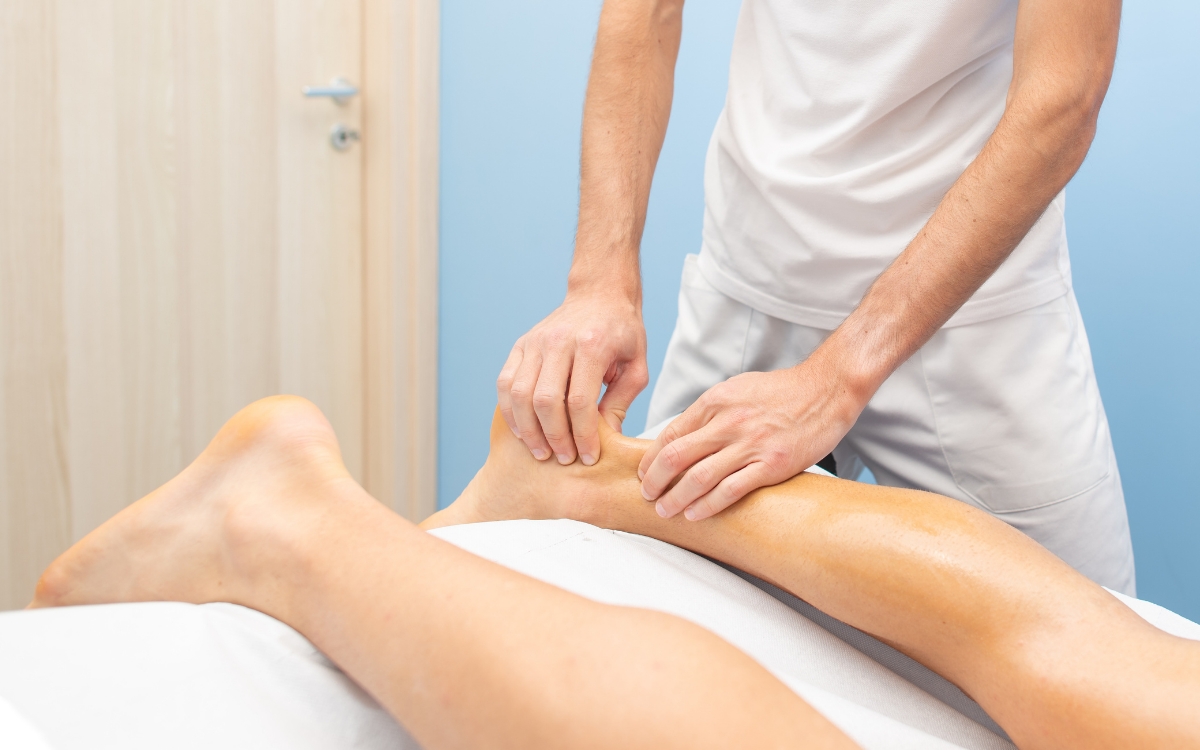
Diabetes changes tendon tissue, making it stiffer and more prone to inflammation and tearing. Treatment therefore needs adjusting, since some standard options carry more risk in diabetic patients.
Key Takeaways
- High blood sugar stiffens tendons over time through a process affecting collagen.
- Diabetic tendons inflame more easily and heal more slowly than normal tendons.
- Steroid injections carry higher rupture and sugar spike risk in diabetes.
- Untreated Achilles tightness raises forefoot pressure and causes ulcers.
Why Do Diabetic Patients Get Tendon Problems?
Sugar molecules attach to collagen in a process that gradually stiffens tendon fibres. Consequently, tendons lose elasticity, tolerate less load and inflame more readily. The Achilles tendon and the posterior tibial tendon are affected most often.
Additionally, reduced blood supply slows repair, so an inflammation that would settle in weeks for someone else can persist for months.
Which Tendons Cause Foot Problems?
- Achilles tendon: pain at the back of the heel, and tightness that pushes pressure onto the forefoot
- Posterior tibial tendon: inner ankle pain, with arch collapse if it fails
- Peroneal tendons: outer ankle pain and instability
- Toe flexor tendons: contributing to claw toe deformity
Why Does Achilles Tightness Matter So Much?
Because it changes where you load your foot. A tight Achilles lifts the heel earlier during walking, driving pressure into the forefoot. That is a direct route to a forefoot ulcer, which is why we assess Achilles tightness in every patient with a recurring wound under the ball of the foot.
How Is Tendonitis Treated in Diabetes?
Activity modification, stretching and physiotherapy come first, alongside footwear changes and heel lifts where appropriate. Steroid injections are used with real caution here, since they raise blood sugar and increase rupture risk in already weakened tendons.
Where Achilles tightness is driving forefoot ulceration, lengthening the tendon surgically is considered through our tendon surgery service, which reliably reduces forefoot pressure.
What Does Treatment Cost and How Long Does It Take?
Conservative treatment involves consultation, physiotherapy sessions and footwear, all priced upfront. Recovery is slower than in non diabetic patients, typically three to six months for full settling, so patience genuinely forms part of the treatment.
quiz Frequently Asked Questions
Not sure what's wrong with your foot?
Send a photo on WhatsApp for an assessment, or book a consultation with Dr. Shah.
This page is for education only and is not a substitute for an in-person diagnosis. Please consult Dr. Ashutosh Shah or a qualified clinician for advice specific to your condition.