
Skin & Nail Disorders
Necrotizing Fasciitis
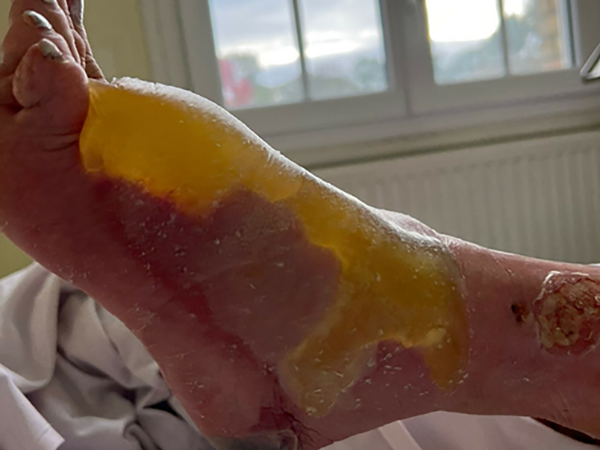
Necrotizing fasciitis is a rare but life-threatening, rapidly spreading infection of the deeper tissues. It is a surgical emergency requiring immediate hospital care.
Necrotizing Fasciitis Treatment in India
⚠ This is a medical emergency. Necrotizing fasciitis spreads within hours and can be fatal. If you have rapidly spreading redness, severe pain out of proportion to how the skin looks, and feel very unwell, go to a hospital emergency department immediately, do not wait for an outpatient appointment.
Necrotizing fasciitis is a rare but life-threatening bacterial infection that destroys soft tissue and spreads rapidly, requiring emergency surgery and intensive treatment to save life and limb. At EDFC, Dr. Ashutosh Shah's reconstructive surgical background is directly relevant to managing severe tissue infections, but the first priority is getting emergency care without delay.
What is necrotizing fasciitis?
Often called a "flesh-eating" infection, necrotizing fasciitis is an aggressive bacterial infection of the tissue layers beneath the skin (the fascia). It spreads extremely fast, killing tissue as it goes, and can cause the whole body to become dangerously ill. It is uncommon, but it is one of the most urgent conditions in foot and limb care, survival and limb salvage depend on treatment within hours, not days.
Urgent warning signs, seek emergency care now
- Severe pain that seems far worse than the skin appears
- Rapidly spreading redness, swelling, or discolouration
- Skin turning purple, grey, or black, or forming blisters
- Fever, chills, confusion, or feeling extremely unwell
- A wound with foul discharge or gas under the skin
This cannot be managed at home or by waiting. If these signs are present, go to a hospital emergency department immediately. Diabetes and a weakened immune system raise the risk and the speed of spread.
Why it happens
Bacteria enter through a wound, ulcer, or even a minor skin break and multiply aggressively in the deep tissue. Diabetes, poor circulation, and a reduced immune response make it more likely and more dangerous, which is why any severe, fast-spreading foot infection in a person with diabetes is treated as an emergency.
How necrotizing fasciitis is treated
- Emergency hospital admission, immediate resuscitation and stabilisation.
- Urgent surgery, removing all dead and infected tissue without delay.
- Strong IV antibiotics, and intensive supportive care.
- Reconstruction afterward, flap or graft reconstruction once the infection is controlled, and limb salvage where possible.
Dr. Shah's reconstructive expertise is central to rebuilding tissue after the infection is controlled. The immediate priority, however, is emergency surgical care.
quiz Frequently Asked Questions
Not sure what's wrong with your foot?
Send a photo on WhatsApp for an assessment, or book a consultation with Dr. Shah.
This page is for education only and is not a substitute for an in-person diagnosis. Please consult Dr. Ashutosh Shah or a qualified clinician for advice specific to your condition.