
Skin & Nail Disorders
Dry & Cracked Feet
Diabetes can reduce the skin's natural moisture, leading to dryness and cracks (fissures), especially at the heels. Deep cracks can become entry points for infection.
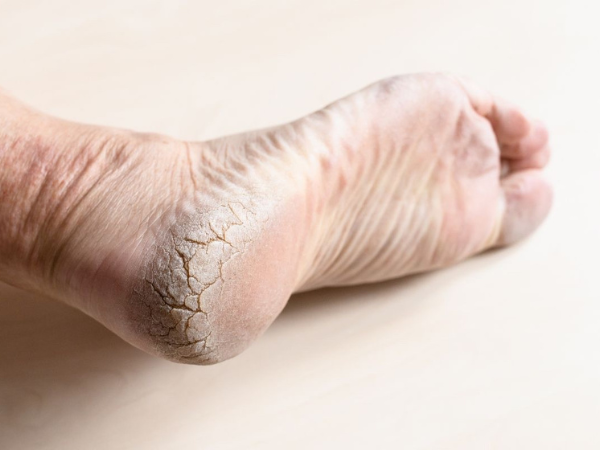
Cracked Heels Treatment in India
Cracked heels are splits in dry, thickened skin around the heel, usually a cosmetic nuisance, but in a diabetic foot, deep cracks (fissures) can open into wounds and become infected. At EDFC, dry, cracked feet are treated and a simple care routine is set up to keep the skin healthy.
What are cracked heels?
When the skin around the heel becomes very dry and thickened, it loses flexibility and splits under pressure, forming cracks called fissures. For most people these are uncomfortable and unsightly. In diabetes, however, the skin is often drier (partly due to nerve changes affecting sweating), and a deep crack can become an open wound, a potential entry point for infection in a foot that may not feel it.
Signs to watch for
- Dry, flaky, or thickened skin around the heels
- Visible cracks or splits in the heel
- Hard, yellowish skin at the heel edge
- Deep cracks that are painful or bleed
- Any crack showing signs of infection
When to see a doctor in India: if you have diabetes and deep, painful, or bleeding heel cracks, or any sign of infection, have them assessed promptly, as they can become wounds.
Why they happen
Dry skin, thickened heel calluses, open-backed footwear, prolonged standing, and reduced skin moisture all contribute. In diabetes, nerve changes that reduce natural skin oils make dryness and cracking more likely.
How EDFC treats cracked heels
- Skin reduction, safely reducing thickened heel skin (medical pedicure).
- Moisturising routine, the right creams and how to use them.
- Wound & infection care, treating deep, infected cracks.
- Prevention, footwear and daily care advice.
Browse all services or book a consultation.
quiz Frequently Asked Questions
Not sure what's wrong with your foot?
Send a photo on WhatsApp for an assessment, or book a consultation with Dr. Shah.
This page is for education only and is not a substitute for an in-person diagnosis. Please consult Dr. Ashutosh Shah or a qualified clinician for advice specific to your condition.