
Skin & Nail Disorders
Nail Deformities
Nails that have changed shape, whether curved, ridged, claw like or distorted after injury.
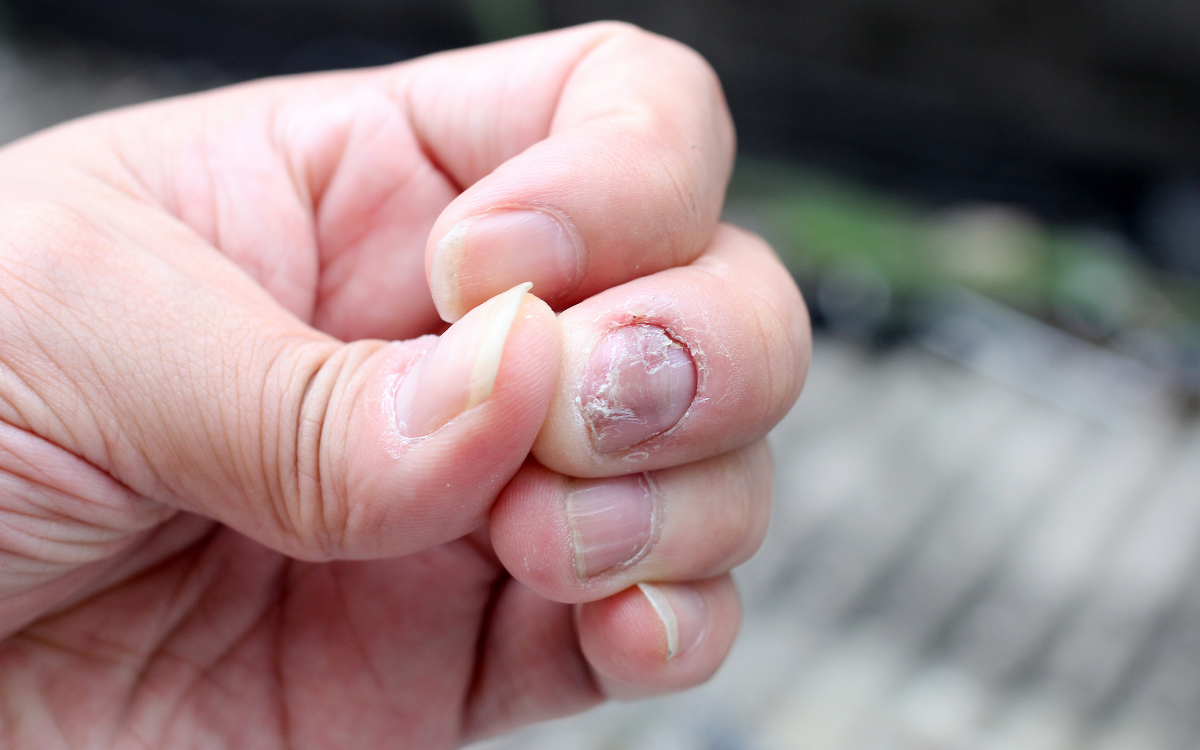
A deformed nail no longer sits flat against the toe. Wherever it presses or catches, pressure concentrates, and in a diabetic foot pressure is what breaks skin.
Key Takeaways
- Nail deformity means any change in shape that alters how the nail sits on the toe.
- Common types include ram's horn nails, pincer nails, ridged nails and split nails.
- The deformity itself matters less than where it creates pressure.
- Most can be managed with regular reduction, and some need permanent correction.
What Types of Nail Deformity Occur?
- Onychogryphosis: the ram's horn nail, thickened and curling over the toe
- Pincer nail: curving inward across the width and pinching the nail bed
- Ridged nails: longitudinal or transverse ridges, often following illness or injury
- Split nails: a plate divided lengthwise, usually after trauma to the matrix
- Retained or lifted nails: plates separating from the bed, leaving space for infection
Why Do Nails Deform in Diabetes?
Repeated small trauma is the main driver, and it goes unnoticed when sensation is reduced. Long standing fungal infection distorts the plate structure. Poor circulation slows the matrix, producing uneven growth. Occasionally, an old injury to the nail base leaves permanent change.
How Are Deformed Nails Treated?
Regular reduction is the mainstay. The nail is thinned and reshaped so it no longer presses into the surrounding skin, and edges are smoothed. For most patients, that alone prevents problems entirely when done every six to eight weeks.
Where a deformed nail keeps causing wounds, permanent removal of the nail or the offending portion is the definitive solution. Circulation is checked first, because healing after nail surgery depends on it.
Can Deformed Nails Grow Back Normal?
Sometimes. Where the cause is fungal infection or temporary illness, treating it allows a healthier nail to grow. Where the matrix itself is damaged, the deformity is permanent, and management focuses on keeping it safe rather than restoring appearance.
What Does Treatment Cost?
Routine reshaping forms part of a medical pedicure and is inexpensive. Permanent correction is a small day procedure, quoted after assessment with circulation testing included where indicated.
quiz Frequently Asked Questions
Not sure what's wrong with your foot?
Send a photo on WhatsApp for an assessment, or book a consultation with Dr. Shah.
This page is for education only and is not a substitute for an in-person diagnosis. Please consult Dr. Ashutosh Shah or a qualified clinician for advice specific to your condition.