
Skin & Nail Disorders
Callus
A callus is thickened skin that forms in response to pressure or friction. In a numb diabetic foot, callus marks a high-pressure spot and frequently hides or precedes an ulcer beneath it.
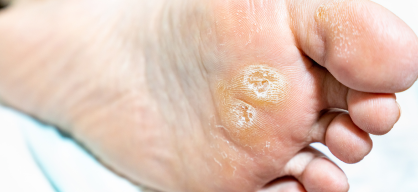
Foot Callus Removal in India
A callus is a build-up of hard, thickened skin where the foot takes repeated pressure, and in a diabetic foot it is an important early warning sign, because an ulcer often forms underneath it. At EDFC, calluses are safely removed and, crucially, the pressure causing them is addressed.
What is a callus?
A callus forms when skin thickens to protect itself from repeated friction or pressure, typically on the sole or under the ball of the foot. In most people it's harmless. But in a diabetic foot, a callus concentrates pressure on the tissue beneath it, and a wound can quietly develop under the hard skin, making an untreated callus a recognised step toward an ulcer.
Signs to watch for
- An area of thick, hard, yellowish skin
- Calluses on the sole, heel, or ball of the foot
- A callus that is darkening or has a spot within it
- Tenderness or a wound forming under hard skin
- Calluses that keep returning at the same spot
When to see a doctor in India: if you have diabetes, don't cut or use acid removers on a callus, have it removed professionally, and have any darkening or wound beneath it checked promptly.
Why they form
Calluses come from repeated pressure or friction, often from foot shape, deformity, or footwear. A callus that keeps returning signals an ongoing pressure problem that should be addressed, not just trimmed.
How EDFC treats a callus
- Safe removal, professional debridement of hard skin (medical pedicure).
- Checking underneath, looking for any wound hidden beneath the callus.
- Pressure relief, insoles and footwear to stop it returning.
- Cause assessment, addressing deformity driving the callus.
Browse all services or book a consultation.
quiz Frequently Asked Questions
Not sure what's wrong with your foot?
Send a photo on WhatsApp for an assessment, or book a consultation with Dr. Shah.
This page is for education only and is not a substitute for an in-person diagnosis. Please consult Dr. Ashutosh Shah or a qualified clinician for advice specific to your condition.