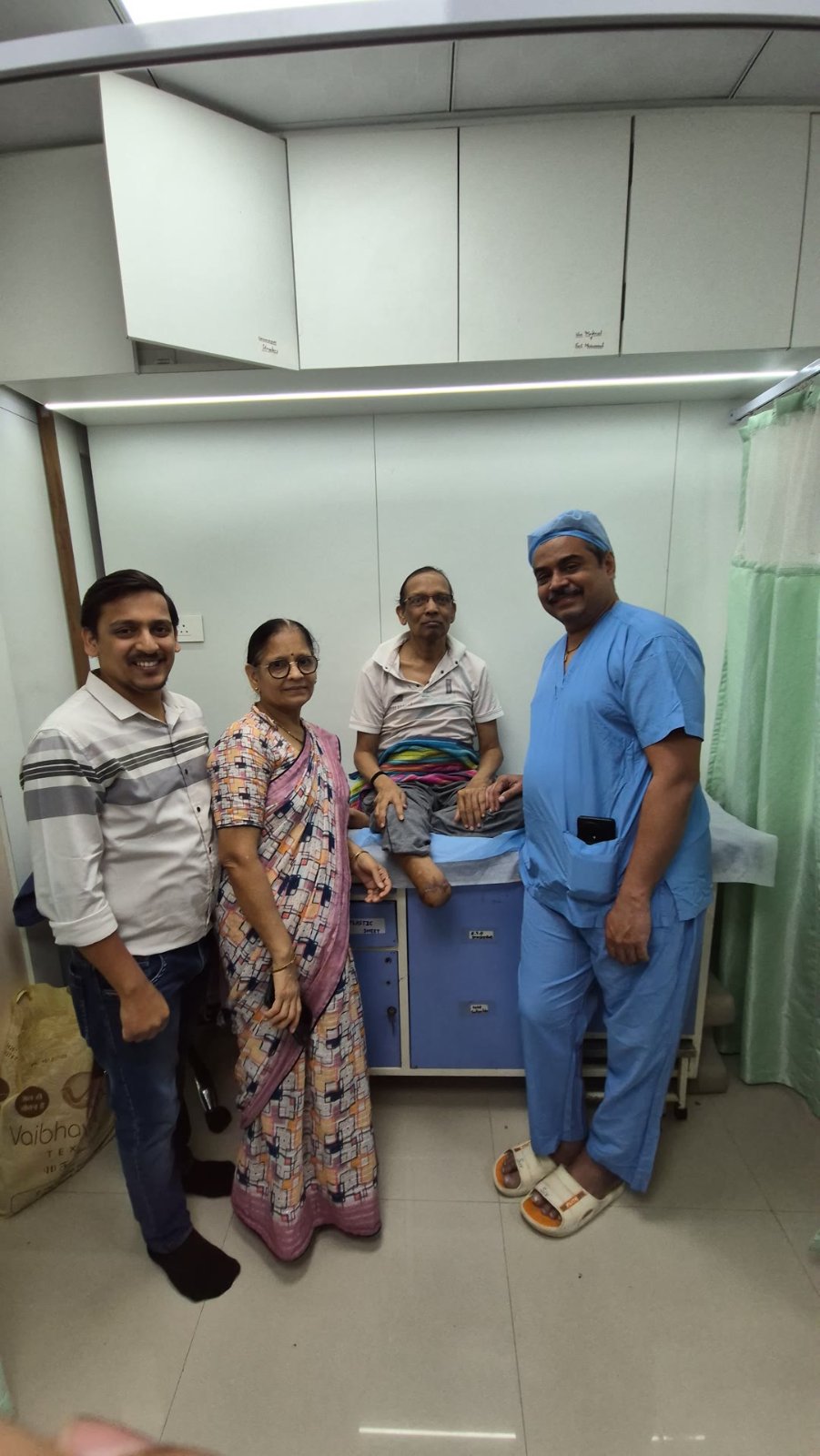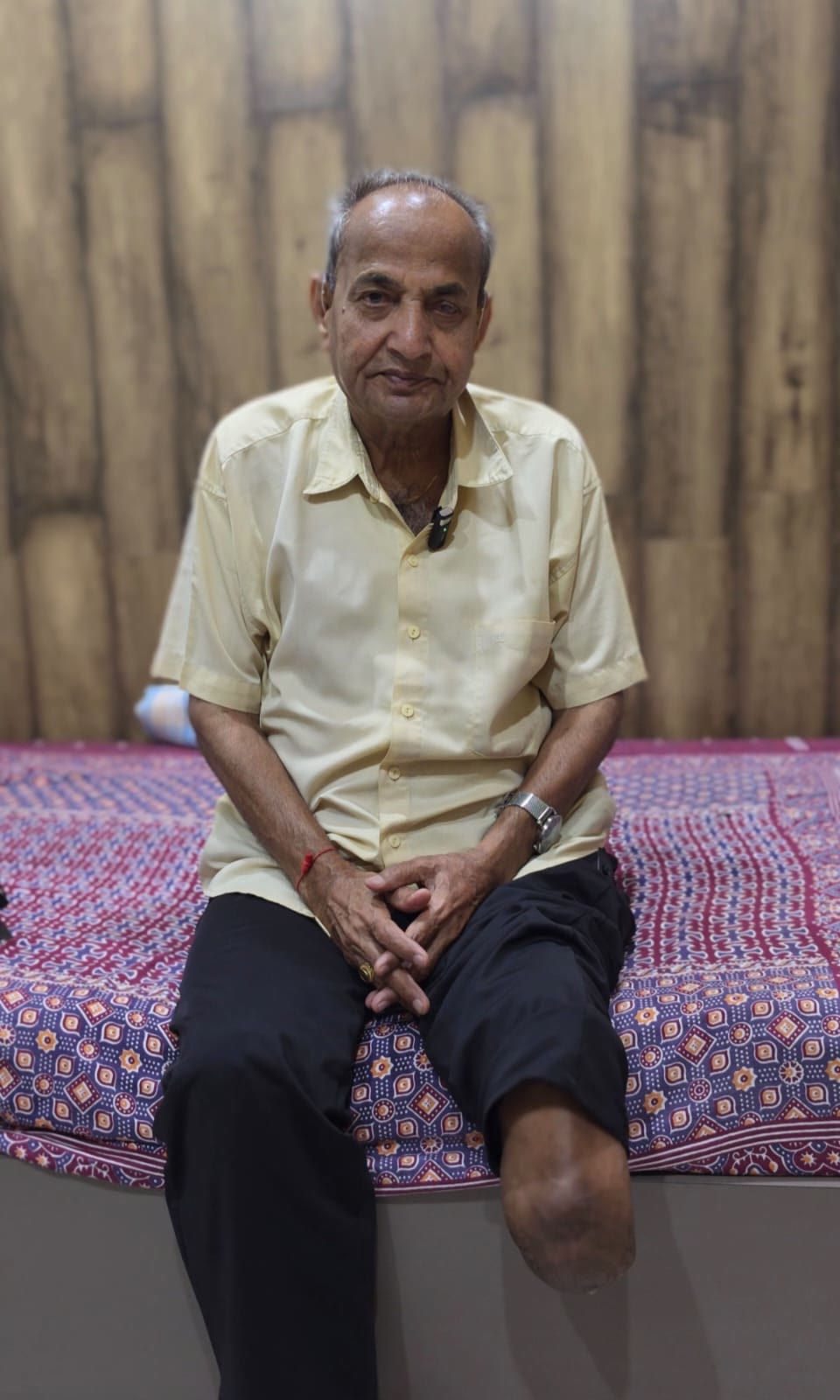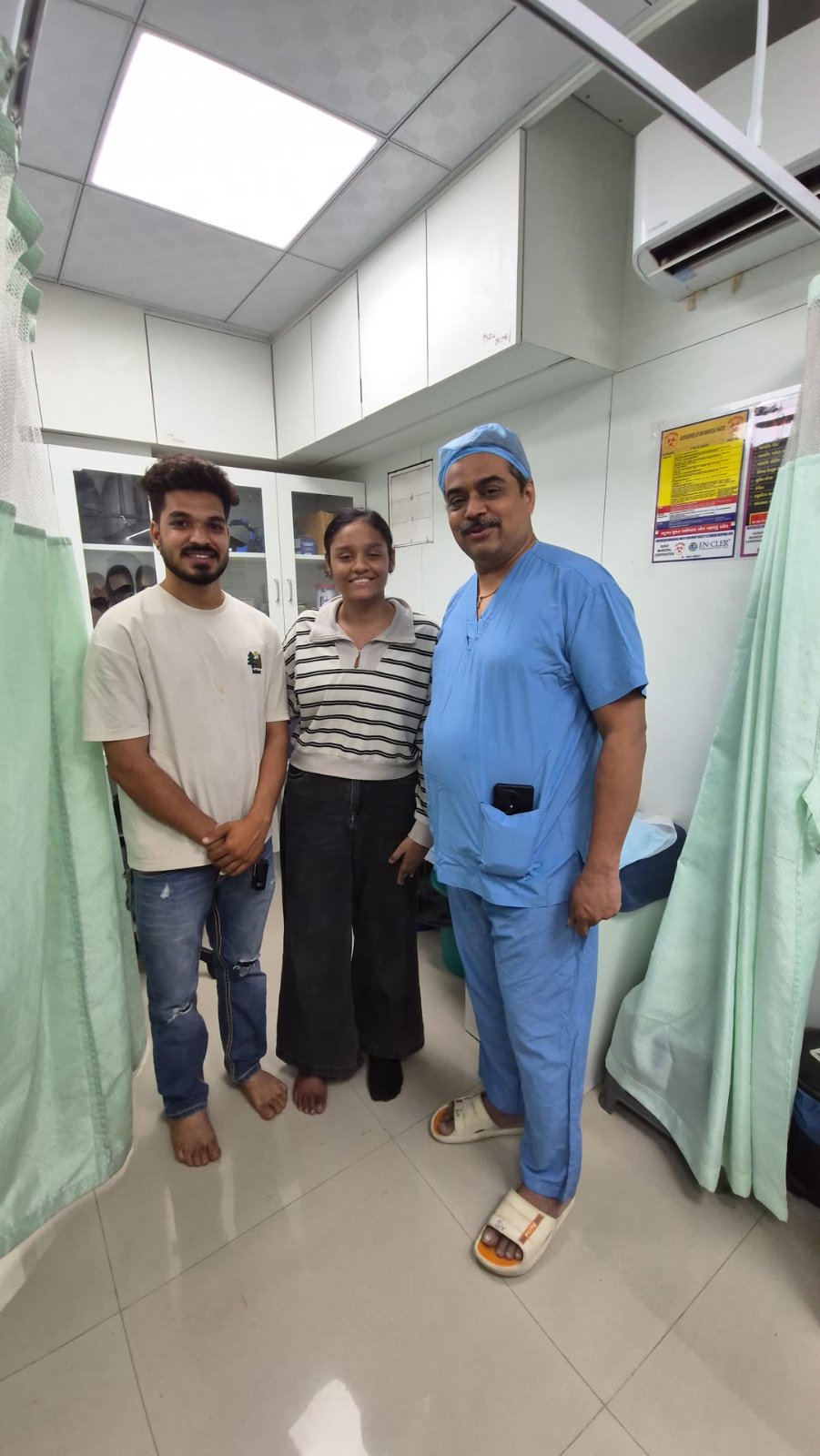
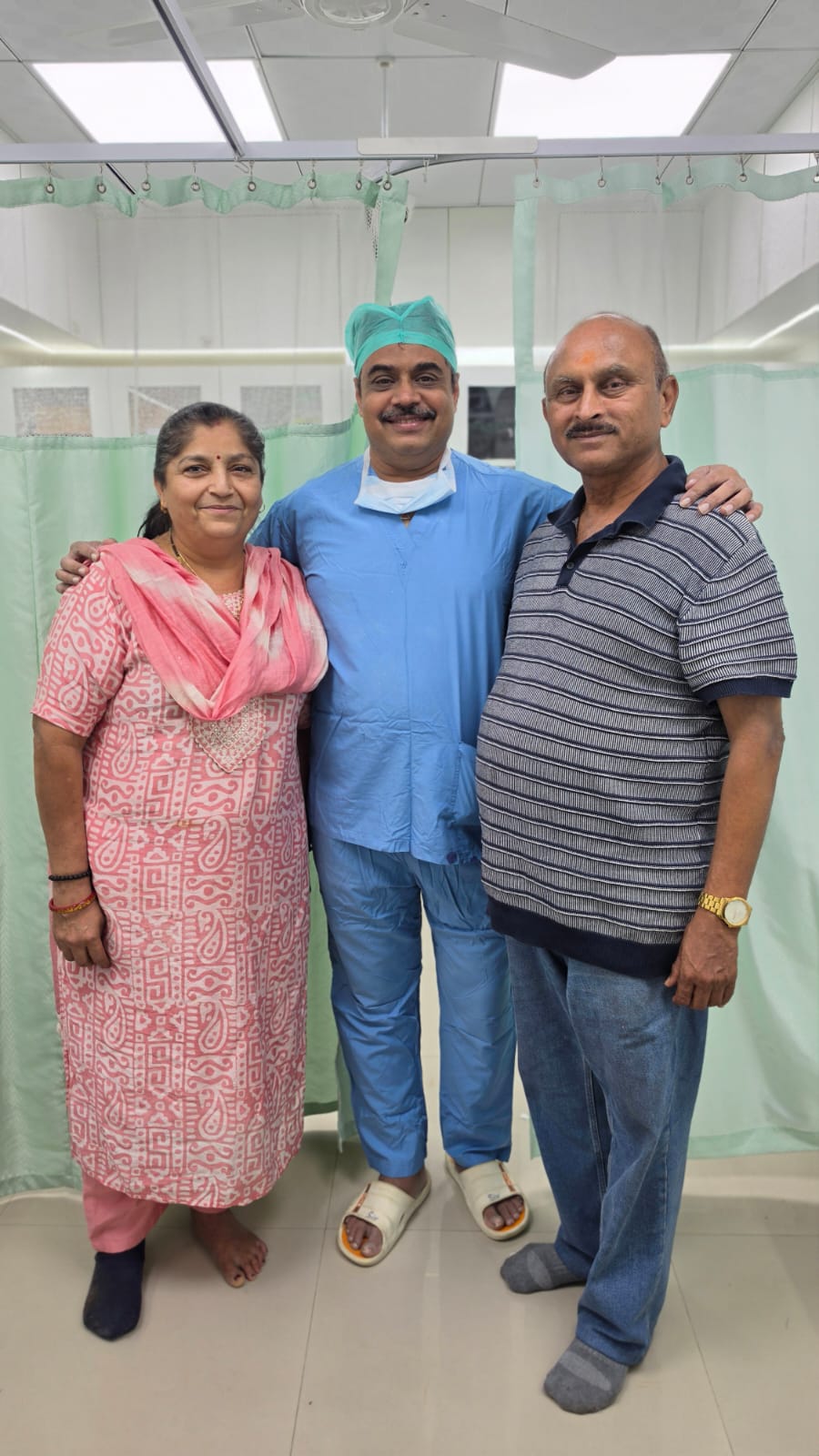
Bhavnaben's diabetic foot ulcer healed with wound cleaning, modern dressings and off-loading under Dr. Ashutosh Shah at EDFC Surat. She was happy with the result and the calm, friendly care.
Bhavnaben came to Elegance Diabetic Foot & Ulcer Clinic (EDFC), Surat, with a diabetic foot ulcer. Dr. Ashutosh Shah, plastic surgeon and diabetic foot specialist, assessed the wound, cleaned it, used modern dressings and off-loaded pressure from the ulcer. With regular follow-ups, the ulcer improved steadily and healed well.
Presentation
Bhavnaben came to the clinic with a diabetic foot ulcer that needed careful medical management and regular wound care. In diabetes, reduced feeling and slower healing mean even a small foot wound needs proper attention to stop it from getting worse.
Treatment at EDFC
- Detailed assessment: Dr. Ashutosh Shah examined the ulcer and the foot to plan the right treatment.
- Wound cleaning: the ulcer was cleaned to keep it free of infection and ready to heal, as part of our wound care.
- Modern dressings: dressings suited to the wound were used and changed at each visit.
- Off-loading: pressure was taken off the ulcer so new tissue could form. Read more about footwear and off-loading.
- Regular follow-ups: progress was checked at every visit, with clear home-care instructions in between.
Outcome
With this step-by-step care, the ulcer showed steady improvement and healed well. Bhavnaben was very happy with the result. She also shared that Dr. Ashutosh Shah's calm and friendly nature made her feel at ease throughout her treatment.
Why this approach helps diabetic foot ulcers
Many diabetic foot ulcers heal when three things happen together: the wound is kept clean, it is covered with the right dressing, and pressure is kept off it. Missing any one of these can slow healing. Our Bye-Bye Ulcer Program is built around this approach, along with foot care education to prevent new ulcers.
Questions about diabetic foot ulcer healing
Can a diabetic foot ulcer heal without surgery?
Many ulcers heal with regular wound cleaning, the right dressings, off-loading and good blood sugar control. Deep infection, dead tissue or poor blood flow may need debridement or surgery. A doctor decides after examining the wound.
How long does a diabetic foot ulcer take to heal?
It depends on the ulcer's size and depth, infection, blood flow and sugar control. Many ulcers take several weeks to a few months. Regular follow-up visits help track progress and change the plan if needed.
What is off-loading?
Off-loading means taking weight and pressure off the ulcer using special footwear, a cast, a walker or padding. Walking on an ulcer keeps damaging the new tissue, so off-loading is a key part of healing.
When should I see a doctor for a foot wound?
See a doctor soon if a foot wound does not improve in a few days, or if you notice redness, swelling, discharge, a bad smell, black skin or fever. People with diabetes may not feel pain, so check your feet every day.
Medically reviewed by Dr. Ashutosh Shah, plastic surgeon and diabetic foot specialist, Elegance Diabetic Foot & Ulcer Clinic, Surat.
Have a foot wound that is not healing? Book a consultation with Dr. Ashutosh Shah or read more patient stories.
Every patient is different. Results depend on the condition, its stage and overall health. Shared with the patient's consent. If you have a diabetic foot wound, please have it assessed in person. Send a photo on WhatsApp or book a consultation.