
Nail Trimming
Safe, straight nail cutting for diabetic feet, including thick, brittle and hard to reach nails.
Key Takeaways
- Diabetic nails should be cut straight across, never curved into the corners.
- A single nick during home trimming can start an ulcer, because numb feet feel nothing.
- Thickened and fungal nails are reduced gradually in the clinic rather than forced.
- Most patients need trimming every six to eight weeks at our Surat clinic.
Why Does Nail Trimming Matter So Much in Diabetes?
Because the nail is a common starting point for serious trouble. When a corner is cut too deep, the skin beside it breaks. In a foot with reduced sensation and slow healing, that tiny opening can become an infected ulcer within days, and the patient often has no pain to warn them.
Additionally, many people with diabetes cannot reach their feet comfortably. Poor eyesight, a stiff back or a large abdomen all make self trimming risky, so the cut lands where it should not.
How Are Diabetic Nails Cut Correctly?
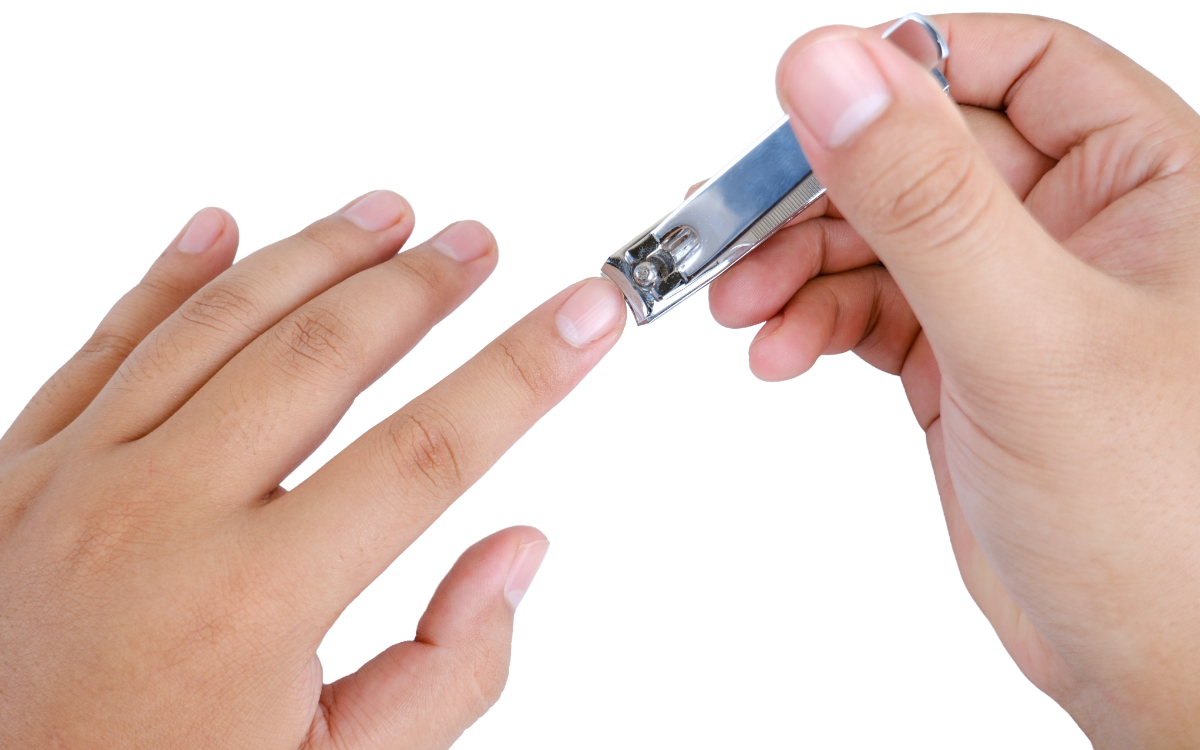
Nails are trimmed straight across, level with the tip of the toe, then filed so no sharp edge remains. Corners are left alone deliberately, since digging into them is exactly how ingrown toenails form. Thick nails are thinned in stages, which relieves the pressure under the nail without cracking the nail plate.
- Sterile instruments, changed and sterilised after every patient
- Straight cuts with smooth filing, never rounded corners
- Gradual reduction of thick or fungal nails
- Ingrown edges treated properly instead of dug out
- A quick check of the surrounding skin at the same time
Who Should Not Cut Their Own Nails?
Stop self trimming if you have numbness, poor vision, thick nails, a previous ulcer, or take blood thinners. Family members often help, though they usually have no training either. Consequently, professional trimming is safer and takes only a few minutes.
What Does It Cost and How Often Is It Needed?
Nail trimming is usually included in a full medical pedicure session, which keeps it affordable. Most patients come every six to eight weeks, though thicker nails grow back sooner. Charges are confirmed before the session starts.
What Happens If a Nail Is Already Ingrown or Infected?
Do not wait. Redness, swelling or discharge beside a nail needs treatment the same week, because infection travels quickly in a diabetic toe. Our team treats the nail edge, clears the infection, and where the problem keeps returning, a small procedure prevents it recurring for good.