
Foot Hygiene
Practical cleaning, drying and skin care routines that suit diabetic feet.
Key Takeaways
- Wash diabetic feet daily in lukewarm water, never hot, since burns are common when sensation is reduced.
- Dry carefully between the toes, because trapped moisture invites fungal infection.
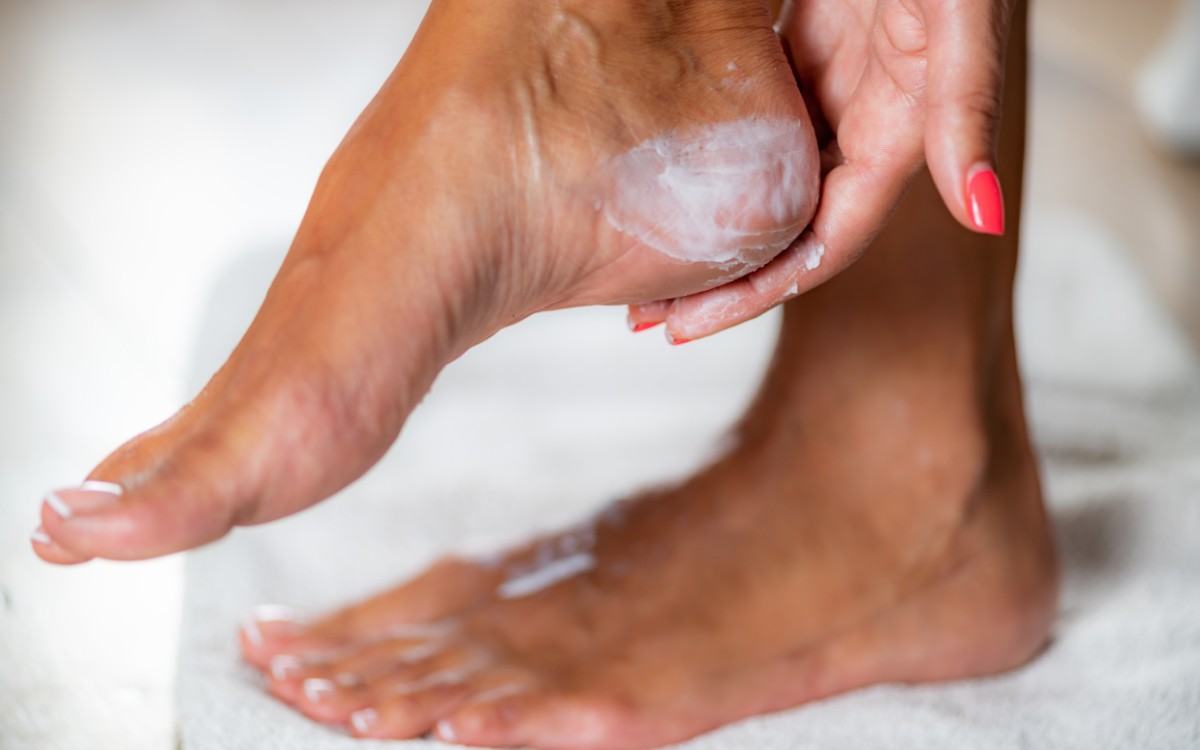
- Moisturise the top and sole, but never between the toes.
- A daily two minute foot check finds problems while they are still easy to treat.
Why Does Foot Hygiene Deserve Clinical Attention?
Because most diabetic foot problems start small and silent. A crack between the toes, a damp patch of fungus or a tiny blister rarely feels like anything. Given reduced circulation, each of these can become an infection that takes months to settle.
Good hygiene costs nothing and prevents a great deal. Still, the details matter, and many patients do the right things in slightly the wrong way.
What Does the Clinic Session Include?
Feet are cleaned properly, skin folds and toe webs are inspected, and any fungal or damp area is treated. Meanwhile, we go through your routine at home and adjust whatever is causing problems, whether that is hot water, harsh soap or moisturiser applied in the wrong place.
How Should Diabetic Feet Be Washed at Home?
Use lukewarm water and check the temperature with your elbow or a thermometer, never your foot. Wash gently with mild soap, then dry with a soft towel, paying particular attention to the spaces between the toes. Avoid long soaking, since softened skin tears more easily.
- Wash daily, lukewarm water only
- Dry thoroughly between every toe
- Moisturise the sole and top of the foot
- Leave the skin between the toes dry
- Change socks daily and choose cotton where possible
What Should You Look for During a Daily Check?
Look for redness, blisters, cuts, colour change, swelling and any warm area. Use a mirror on the floor if bending is difficult, and ask a family member when eyesight is poor. Report anything new the same week rather than waiting.
When Does a Hygiene Problem Need Treatment?
Persistent itching, peeling or white soggy skin between the toes usually means fungal infection, which needs proper treatment rather than powder alone. Similarly, a cracked heel that reaches deep needs clinical care, since it is effectively an open wound. Both are treated at our Surat clinic, alongside your regular medical pedicure.