
Equipment Procurement Guidance
Guidance on what equipment to buy, what to postpone, and what not to buy at all.
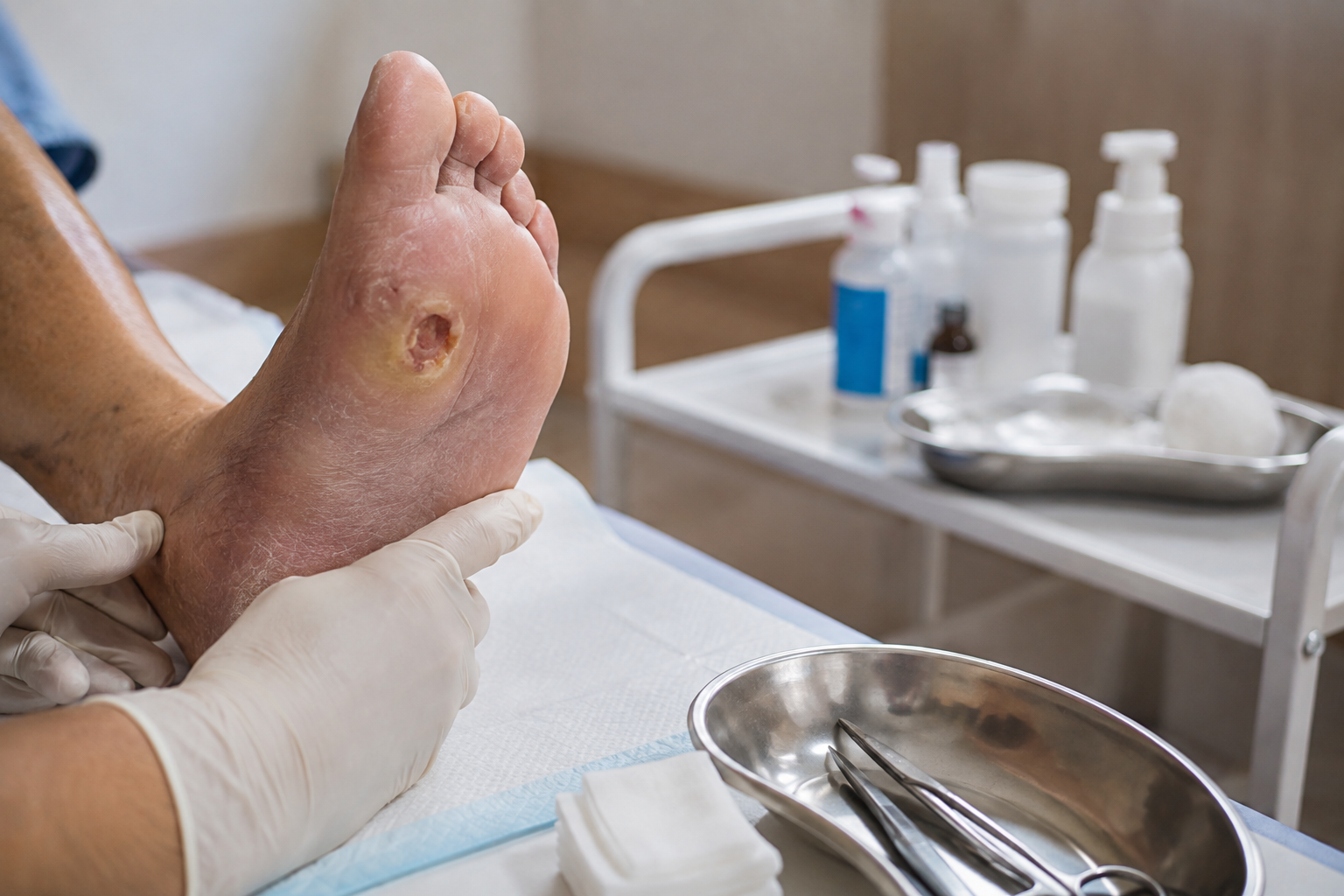
Key Takeaways
- Screening and dressing equipment serves every patient and comes first.
- Advanced therapy devices should wait until volume justifies them.
- Service support and consumable availability matter as much as the device.
- Underused equipment is the most common avoidable cost in a new clinic.
What Should Be Bought First?
- Neuropathy and vascular screening tools, which every patient needs
- Dressing and debridement instruments with proper sterilisation capability
- Casting and offloading materials
- Pressure measurement capability
- Basic wound photography and measurement facilities
- Examination furniture allowing safe foot access
What Can Wait?
Most of the impressive equipment. Negative pressure systems, laser devices and advanced regenerative platforms all have genuine uses and none of them justify their cost in the first months of a clinic that sees a handful of patients weekly.
The honest advice is usually to delay. A device idle for six months has cost more than the training and marketing that money would have funded.
What Is Commonly Bought Badly?
Equipment purchased without checking service support or consumable supply. A device that cannot be repaired locally, or whose consumables take weeks to arrive, becomes an ornament regardless of quality. Local support is checked before purchase, not afterwards.
How Does the Guidance Work?
Specifications are provided for each category with sensible ranges rather than a single mandated product, so you can buy locally and negotiate. Where network scale helps with pricing, that is used, though the choice remains yours.
Priorities are set alongside clinic setup planning so purchases match the space and workflow.
What Does It Cost?
The guidance itself is included within the franchise arrangement. Equipment cost depends entirely on the scope you choose and is estimated during planning.
What Should Be Bought Second?
Once the clinic is running, purchases follow the caseload rather than a plan written at launch. A centre seeing many chronic wounds may justify negative pressure equipment within a year, while one focused on prevention and screening may never need it.
Reviewing this annually against audit data keeps spending honest, since the numbers show which patients you actually see rather than which ones you expected.