Wound Treatment: How Non-Healing Wounds Are Treated and Healed
Wound treatment aims to find why a wound is not healing and then close it safely, using cleaning and debridement, infection control, advanced dressings, restoring blood flow, offloading pressure, and therapies such as PRP or VAC. Most non-healing wounds heal well with early, expert wound care.
A wound that will not heal is not just slow, it is stuck, and it needs the right treatment rather than more time. This guide explains the types of wounds that need specialist care, the treatment options available, how the right plan is chosen, and when to see an expert doctor.
What is wound treatment?
Wound treatment is the structured medical care used to heal a wound, from simple cleaning and dressing to advanced therapies and surgery. Modern wound treatment does not just cover a wound, it removes whatever is blocking healing and then actively supports the tissue to close.
For chronic or non-healing wounds, this is delivered as a complete plan rather than a single dressing. At EDFC it forms the core of non-surgical wound management.
What types of wounds need specialist treatment?
Any wound that is deep, infected, or failing to heal needs specialist wound treatment. These are the wounds most commonly managed at a dedicated wound care clinic.
- Diabetic foot ulcers and other diabetic wounds.
- Venous and arterial leg ulcers, treated at the non-diabetic ulcer clinic.
- Pressure ulcers (bedsores) in immobile patients.
- Traumatic and accident wounds that will not close.
- Surgical wounds that have reopened or become infected.
- Wounds with exposed bone or tendon, or with gangrene.
Why do some wounds not heal?
A wound fails to heal when something interrupts the normal repair process. Identifying that cause is the most important step in wound treatment, because dressings alone will not fix it.
- Infection, including biofilm on the wound surface.
- Poor blood supply, so the wound lacks oxygen and healing cells.
- Dead or unhealthy tissue in the wound bed.
- Continued pressure or repeated injury to the area.
- Diabetes and high blood sugar, which slow healing and immunity.
- Poor nutrition or other medical conditions.
What are the main wound treatment options?
Wound treatment usually combines several methods, chosen to match the wound. The table below shows the main options used in modern wound care.
| Treatment | What it does |
|---|---|
| Debridement | Removes dead and infected tissue to create a healthy wound bed |
| Infection control | Clears bacteria with antibiotics and antimicrobial dressings |
| Advanced dressings | Foam, hydrogel, alginate, collagen and silver dressings to speed healing |
| PRP and PRF therapy | Uses your own platelets to stimulate tissue repair |
| VAC or NPWT | Vacuum dressing that removes fluid and grows new tissue |
| Restoring blood flow | Vascular treatment so the wound can heal |
| Skin graft or flap surgery | Rebuilds skin over large or deep wounds |
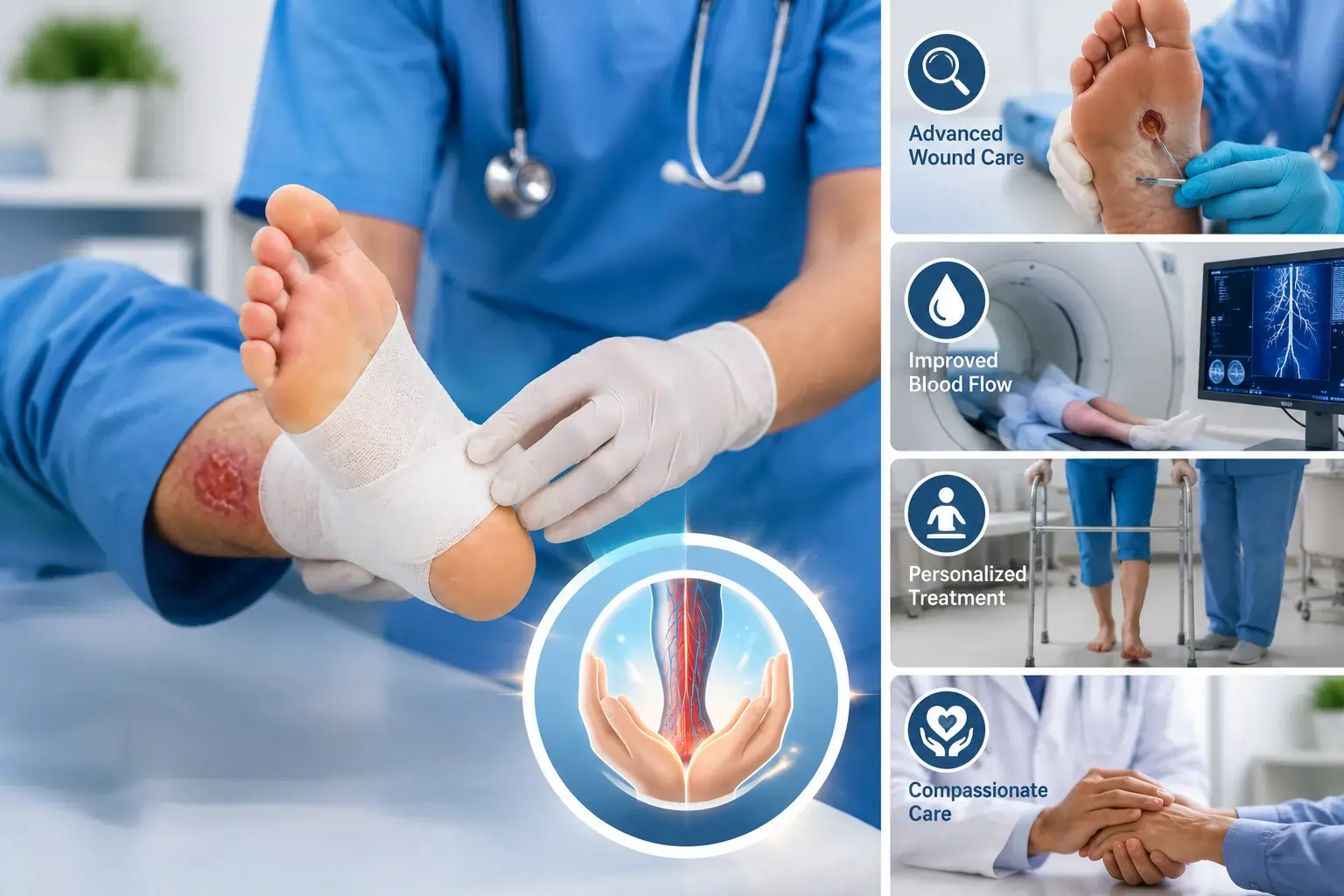
Most of these are delivered through wound care and debridement and advanced therapies, with surgery reserved for wounds that need reconstruction.
How is the right wound treatment chosen?
The right wound treatment is chosen after assessing the wound and the patient, not from the wound's appearance alone. The specialist checks the tissue in the wound bed, the amount of fluid, signs of infection, and crucially the blood supply to the area.
This is done through a full assessment and diagnostics, and where circulation is poor, vascular treatment is arranged first so the wound can actually heal. The plan is then reviewed and changed as the wound improves.
What is advanced wound care?
Advanced wound care means using modern materials and therapies that actively promote healing, instead of simple gauze that only covers the wound. It is the standard for chronic and complex wounds.
The principles are well established in the medical literature. A review of chronic wound healing and current management (NCBI) describes the core approach: prepare the wound bed through debridement, control infection and inflammation, maintain the right moisture balance, and support the wound edge to close.
When should you see an expert doctor for a wound?
See a wound specialist if a wound has not clearly improved within two to four weeks, or sooner if there are signs of infection. Early expert treatment prevents complications and gives the best chance of healing.
- A wound that is the same size or larger after two weeks.
- Redness, warmth, swelling, pus, or a bad smell.
- Black or darkened tissue around the wound.
- Increasing pain, or fever and feeling unwell.
- You have diabetes or poor circulation and any wound at all.
Can wound treatment be done at home?
Yes, much of wound care can continue at home once a specialist has set the plan. Dressing changes, offloading, and monitoring are often managed at home between clinic reviews, which is more comfortable and practical for most patients.
EDFC supports this through home dressing services, teleconsultation and follow-up programs. However, the initial assessment, debridement, and any change in the plan should always be done by an expert doctor.
What if the wound is infected?
An infected wound needs prompt treatment, because infection is the fastest route to serious complications and limb loss. Treatment combines removing infected tissue, targeted antibiotics, and antimicrobial dressings.
If infection reaches the bone, it requires specialised care, which is handled through infection management including osteomyelitis and cellulitis treatment. Never wait on a wound with pus, spreading redness, or fever.
How much does wound treatment cost in India?
The cost of wound treatment in India depends on the wound size, its cause, the therapies used, and how long treatment is needed, so an accurate price is given after assessment. Simple dressings cost far less than advanced therapies or surgery.
Treating a wound early is almost always cheaper than treating an advanced, infected wound later, which is why prompt care is cost-effective as well as safer.
Where can you get expert wound treatment near you?
Expert wound treatment is available at Elegance Diabetic Foot & Ulcer Clinic, with centres in Surat, Gujarat and Vizianagaram, Andhra Pradesh, and patients travelling from across India. Many people search for wound treatment near me only once a wound is advanced, when earlier care would have been simpler and cheaper.
Because outcomes depend on how quickly the cause is found, choose a clinic with full assessment, vascular, and surgical capability rather than dressing-only care. You can find centre details on the OPD centers page.
Wound treatment at Elegance Diabetic Foot & Ulcer Clinic
EDFC is India's first chain of clinics dedicated to foot and wound care, led by Dr. Ashutosh Shah, M.S., M.Ch, a plastic and reconstructive surgeon with over 22 years of experience in limb salvage. The clinic offers the full range of wound treatment under one roof, from debridement, advanced dressings, PRP and NPWT to reconstructive surgery and diabetic foot surgery when needed. The goal is always to heal the wound and save the limb.
Book expert wound treatment
If a wound is not healing, do not wait for it to worsen. Book a consultation with Elegance Diabetic Foot & Ulcer Clinic, or send a photo of the wound on WhatsApp for quick guidance on your next step.
This article is for general education only and is not a substitute for professional medical advice, diagnosis, or treatment. Please consult Dr. Ashutosh Shah or a qualified specialist about your individual wound.
quiz Frequently Asked Questions
This article is general education, not a diagnosis. If you have a diabetic foot wound, please have it assessed in person. Send a photo on WhatsApp or book a consultation.
About the Author
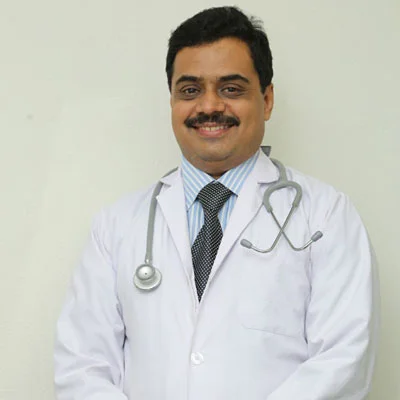
Dr. Ashutosh Shah, Plastic, Reconstructive & Diabetic Foot Surgeon, Elegance Diabetic Foot & Ulcer Clinic, Surat
Dr. Ashutosh Shah is a board certified plastic and reconstructive surgeon with over 22 years of experience and more than 10,000 limbs and feet saved. He founded Elegance Diabetic Foot & Ulcer Clinic, India's first chain of clinics dedicated to foot care, with centres in Surat and OPD partners across South Gujarat. He is known for a limb first approach, safe wound care and ethical, natural results.