PRP for diabetic foot ulcers does it work is a question we hear every week at EDFC, and the honest answer is yes, in selected cases. Platelet rich plasma can speed the healing of small to moderate ulcers when infection is controlled, blood supply is adequate, and pressure is taken off the wound.
Key Takeaways
- PRP is an add-on therapy for diabetic foot ulcers, not a replacement for infection control, circulation repair, or offloading.
- Platelet rich plasma is prepared from the patient's own blood, therefore allergic reaction and rejection are extremely rare.
- PRP works best on clean, non-infected wounds that have stalled for four weeks or more despite standard dressings.
- An ulcer with poor blood supply will not heal with PRP alone, so circulation must be checked first.
- International diabetic foot guidelines treat platelet rich plasma as an optional adjunct, because the published evidence is still limited.
- Most Indian patients need three to six sessions, spaced roughly one to two weeks apart.
Table of Contents
- What is PRP and how does it work on a wound?
- Does PRP actually heal diabetic foot ulcers?
- Who is a good candidate for PRP?
- How is PRP done at EDFC?
- What does PRP cost in India?
- What PRP cannot do
- When should you see a doctor?
- Why patients across India choose EDFC
What is PRP and how does it work on a wound?
PRP is a concentrate of your own platelets, prepared by spinning a small sample of your blood in a centrifuge. Platelets carry growth factors that signal repair. Therefore, placing that concentrate into a stalled ulcer gives the wound bed a stronger biological push to build new tissue.
Platelet rich plasma (PRP): a concentrated portion of your own blood plasma that carries a high number of platelets and their healing growth factors.
A healthy wound moves through clear stages, namely cleaning, tissue building, and closure. In diabetes, however, that sequence stalls. High sugar, nerve damage, and weak circulation slow the arrival of repair cells. As a result, an ulcer that should close in six weeks can sit open for months.
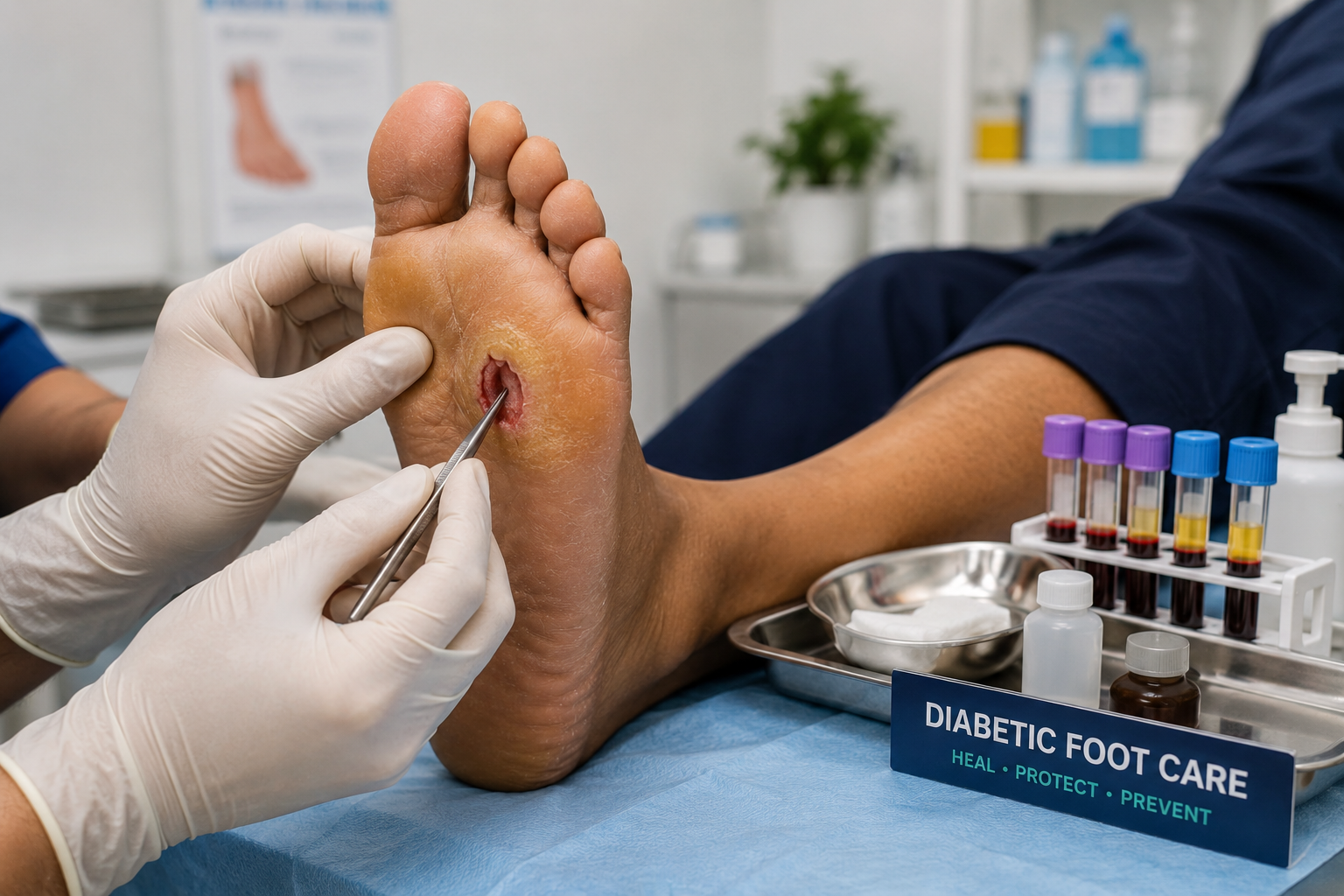
Diabetic foot ulcer: an open wound on the foot of a person with diabetes, usually caused by nerve damage, repeated pressure, and reduced blood supply.
PRP addresses one part of that problem. It delivers concentrated growth signals directly where they are missing. Meanwhile, the other blockages, such as infection or blocked arteries, still need their own treatment. You can read more on our diabetic foot ulcer condition page.
Does PRP actually heal diabetic foot ulcers?
PRP genuinely helps a specific group of wounds. For clean, shallow to moderate ulcers with reasonable blood flow, it can shorten healing time and improve the quality of the wound bed. However, international diabetic foot guidelines classify it as an adjunct rather than a first line treatment, because study numbers remain small.
In our experience at EDFC, the wounds that respond are fairly predictable. Above all, they are ulcers where the basics have already been fixed. Sugar control is improving, dead tissue has been removed, and the patient is genuinely staying off the foot. Similarly, wounds that fail PRP usually fail for a reason that has nothing to do with PRP.
Therefore the right question is not whether PRP is powerful. Instead, ask whether your ulcer is the type PRP can actually help.
Who is a good candidate for PRP?
Good candidates have a clean, non-infected ulcer that has refused to shrink for four weeks or more, along with adequate blood supply to the foot. In addition, they must be able to offload the wound. Patients with spreading infection, wet gangrene, or exposed bone need surgical treatment first.
Before recommending platelet rich plasma, our team checks:
- Blood flow, using pulse examination and Doppler studies
- Infection status, including any bone involvement
- HbA1c, kidney function, haemoglobin, and nutrition
- Platelet count and any known bleeding disorder
- Whether the patient can realistically stay off the foot
Peripheral artery disease: narrowing or blockage of the leg arteries that reduces blood flow to the foot and slows wound healing.
Circulation deserves special attention. If the arteries are blocked, no biological therapy will rescue the wound, because the growth factors cannot reach the tissue that needs them. For this reason, our circulation assessment and treatment always comes before PRP is planned.
How is PRP done at EDFC?
The session is short and done within the clinic. First, a small blood sample is drawn from your arm. Next, that sample is spun to separate the platelet rich layer. Finally, the concentrate is injected around the ulcer margins and laid over the wound bed, then covered with a suitable dressing.
Before the session
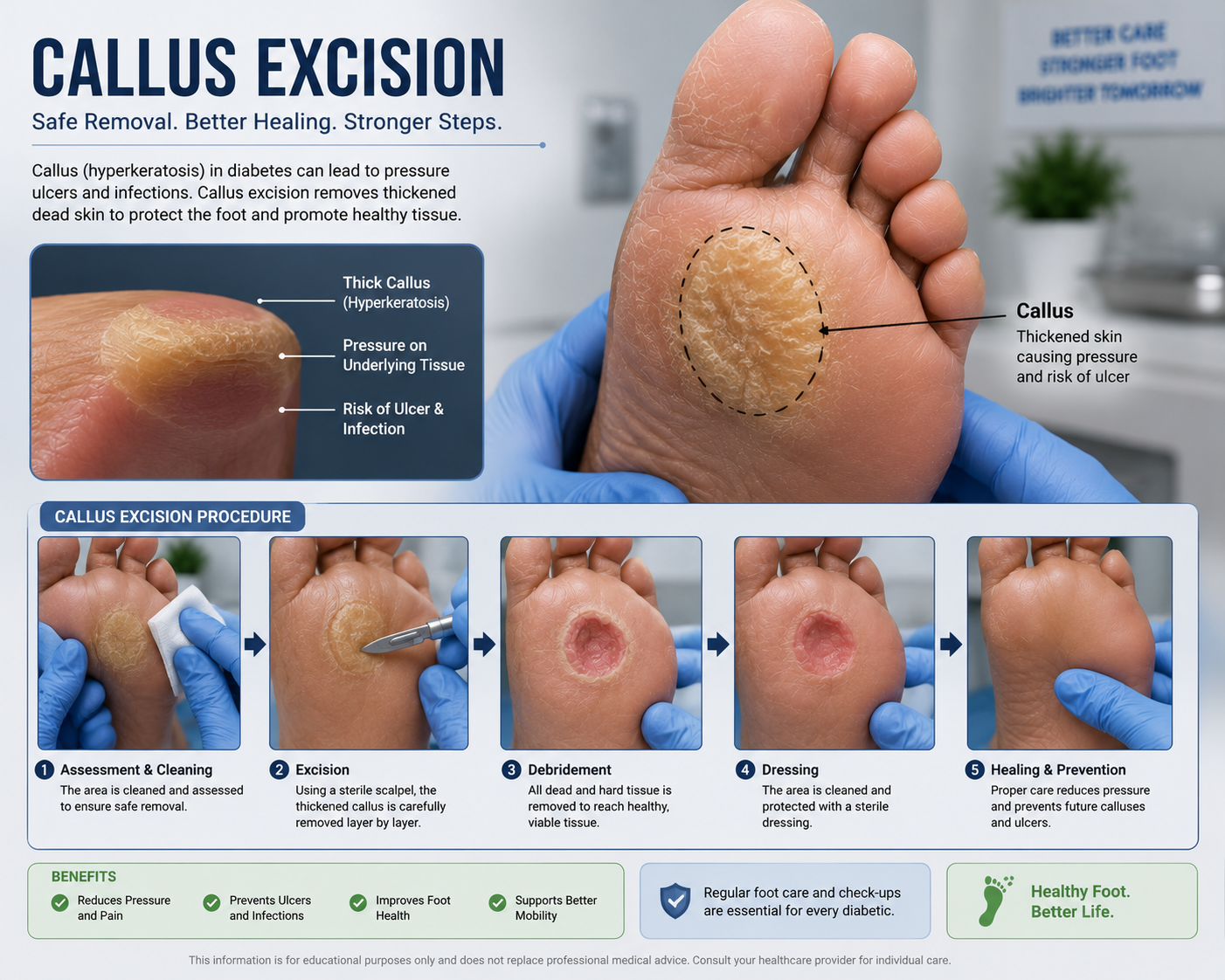
Debridement comes first, since PRP cannot work under slough or dead tissue. Meanwhile, dressings are chosen to keep the wound moist and clean. Our advanced wound care without surgery programme combines these steps into one plan.
After the session
Most patients walk out the same day with a protective dressing. Mild soreness for a day is common, however severe pain, fever, or fresh discharge should be reported immediately. We review the wound at every visit and measure it, because measurement, not impression, tells us whether the therapy is earning its place.
What does PRP cost in India?
Most Indian centres charge a few thousand rupees per session, so a course of three to six sittings typically reaches the low tens of thousands. In addition, expect costs for debridement, dressings, investigations, and footwear. Prices vary by city and by the type of PRP kit used.
Ask for a written estimate that covers the entire treatment plan. Otherwise, a low per-session price can hide a much larger total. At EDFC we quote the full pathway upfront, and outstation patients receive a plan they can follow at home between visits.
What PRP cannot do
Plenty of patients arrive after months of injections into a wound that was never going to close. PRP cannot drain an abscess, remove infected bone, or open a blocked artery. Similarly, it cannot beat the pressure of walking on the ulcer every single day.
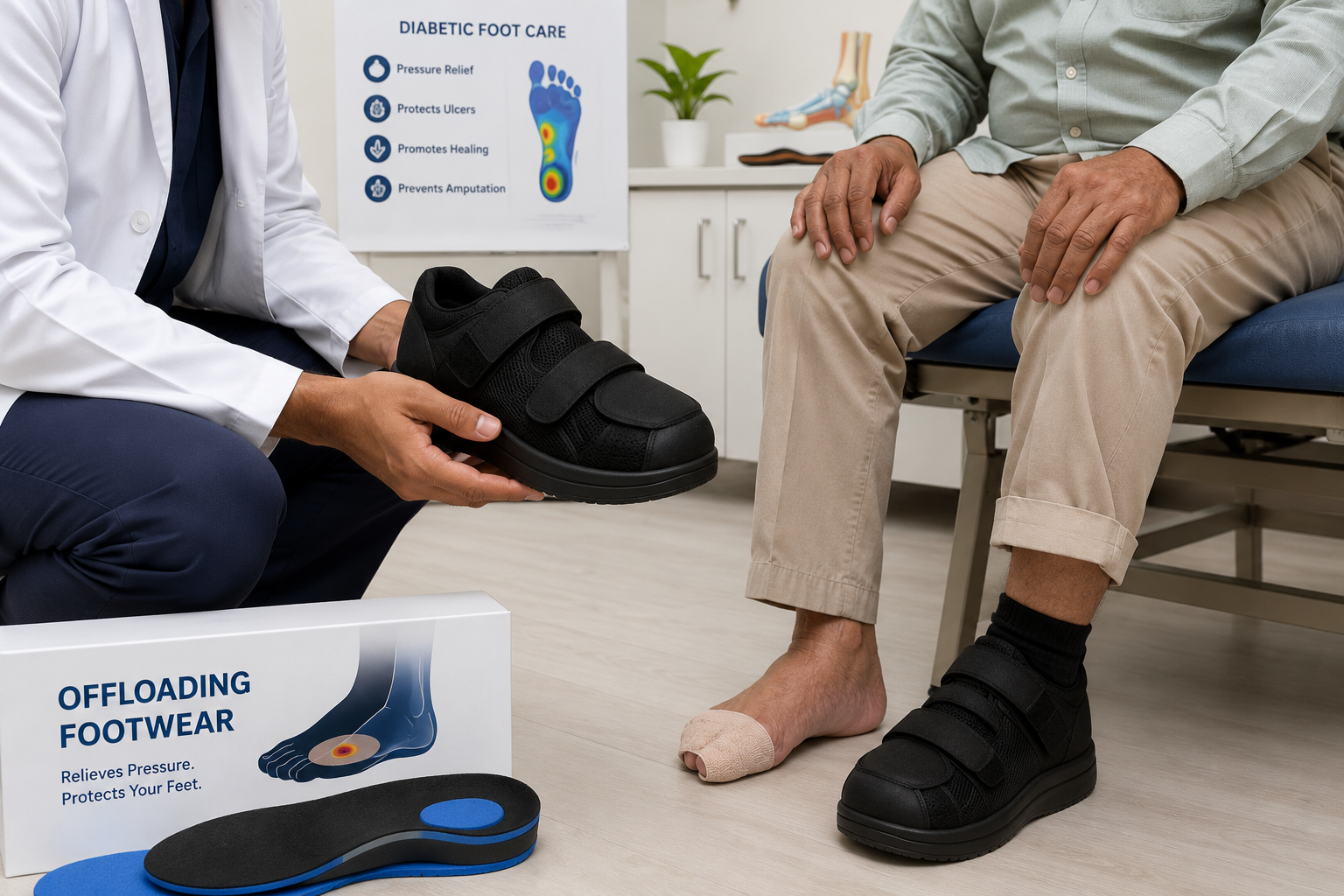
Offloading: removing pressure from the ulcer using special footwear, a total contact cast, or a walker, so the wound is not re-injured with every step.
Offloading remains the most under-rated part of healing. For example, a plantar ulcer under the ball of the foot takes hundreds of kilograms of load daily. Unless that load is redirected, the wound reopens as fast as it closes. Our diabetic footwear and offloading service handles this properly, with pressure mapping where needed.
Above all, remember that time matters. Months spent on the wrong therapy are months a limb cannot afford.
When should you see a doctor?
See a diabetic foot specialist the same week if an ulcer has not shrunk in four weeks, or immediately if you notice spreading redness, foul discharge, black tissue, fever, or new pain. Meanwhile, do not wait for a home remedy to work, because diabetic foot infections advance quickly and quietly.
Numbness makes this harder. Since nerve damage removes the warning of pain, many patients feel fine while the wound deepens. Therefore daily foot checks matter far more than symptoms alone.
Why patients across India choose EDFC
Elegance Diabetic Foot & Ulcer Clinic is India's first chain of clinics dedicated only to diabetic foot care, led by Dr. Ashutosh Shah, a plastic, reconstructive and diabetic foot surgeon with 22+ years of experience and 10,000+ limbs and feet saved. Our team works from Elegance Clinic, Surat, with centres expanding into Jamnagar and Vizianagaram.
Patients often search for PRP for diabetic foot ulcers does it work, and our answer stays consistent. Platelet rich plasma helps the right wound, at the right moment, alongside sound basic care. Book a consultation at Elegance Diabetic Foot & Ulcer Clinic, or send a photo of your foot concern on WhatsApp for quick guidance, through our consultation booking page.
This article is for general information only and does not replace an in-person medical examination. Please consult a qualified doctor about your own foot condition.
quiz Frequently Asked Questions
This article is general education, not a diagnosis. If you have a diabetic foot wound, please have it assessed in person. Send a photo on WhatsApp or book a consultation.
About the Author

Dr. Ashutosh Shah, Plastic, Reconstructive & Diabetic Foot Surgeon, Elegance Diabetic Foot & Ulcer Clinic, Surat
Dr. Ashutosh Shah is a board certified plastic and reconstructive surgeon with over 22 years of experience and more than 10,000 limbs and feet saved. He founded Elegance Diabetic Foot & Ulcer Clinic, India's first chain of clinics dedicated to foot care, with centres in Surat and OPD partners across South Gujarat. He is known for a limb first approach, safe wound care and ethical, natural results.