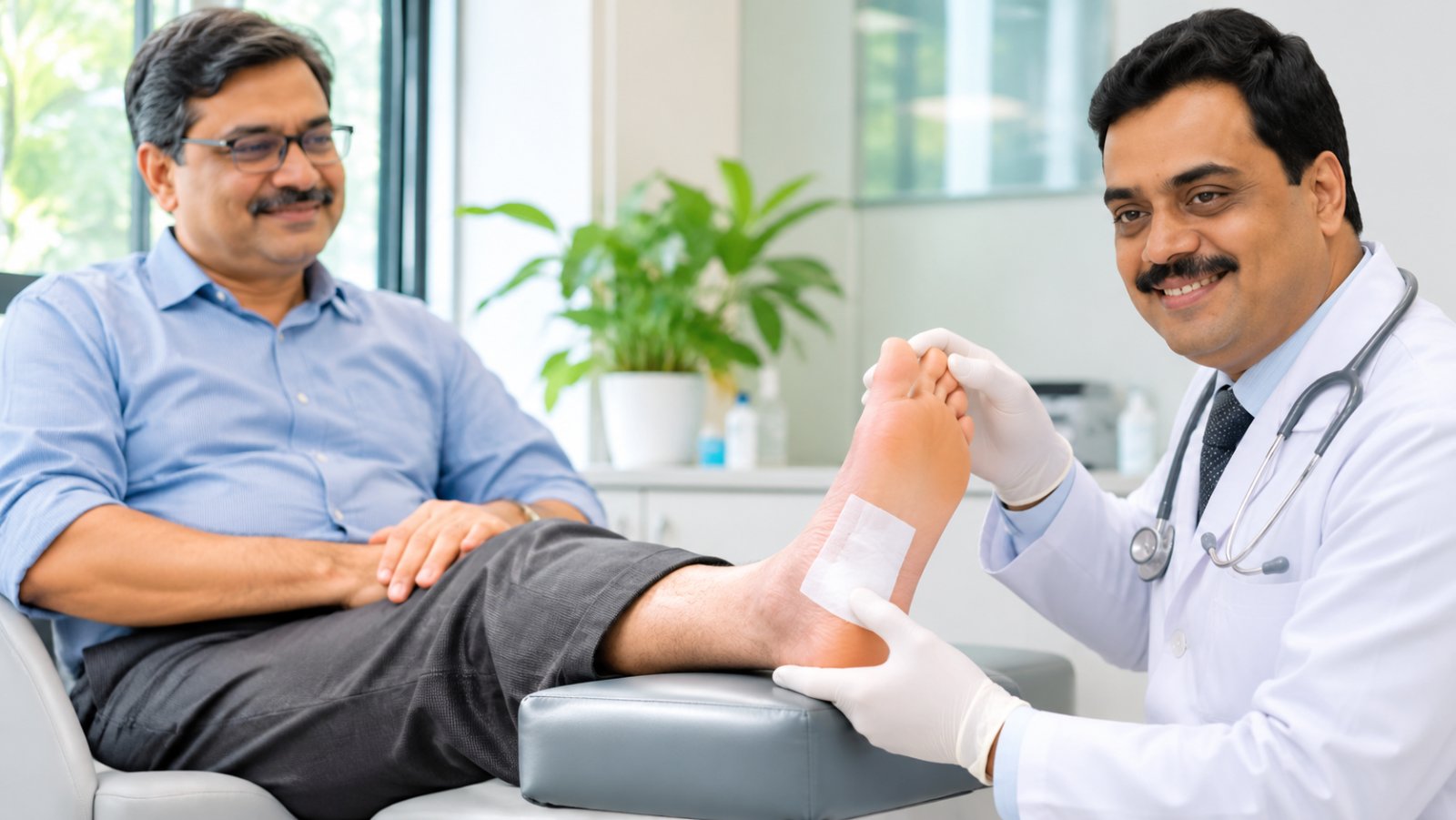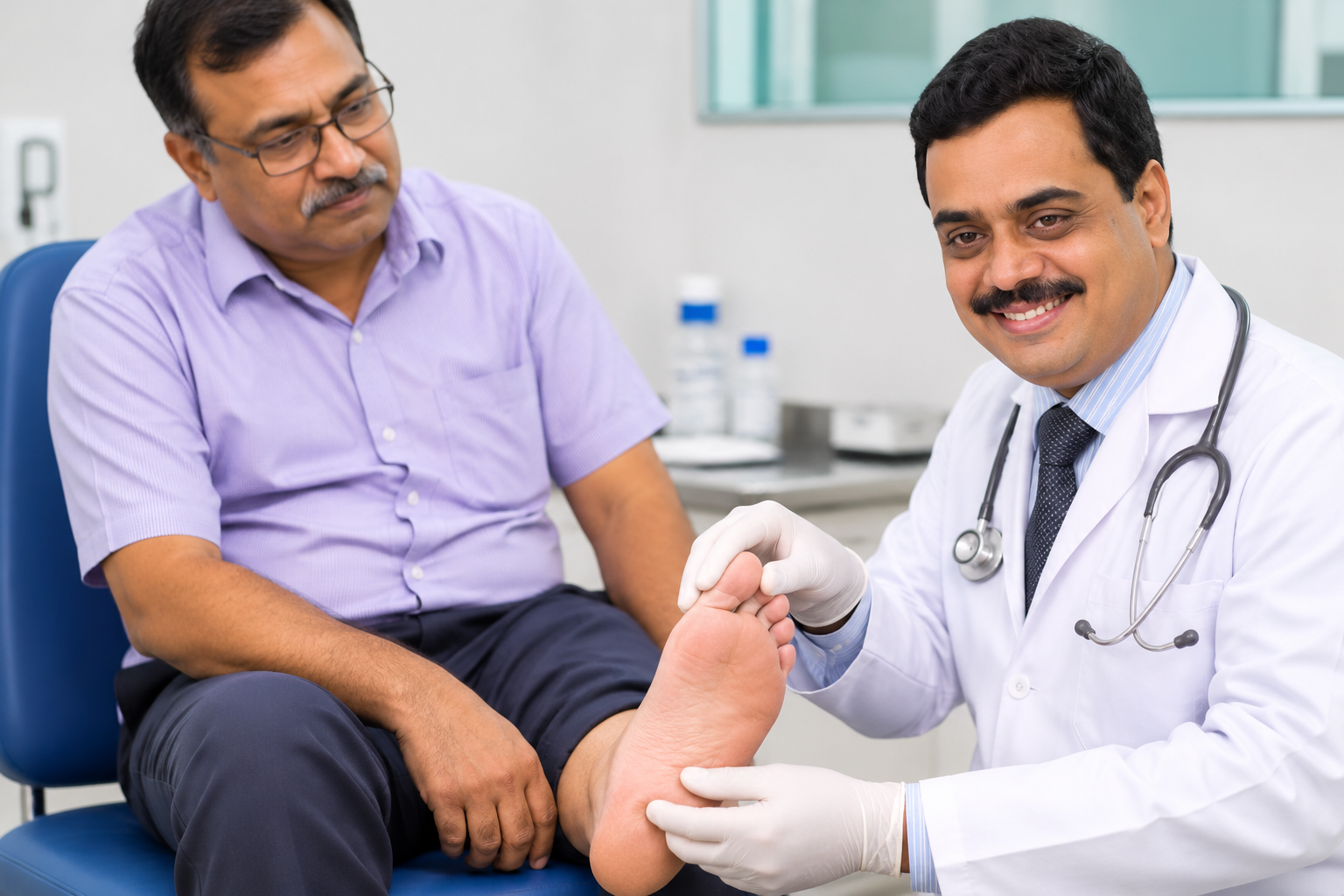
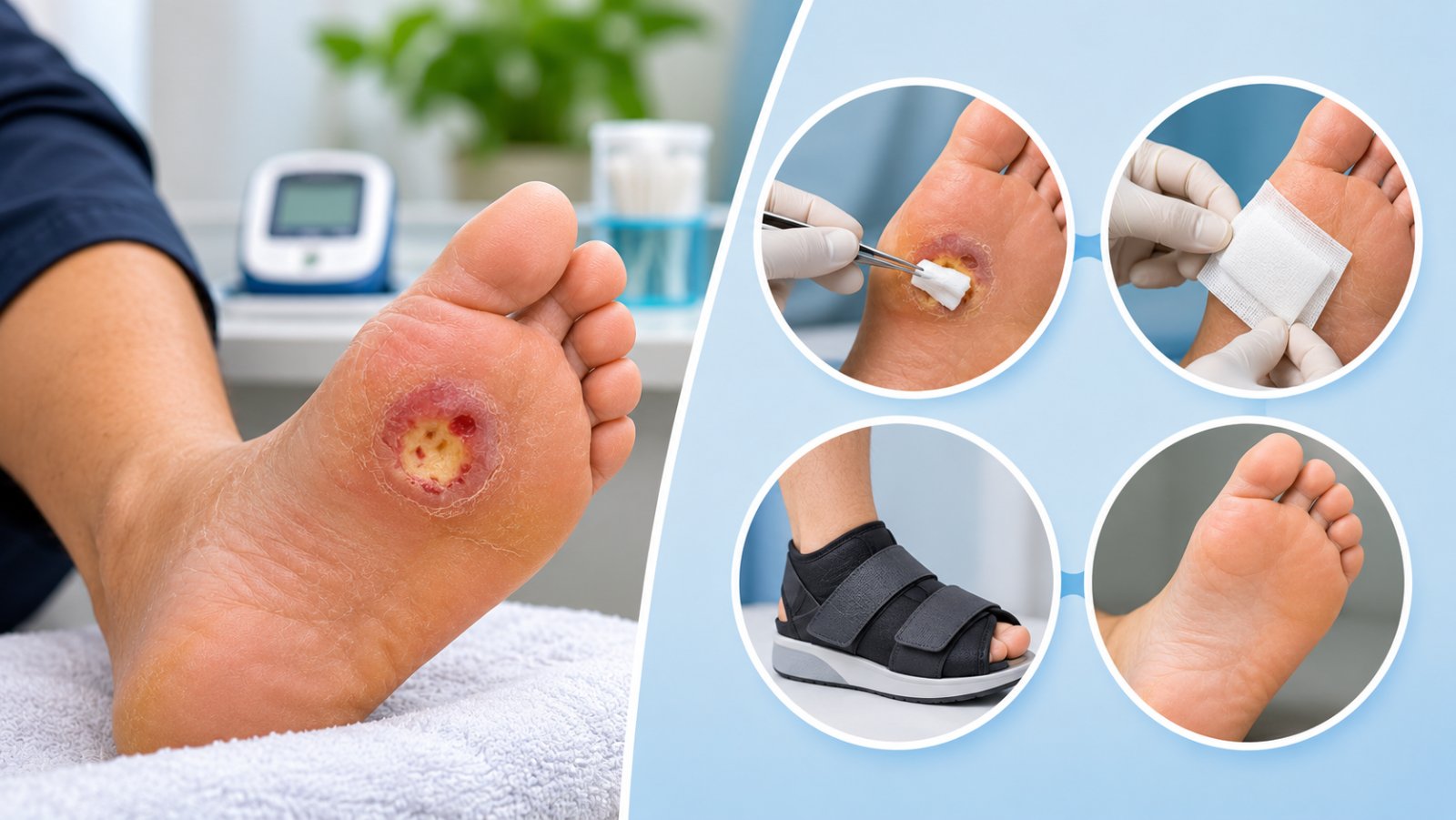
Diabetic foot ulcer treatment involves a planned assessment, wound care, pressure relief, and regular follow-ups. Patients from Athwa usually begin with a specialist consultation, complete necessary tests, and receive a treatment plan based on wound severity.
A diabetic foot ulcer is an open wound that commonly develops because of nerve damage, repeated pressure, or poor circulation. Even a small wound can become serious when diabetes affects sensation and healing.
For patients considering diabetic foot ulcer treatment in athwa surat, early assessment is important. Delaying care can increase the risk of infection, deeper tissue damage, and hospitalisation.
At Elegance Diabetic Foot & Ulcer Clinic, Dr. Ashutosh Shah (M.S., M.Ch., D.N.B.), a Plastic and Reconstructive Surgeon, is associated with diabetic foot and wound care services.
This guide explains treatment options, expected recovery, cost factors, and how patients can prepare for specialist consultation.
What Is Diabetic Foot Ulcer Treatment and Who Is It For?
Diabetic foot ulcer treatment is medical care aimed at healing an open wound, preventing infection, relieving pressure, and protecting the surrounding tissue.
Treatment depends on the ulcer's depth, blood circulation, infection status, and the patient's overall health.
Not every diabetic foot ulcer requires surgery. Some wounds can be managed with professional wound care, offloading devices, and regular monitoring. Others may need debridement, infection treatment, vascular assessment, or additional procedures.
Who should seek specialist assessment?
People with diabetes should arrange a prompt medical assessment if they notice:
-
An open wound or blister that is not healing.
-
Redness, warmth, or swelling around the foot.
-
Fluid discharge or an unpleasant smell.
-
A callus with bleeding or an underlying wound.
-
Darkening skin or unusual changes in foot colour.
-
Reduced sensation, tingling, or numbness.
-
A wound that repeatedly reopens.
A diabetic foot ulcer may be painless because diabetic neuropathy can reduce the ability to feel injury.
Therefore, absence of pain does not mean the wound is harmless.
Learn more about the condition through the clinic's diabetic foot ulcer information page.
Why is early treatment important?
Untreated ulcers can progress to infection, deeper tissue involvement, or bone infection.
Early assessment allows specialists to identify factors delaying healing and decide whether urgent intervention is needed.
How Is Diabetic Foot Ulcer Treatment Done, Step by Step?
The treatment process is individualised. There is no single procedure suitable for every diabetic foot ulcer.
Step 1: Initial wound assessment
The specialist examines the wound's size, depth, location, surrounding skin, and signs of infection.
The consultation may also include reviewing diabetes history, current medicines, previous wounds, and footwear habits.
Step 2: Checking blood circulation and sensation
Blood flow is important for wound healing.
Depending on the examination, the specialist may recommend vascular tests to assess circulation. Sensation testing helps identify diabetic neuropathy.
The role of circulation is explained further in blood supply in diabetic foot ulcer.
Step 3: Cleaning and wound management
Treatment may involve professional cleaning, appropriate dressings, and removal of dead tissue when clinically indicated.
Debridement is performed by trained professionals using an approach suitable for the wound.
Patients should not cut calluses, remove dead tissue, or attempt debridement at home.
Step 4: Relieving pressure through offloading
Repeated pressure can prevent an ulcer from healing, particularly on the sole.
A specialist may recommend a suitable offloading device, specialised footwear, or another pressure-relief method.
For certain plantar ulcers, guideline-recommended non-removable knee-high offloading devices may be considered when appropriate and not contraindicated.
Step 5: Managing infection when present
Antibiotics are prescribed when there is clinical evidence of infection.
An ulcer without clinical infection generally does not require antibiotics simply to promote healing.
Read the clinic's guide to antibiotics for diabetic foot ulcer.
Step 6: Planning follow-up care
The specialist reviews wound progress, dressing needs, pressure relief, circulation, and glucose management.
If healing is slower than expected, further assessment may be necessary.
[Clinic to confirm its standard wound-care protocol and follow-up arrangements.]
Recovery: What Do the First Weeks Look Like?
Healing after diabetic foot ulcer treatment depends on several factors. A superficial wound with adequate circulation may improve faster than a deep or infected ulcer.
However, no fixed healing timeline applies to every patient.
Quick Facts: Treatment and Recovery
| Factor | What Patients Should Know |
|---|---|
| Treatment duration | [Specialist to confirm; varies by wound and procedure] |
| Anaesthesia | Not always required; depends on whether a procedure is needed |
| Hospital stay | Many assessments are outpatient; admission may be necessary for serious infection or surgery |
| Return to work | Depends on wound location, pressure restrictions, and occupation |
| Follow-up visits | Individualised according to healing progress and complications |
During the first few days
Patients may receive instructions on wound protection, dressing care, and avoiding pressure on the affected area.
Blood glucose monitoring and adherence to prescribed treatment remain important.
During the following weeks
The specialist checks whether the wound is becoming smaller, whether healthy tissue is developing, and whether infection or pressure problems remain.
Some wounds require repeated professional dressing changes or further intervention.
What helps recovery?
-
Following the prescribed offloading plan.
-
Keeping dressings clean and protected.
-
Managing blood glucose with the treating diabetes team.
-
Eating adequate protein and balanced meals.
-
Avoiding smoking.
-
Attending scheduled follow-ups.
-
Checking both feet daily.
When should patients seek urgent help?
Increasing redness, swelling, discharge, fever, spreading skin discolouration, or a rapidly worsening wound requires urgent medical assessment.
Blackened tissue, severe systemic symptoms, or rapidly spreading infection may require emergency care.
Do not wait for a routine appointment when these warning signs occur.
Which Factors Change the Cost?
The total cost of diabetic foot ulcer care depends on the wound's severity, required investigations, treatment approach, and number of follow-up visits.
For patients planning diabetic foot ulcer treatment in athwa surat, obtaining an individualised estimate is more useful than relying on a single advertised price.
1. Wound size and depth
A small, uncomplicated ulcer may need fewer interventions than a deep wound involving underlying structures.
2. Infection severity
An infected wound may require additional tests, medicines, closer monitoring, or hospital-based treatment.
3. Circulation assessment
Patients with suspected poor blood supply may need vascular investigations and specialist evaluation.
4. Dressing requirements
The type of dressing and frequency of changes can affect overall expenses.
5. Offloading equipment
Specialised footwear, casts, or pressure-relief devices may be necessary.
6. Surgical procedures
Selected patients may require debridement or another procedure. Not every patient needs surgery.
7. Follow-up appointments
Complex wounds may require more frequent reviews, increasing the total cost.
What should a written estimate include?
Ask for separate information about:
-
Consultation fees.
-
Recommended investigations.
-
Dressing and wound-care charges.
-
Offloading equipment.
-
Medicines and possible procedures.
-
Follow-up appointments.
-
Admission charges, if applicable.
Diabetic Foot Ulcer Treatment in Athwa Surat: Reaching the Clinic
Patients living in Athwa should plan their visit according to wound severity rather than convenience alone.
If the wound is worsening or shows signs of infection, prompt local medical assessment is more important than waiting for a preferred appointment.
Before the first consultation
Bring recent diabetes reports, a list of current medicines, previous wound records, and any available vascular investigations.
Photographs showing how the wound has changed may also help explain its progression, although they do not replace examination.
Can the first consultation be online?
Remote advice may help with preliminary questions, but a diabetic foot ulcer often requires direct assessment of wound depth, circulation, sensation, and infection.
Planning transport and follow-ups
Avoid unnecessary pressure on an ulcerated foot during travel.
Ask whether walking restrictions, special footwear, or assistance will be needed.
Follow-up planning should consider the possibility of repeated wound reviews rather than assuming treatment will finish in one visit.
For appointment enquiries, use the clinic's contact us page.
Questions to Ask Before You Decide
A specialist consultation should help patients understand both the wound and the proposed treatment.
Useful questions include:
-
How deep is the ulcer, and is infection present?
-
Is blood circulation adequate for healing?
-
Do I need any imaging or vascular tests?
-
Which dressing or offloading method is suitable?
-
Are antibiotics or surgical procedures necessary?
-
How frequently should the wound be reviewed?
-
Which activities should I avoid during healing?
-
What warning signs require urgent assessment?
-
What expenses may arise during follow-up?
-
What is the plan if the wound does not improve?
A clear treatment plan should explain expected monitoring, pressure relief, possible complications, and when reassessment is necessary.
Conclusion
Diabetic foot ulcer treatment in athwa surat should begin with timely wound assessment and a treatment plan based on infection, blood circulation, pressure, and overall health.
Some ulcers respond to non-surgical care, while more complex wounds require additional investigations or procedures.
Dr. Ashutosh Shah (M.S., M.Ch., D.N.B.) is associated with Elegance Diabetic Foot & Ulcer Clinic.
The priority is safe wound healing, complication prevention, and consistent follow-up-not a guaranteed recovery date.
quiz Frequently Asked Questions
This article is general education, not a diagnosis. If you have a diabetic foot wound, please have it assessed in person. Send a photo on WhatsApp or book a consultation.
About the Author

Dr. Ashutosh Shah, Plastic, Reconstructive & Diabetic Foot Surgeon, Elegance Diabetic Foot & Ulcer Clinic, Surat
Dr. Ashutosh Shah is a board certified plastic and reconstructive surgeon with over 22 years of experience and more than 10,000 limbs and feet saved. He founded Elegance Diabetic Foot & Ulcer Clinic, India's first chain of clinics dedicated to foot care, with centres in Surat and OPD partners across South Gujarat. He is known for a limb first approach, safe wound care and ethical, natural results.