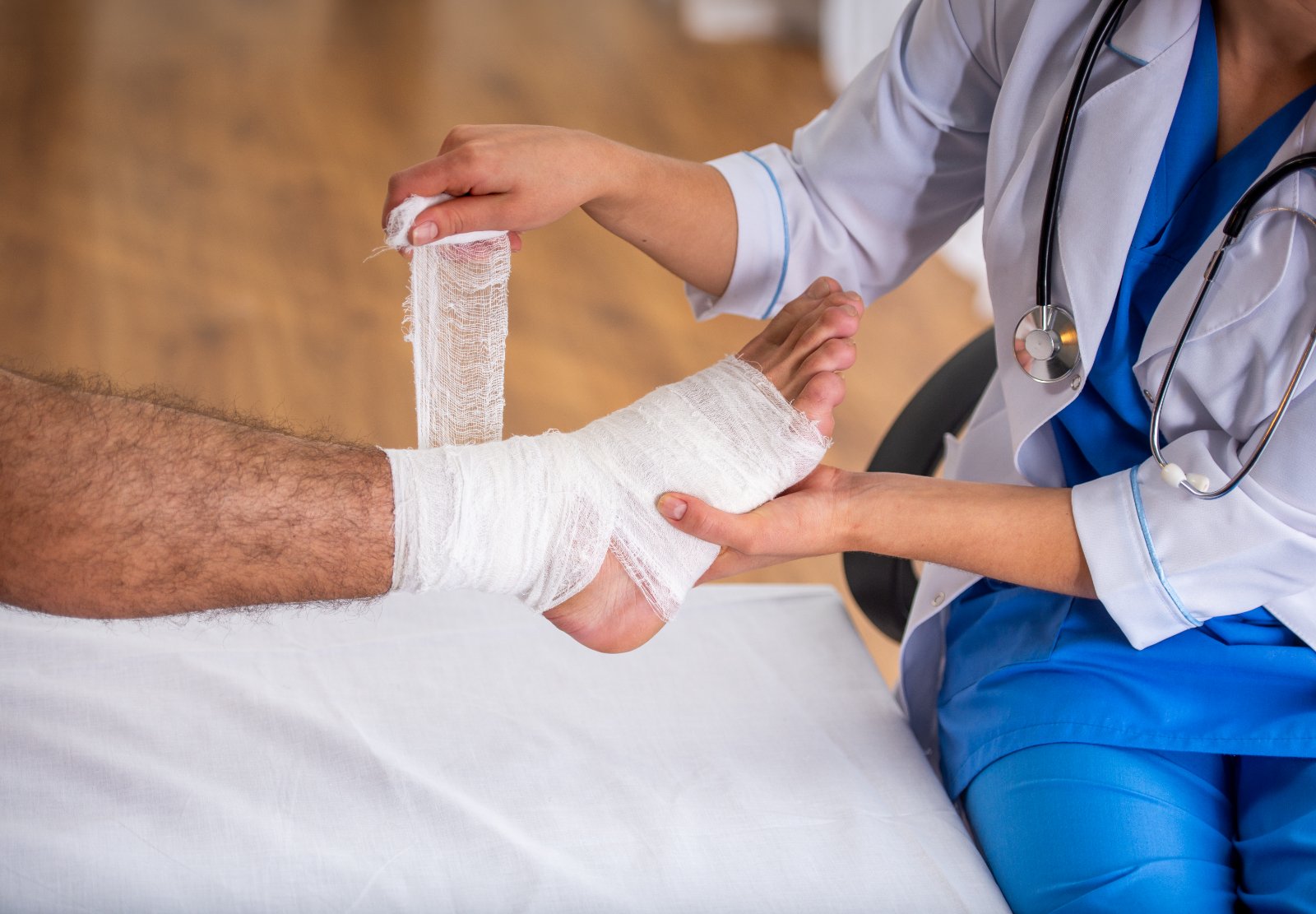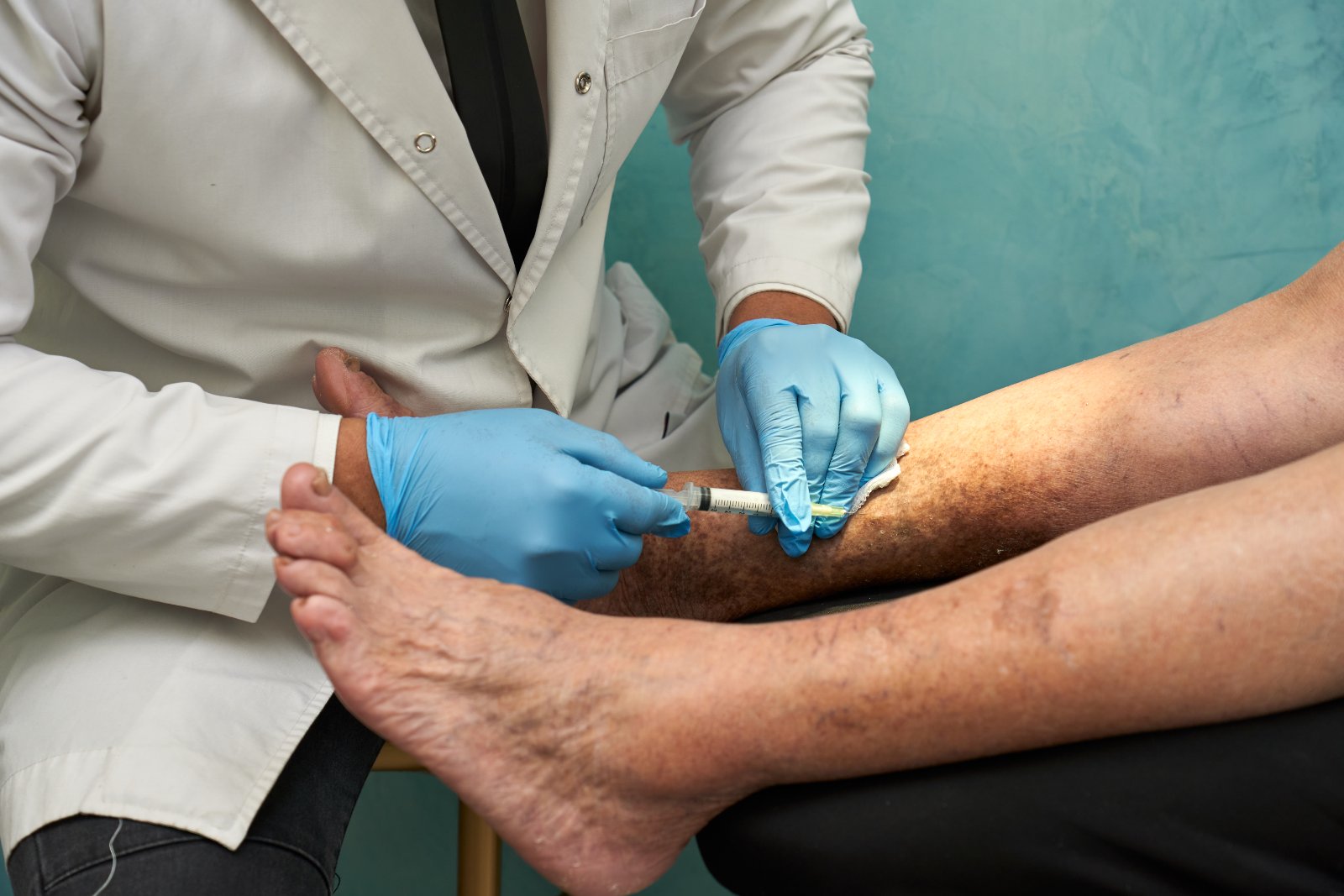

Early treatment is the single biggest reason a diabetic foot ulcer heals instead of ending in amputation. An ulcer treated within the first two weeks usually closes with dressings, offloading and infection control. The same ulcer, ignored for a month, can reach bone and threaten the entire limb.
Patients often search for diabetic foot ulcer why early treatment prevents amputation, and the answer comes down to three things: how deep the infection goes, how good the blood supply is, and how quickly pressure is taken off the wound. All three are still in your favour in the first two weeks.
At Elegance Diabetic Foot & Ulcer Clinic (EDFC) in Surat, Dr. Ashutosh Shah and his team see this pattern every single week. The patients who walk in early almost always walk out on two healthy feet. This guide explains why timing matters so much, and exactly what to do the day you spot a wound.
What is a diabetic foot ulcer?
A diabetic foot ulcer is an open sore on the foot that fails to heal because of diabetes. High blood sugar damages the small nerves and blood vessels of the feet. As a result, minor injuries go unnoticed, blood supply for healing is poor, and bacteria multiply easily.
Most ulcers start small: a blister from a new shoe, a cut from walking barefoot, or a callus that breaks down under pressure. In a person without diabetes these heal in days. In a person with diabetes, they can quietly grow deeper for weeks.
Why does early treatment prevent amputation?
Because an ulcer is a race between healing and infection, and every day of delay favours the infection. Treated early, the wound is shallow, the infection is on the surface, and the tissues around it are still healthy.
Here is what changes when treatment starts in time:
- Infection stays shallow. Surface infections respond well to cleaning and antibiotics. Deep infections that reach bone, called osteomyelitis, often need surgery.
- Dead tissue is minimal. Early debridement removes a thin layer. Late debridement can mean losing a toe or part of the foot.
- Blood supply can be fixed in time. If arteries are narrowed, vascular treatment can restore flow while the foot is still saveable.
- Pressure is taken off the wound. Offloading with the right footwear and insoles lets the ulcer close instead of being crushed with every step.
International studies consistently report that a large majority of diabetic amputations begin with an untreated or late treated foot ulcer. In other words, most amputations are preventable, and prevention starts with an early visit.
What are the warning signs you should never ignore?
Check both feet every day, top and bottom. See a foot specialist immediately if you notice any of these:
- A wound, blister or crack that has not healed within a few days
- Fluid, pus or blood stains on your socks
- Redness, swelling or warmth around any spot on the foot
- A callus with dark skin or fluid underneath
- A foul smell from the foot
- Any black or blue discolouration of a toe
Numbness makes these signs easy to miss, which is why a daily visual check matters more than waiting for pain. If you cannot see the sole, use a mirror or ask a family member.
How is a diabetic foot ulcer treated at EDFC?
Treatment starts with a complete diabetic foot assessment: the wound is graded, circulation is tested, and pressure points are mapped so we know exactly why the ulcer formed. After that, care usually follows four steps.
Debridement and wound preparation
Dead and infected tissue is gently removed so healthy tissue can grow. This one step dramatically speeds up healing.
Infection control
A culture identifies the exact bacteria, so antibiotics are targeted rather than guessed. Deep infections are treated aggressively before they reach bone.
Offloading the pressure
Special footwear, felt padding or a walker boot moves body weight away from the ulcer. A wound that is stepped on two thousand times a day cannot close, no matter how good the dressing is.
Advanced healing therapies
For stubborn wounds, advanced wound care such as negative pressure therapy, growth factor dressings and skin substitutes helps close the ulcer without surgery wherever possible.
What happens if treatment is delayed?
The ulcer deepens in stages: skin, soft tissue, tendon, then bone. Infection can spread within days once it takes hold, and gangrene can develop when blood supply fails. At that point the conversation changes from healing a wound to saving a limb, involving limb salvage surgery and a much longer recovery. Delay also multiplies cost: late treatment routinely costs several times more than early care.
When should you see a doctor?
Today, if you have an open wound and diabetes. There is no such thing as too early for a diabetic foot check, but there is definitely too late. Even without a wound, an annual foot assessment finds high pressure zones and circulation problems before they cause the first ulcer.
That is the full picture of diabetic foot ulcer why early treatment prevents amputation: act in the first days, and the odds stay firmly on your side.
EDFC is India's first chain of clinics dedicated entirely to the diabetic foot, with 22+ years of limb saving experience and more than 10,000 limbs and feet saved. It is led by Dr. Ashutosh Shah, the plastic and reconstructive surgeon behind Elegance Clinic, Surat. Book a consultation at Elegance Diabetic Foot & Ulcer Clinic, or send a photo of your foot concern on WhatsApp for quick guidance through our contact page.
This article is for education only and is not a substitute for a personal medical consultation. Please consult Dr. Ashutosh Shah or a qualified diabetic foot specialist about your individual condition.
quiz Frequently Asked Questions
This article is general education, not a diagnosis. If you have a diabetic foot wound, please have it assessed in person. Send a photo on WhatsApp or book a consultation.
About the Author

Dr. Ashutosh Shah, Plastic, Reconstructive & Diabetic Foot Surgeon, Elegance Diabetic Foot & Ulcer Clinic, Surat
Dr. Ashutosh Shah is a board certified plastic and reconstructive surgeon with over 22 years of experience and more than 10,000 limbs and feet saved. He founded Elegance Diabetic Foot & Ulcer Clinic, India's first chain of clinics dedicated to foot care, with centres in Surat and OPD partners across South Gujarat. He is known for a limb first approach, safe wound care and ethical, natural results.