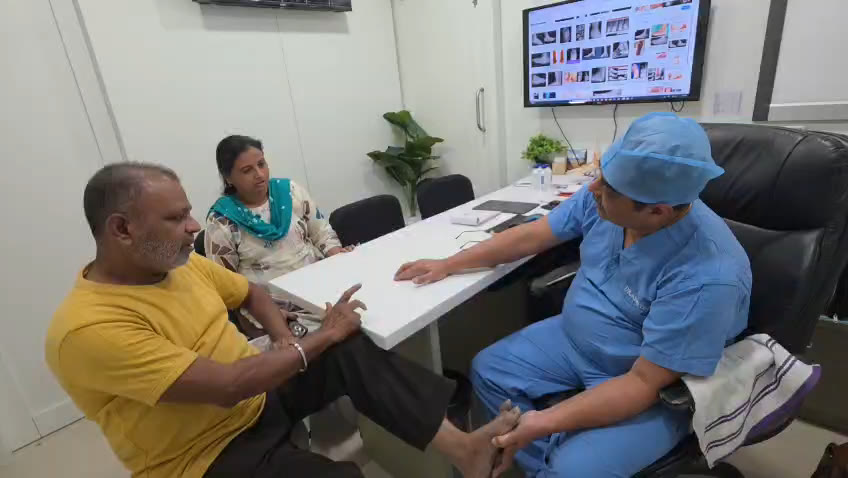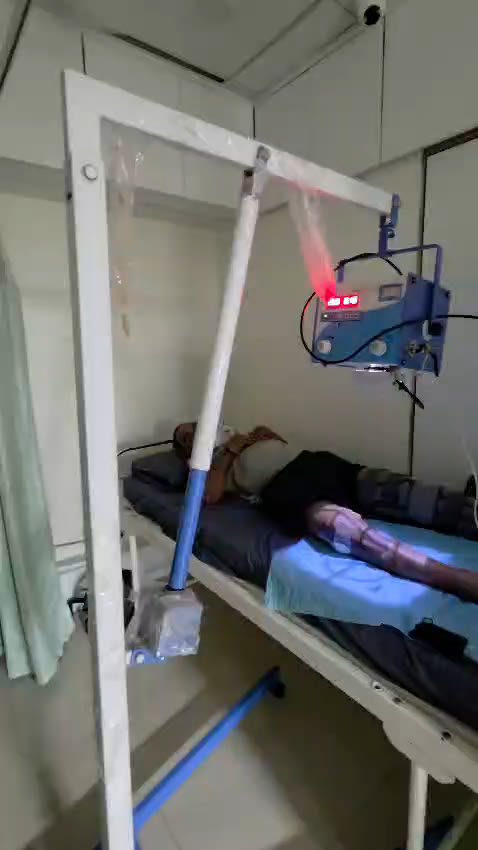
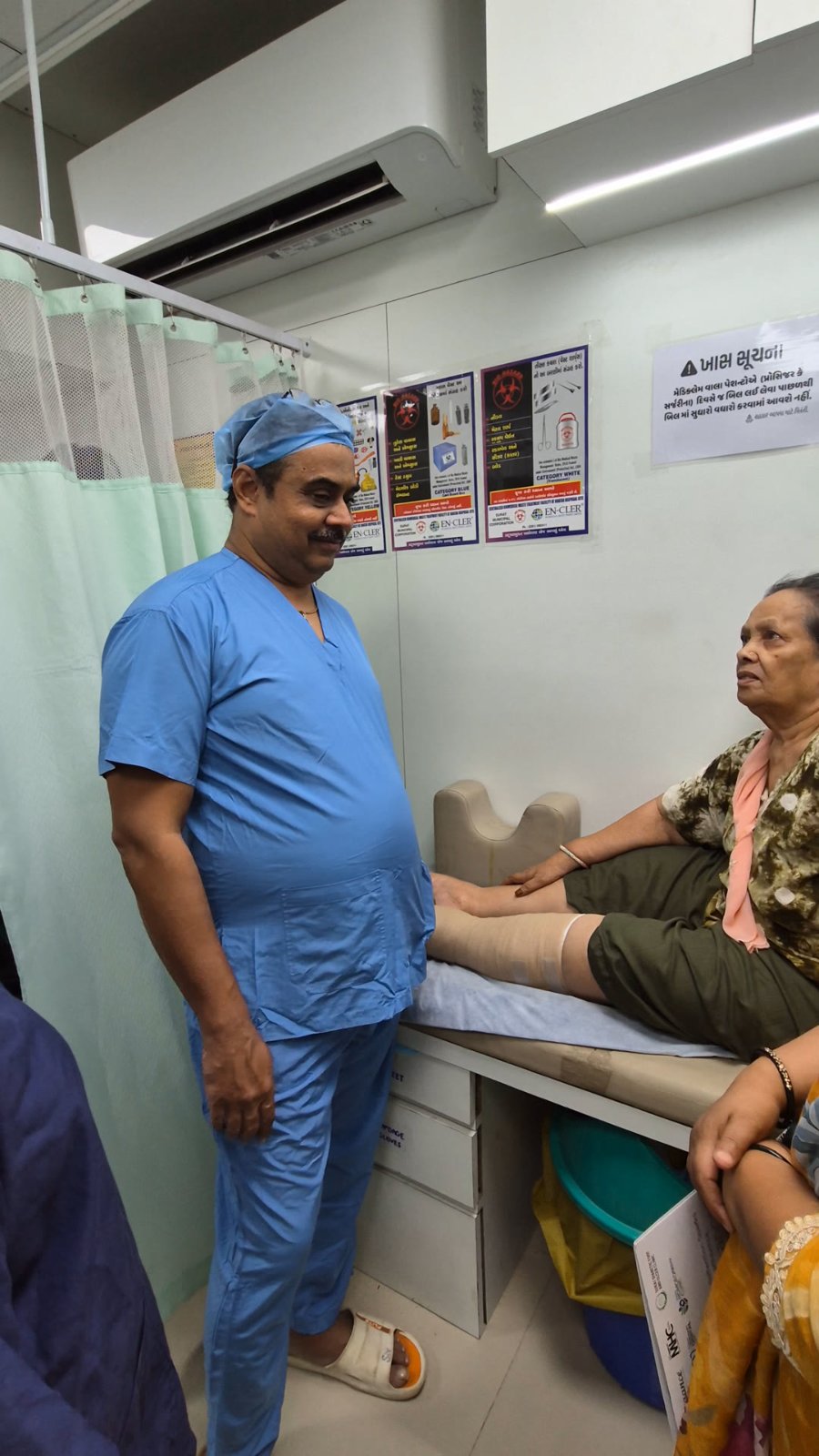
In this video, Dr. Ashutosh Shah explains to a patient how varicose veins affect leg health in diabetes, why they slow wound healing, and how sugar control, leg care and timely treatment help prevent ulcers.
In short: In this video, Dr. Ashutosh Shah, plastic surgeon and diabetic foot specialist at Elegance Diabetic Foot & Ulcer Clinic (EDFC), Surat, explains to a patient how varicose veins affect leg health, especially in people with diabetes. He connects vein health with sugar control and shows how proper leg care and timely treatment can prevent ulcers and chronic wounds.
What Dr. Ashutosh Shah explains in the video
- What varicose veins do: swollen, twisted veins return blood poorly from the legs, causing leg swelling, skin changes and slower wound healing.
- Why diabetes makes it worse: uncontrolled blood sugar further damages blood vessels, raises the risk of infection and slows the body's natural healing.
- The link to ulcers: poor vein return plus diabetes can lead to varicose vein ulcers and chronic leg wounds.
- Prevention: good sugar control, daily leg care and timely varicose vein treatment.
Why vein health matters for diabetic patients
Leg wounds heal best when blood flows well both into and out of the leg. In diabetes, problems with the arteries, the veins or both can stop a small wound from healing. Checking both, through a vascular assessment, helps find the right treatment before an ulcer forms.
Questions about varicose veins and diabetes
Can varicose veins cause leg ulcers in diabetic patients?
Yes. Varicose veins cause blood to pool in the lower legs, which leads to swelling and skin damage. With diabetes slowing healing, this can turn into a leg ulcer, usually near the ankle.
Why does diabetes slow healing in legs with varicose veins?
High blood sugar damages blood vessels and weakens the body's defence against infection. Together with poor vein return, this delays wound healing.
What are the early warning signs?
Leg swelling, heaviness, aching, itching, darkening or hardening of the skin near the ankle, and visible bulging veins are early signs. A wound that does not heal needs prompt medical attention.
How can I protect my legs if I have varicose veins and diabetes?
Keep blood sugar under control, raise your legs when resting, stay active, use compression stockings if your doctor advises, check your legs and feet daily and get varicose veins treated in time.
Medically reviewed by Dr. Ashutosh Shah, plastic surgeon and diabetic foot specialist, Elegance Diabetic Foot & Ulcer Clinic, Surat.
Have a leg or foot wound that is not healing? Book a consultation with Dr. Ashutosh Shah, or read Payal's leg wound recovery story.
Every patient is different. Results depend on the condition, its stage and overall health. Shared with the patient's consent. If you have a diabetic foot wound, please have it assessed in person. Send a photo on WhatsApp or book a consultation.