
Orthopedic Surgeons
For orthopaedic surgeons whose bone and deformity expertise is central to diabetic foot care.
Key Takeaways
- Charcot foot and deformity correction are orthopaedic problems by nature.
- Surgical offloading is a bone procedure and closes ulcers that dressings cannot.
- The gap is usually wound management, vascular pathways and prevention.
- Deformity correction prevents ulcers rather than only treating them.
Why Is Orthopaedics Central to This Field?
Because most diabetic foot ulcers are mechanical in origin. A prominent metatarsal head, a clawed toe, a collapsed midfoot or a tight Achilles creates the pressure point, and the skin fails over it. Treating the wound without treating the mechanics simply resets the clock.
Charcot neuroarthropathy is the clearest example. It is a bone and joint disease, frequently misdiagnosed as infection, and its management is orthopaedic from start to finish.
What Does the Model Add?
- Wound management protocols, including debridement and dressing selection
- Vascular assessment pathways before any bone surgery
- Infection recognition, since bone infection presents differently in diabetes
- Pressure mapping guiding both surgical and footwear decisions
- Custom footwear and orthotic services after correction
- Preventive screening that identifies feet before they break down
How Does Surgical Offloading Fit In?
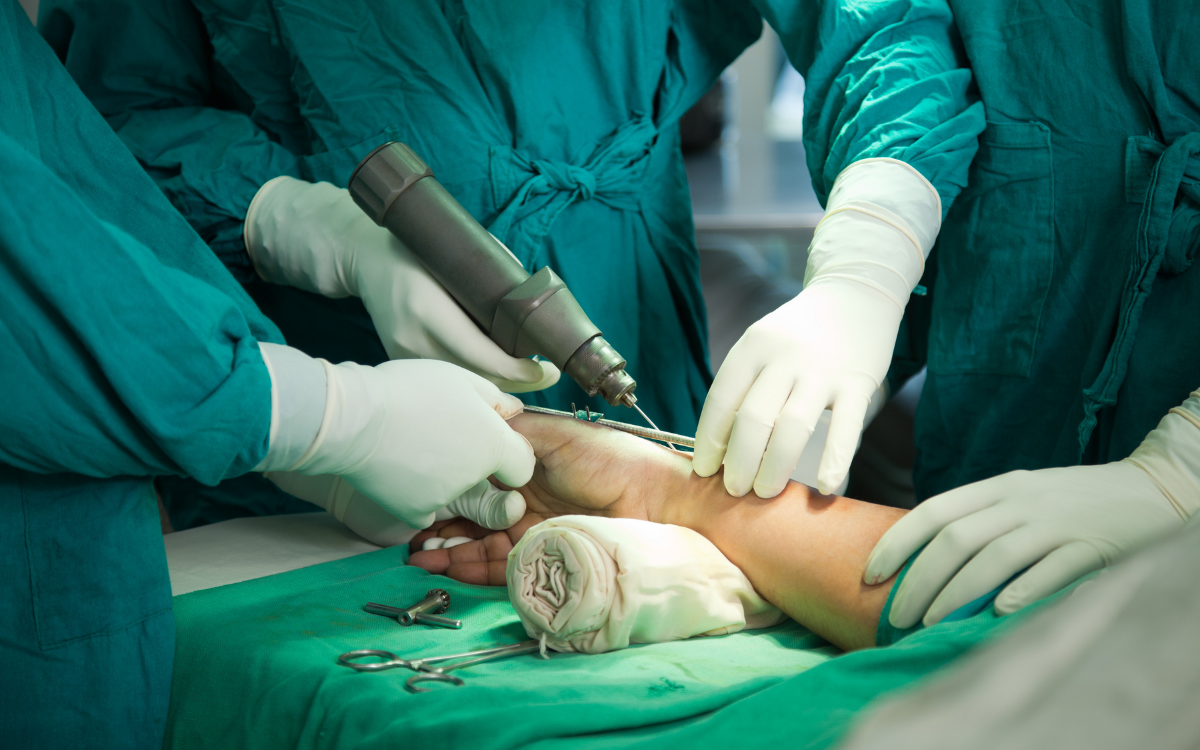
It becomes a core part of the practice. Flexor tenotomy, metatarsal osteotomy, exostectomy and Achilles lengthening are small procedures with substantial effect, closing ulcers that resisted months of conservative treatment.
These are technically straightforward for an orthopaedic surgeon. What matters is knowing which patient needs which procedure, which comes from pressure measurement rather than inspection alone.
What Training Is Involved?
Wound care, vascular assessment, infection management and the preventive framework, with refinement of offloading procedure selection. Training runs through EDFC Academy and continues after launch.
What Are the Commercial Terms?
Arrangements differ between adding sessions to an existing practice and building a dedicated centre, and are confirmed individually in writing.
What Does the Weekly Caseload Look Like?
Mostly non operative, which surprises many surgeons. Screening, wound review, offloading adjustment and footwear checks fill the clinic, with surgical cases emerging from that base rather than arriving independently.
Charcot patients in particular need long term follow up rather than a single procedure, and that continuity is what builds a practice that does not depend on referrals arriving by chance.