Wound Care Specialists
For wound care specialists who want the offloading, vascular and metabolic framework around their practice.
Key Takeaways
- Most non healing wounds fail for reasons unrelated to dressing choice.
- Pressure, blood supply, infection and nutrition are the usual culprits.
- The model supplies systems for each of those alongside wound expertise.
- Chronic wound practice covers diabetic and non diabetic ulcers alike.
Why Do Wounds Refuse to Close?
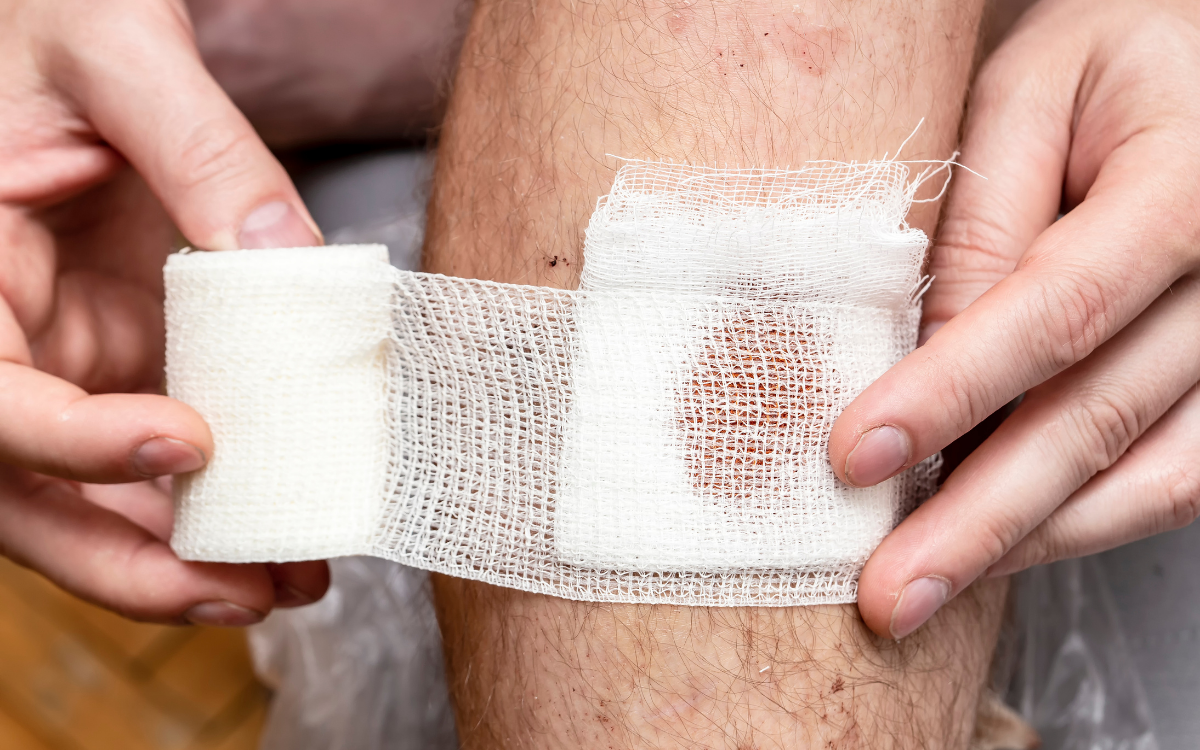
Rarely because the dressing was wrong. Far more often because the wound is still being crushed with every step, blood supply is inadequate, infection sits in bone underneath, or the patient has nothing like enough protein to build new tissue.
Wound care specialists usually know this. What is missing is the machinery to act on it, namely pressure measurement, vascular pathways, imaging access and nutritional assessment.
What Does the Model Provide?
- Pressure mapping and offloading systems, including casting
- Vascular assessment pathways with clear escalation rules
- Imaging and infection protocols for suspected bone involvement
- Nutrition and metabolic assessment, including protein optimisation
- Advanced therapy protocols covering negative pressure and regenerative options
- Documentation that measures healing rates rather than estimating them
Does This Cover Non Diabetic Wounds Too?
Yes, and that matters commercially. Venous ulcers, pressure sores, trauma wounds, burns and post surgical breakdowns all follow the same principles of pressure relief, blood supply and infection control.
A wound clinic that treats only diabetic feet limits itself unnecessarily, which is why the protocols cover the wider chronic wound field as well.
What Difference Does Measurement Make?
A considerable one. Recording wound area at each visit shows within a fortnight whether the current plan is working. Wounds that are not contracting get their plan changed rather than continuing for months on the assumption that healing is simply slow.
What Are the Commercial Terms?
Requirements vary with the range of therapies offered. Investment, territory and support arrangements are discussed individually and confirmed in writing before commitment.