
Varicose vein ulcer treatment in Surat works only when it treats both the wound and its cause: compression therapy and wound care heal the ulcer, while fixing the underlying faulty leg veins stops it coming back. These stubborn wounds are due to poor vein circulation, so an expert doctor treats the veins too, not just the surface.
A varicose vein ulcer is a wound that will not heal on its own, because the real problem lies deeper, in the leg's veins. Simply dressing it is not enough. This guide explains varicose vein ulcer treatment in Surat: how to heal the wound and prevent it returning.
What Is a Varicose Vein Ulcer?
A varicose vein ulcer, also called a venous leg ulcer, is an open wound that usually forms on the lower leg or around the ankle when the veins fail to return blood properly to the heart (venous insufficiency). Blood pools, pressure builds in the skin, and the tissue breaks down into a slow-healing ulcer. Because the cause is the vein circulation, the ulcer will keep returning unless that underlying problem is treated, not just the wound dressed.
These ulcers are common, often long-standing, and understandably distressing, but they are very treatable with the right, complete approach guided by an expert doctor.
What Are the Signs of a Varicose Vein Ulcer?
Recognising a venous ulcer early leads to faster healing. Common signs include the following.
- A wound near the ankle: often on the inner lower leg, slow to heal.
- Swelling of the leg: worse by evening, better with elevation.
- Skin changes: darkening, hardening, or itching around the ankle.
- Aching or heaviness: in the legs, with visible varicose veins.
- Discharge or odour: if the ulcer becomes infected.
Any non-healing leg wound should be assessed within expert non-diabetic ulcer care, including a vascular Doppler test to check the veins.
How Is a Varicose Vein Ulcer Treated?
Treatment tackles the wound and the vein cause together. The table below outlines the components.
| Component | What it does |
|---|---|
| Compression therapy | The cornerstone: bandages or stockings that push blood upward. |
| Wound care and dressings | Keeping the ulcer clean, moist, and protected to heal. |
| Treating the veins | Fixing faulty vein reflux to heal and prevent recurrence. |
| Infection control | Clearing any infection that slows healing. |
The wound side is managed with expert specialised dressing, while the underlying varicose vein problem is treated to stop the ulcer returning.
Why Must You Treat the Veins, Not Just the Wound?
Because dressing the ulcer alone treats the symptom, while the faulty veins keep causing new damage. Strong evidence supports treating the cause: an analysis from the EVRA trial of venous ulceration found that treating the underlying superficial vein reflux, in addition to compression, accelerates venous leg ulcer healing and reduces the chance of the ulcer coming back.
In practical terms, compression heals the wound and treating the veins keeps it healed. Doing both, guided by an expert doctor, is what breaks the cycle of recurring ulcers.
Why Is Compression So Important?
Compression therapy is the foundation of varicose vein ulcer treatment, because it directly counters the pooling of blood that causes the ulcer. Graduated compression, through bandages or medical stockings, gently squeezes the leg to help blood flow back up toward the heart, reduces swelling, and creates the conditions the skin needs to heal. It must be applied correctly and at the right pressure, which is why it should be set up and monitored by an expert doctor rather than guessed at, and it is generally continued after healing, often as stockings, to help prevent recurrence. Compression is not optional or a minor detail; for most venous ulcers it is the single most important part of treatment, working hand in hand with treating the veins themselves.
Why Choose Elegance Clinic in Surat?
Healing a varicose vein ulcer for good needs both wound expertise and treatment of the underlying veins, under one roof. At Elegance Clinic in Surat, venous and non-healing leg ulcers are managed by Dr. Ashutosh Shah, a plastic, reconstructive and cosmetic surgeon with more than 22 years of experience and a centre in Adajan, offering vascular assessment, compression, advanced wound care, and treatment of the vein cause to prevent recurrence. You can read about the expert doctor, explore varicose vein ulcer care, or contact the clinic.
Medical disclaimer: This article is for general information and education only and is not a substitute for personalised medical advice. A non-healing leg ulcer needs proper assessment, including of the veins and circulation, by a qualified doctor, and compression should only be applied after ruling out significant arterial disease. Treatment and outcomes vary by individual. To get properly assessed, contact Elegance Clinic, Surat.
quiz Frequently Asked Questions
This article is general education, not a diagnosis. If you have a diabetic foot wound, please have it assessed in person. Send a photo on WhatsApp or book a consultation.
About the Author
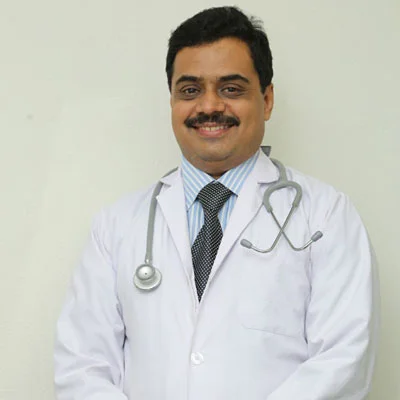
Dr. Ashutosh Shah, Plastic, Reconstructive & Diabetic Foot Surgeon, Elegance Diabetic Foot & Ulcer Clinic, Surat
Dr. Ashutosh Shah is a board certified plastic and reconstructive surgeon with over 22 years of experience and more than 10,000 limbs and feet saved. He founded Elegance Diabetic Foot & Ulcer Clinic, India's first chain of clinics dedicated to foot care, with centres in Surat and OPD partners across South Gujarat. He is known for a limb first approach, safe wound care and ethical, natural results.