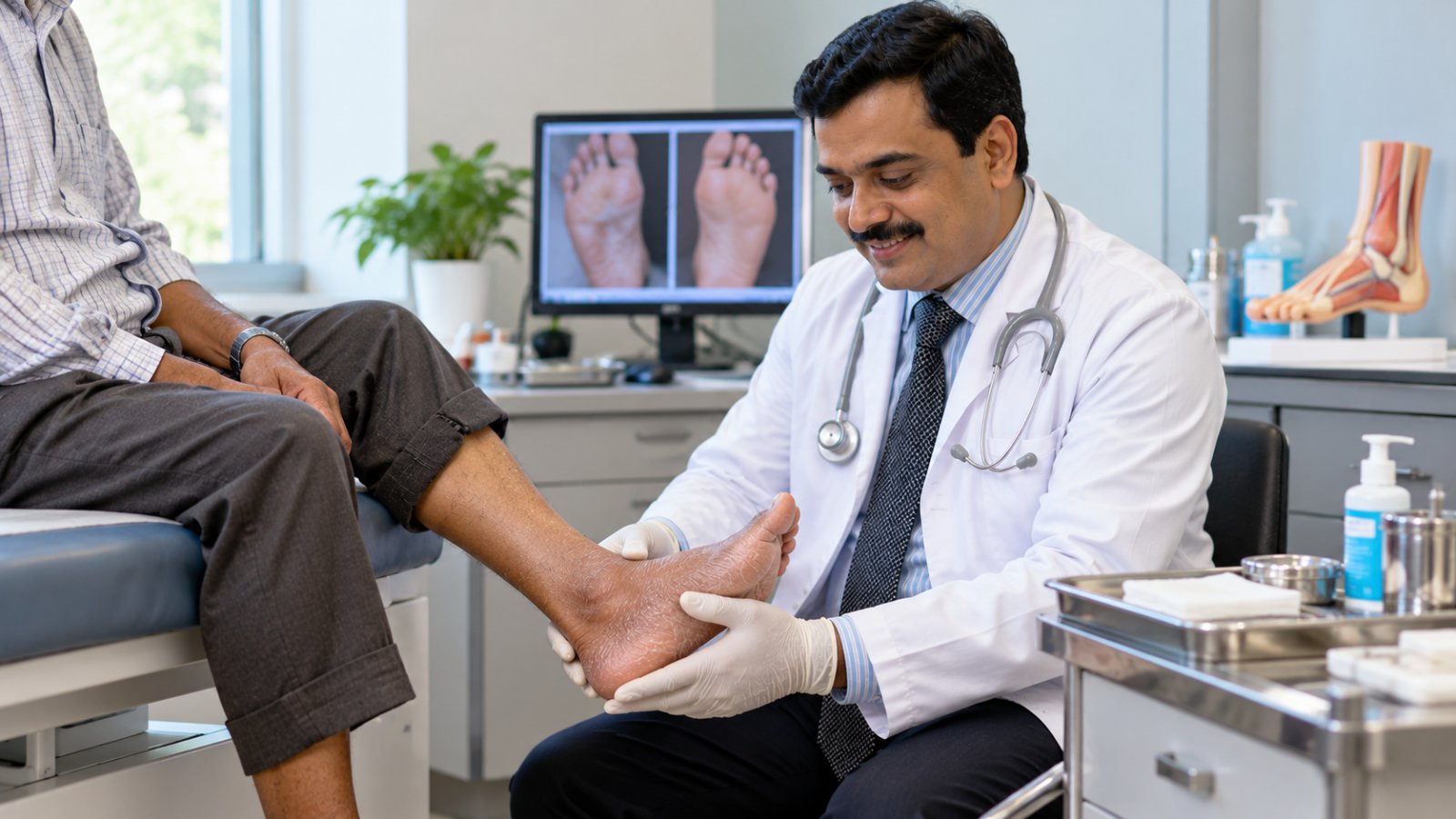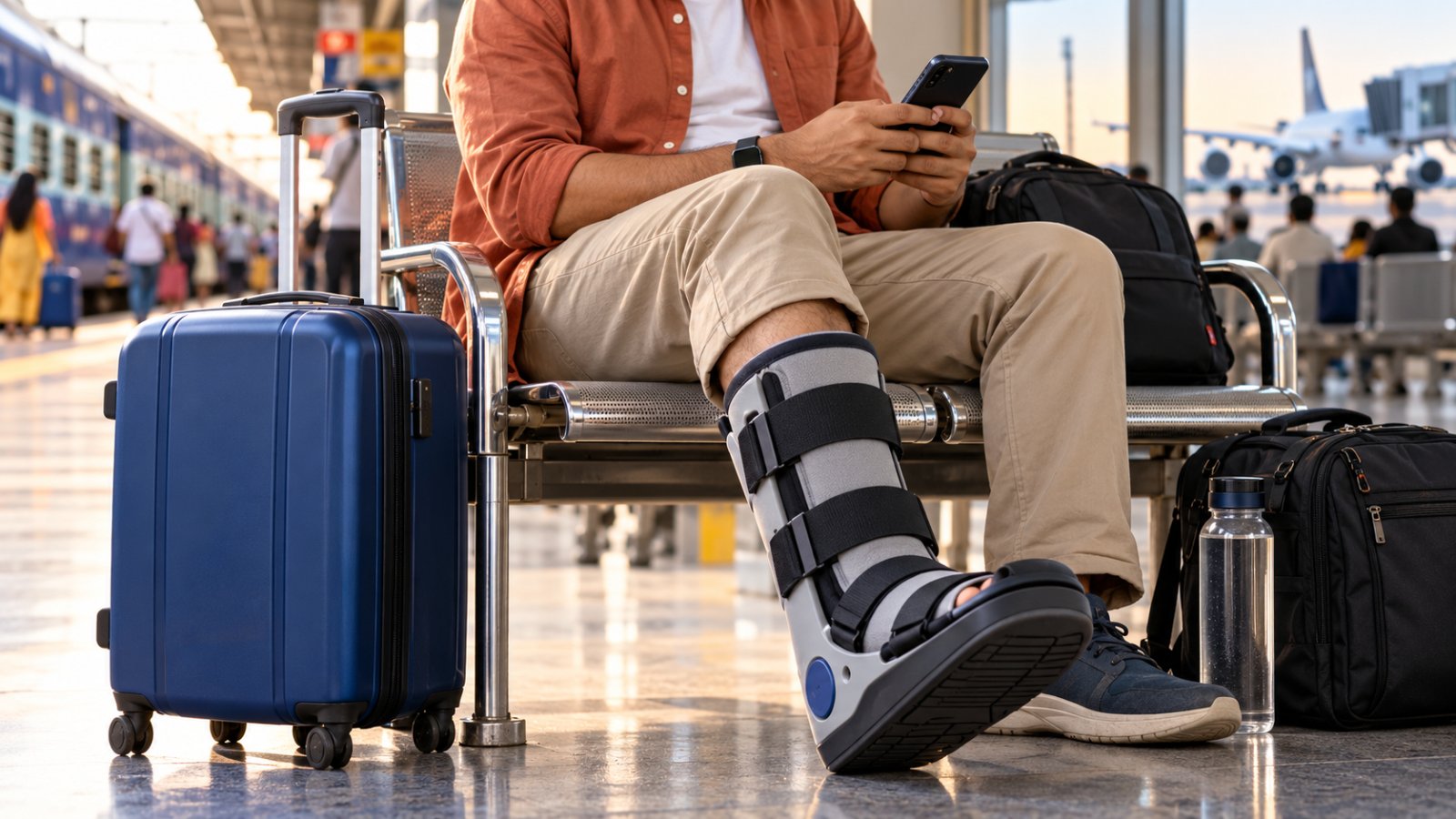

Non healing wound treatment in Jamnagar starts with identifying why a wound remains open or fails to improve. Diabetes, poor blood circulation, infection, repeated pressure and other medical conditions can delay healing. Treatment may include wound cleaning, appropriate dressings, infection management, pressure relief and vascular assessment. Persistent wounds require timely medical evaluation to prevent complications.
What Is a Non-Healing Wound?
A non-healing wound is an injury that does not progress through the expected stages of healing.
Many uncomplicated wounds gradually improve over days or weeks. However, some remain open, become deeper or repeatedly break down.
A wound that remains open for several weeks, particularly one showing little improvement despite appropriate care, may be considered a chronic or non-healing wound.
Common examples include:
-
Diabetic foot ulcers
-
Venous leg ulcers
-
Pressure injuries
-
Arterial ulcers
-
Postoperative wounds
-
Recurrent skin wounds
A wound does not need to be large or painful to require medical attention.
People with diabetes should seek prompt assessment for any new foot wound.
Why Do Some Wounds Fail to Heal?
Wound healing depends on adequate blood supply, healthy tissue, infection control and protection from repeated injury.
Several factors can interrupt this process.
1. Diabetes and High Blood Sugar
Persistently elevated blood glucose can interfere with immune function and tissue repair.
Diabetes can also damage nerves and blood vessels, increasing the risk of unnoticed injuries and delayed healing.
2. Poor Blood Circulation
Blood carries oxygen and nutrients to damaged tissues.
When circulation is reduced, wounds may not receive the resources needed for healing.
Peripheral artery disease can cause:
-
Cold feet
-
Changes in skin colour
-
Pain while walking
-
Slow-healing wounds
-
Tissue damage in severe cases
Patients with suspected circulation problems may require vascular assessment and treatment.
3. Infection
Bacteria can enter damaged skin and cause infection.
An infected wound may develop redness, warmth, swelling, pus or an unpleasant smell.
Severe infections may spread into deeper tissues.
4. Repeated Pressure or Friction
Walking on a foot ulcer or wearing unsuitable footwear can repeatedly damage healing tissue.
Pressure-related wounds may require specialised offloading devices.
5. Dead or Damaged Tissue
Non-viable tissue can interfere with wound assessment and healing.
Appropriate debridement may be necessary in selected cases.
6. Other Medical Conditions
Kidney disease, nutritional deficiencies, swelling and certain medications may affect wound recovery.
The underlying cause must be identified before choosing treatment.
What Are the Warning Signs of a Non-Healing Wound?
A wound may need specialist evaluation when it:
-
Remains open without meaningful improvement
-
Becomes larger or deeper
-
Develops increasing discharge
-
Has persistent redness or swelling
-
Produces pus or an unpleasant smell
-
Develops black or discoloured tissue
-
Reopens repeatedly
-
Has thickened or damaged surrounding skin
-
Causes increasing discomfort
-
Shows no clear progress despite appropriate treatment
Some serious wounds may be painless because of diabetic neuropathy.
A painless wound can still have infection, poor circulation or deeper tissue damage.
When Should You Seek Non Healing Wound Treatment in Jamnagar?
Patients should seek assessment when a wound fails to improve as expected.
The urgency depends on symptoms and medical history.
| Wound condition | Recommended action |
|---|---|
| New foot wound in a person with diabetes | Prompt medical assessment |
| Wound not improving after appropriate care | Specialist reassessment |
| Increasing redness or swelling | Same-day medical review |
| Pus or worsening discharge | Urgent clinical assessment |
| Fever with an infected wound | Emergency hospital care |
| Black tissue or suspected gangrene | Immediate emergency assessment |
| Suddenly cold or pale foot | Emergency vascular assessment |
| Rapidly spreading infection | Immediate hospital treatment |
Early non healing wound treatment in Jamnagar may help identify problems before they cause extensive tissue damage.
Patients with emergency symptoms should seek treatment at the nearest appropriate hospital rather than delaying care to arrange travel.
How Do Doctors Assess a Chronic Wound?
A complete wound assessment involves more than changing the dressing.
Step 1: Medical History
The doctor reviews:
-
Duration of the wound
-
Diabetes history
-
Previous wound treatments
-
Current medications
-
Smoking history
-
Previous infections
-
Circulation problems
-
Other medical conditions
Step 2: Wound Examination
The clinician assesses wound size, depth, location, drainage and surrounding skin.
Signs of infection or dead tissue are also evaluated.
Step 3: Blood Circulation Assessment
Foot pulses, Doppler studies, toe pressures or other vascular investigations may be recommended.
Step 4: Nerve Assessment
Patients with diabetes may undergo monofilament testing to identify reduced protective sensation.
Step 5: Infection Investigations
When infection is suspected, blood tests, appropriate tissue cultures or imaging may be required.
Step 6: Review of Healing Progress
The clinician may compare wound measurements and photographs over time.
If a wound is not improving, the diagnosis and treatment strategy should be reassessed.
What Are the Treatment Options for Non-Healing Wounds?
Treatment depends on the wound's underlying cause.
1. Wound Cleaning
Appropriate cleaning removes surface contamination and helps prepare the wound for dressing.
Patients should avoid using harsh chemicals or unprescribed products on open wounds.
2. Wound Dressings
Dressings help protect the wound and manage moisture.
The type of dressing depends on wound depth, drainage and surrounding skin condition.
3. Debridement
Debridement removes dead or infected tissue when clinically appropriate.
However, patients with severely reduced circulation require careful evaluation before extensive debridement, except when urgent infection control is necessary.
4. Infection Management
Clinically infected wounds may require antibiotics, drainage or surgery.
Antibiotics are not routinely recommended for uninfected diabetic foot ulcers.
For more information, explore diabetic foot infection management.
5. Pressure Offloading
For pressure-related foot wounds, doctors may recommend:
-
Total contact casts
-
Non-removable knee-high offloading devices
-
Removable walking boots
-
Other pressure-relieving devices
6. Vascular Treatment
Patients with poor circulation may require procedures to improve blood flow.
7. Surgical Treatment
Surgery may be needed for deep abscesses, extensive dead tissue, selected bone infections or complex wounds.
Not every chronic wound requires surgery.
Why Is Blood Circulation Important for Wound Healing?
Adequate blood circulation is essential for tissue repair.
Blood delivers oxygen, nutrients and immune cells to the injured area.
When circulation is severely reduced, even appropriate dressings may not result in healing.
Doctors may recommend vascular investigations when a patient has:
-
A persistently open wound
-
Weak or absent foot pulses
-
Cold feet
-
Skin colour changes
-
Rest pain
-
Tissue loss or gangrene
Some patients may benefit from angioplasty, bypass surgery or another vascular intervention.
The appropriate treatment depends on the location and severity of arterial disease.
Advanced Dressings vs Standard Wound Care
Advanced dressings may help manage selected wound conditions, but they do not guarantee faster healing.
| Treatment feature | Standard wound care | Advanced dressings |
|---|---|---|
| Wound protection | Yes | Yes |
| Moisture management | Yes | May provide additional options |
| Drainage absorption | Depends on dressing | Product-specific |
| Infection control | Requires clinical assessment | Cannot replace medical treatment |
| Blood circulation | Not corrected | Not corrected |
| Pressure relief | Requires separate treatment | Not replaced |
| Healing guarantee | No | No |
Advanced wound care should be selected according to the wound's clinical needs.
Patients can explore non-surgical wound management for information about different wound-care approaches.
What If a Wound Is Not Healing After Four Weeks?
A wound that does not show meaningful improvement after approximately four weeks of appropriate care requires reassessment.
The doctor may investigate:
Poor Circulation
Vascular testing may identify reduced blood supply.
Persistent Infection
A deeper infection may require additional investigation or treatment.
Repeated Pressure
An offloading device may be needed or adjusted.
Inadequate Wound Preparation
Non-viable tissue may require appropriate management.
Incorrect Diagnosis
Not every chronic wound is caused by diabetes.
Other conditions, including venous disease, pressure injury, inflammatory disorders or, occasionally, malignancy, may require consideration.
Atypical wounds may need further testing, including biopsy when clinically indicated.
Continuing the same dressing without reassessing an unresponsive wound may delay necessary treatment.
When Is Surgery Necessary for a Non-Healing Wound?
Surgery may be considered when a wound has complications that cannot be managed safely with conservative treatment.
Examples include:
-
Deep abscess
-
Severe infection
-
Extensive non-viable tissue
-
Selected bone infections
-
Gangrene
-
Complex wounds requiring reconstruction
Possible procedures include surgical drainage, debridement, vascular interventions or reconstructive surgery.
Patients requiring further evaluation may review diabetic foot surgery services.
For complex cases, limb salvage treatment may be considered when medically appropriate.
Surgery cannot guarantee wound healing or limb preservation.
When Should Patients Consider Specialist Wound Care?
Patients seeking non healing wound treatment in Jamnagar may require specialist referral when:
-
A wound remains open despite appropriate treatment
-
Infection repeatedly returns
-
The wound becomes deeper
-
Bone infection is suspected
-
Circulation problems are identified
-
Advanced reconstruction is being considered
-
An amputation has been recommended and the patient is medically stable enough for another opinion
Patients should obtain timely local assessment before arranging a non-emergency referral.
Serious infections, gangrene or sudden circulation problems require immediate hospital care.
Non-Healing Wound Care at Elegance Diabetic Foot & Ulcer Clinic
At Elegance Diabetic Foot & Ulcer Clinic in Surat, Dr. Ashutosh Shah is associated with the assessment and management of diabetic foot ulcers and complex wounds.
Patients with persistent wounds may require evaluation of circulation, infection, wound depth and pressure-related factors.
Depending on the findings, the treatment plan may involve:
-
Wound assessment
-
Appropriate dressings
-
Infection management
-
Debridement
-
Pressure offloading
-
Vascular evaluation
-
Surgical assessment
-
Follow-up monitoring
The objective is to identify why healing has stalled and determine appropriate next steps.
Patients considering a specialist consultation should contact the clinic before travelling.
For consultation information, visit Elegance Diabetic Foot & Ulcer Clinic.
How Can Patients Support Wound Healing at Home?
Home care should follow the treating clinician's instructions.
Keep the Wound Protected
Use the prescribed dressing and follow instructions about dressing changes.
Avoid Unnecessary Pressure
For foot wounds, follow advice about walking restrictions and offloading devices.
Maintain Diabetes Management
Take prescribed medicines and monitor blood glucose as advised.
Avoid Home Wound Procedures
Do not cut away dead tissue, remove calluses or use sharp tools on the wound.
Eat a Balanced Diet
Adequate nutrition supports tissue repair.
Patients with kidney disease or other medical conditions may require individual dietary advice.
Attend Follow-Up Visits
Regular review helps determine whether the wound is improving.
Report New Symptoms
Increasing redness, swelling, discharge, fever or skin discolouration should be assessed promptly.
How Can Chronic Wound Complications Be Prevented?
Not every chronic wound can be prevented, but several measures may reduce risk.
Patients should:
-
Inspect their feet regularly
-
Avoid walking barefoot
-
Wear suitable footwear
-
Maintain diabetes management
-
Seek care for new wounds
-
Avoid unprescribed home remedies
-
Attend routine medical reviews
-
Follow pressure-offloading instructions
-
Report signs of infection early
Patients with previous diabetic foot ulcers may benefit from therapeutic footwear services to reduce pressure on vulnerable areas.
Conclusion
Early non healing wound treatment in Jamnagar can help identify the underlying causes of delayed healing and reduce the risk of complications.
Effective chronic wound management requires more than repeated dressing changes. Infection control, blood circulation, pressure relief and appropriate medical treatment all influence recovery.
Patients with persistent or complicated wounds can contact Elegance Diabetic Foot & Ulcer Clinic for specialist assessment and an individualised treatment plan.
quiz Frequently Asked Questions
This article is general education, not a diagnosis. If you have a diabetic foot wound, please have it assessed in person. Send a photo on WhatsApp or book a consultation.
About the Author

Dr. Ashutosh Shah, Plastic, Reconstructive & Diabetic Foot Surgeon, Elegance Diabetic Foot & Ulcer Clinic, Surat
Dr. Ashutosh Shah is a board certified plastic and reconstructive surgeon with over 22 years of experience and more than 10,000 limbs and feet saved. He founded Elegance Diabetic Foot & Ulcer Clinic, India's first chain of clinics dedicated to foot care, with centres in Surat and OPD partners across South Gujarat. He is known for a limb first approach, safe wound care and ethical, natural results.