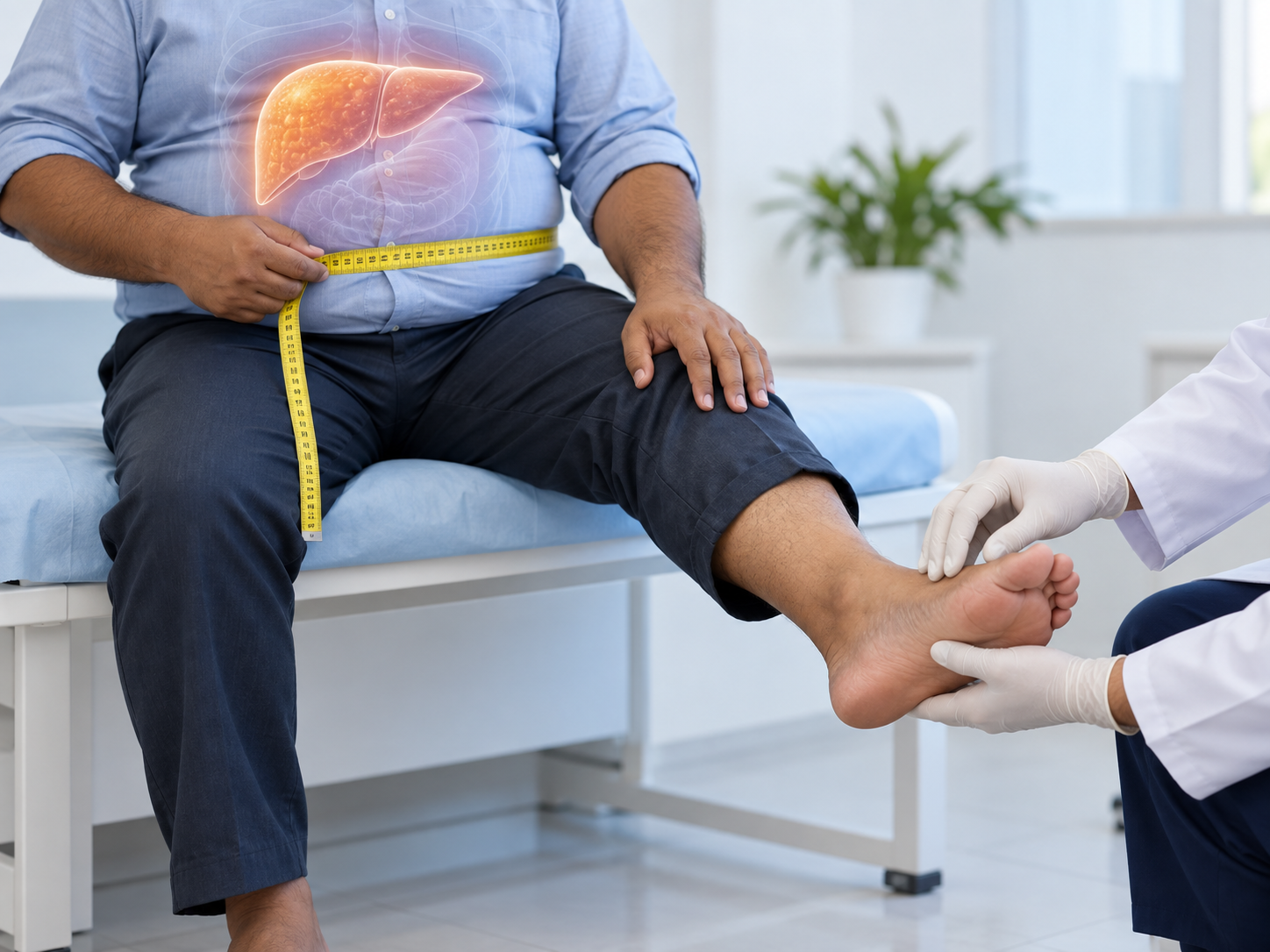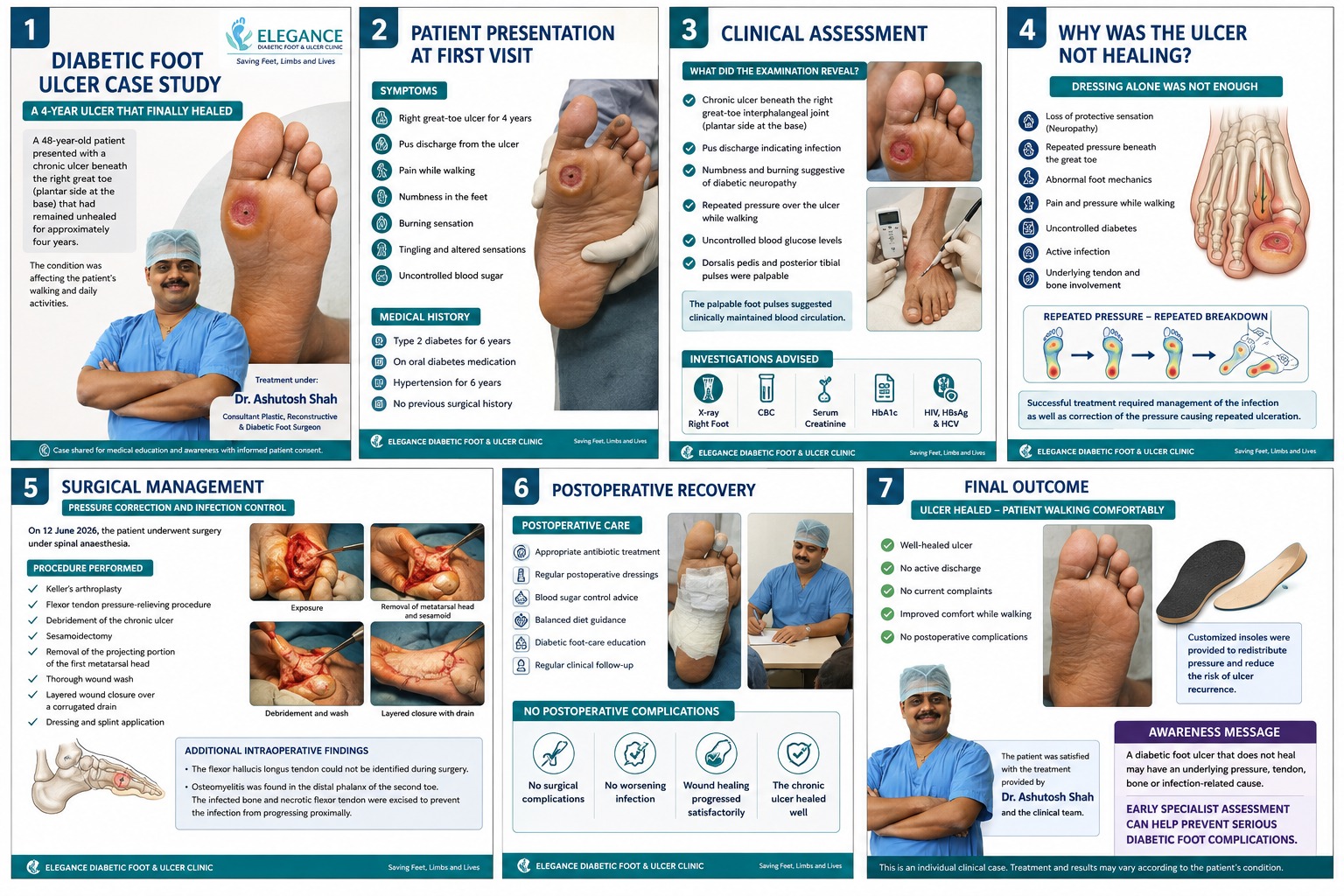
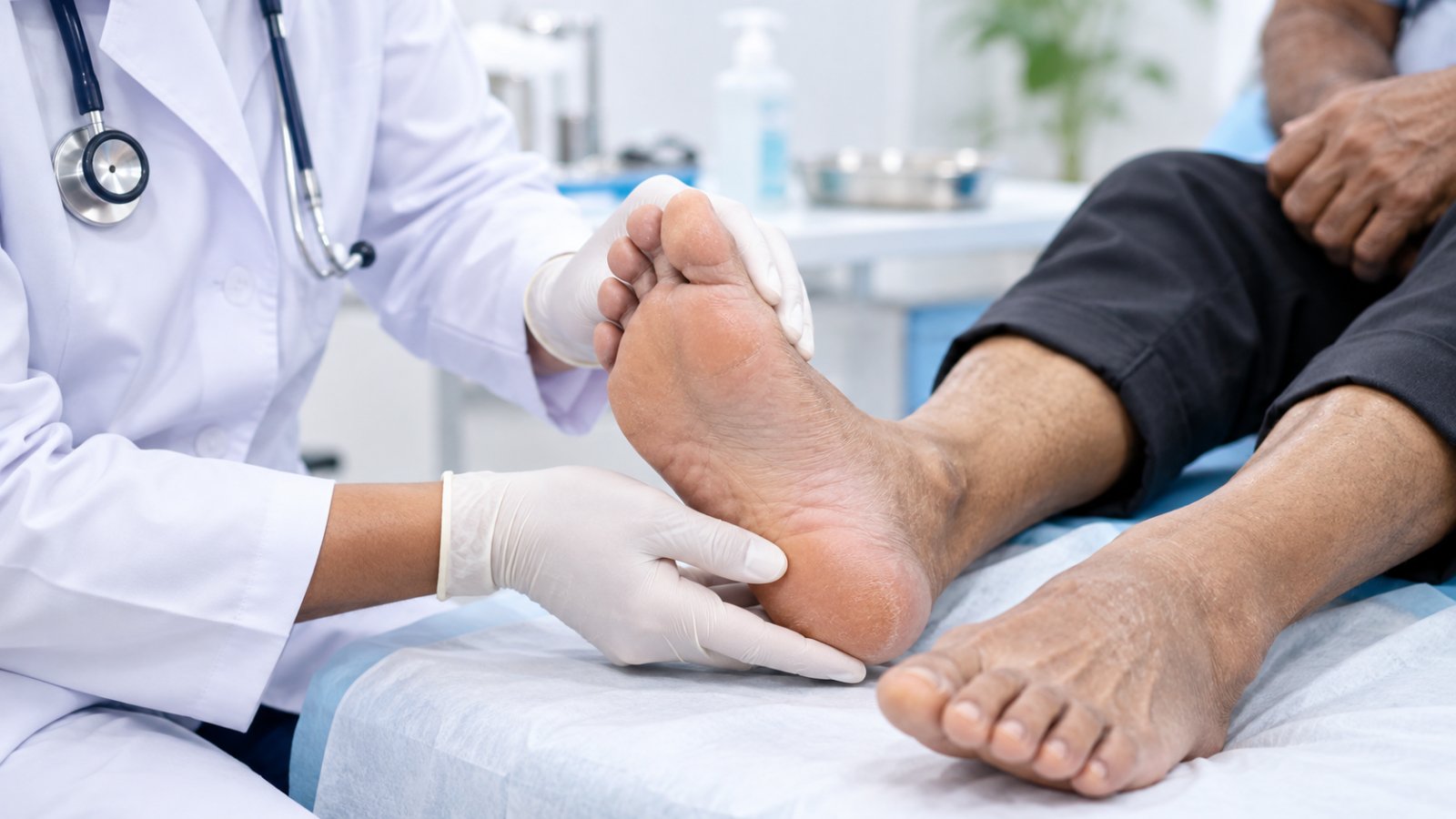
Free diabetic foot screening camps are held periodically across the clinic network. Each screening takes about 20 minutes and checks sensation, foot pulses, footwear, callus, nails and overall diabetic foot risk. However, anyone with an open, foul-smelling or blackened wound should not wait for a free diabetic foot camp and should seek hospital assessment instead.
Regular foot screening is particularly important for people with diabetes because nerve damage and circulation problems can allow an injury to develop without significant pain.
This page will serve as the updated schedule for upcoming and completed camps, so patients can check the latest verified dates and understand what happens during screening.
Which Camps Are Scheduled Next and Where?
Upcoming free diabetic foot camp dates should be listed here as soon as they are confirmed by the participating centre.
Upcoming Camp Schedule
| Date | City & Venue | Timing | Registration Method | Status |
|---|---|---|---|---|
| To be announced | To be confirmed | To be confirmed | To be confirmed | Upcoming |
Past Camps
| Date | City & Venue | Timing | Registration Method | Status |
|---|---|---|---|---|
| 29 August 2026 | Surat | Completed | Closed | Completed |
Do not travel based only on an old social media post or forwarded message. Check the latest confirmed date, venue and timing before leaving for a camp.
You can also view All OPD centres if you need a regular clinic consultation rather than waiting for the next screening event.
For information about the wider initiative, visit the Screening camps programme.
Who Should Attend and Who Should Skip the Camp and Go Straight to Hospital?
A screening camp is intended mainly for people with diabetes who do not currently have an urgent foot problem but want their risk assessed.
You should consider screening if you:
- Have diabetes but have never had your feet formally checked
- Have reduced sensation or numbness
- Have tingling or burning in the feet
- Develop repeated callus
- Have thick or difficult-to-cut nails
- Have changed foot shape
- Have previously had a diabetic foot ulcer
- Are unsure whether your footwear is appropriate
- Have previously been told your circulation is reduced
However, a screening camp is not an emergency service.
Do Not Wait for a Camp If You Have:
- An open diabetic foot wound
- Foul smell from a wound
- A black or blue toe
- Pus or increasing discharge
- Spreading redness
- Sudden significant foot swelling
- Fever with a foot wound
- Rapidly worsening skin changes
These findings require medical assessment rather than waiting for the next camp.
Read the Diabetic foot warning signs so you know which changes need prompt attention.
What Is Checked in the 20-Minute Screening?
A free diabetic foot camp is designed to identify risk before an ulcer develops.
The screening generally takes around 20 minutes and focuses on several important areas.
Monofilament Sensation Test
A monofilament is used at selected points on the foot to assess protective sensation.
Reduced ability to feel the monofilament can indicate loss of protective sensation. This matters because a person may continue walking on a blister, sharp object or pressure point without feeling enough pain to recognise the injury.
Foot Pulses
The examiner checks pulses in the feet as part of the circulation assessment.
Weak or difficult-to-detect pulses may indicate that further vascular assessment is appropriate.
Skin and Callus Check
The feet are examined for areas such as:
- Dry or cracked skin
- Callus
- Pressure points
- Redness
- Previous wound scars
- Changes between the toes
Callus is particularly important because repeated pressure underneath it may contribute to tissue damage.
Nail Assessment
Thick, damaged or difficult-to-manage nails are assessed because inappropriate nail cutting can create wounds, especially when sensation is reduced.
Footwear Assessment
Shoes and slippers are checked for fit and possible pressure points.
A person with reduced sensation may not realise that footwear is rubbing or repeatedly pressing against one area.
More information about routine assessment is available on our Preventive screening page.
What Do the Risk Grades Mean for You?
Screening is not only about finding whether a problem exists. The findings should help determine how closely the feet need to be monitored.
| Risk Grade | What Screening Found | Review Approach | Action |
|---|---|---|---|
| Low risk | No major loss of protective sensation or obvious high-risk finding | Periodic preventive review | Continue daily foot checks and preventive care |
| Moderate risk | One or more risk factors requiring closer observation | More frequent review | Follow the recommended preventive plan and footwear advice |
| High risk | Significant risk factors, previous ulcer or other concerning findings | Close specialist follow-up | Arrange clinic assessment and a personalised prevention plan |
| Active ulcer | An existing open wound or active diabetic foot problem | Do not wait for routine screening | Seek medical/hospital assessment promptly |
The exact risk category should be explained after the examination because individual findings may change the recommended follow-up interval.
A high-risk result does not necessarily mean an ulcer is inevitable. It means preventive care and follow-up need to be taken more seriously.
How Do You Register and What Should You Bring?
Registration arrangements may differ between camps. Once a camp is officially scheduled, this page should be updated with its verified:
- Date
- Venue
- Timing
- Registration method
- Contact details
- Registration status
Do not publish an unverified phone number or venue simply to complete the listing.
What Should You Bring?
If available, bring:
- Recent diabetes reports
- Current medication list
- Previous foot or wound reports
- Previous vascular or circulation reports
- Your usual shoes or slippers
- Details of any previous foot ulcer or surgery
Bringing your everyday footwear is particularly useful because it allows the screening team to look for possible pressure or fit problems.
If there is no upcoming camp in your area, a regular clinic assessment may be more appropriate than postponing screening indefinitely.
What Happens After Screening If You Are Graded High Risk?
A high-risk result means the screening has identified factors that increase the likelihood of future foot injury or ulceration.
The next step depends on what was found.
For example, the patient may need:
- A more detailed foot examination
- Regular preventive follow-up
- Footwear modification
- Callus management
- Further circulation assessment
- Additional assessment of sensation
- Education about daily foot inspection
- Specialist evaluation for a previous ulcer or deformity
The purpose is to act on the risk before an ulcer develops.
If an active wound is discovered during screening, the patient should not simply wait for another screening camp. The wound requires clinical assessment and an appropriate treatment plan.
Why Diabetic Foot Screening Matters Even When Nothing Hurts
One of the problems with diabetic foot disease is that absence of pain does not always mean absence of injury.
Peripheral neuropathy can reduce protective sensation. A person may therefore continue walking despite:
- A blister
- Excessive shoe pressure
- A small cut
- A developing callus
- Heat or friction injury
Without normal warning pain, seemingly minor damage can continue unnoticed.
Screening helps identify people who have already lost some of this protective sensation so preventive measures can be introduced earlier.
Screening Is Different From Wound Treatment
A screening camp is primarily a preventive assessment, not a substitute for wound treatment.
Its purpose is to identify risk factors, examine the feet and guide the patient towards appropriate preventive care or further assessment.
Patients should not attend expecting procedures or extensive wound treatment to be performed during a screening session.
If you already have an ulcer, infection or another active diabetic foot problem, contact an appropriate healthcare service rather than delaying treatment until the next camp.
Get Updates About the Next Free Diabetic Foot Camp
Because camp dates change, patients should use the clinic's verified registration or date-alert system once available.
The website can provide a simple WhatsApp or email date-alert form where patients submit their preferred city and contact details to receive information when the next camp is confirmed.
This keeps the page useful even when no camp is currently scheduled.
Only confirmed dates should appear in the upcoming camp table.
Conclusion
A free diabetic foot camp can help identify loss of sensation, circulation concerns, callus, footwear problems and other risk factors before they develop into more serious complications.
Each screening takes approximately 20 minutes and should result in a risk grade that helps guide future preventive care.
However, screening camps are intended for prevention not emergencies. If you have an open wound, foul smell, blackened skin or toe, spreading redness, significant swelling or fever, do not wait for the next camp. Seek appropriate medical or hospital assessment.
For ongoing guidance between camps, use the Diabetic foot warning signs page and check the latest verified camp schedule before travelling.
quiz Frequently Asked Questions
This article is general education, not a diagnosis. If you have a diabetic foot wound, please have it assessed in person. Send a photo on WhatsApp or book a consultation.
About the Author

Dr. Ashutosh Shah, Plastic, Reconstructive & Diabetic Foot Surgeon, Elegance Diabetic Foot & Ulcer Clinic, Surat
Dr. Ashutosh Shah is a board certified plastic and reconstructive surgeon with over 22 years of experience and more than 10,000 limbs and feet saved. He founded Elegance Diabetic Foot & Ulcer Clinic, India's first chain of clinics dedicated to foot care, with centres in Surat and OPD partners across South Gujarat. He is known for a limb first approach, safe wound care and ethical, natural results.