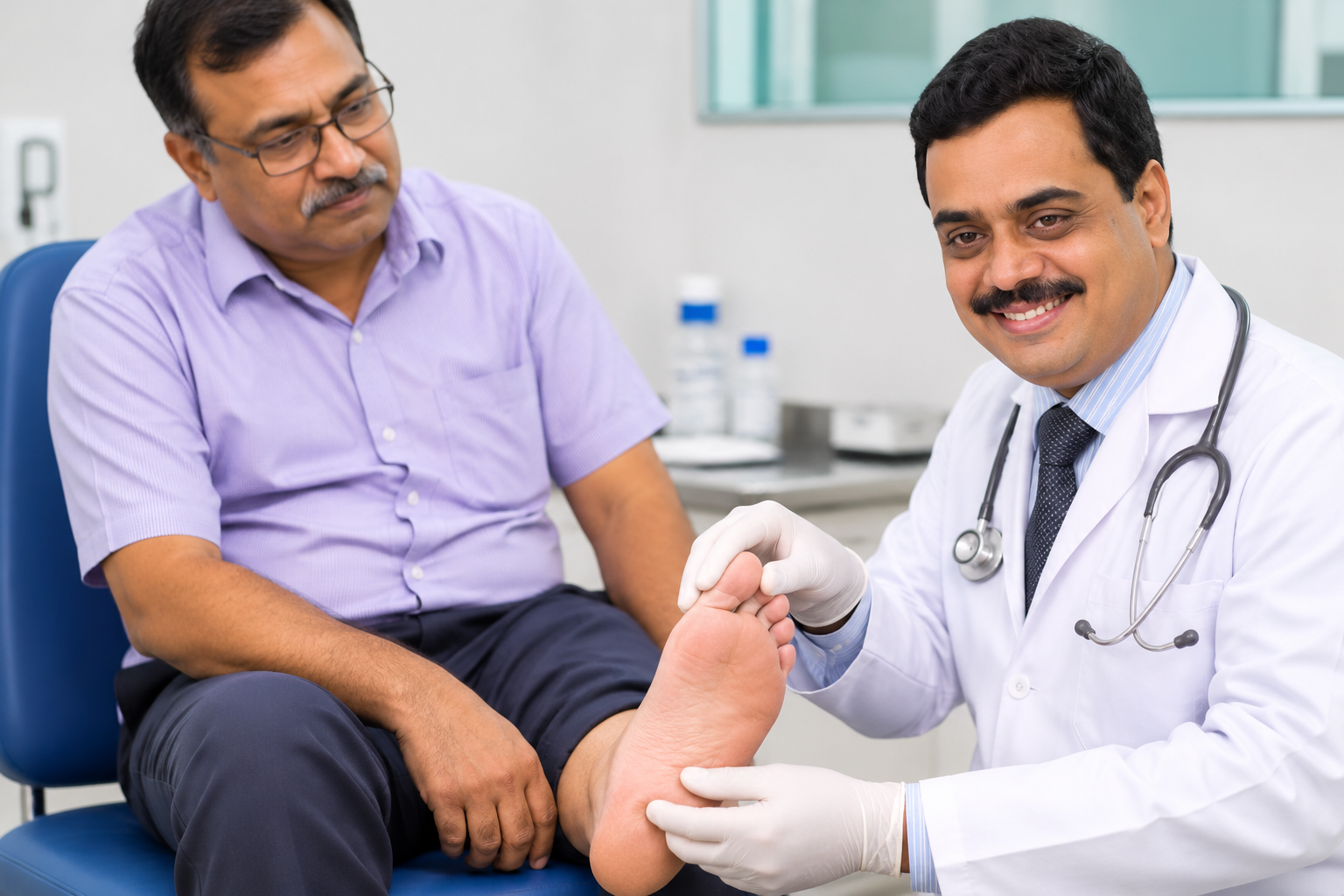
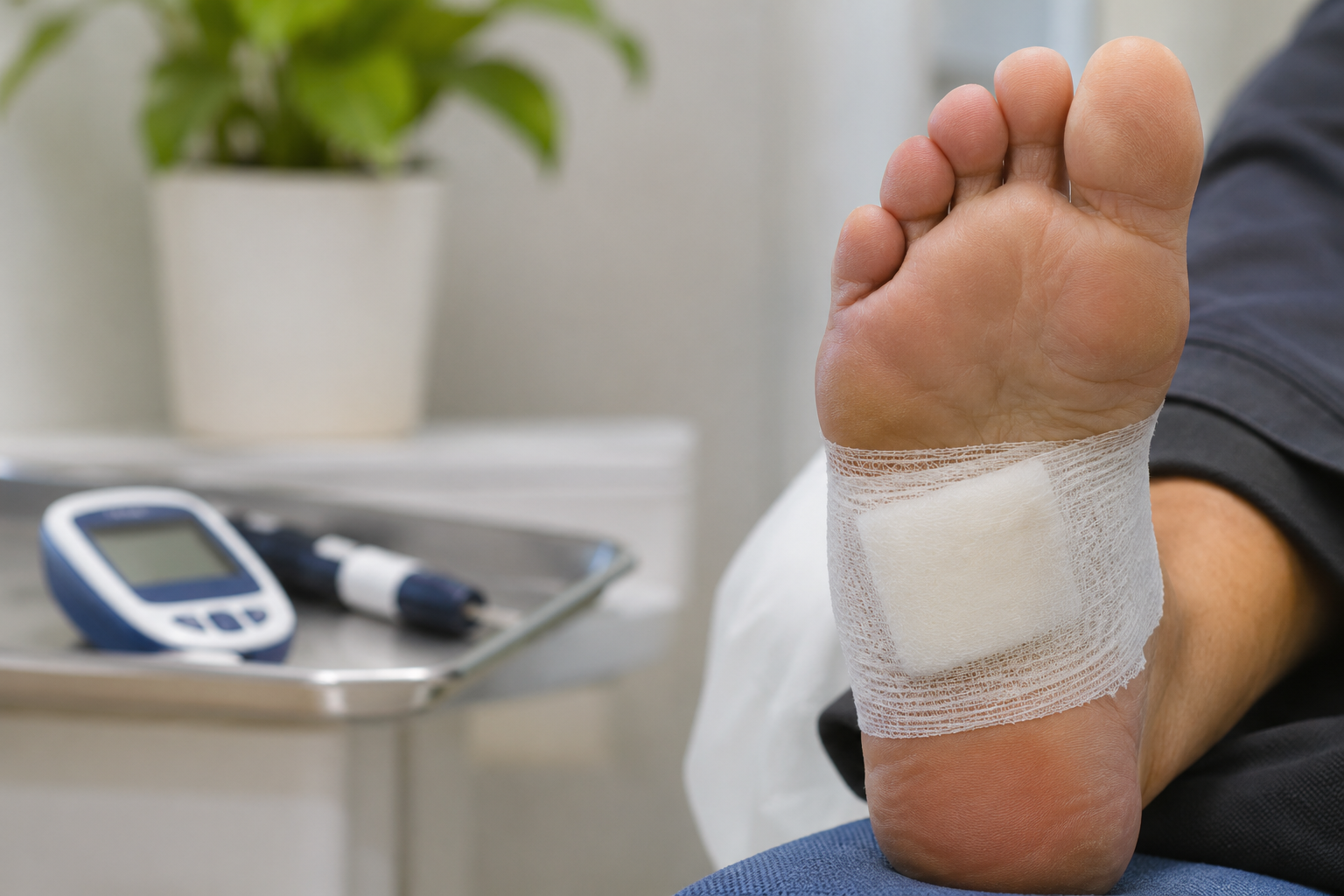
Healing time with diabetic foot ulcer treatment depends on wound depth, infection, blood flow to the foot and blood sugar management. Small, clean wounds with adequate circulation may heal faster than deep or infected ulcers. Taking pressure off the wound and following the prescribed dressing plan are among the most important steps patients can take to support healing.
Diabetic foot ulcer treatment healing time varies from person to person. Some ulcers improve within weeks, while complex wounds may take several months or require additional procedures.
Understanding the stages of healing can help patients recognise progress, follow treatment instructions and identify warning signs early.
What Decides How Fast a Diabetic Foot Ulcer Heals?
Several factors influence how quickly a diabetic foot wound closes.
1. Wound Size and Depth
Small, superficial ulcers generally have a better chance of healing quickly than deep wounds involving tendons or other structures.
Larger ulcers often require more time for healthy tissue to develop and the wound edges to close.
2. Blood Circulation
Adequate blood flow delivers oxygen and nutrients needed for tissue repair.
Peripheral artery disease can reduce circulation and significantly delay healing.
A doctor may recommend Doppler ultrasound, toe-pressure testing or other vascular investigations if poor circulation is suspected.
3. Infection
Infection can damage surrounding tissue and delay recovery.
Signs may include redness, swelling, warmth, discharge or worsening tissue damage.
Deep infections sometimes require surgical assessment.
4. Blood Sugar Management
Poorly managed blood glucose can interfere with immune function and tissue repair.
Diabetes management is therefore an important part of wound treatment.
5. Pressure on the Wound
Repeated pressure during walking can damage healing tissue.
Offloading devices and appropriate footwear help reduce pressure and protect the affected area.
Patients who continue walking directly on an ulcer may experience slower healing.
For more information about delayed recovery, read why a diabetic foot ulcer is not healing.
Diabetic Foot Ulcer Treatment in Bhavnagar: What Affects Recovery?
Patients researching diabetic foot ulcer treatment in bhavnagar should understand that healing depends more on wound condition and appropriate treatment than on location alone.
An early medical assessment helps identify whether infection, reduced sensation or poor circulation is contributing to delayed recovery.
A typical treatment plan may include:
-
Wound examination and measurement
-
Blood glucose assessment
-
Nerve sensation testing
-
Blood circulation evaluation
-
Appropriate wound dressings
-
Pressure offloading
-
Infection treatment when required
-
Regular follow-up visits
Some patients need additional investigations or specialist assessment when an ulcer is deep, recurrent or not improving.
Patients with rapidly spreading infection, black or wet tissue, fever with a worsening wound, or a suddenly cold or pale foot should seek immediate medical attention at the nearest appropriate hospital.
Our page on diabetic foot ulcer treatment explains how the clinic plans care from the first visit.
What Does Each Healing Stage Look Like?
Diabetic foot ulcers usually heal gradually rather than disappearing suddenly.
The stages may overlap, and not every patient follows the same timeline.
Diabetic Foot Ulcer Healing Timeline
| Healing Stage | What You May See | What to Do | Warning Sign |
|---|---|---|---|
| Initial assessment | Wound size, depth and surrounding tissue are examined | Follow the treatment plan and protect the foot | Rapidly spreading redness |
| Early treatment | Drainage or inflammation may begin to improve | Continue prescribed dressings and offloading | Fever or increasing discharge |
| Healing progression | Healthy tissue develops and wound size may decrease | Attend follow-up appointments | Wound becoming deeper or larger |
| Wound closure | New skin gradually covers the affected area | Continue pressure protection | Wound reopening |
| After healing | Skin has closed but remains vulnerable | Use suitable footwear and preventive care | New blisters, calluses or ulcers |
Important: These stages do not represent fixed weekly milestones.
A clinician should monitor wound measurements and tissue condition to determine whether healing is progressing appropriately.
When Does Improvement Usually Become Visible?
Early improvement may include reduced inflammation, healthier wound tissue or gradual reduction in wound size.
However, wound appearance alone cannot reliably predict complete healing.
Deep wounds, poor circulation and persistent pressure may require additional treatment.
The final healing period should be estimated only after examining the wound.
How Much Does Blood Sugar Control Matter?
Blood glucose management is an important part of diabetic foot ulcer treatment recovery.
Persistently elevated blood glucose can affect immune responses and the body's ability to repair damaged tissue.
It may also increase the risk of infection.
How Patients Can Support Blood Sugar Management
Patients should:
-
Take prescribed diabetes medicines regularly.
-
Monitor blood glucose as advised.
-
Follow an individualised meal plan.
-
Attend recommended diabetes reviews.
-
Discuss unusual glucose readings with their treating doctor.
-
Avoid changing medication doses without medical advice.
Blood glucose targets should be personalised according to the patient's age, medical conditions and treatment plan.
Good glucose management supports healing but does not replace wound care, offloading or circulation assessment.
Why Does Pressure on the Wound Slow Healing?
Repeated pressure is one of the most important reasons diabetic foot ulcers may remain open.
When a person walks, body weight places pressure on the soles of the feet.
If an ulcer is located on a weight-bearing area, repeated pressure can damage newly forming tissue.
Patients with neuropathy may not feel this damage because protective sensation is reduced.
What Is Pressure Offloading?
Offloading means reducing pressure on the affected area.
Depending on the ulcer and patient, the doctor may recommend:
-
A non-removable knee-high offloading device
-
A removable walking device
-
Specialised footwear
-
Custom insoles
-
Activity modifications
-
Other appropriate pressure-relief methods
For suitable neuropathic plantar forefoot or midfoot ulcers, guidelines often favour non-removable knee-high offloading devices when there are no contraindications.
The correct device depends on infection, circulation, wound location and other clinical factors.
Patients should not stop using prescribed offloading equipment simply because the wound appears better.
How Often Should Diabetic Foot Ulcer Dressings Be Changed?
Dressing frequency depends on the wound's condition and the type of dressing used.
Some dressings require frequent changes, while others may remain in place longer when clinically appropriate.
The doctor considers:
-
Amount of wound drainage
-
Infection status
-
Dressing material
-
Surrounding skin condition
-
Wound depth
-
Treatment response
Changing dressings too frequently or using unsuitable products may disturb healing tissue.
Patients should follow the prescribed dressing schedule rather than changing dressings based only on appearance.
For a clinical example, see the non healing diabetic foot ulcer treatment
When Is a Diabetic Foot Wound Not Healing as Expected?
A diabetic foot ulcer should be reassessed if it is not showing meaningful progress despite appropriate treatment.
Warning signs include:
-
No reduction in wound size over time
-
Increasing wound depth
-
Persistent or worsening discharge
-
New redness or swelling
-
Repeated wound reopening
-
Development of black tissue
-
Increasing pain or new symptoms
-
Signs of reduced circulation
Clinicians often reassess treatment when a wound has not reduced substantially after approximately four weeks of appropriate care.
This does not mean every wound must heal within four weeks.
Instead, inadequate progress may indicate that infection, circulation, pressure or another contributing factor needs further investigation.
Why Might Medicines Alone Not Work?
Medicines cannot correct every cause of delayed healing.
For example, antibiotics may treat a clinically infected wound, but they do not remove repeated pressure or restore inadequate blood flow.
A wound may also require debridement or additional specialist care.
Read the clinic's diabetic foot ulcer case study 4 year ulcer healed for an example of a prolonged wound treatment journey.
Individual case outcomes should not be treated as guarantees of similar results.
What Can Patients Do to Support Faster Healing?
There is no guaranteed shortcut to wound closure, but following an appropriate treatment plan can improve the conditions needed for healing.
Follow the Dressing Schedule
Keep the wound protected and attend dressing appointments as advised.
Reduce Pressure
Use prescribed offloading devices consistently.
Manage Diabetes
Follow the diabetes management plan recommended by the treating clinician.
Avoid Tobacco
Smoking and other tobacco exposure can impair circulation and tissue repair.
Maintain Appropriate Nutrition
Adequate protein, calories and hydration support general health and wound repair.
Patients with kidney disease may require individual dietary guidance.
Attend Follow-Up Visits
Regular reviews allow the doctor to measure healing and adjust treatment when necessary.
Protect the Other Foot
Patients should inspect both feet daily and wear suitable protective footwear.
Diabetic Foot Ulcer Treatment at Elegance Diabetic Foot & Ulcer Clinic
At Elegance Diabetic Foot & Ulcer Clinic, Dr. Ashutosh Shah, a Plastic and Reconstructive Surgeon with MS, MCh and DNB qualifications, is involved in the assessment and surgical management of complex wounds, including selected diabetic foot complications. Patients with persistent ulcers, recurrent wounds or concerns about limb preservation may enquire about an appropriate specialist consultation.
A comprehensive assessment may include wound examination, infection evaluation, nerve testing and blood circulation assessment.
Treatment decisions depend on the wound's condition and may involve non-surgical care, pressure offloading, additional investigations or surgery when clinically necessary.
Patients can discuss their wound history, previous treatment and follow-up requirements before planning a visit.
Conclusion
Diabetic foot ulcer treatment healing time depends on several factors, including wound depth, infection, circulation, blood glucose management and pressure offloading.
Small wounds with adequate circulation may heal sooner, while deep or complicated ulcers often require longer treatment and repeated assessment.
Following the prescribed dressing schedule, protecting the wound from pressure and attending regular follow-up appointments are essential parts of recovery.
If a diabetic foot wound is not improving, early reassessment can help identify problems before they become more serious.
For specialist consultation enquiries, contact Elegance Diabetic Foot & Ulcer Clinic.
quiz Frequently Asked Questions
This article is general education, not a diagnosis. If you have a diabetic foot wound, please have it assessed in person. Send a photo on WhatsApp or book a consultation.
About the Author

Dr. Ashutosh Shah, Plastic, Reconstructive & Diabetic Foot Surgeon, Elegance Diabetic Foot & Ulcer Clinic, Surat
Dr. Ashutosh Shah is a board certified plastic and reconstructive surgeon with over 22 years of experience and more than 10,000 limbs and feet saved. He founded Elegance Diabetic Foot & Ulcer Clinic, India's first chain of clinics dedicated to foot care, with centres in Surat and OPD partners across South Gujarat. He is known for a limb first approach, safe wound care and ethical, natural results.