Written by Dr. Ashutosh Shah, Diabetic Foot and Ulcer Specialist, Elegance Diabetic Foot & Ulcer Clinic (EDFC), Jamnagar.
Medically reviewed by Dr. Ashutosh Shah
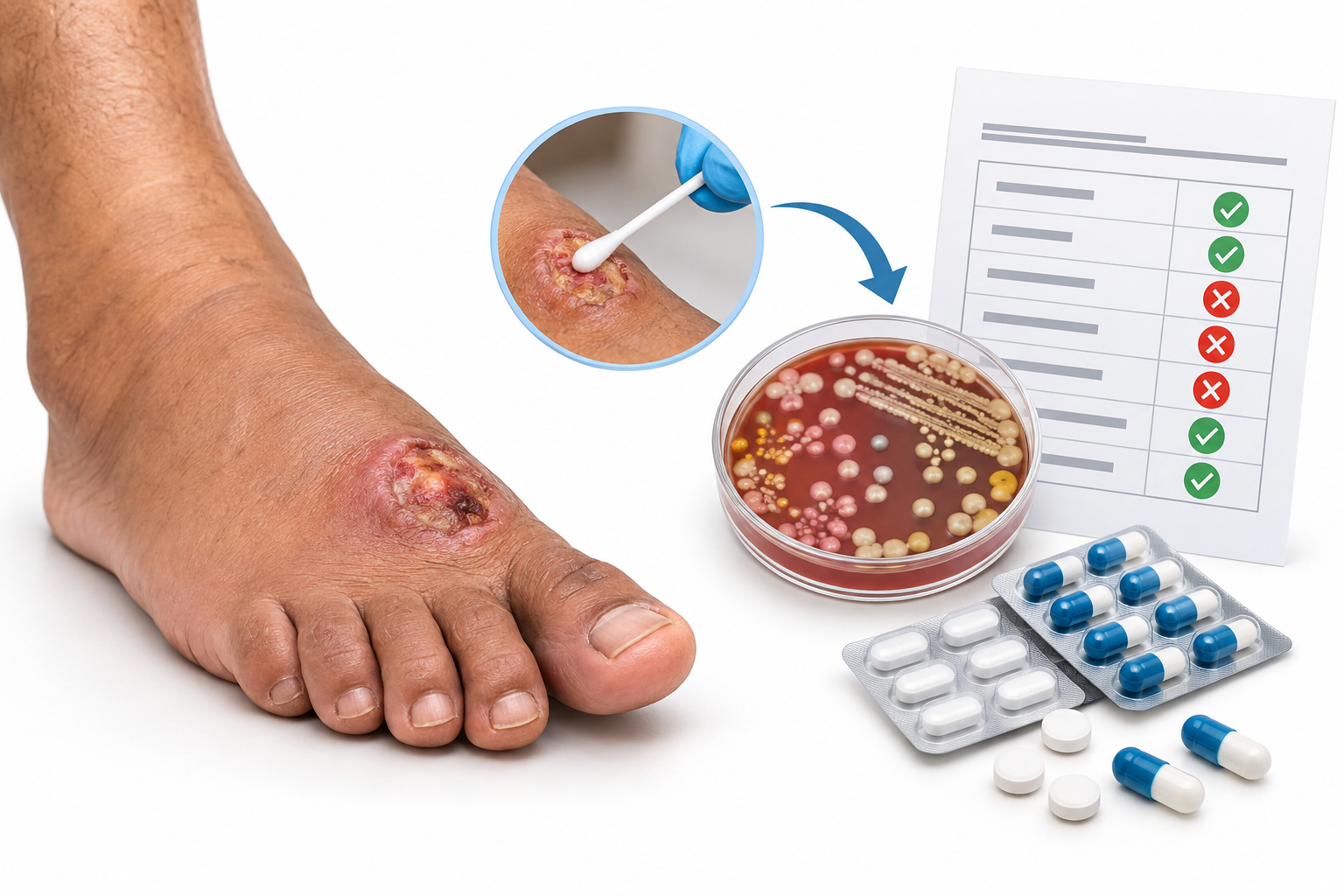
Diabetic foot treatment in Jamnagar, Gujarat combines careful evaluation, wound cleaning, debridement, infection control, pressure relief, and blood sugar management. At Elegance Diabetic Foot & Ulcer Clinic (EDFC), each step is planned to heal wounds early and prevent serious complications such as deep infection or amputation.
Diabetes can affect your feet in many ways, and small problems can become dangerous quickly. This guide explains what happens during care, why it matters, and how to protect your foot health with timely treatment and daily habits.
What Happens During Diabetic Foot Treatment?
Diabetic foot treatment is a structured process that treats the wound while managing the diabetes behind it. High blood sugar may damage nerves and reduce blood flow, making it difficult to feel injuries or heal wounds. As a result, even a small cut or blister can develop into a serious infection if left untreated. Understanding what happens during treatment can help you seek care at the right time and protect your foot health.
Why Is Diabetic Foot Treatment Important?
Diabetic foot treatment is important because people with diabetes are at a higher risk of developing foot problems. This risk comes from nerve damage, poor circulation, and a weakened ability to fight infections. Early treatment prevents minor issues from becoming severe complications. Regular foot care also lowers the risk of ulcers, infections, and amputations. According to international diabetic foot guidelines, timely, structured care is one of the most effective ways to prevent limb loss.
What Are the Steps of Diabetic Foot Treatment in Jamnagar, Gujarat?
Diabetic foot treatment follows a series of steps, starting with a medical evaluation and moving through wound care, infection control, pressure relief, and follow up. The order below reflects how we approach diabetic foot ulcer treatment at our Jamnagar clinic.
Step 1, Medical Evaluation
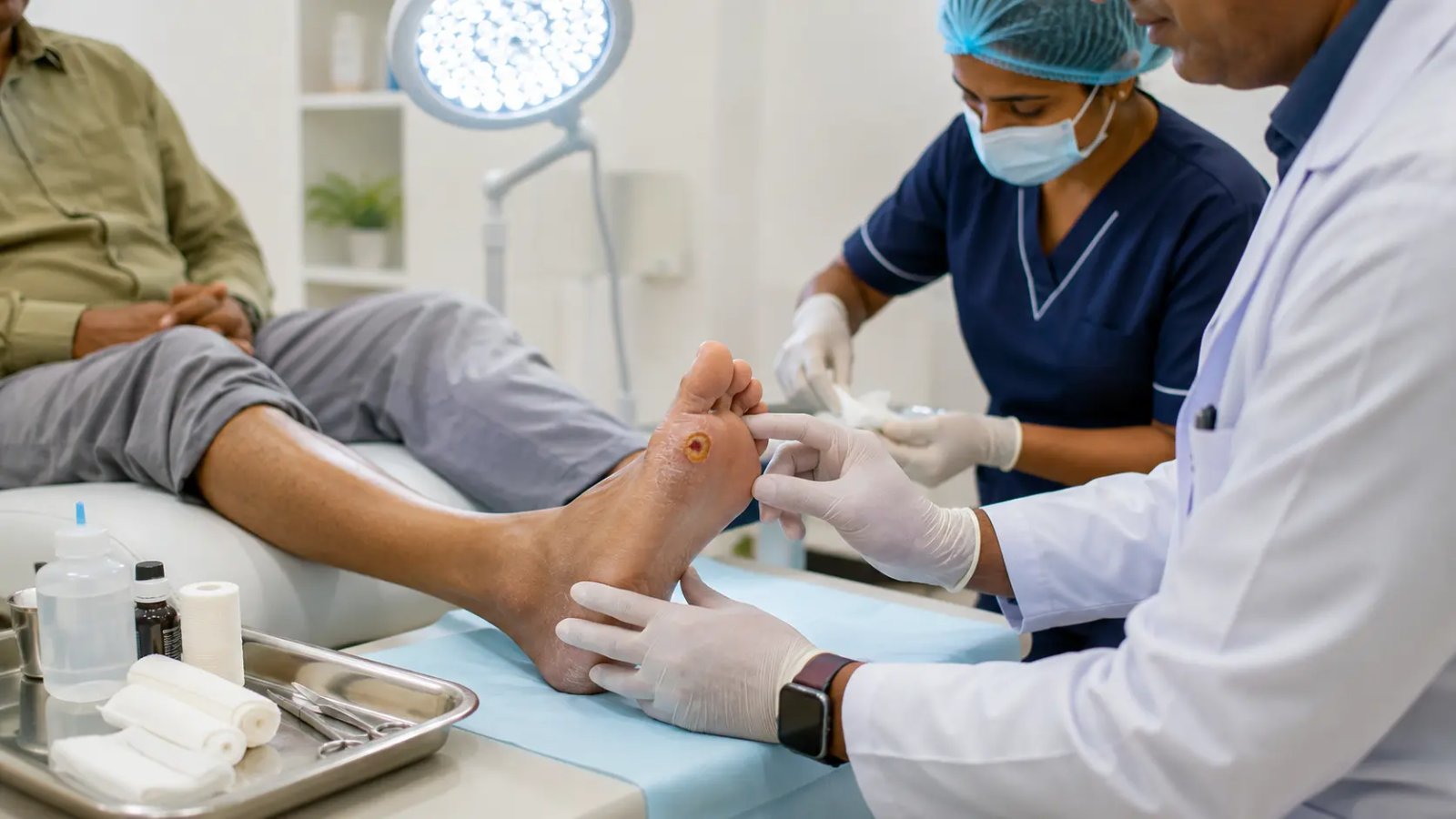
The first step in diabetic foot treatment is a thorough examination. Your doctor will assess your overall health and examine your feet carefully.
During the evaluation, the doctor may:
- Check your blood sugar levels and diabetes history.
- Examine your feet for cuts, blisters, ulcers, swelling, redness, or infection.
- Test sensation to identify nerve damage.
- Check blood circulation by examining pulses in your feet.
- Review your footwear and daily foot care habits.
This assessment helps determine the best treatment plan for your condition.
Step 2, Cleaning the Wound
If you have a foot ulcer or open wound, the affected area is cleaned carefully to remove dirt, bacteria, and dead tissue. Keeping the wound clean reduces the risk of infection and supports faster healing. Doctors use sterile techniques and appropriate dressings to protect the wound during recovery.
Step 3, Debridement
Debridement means removing dead, damaged, or infected tissue from the wound. This process encourages healthy tissue to grow and improves healing. Depending on the condition of the wound, your doctor may perform surgical, mechanical, enzymatic, or autolytic debridement. The most suitable method depends on the size and severity of the wound.
| Debridement method | How it works | Often used when |
|---|---|---|
| Surgical | Dead tissue is removed with sterile instruments. | Larger wounds or heavy dead tissue. |
| Mechanical | Dressings or irrigation lift away debris. | Wounds with loose or moist debris. |
| Enzymatic | A medical ointment breaks down dead tissue. | Slow, controlled cleaning is preferred. |
| Autolytic | The body's own fluids soften dead tissue under a dressing. | Smaller wounds and gentler care. |
Step 4, Infection Control
If an infection is present, your doctor will begin treatment immediately.
Treatment may include:
- Oral or intravenous antibiotics.
- Wound cultures to identify bacteria.
- Regular monitoring of the infection.
- Drainage of abscesses if necessary.
Prompt treatment helps prevent the infection from spreading to deeper tissues or bones.
Step 5, Pressure Relief
Reducing pressure on the affected foot is essential for healing. Walking on a foot ulcer can delay recovery and worsen the wound.
Doctors may recommend:
- Special diabetic footwear.
- Custom orthotics.
- Offloading shoes.
- Total contact casts.
- Crutches or walkers in severe cases.
Pressure relief allows the wound to heal without repeated stress.
Step 6, Blood Sugar Management
Good blood sugar control is one of the most important parts of diabetic foot treatment. High glucose levels slow wound healing and increase the risk of infection.
Your healthcare team may recommend:
- Medication adjustments.
- Healthy meal planning.
- Regular physical activity.
- Frequent blood sugar monitoring.
Keeping diabetes under control supports faster recovery.
Step 7, Improving Blood Circulation
Poor circulation can slow healing. If blood flow to your feet is reduced, additional treatment may be needed.
Your doctor may recommend:
- Vascular assessment.
- Medications to improve circulation.
- Lifestyle changes such as quitting smoking.
- Procedures to restore blood flow when necessary.
Better circulation delivers the oxygen and nutrients needed for tissue repair.
Step 8, Advanced Wound Care
Some diabetic foot wounds require advanced treatments to encourage healing.
Depending on your condition, your doctor may use:
- Advanced wound dressings.
- Negative pressure wound therapy.
- Growth factor therapy.
- Skin grafts or tissue substitutes.
- Hyperbaric oxygen therapy in selected cases.
These treatments are typically recommended for wounds that heal slowly.
Step 9, Regular Follow Up
Diabetic foot treatment requires ongoing monitoring. Your doctor will schedule regular visits to:
- Check wound healing.
- Change dressings.
- Monitor for infection.
- Adjust treatment if needed.
- Provide guidance on preventing future foot problems.
Following the recommended schedule improves healing outcomes.
How Can You Prevent Diabetic Foot Problems?
You can prevent most diabetic foot problems with daily foot care and steady blood sugar control. Small, consistent habits catch issues early, before they turn into ulcers or infections.
You should:
- Inspect your feet every day.
- Wash and dry your feet carefully.
- Moisturize dry skin, avoiding the areas between the toes.
- Wear comfortable, well fitting shoes.
- Trim your toenails carefully.
- Avoid walking barefoot.
- Control your blood sugar consistently.
- Visit your doctor regularly for foot examinations.
When Should You See a Doctor?
See a doctor immediately if a foot wound is not healing or shows signs of infection. Early treatment greatly reduces the risk of serious complications.
Seek medical attention right away if you notice:
- A wound that does not heal.
- Redness, warmth, or swelling.
- Drainage or pus.
- Blackened skin.
- Severe pain or sudden numbness.
- Fever along with a foot wound.
Diabetic Foot Treatment at Elegance Diabetic Foot & Ulcer Clinic (EDFC)
At Elegance Diabetic Foot & Ulcer Clinic (EDFC), we focus fully on diabetic foot and wound care. In our clinic in Jamnagar we commonly see wounds that started as a small blister or crack, which is why we treat every foot problem early and thoroughly. If you are looking for reliable diabetic foot treatment in Jamnagar, Gujarat, our team led by Dr. Ashutosh Shah offers evaluation, advanced wound care, and follow up under one roof. You can learn more about Dr. Ashutosh Shah or explore our full diabetic foot treatment services.
Conclusion
Diabetic foot treatment involves careful assessment, wound cleaning, debridement, infection control, pressure relief, blood sugar management, circulation improvement, and regular follow up. Every step is designed to promote healing while preventing serious complications. If you have diabetes, never ignore changes in your feet. Early diagnosis and prompt treatment can help protect your mobility and overall health for years to come. To start your care, book an appointment with our team or contact the clinic today.
Disclaimer: This article is for educational purposes only and is not a substitute for professional medical diagnosis or treatment. Please consult Dr. Ashutosh Shah or a qualified specialist for advice about your condition.
quiz Frequently Asked Questions
This article is general education, not a diagnosis. If you have a diabetic foot wound, please have it assessed in person. Send a photo on WhatsApp or book a consultation.
About the Author

Dr. Ashutosh Shah, Plastic, Reconstructive & Diabetic Foot Surgeon, Elegance Diabetic Foot & Ulcer Clinic, Surat
Dr. Ashutosh Shah is a board certified plastic and reconstructive surgeon with over 22 years of experience and more than 10,000 limbs and feet saved. He founded Elegance Diabetic Foot & Ulcer Clinic, India's first chain of clinics dedicated to foot care, with centres in Surat and OPD partners across South Gujarat. He is known for a limb first approach, safe wound care and ethical, natural results.