
Diabetic Foot Conditions
Diabetic Foot Ulcer
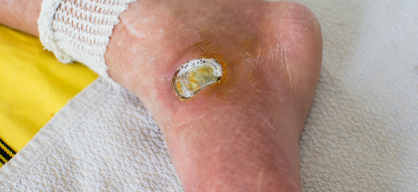
A diabetic foot ulcer is an open wound, usually on the sole or pressure points of the foot, that forms because diabetes damages nerves and circulation, and it needs prompt, specialist care to heal and avoid amputation. At EDFC, diabetic foot ulcers are healed by treating the wound, removing pressure, and addressing the cause.
Diabetic Foot Ulcer Treatment in India
A diabetic foot ulcer is an open wound, usually on the sole or under the toes, caused by nerve damage and poor blood flow from diabetes. It suits anyone with a foot wound that is not healing in two weeks. Most ulcers heal in about 6 to 12 weeks with offloading and dressings at EDFC, Adajan and Vesu, Surat.
Medically reviewed by Dr. Ashutosh Shah, Plastic, Reconstructive and Cosmetic Surgeon (M.Ch., DNB), who leads diabetic foot and limb salvage care at Elegance Diabetic Foot & Ulcer Clinic, Surat.
What is a diabetic foot ulcer?
A diabetic foot ulcer is a break in the skin that fails to heal normally. Nerve damage (neuropathy) means the foot often can't feel the injury, while poor circulation slows healing, so a small blister or callus quietly becomes an open wound. Up to about one in three people with diabetes develop a foot ulcer in their lifetime, and most diabetes-related amputations begin with one. The encouraging news is that, treated early, the great majority heal.
Signs to watch for
- An open sore, usually on the sole, heel, or under the toes
- Drainage or staining on your sock that is hard to explain
- Redness, swelling, warmth, or a bad smell
- A callus that has broken down or darkened
- A wound that isn't improving within a few days
When to see a doctor in India: any foot ulcer in a person with diabetes needs assessment quickly, early treatment is the difference between healing and serious complications. Spreading redness, fever, or black tissue is urgent.
Why they form
The main drivers are neuropathy (loss of protective sensation), pressure over a bony point, and reduced blood supply, often together. Add high blood sugar, which impairs healing and fights infection poorly, and a minor injury can progress to an ulcer. Identifying which of these factors is dominant guides the treatment.
How EDFC treats a diabetic foot ulcer
Treatment combines several steps, matched to your ulcer:
- Assessment, a full foot evaluation to find the cause.
- Wound care, cleaning, debridement, and advanced dressings.
- Offloading, special footwear or casts to take pressure off the wound.
- Infection control, treating any infection promptly.
- Surgery if needed, limb salvage or reconstruction for complex ulcers.
Browse all treatment services or book a consultation.
Do you need diabetic foot ulcer care? A quick checklist
See a diabetic foot specialist soon if you have diabetes and any of these:
- A wound, blister or crack on the foot that has not improved in a week
- A callus or corn that has turned dark, wet or broken open
- Numbness, burning or tingling in the feet (diabetic neuropathy)
- Cold feet, weak foot pulses or pain in the calves while walking
- A past foot ulcer or toe amputation
- Swelling, redness or a bad smell from a sore
Urgent signs: spreading redness, fever, black or blue skin, or pus need same-day care. EDFC offers Same-day Emergency Support (Mon to Sat): call +91 832 050 0350.
Types of diabetic foot ulcer
Knowing the type of ulcer decides the treatment plan.
The treatment process at EDFC, step by step
- Assessment: foot examination, ulcer size and depth, sensation testing and a check of foot pulses.
- Tests: blood sugar and infection markers, Doppler study of blood flow, and an X-ray or MRI if bone infection is suspected.
- Wound cleaning: removal of dead tissue (debridement) so healthy tissue can grow.
- Offloading: special footwear, a cast or a boot to take pressure off the wound.
- Dressings and advanced therapy: dressings matched to the wound, with PRP or growth-factor therapy where useful.
- Surgery if needed: drainage of infection, revascularisation or reconstructive limb salvage surgery for deep or complex ulcers.
- Follow-up and prevention: regular reviews until the wound closes, then footwear and foot care to prevent a new ulcer.
Diabetic foot ulcer healing timeline
Healing time depends on the ulcer's depth, blood supply, infection and blood sugar control. A typical course looks like this:
Deep ulcers, ulcers with poor circulation and bone infections can take longer. You get a realistic timeline after your assessment.
Before and after your treatment
Before your visit
- Bring recent sugar reports and your list of medicines
- Do not apply home remedies or powders to the wound
- Keep weight off the foot as much as you can
- Send a clear photo of the wound on WhatsApp if you cannot travel at once
During and after treatment
- Wear the offloading footwear or cast exactly as advised
- Keep dressings clean and dry, and change them as instructed
- Keep blood sugar in your target range
- Check both feet daily and report new redness, swelling or smell
Cost of diabetic foot ulcer treatment
The cost depends on several factors:
- Size, depth and grade of the ulcer
- Whether there is infection or bone involvement
- Tests needed, such as Doppler, X-ray or MRI
- Number of dressings and the type of offloading device
- Advanced therapies such as PRP or growth factors
- Whether surgery or a hospital stay is needed
You receive a clear estimate after your assessment. For insurance questions, read what insurance usually covers and the documents needed, or ask our team.
Where to get diabetic foot ulcer treatment
Surat, Adajan
204, Trinity Business Park, LP Savani Road, Adajan, Surat, Gujarat
Surat, Vesu
320, Times Square, Canal Road, Bharthana, Vesu, Surat, Gujarat
Vizianagaram, Andhra Pradesh
Franchise centre for north coastal Andhra Pradesh. See centre details
EDFC also runs OPD clinics with partner hospitals across South Gujarat, including Navsari, Bilimora, Valsad, Vapi, Bharuch, Ankleshwar, Bardoli and Vyara. Find your nearest centre. Routine consultations run 9:00 am to 7:00 pm, Monday to Saturday.
quiz Frequently Asked Questions
Not sure what's wrong with your foot?
Send a photo on WhatsApp for an assessment, or book a consultation with Dr. Shah.
This page is for education only and is not a substitute for an in-person diagnosis. Please consult Dr. Ashutosh Shah or a qualified clinician for advice specific to your condition.