Diabetic foot debridement is a medical procedure that removes dead, damaged or infected tissue from a diabetic foot ulcer. It helps doctors assess the wound, control certain infections and prepare suitable wounds for healing. However, not every ulcer requires debridement, and patients with poor blood circulation need careful evaluation before the procedure.
What Is Diabetic Foot Debridement?
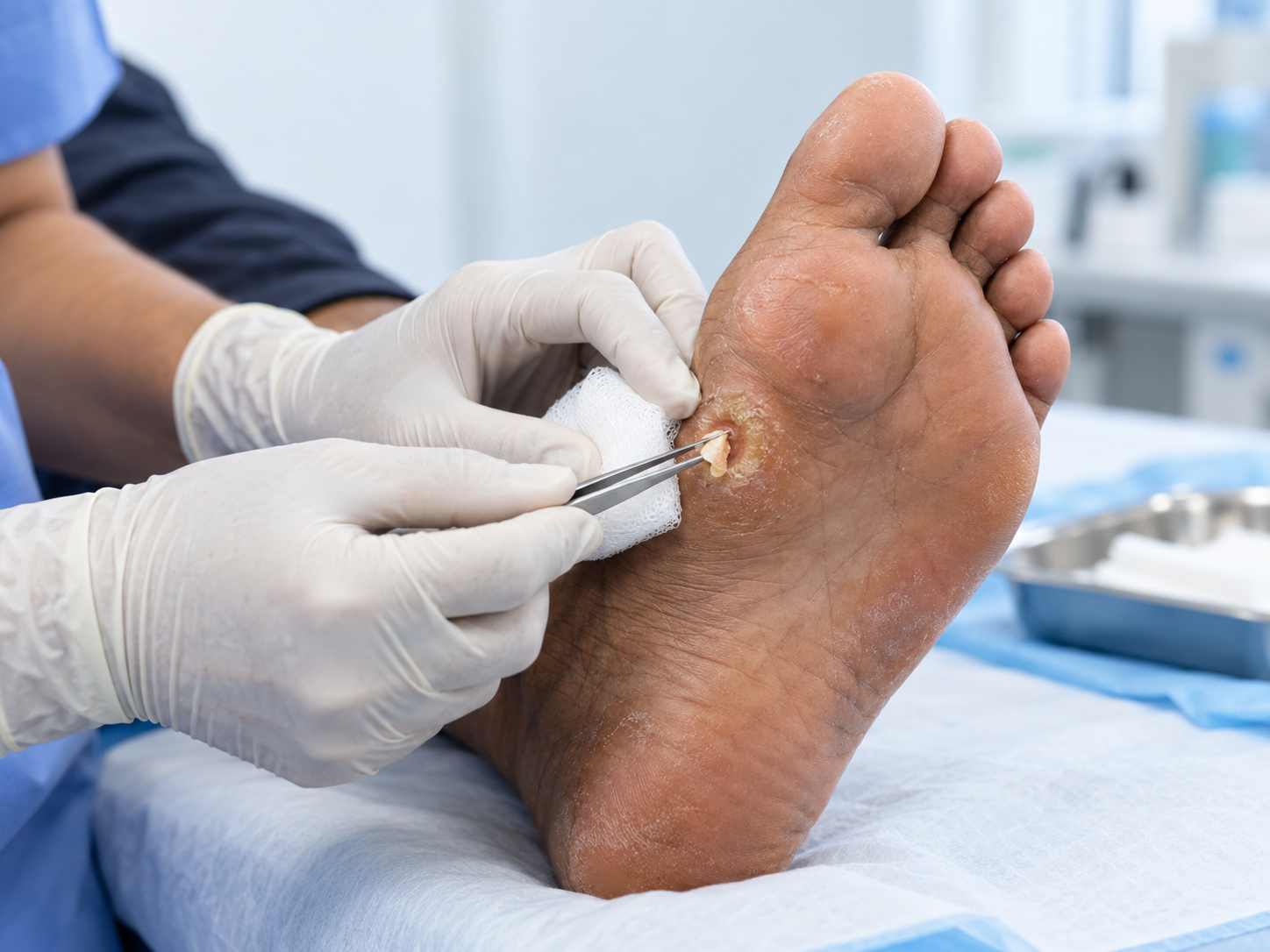
Diabetic foot debridement is the controlled removal of non-viable tissue, such as dead skin, slough or infected tissue, from a diabetic foot wound.
Diabetes can affect nerves, blood vessels and the body's ability to fight infection. Consequently, even a small injury may develop into a persistent ulcer.
When dead tissue accumulates inside a wound, it can make examination difficult and may interfere with normal healing.
The purpose of debridement is to remove tissue that is no longer viable while preserving as much healthy tissue as possible.
Doctors decide whether the procedure is appropriate after assessing the wound's depth, infection status and blood circulation.
For patients with complex wounds, diabetic foot surgery and limb salvage services may form part of a broader treatment plan.
Why Is Debridement Needed for Diabetic Foot Ulcers?
Dead or damaged tissue can interfere with diabetic foot ulcer management.
Appropriate wound debridement may offer several benefits.
1. Removes Dead Tissue
Dead tissue cannot recover its normal function. Removing it when appropriate may help expose viable tissue and support wound management.
2. Helps Control Certain Infections
In infected wounds, removing infected or non-viable tissue can be an important part of treatment.
However, debridement does not replace antibiotics when a clinically significant infection requires them.
Patients with redness, pus, swelling or spreading infection may need additional diabetic foot infection management.
3. Allows Better Wound Examination
Dead tissue can hide the true depth or extent of an ulcer.
After suitable debridement, the doctor may be able to evaluate the wound bed and surrounding structures more accurately.
4. Supports Appropriate Wound Dressings
Certain dressings work more effectively when non-viable tissue has been removed and the wound has been properly prepared.
5. Helps Identify Further Treatment Needs
Debridement may reveal deeper tissue involvement requiring additional investigation or treatment.
It is important to understand that removing dead tissue alone does not guarantee healing.
Blood circulation, infection control, pressure reduction and diabetes management remain essential.
When Does a Diabetic Foot Ulcer Need Debridement?
A doctor may recommend diabetic foot debridement when an ulcer contains tissue that is dead, infected or preventing appropriate wound assessment.
Common situations include:
-
Yellow or grey slough covering the wound
-
Thick dead tissue within an ulcer
-
Certain infected wounds
-
Callus surrounding a pressure-related ulcer
-
Non-healing wounds with non-viable tissue
-
Deep infections requiring surgical removal of damaged tissue
However, a dry, stable eschar on a severely ischaemic foot may need protection and vascular assessment rather than immediate removal, provided there are no signs of infection or other urgent complications.
The decision depends on clinical examination rather than wound appearance alone.
Types of Diabetic Foot Debridement
Several techniques are available for removing non-viable tissue. The most appropriate method depends on wound characteristics, circulation, infection and patient needs.
| Debridement type | How it works | Common considerations |
|---|---|---|
| Sharp debridement | Uses sterile instruments to remove selected dead tissue | Requires an appropriately trained clinician |
| Surgical debridement | Removes extensive dead or infected tissue, often in an operating theatre | May be needed for severe infection or deep tissue damage |
| Autolytic debridement | Uses moisture-retaining dressings to support the body's natural breakdown of dead tissue | Generally slower and unsuitable as the sole approach for urgent infection |
| Enzymatic debridement | Uses specific topical agents to break down non-viable tissue | Requires clinician selection and monitoring |
| Mechanical debridement | Physically removes debris using selected techniques | May damage healthy tissue if not carefully performed |
Which Type Is Best?
There is no single technique suitable for every diabetic foot ulcer.
For some wounds, sharp debridement may be appropriate. Others require surgical treatment or a more conservative approach.
The doctor must also consider whether poor circulation could make tissue removal unsafe.
How Is Diabetic Foot Debridement Performed?
The procedure usually involves several steps.
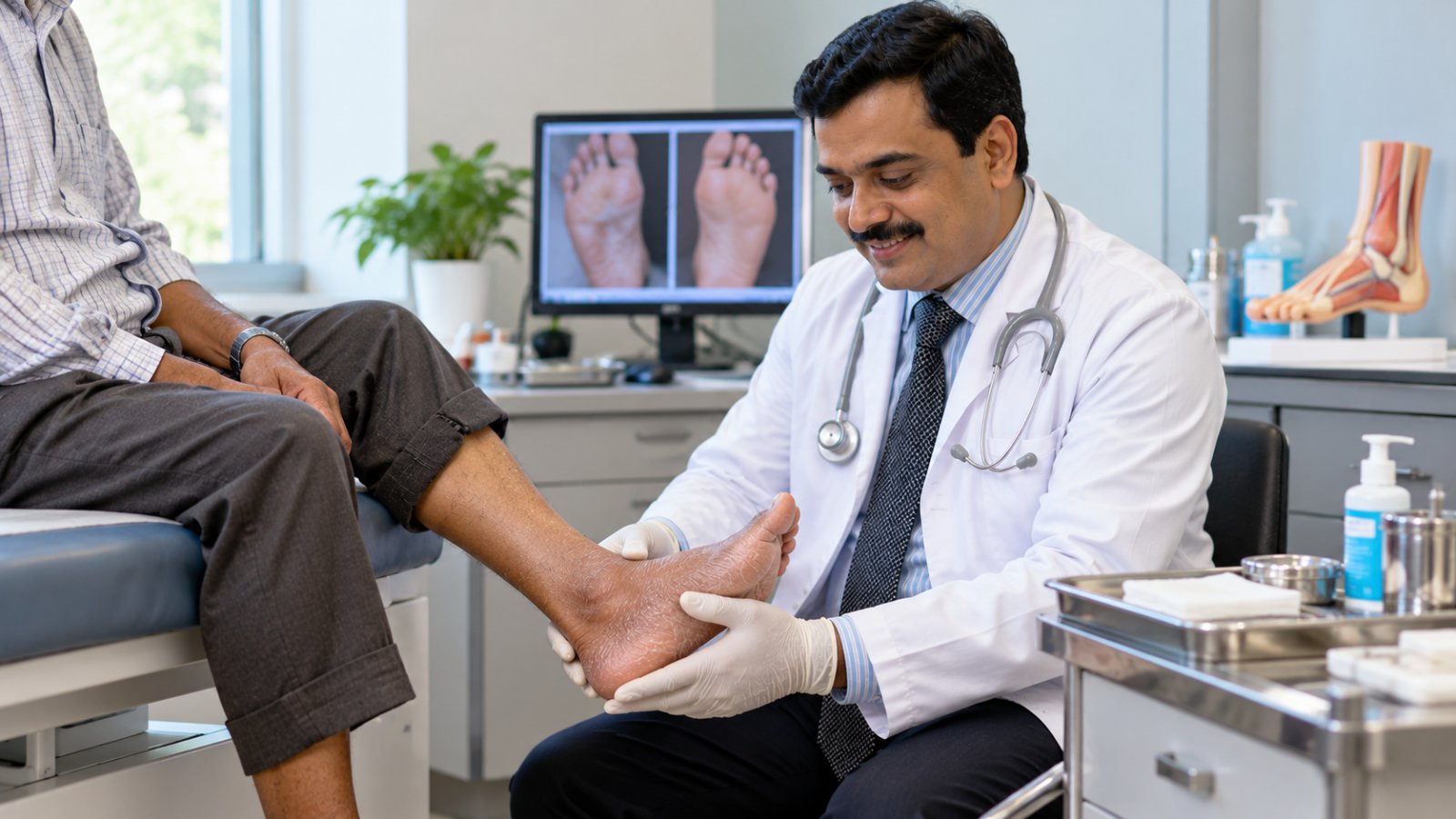
Step 1: Wound Assessment
The doctor examines the ulcer to identify:
-
Wound size and depth
-
Dead or infected tissue
-
Surrounding skin condition
-
Blood circulation
-
Sensation in the foot
-
Signs of deeper infection
Step 2: Circulation Assessment
Blood supply is particularly important before debridement.
Patients with suspected peripheral artery disease may require Doppler testing, toe-pressure measurement or additional vascular investigations.
When circulation is severely reduced, extensive debridement may need to wait until blood flow is addressed, unless urgent surgery is necessary to control infection.
Explore the clinic's vascular assessment and treatment services for related information.
Step 3: Pain Control
The clinician assesses whether local anaesthesia or another form of pain control is necessary.
Some patients have reduced sensation because of diabetic neuropathy, but this does not mean the procedure is always painless.
Step 4: Removal of Non-Viable Tissue
Using the selected technique, the clinician removes appropriate dead or infected tissue while protecting viable structures.
Step 5: Wound Dressing
After debridement, the wound is cleaned and covered with a suitable dressing.
Step 6: Follow-Up Planning
The doctor may recommend repeat wound assessment, dressing changes, pressure offloading or further treatment.
Some wounds require more than one debridement session.
Is Diabetic Foot Debridement Painful?
Pain varies depending on the wound, the technique used and the patient's nerve function.
Patients with diabetic neuropathy may experience reduced sensation, while others may feel discomfort during treatment.
Clinicians should assess pain and provide suitable pain control when required.
Reduced pain sensation does not mean the wound is minor or that debridement can be performed without precautions.
Patients should never attempt to cut away dead tissue, calluses or infected skin at home.
What Are the Benefits and Risks of Debridement?
Potential Benefits
When appropriately selected, diabetic foot debridement may:
-
Remove non-viable tissue
-
Support infection management
-
Improve wound assessment
-
Help prepare the wound bed
-
Facilitate suitable dressing selection
-
Support a comprehensive ulcer treatment plan
Possible Risks
Potential complications include:
-
Bleeding
-
Pain or discomfort
-
Damage to healthy tissue
-
Wound enlargement
-
Delayed healing
-
Infection-related complications
The risks may be greater in patients with severe peripheral artery disease or complex medical conditions.
The treating clinician should explain the expected benefits and risks before the procedure.
How Long Does Healing Take After Debridement?
There is no fixed healing time for every diabetic foot ulcer.
Some superficial wounds may improve over several weeks, while deeper ulcers can require months of treatment.
Healing depends on:
-
Blood circulation: Adequate blood flow is necessary for tissue repair.
-
Infection control: Untreated infection can delay recovery.
-
Pressure relief: Repeated walking pressure may reopen the wound.
-
Wound depth: Deeper ulcers generally require more complex management.
-
Blood sugar control: Diabetes management supports overall recovery.
-
Nutrition and general health: These factors influence tissue repair.
A wound may temporarily appear larger immediately after debridement because dead tissue has been removed. This does not automatically indicate deterioration, but the clinician must monitor subsequent healing.
Why Is Offloading Important After Debridement?
Debridement addresses non-viable tissue, but it does not eliminate repeated pressure on the ulcer.
For wounds on the sole, continued pressure during walking can damage newly healing tissue.
Depending on the ulcer and patient, offloading options may include:
-
Non-removable knee-high offloading devices
-
Total contact casts
-
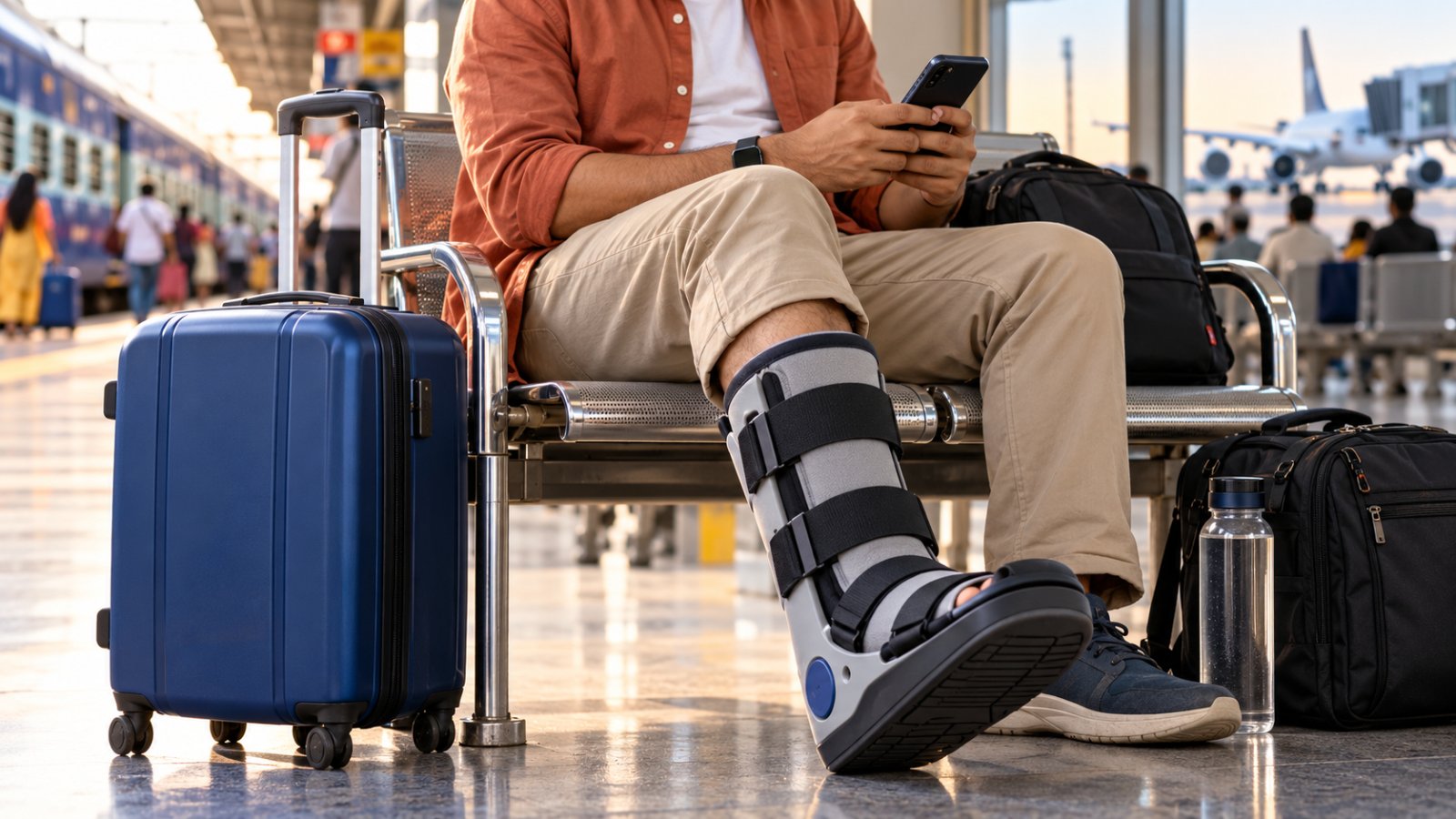
Removable offloading walkers
-
Specialised therapeutic footwear
-
Individualised pressure-relieving devices
A non-removable knee-high device is often preferred for suitable neuropathic plantar forefoot or midfoot ulcers, but infection, ischaemia and other factors can change the choice.
Patients can explore therapeutic diabetic footwear as part of longer-term pressure management.
Debridement and offloading work together, but neither replaces appropriate infection and circulation treatment.
When Should Debridement Be Delayed or Avoided?
Not every wound should undergo immediate tissue removal.
Debridement may need to be delayed or modified in situations such as:
Severe Poor Circulation
When blood supply is critically reduced, removing tissue can create a larger wound that may not heal.
Vascular evaluation may be necessary before extensive debridement.
Dry, Stable Eschar Without Infection
A dry, stable area of dead tissue in a poorly perfused foot may sometimes be left intact while the clinician evaluates circulation.
Uncertain Tissue Viability
If it is unclear which tissue can recover, further assessment may be necessary.
High Bleeding Risk
Patients taking anticoagulants or those with certain bleeding disorders may require additional precautions.
However, spreading infection, wet gangrene, deep abscesses or necrotising infection can require emergency surgical debridement, even when circulation is poor.
Treatment decisions must be individualised.
What Happens If Dead Tissue Is Not Removed?
The consequences depend on the wound.
In some ulcers, retained non-viable tissue may:
-
Obscure the wound's true extent
-
Interfere with wound management
-
Contribute to an environment where infection persists
-
Delay appropriate assessment and treatment
However, certain dry, stable wounds with severely reduced circulation may be safer to protect temporarily rather than debride immediately.
This is why professional assessment is essential.
Diabetic Foot Debridement at Elegance Diabetic Foot & Ulcer Clinic
Patients with non-healing diabetic foot wounds may seek specialist assessment at Elegance Diabetic Foot & Ulcer Clinic, where Dr. Ashutosh Shah is associated with diabetic foot and complex wound management.
A consultation helps determine whether diabetic foot debridement is necessary or whether the patient first requires circulation assessment, infection management, pressure offloading or another intervention.
Treatment decisions depend on the wound's condition and the patient's overall health.
How Can Patients Care for Their Feet After Debridement?
Proper aftercare is important to protect the wound and support recovery.
Keep the Dressing as Directed
Follow the clinician's instructions for dressing changes and wound cleaning.
Do not apply household antiseptics, powders or unprescribed creams.
Reduce Pressure on the Wound
Use the prescribed offloading device consistently.
Avoid walking barefoot.
Monitor for Infection
Contact a medical professional promptly if the wound develops increasing redness, swelling, discharge, odour or pain.
Fever, rapidly spreading redness or sudden deterioration requires urgent medical assessment.
Maintain Diabetes Management
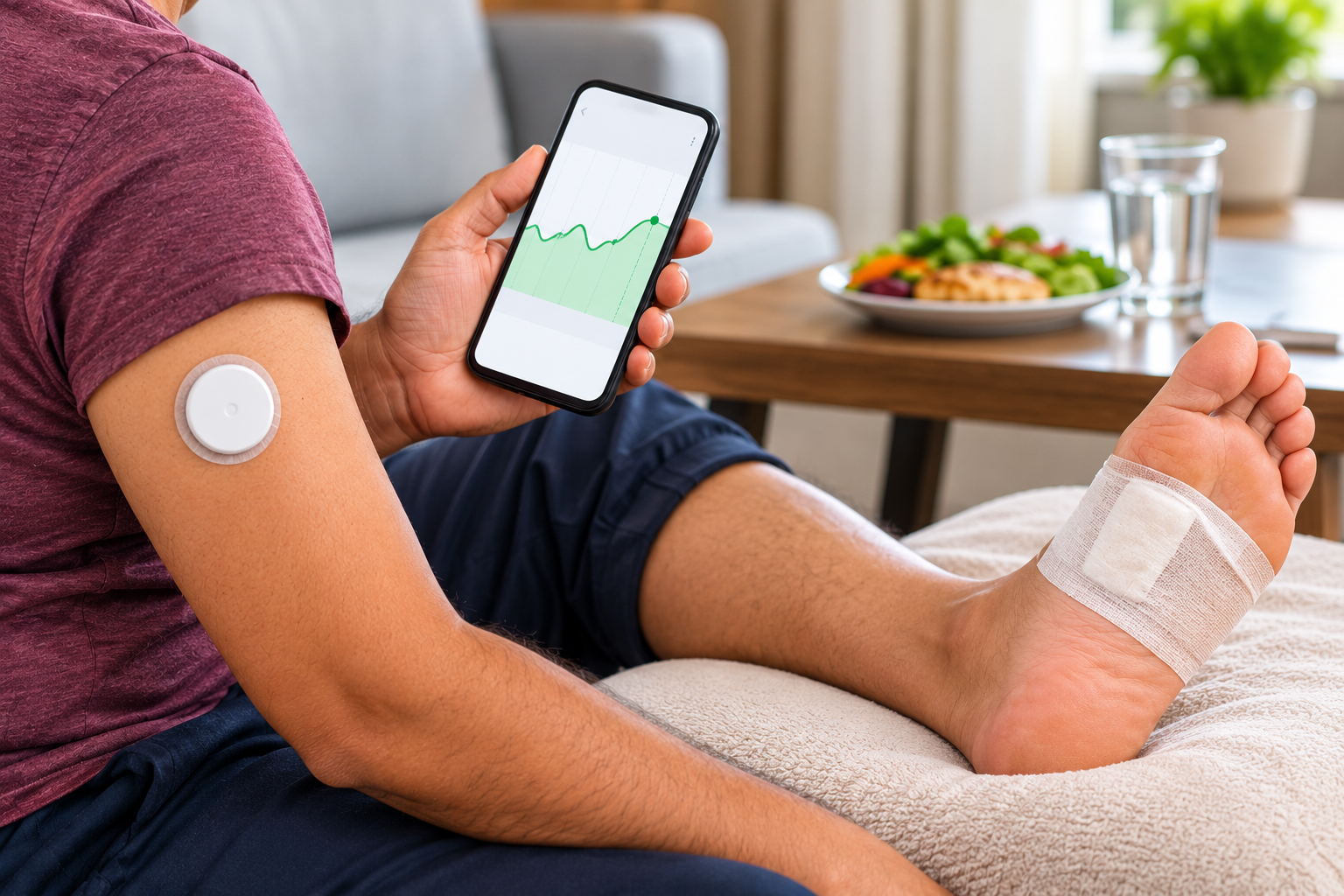
Continue prescribed diabetes medication and follow the blood glucose monitoring plan recommended by your doctor.
Attend Follow-Up Appointments
Regular wound measurements and examinations help determine whether the treatment plan is working.
Avoid Home Tissue Removal
Never cut away dead skin, calluses or tissue using scissors, blades or other sharp objects.
Conclusion
Diabetic foot debridement is an important part of treatment for selected diabetic foot ulcers containing dead, damaged or infected tissue.
When performed appropriately, it can help prepare the wound for healing and support infection management. However, successful treatment also depends on adequate blood circulation, pressure offloading, blood sugar management and regular wound assessment.
If you have a non-healing diabetic foot ulcer, contact Elegance Diabetic Foot & Ulcer Clinic for specialist evaluation and an individualised treatment plan.
For consultation enquiries: Visit Elegance Diabetic Foot & Ulcer Clinic
quiz Frequently Asked Questions
This article is general education, not a diagnosis. If you have a diabetic foot wound, please have it assessed in person. Send a photo on WhatsApp or book a consultation.
About the Author

Dr. Ashutosh Shah, Plastic, Reconstructive & Diabetic Foot Surgeon, Elegance Diabetic Foot & Ulcer Clinic, Surat
Dr. Ashutosh Shah is a board certified plastic and reconstructive surgeon with over 22 years of experience and more than 10,000 limbs and feet saved. He founded Elegance Diabetic Foot & Ulcer Clinic, India's first chain of clinics dedicated to foot care, with centres in Surat and OPD partners across South Gujarat. He is known for a limb first approach, safe wound care and ethical, natural results.