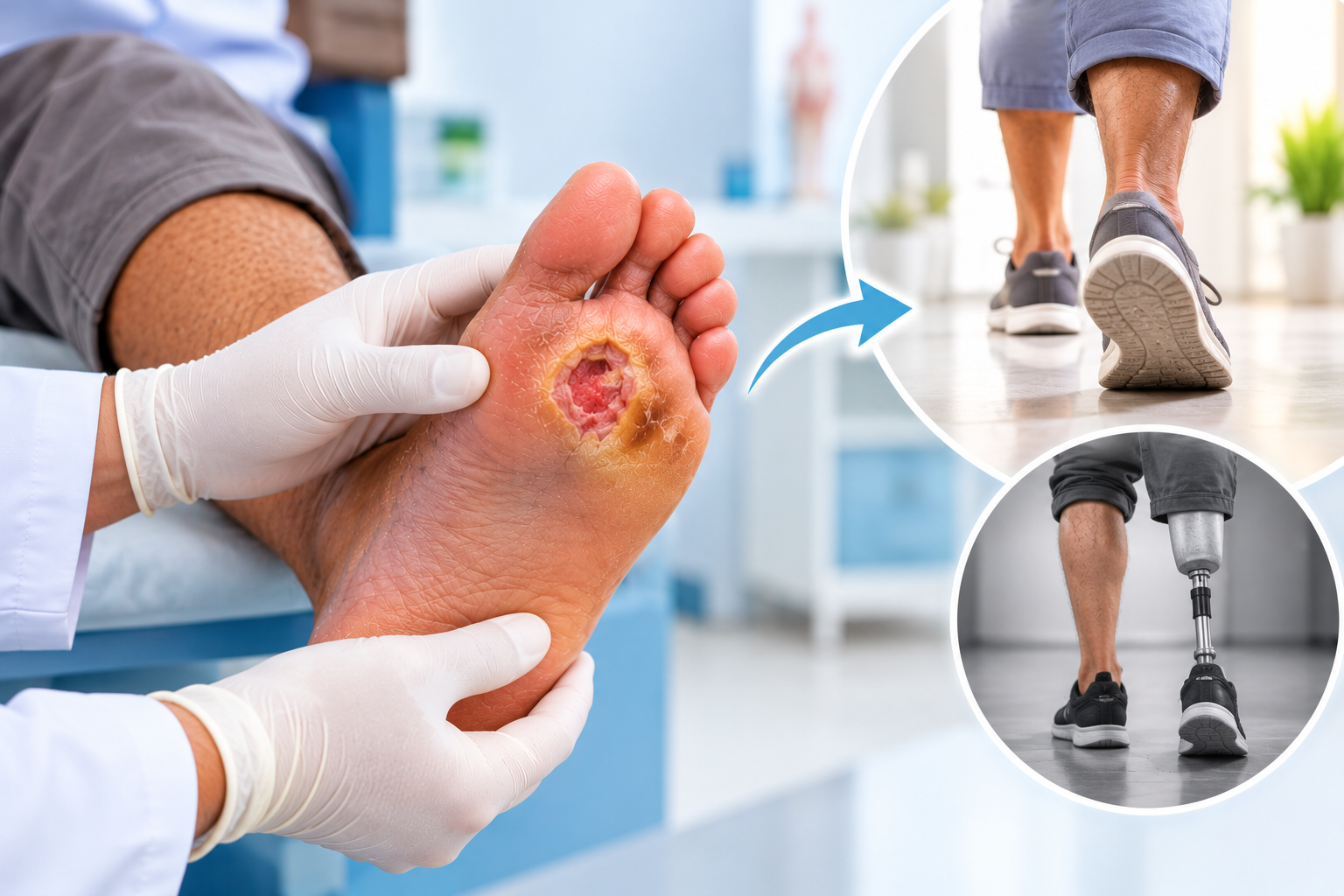
Can a diabetic foot be saved from amputation? In many cases, yes. Early treatment of infection, improved blood circulation, pressure offloading and appropriate wound care can help preserve the foot. However, limb salvage is not always possible. Severe tissue damage, uncontrolled infection or irreversible loss of blood supply may make amputation necessary to protect the patient's life.
Can a Diabetic Foot Always Be Saved?
No. Although many diabetic foot complications can be treated successfully, doctors cannot guarantee that every foot can be saved.
The outcome depends on several factors:
-
Severity of infection
-
Amount of healthy tissue remaining
-
Blood circulation to the foot
-
Presence of gangrene
-
Bone involvement
-
Overall health of the patient
-
Timing of medical treatment
A small diabetic foot ulcer may heal with appropriate wound care and pressure reduction.
In contrast, a rapidly spreading infection or extensive gangrene may require urgent surgery.
The main goal is to preserve as much healthy tissue and function as possible while protecting the patient's overall health.
Why Do Some Diabetic Foot Ulcers Lead to Amputation?
Diabetic foot ulcers can become serious when infection, poor circulation and tissue damage occur together.
1. Poor Blood Circulation
Peripheral artery disease reduces blood supply to the foot.
Without adequate oxygen and nutrients, damaged tissues may struggle to heal.
Severely reduced circulation can cause tissue death.
Patients with suspected circulation problems may require vascular assessment and treatment.
2. Severe Infection
An infected wound can spread into deeper tissues.
In some cases, infection affects muscles, tendons or bone.
Rapidly spreading infection may require emergency surgery.
3. Gangrene
Gangrene occurs when tissue dies because of inadequate blood supply, infection or both.
The affected tissue may appear black, brown or discoloured.
Wet gangrene associated with infection is a medical emergency.
4. Delayed Medical Treatment
Ignoring a wound or repeatedly using home remedies can allow complications to progress.
Early assessment may help prevent avoidable deterioration.
5. Repeated Pressure
Walking on an open ulcer can damage healing tissue.
Pressure offloading is essential for many wounds on the sole.
What Is Diabetic Foot Limb Salvage?
Limb salvage refers to medical and surgical treatments intended to preserve a threatened foot or leg.
Treatment focuses on controlling infection, restoring blood circulation when possible, removing non-viable tissue and supporting wound healing.
Depending on the condition, limb salvage may involve:
-
Specialist wound assessment
-
Appropriate wound dressings
-
Surgical debridement
-
Antibiotics for clinically infected wounds
-
Abscess drainage
-
Vascular interventions
-
Pressure offloading
-
Selected reconstructive procedures
-
Ongoing wound monitoring
Patients can explore diabetic foot surgery and limb salvage services for related information.
Not every patient requires every treatment.
Which Treatments Can Help Save a Diabetic Foot?
Treatment depends on the wound's severity and underlying causes.
1. Early Wound Assessment
The doctor examines wound size, depth, tissue condition and surrounding skin.
Early evaluation helps identify complications before they become more severe.
2. Infection Management
Clinically infected wounds may require antibiotics, drainage or surgery.
The choice of treatment depends on infection severity and whether deeper structures are involved.
Read more about diabetic foot infection management.
3. Restoring Blood Circulation
Patients with severe peripheral artery disease may require angioplasty, bypass surgery or another vascular intervention.
Improving circulation may support wound healing and reduce tissue loss in suitable patients.
4. Surgical Debridement
Debridement removes dead or infected tissue when medically appropriate.
It may help control infection and prepare the wound for further treatment.
However, the timing and extent of debridement depend on circulation and infection severity.
5. Pressure Offloading
Offloading reduces pressure on the injured part of the foot.
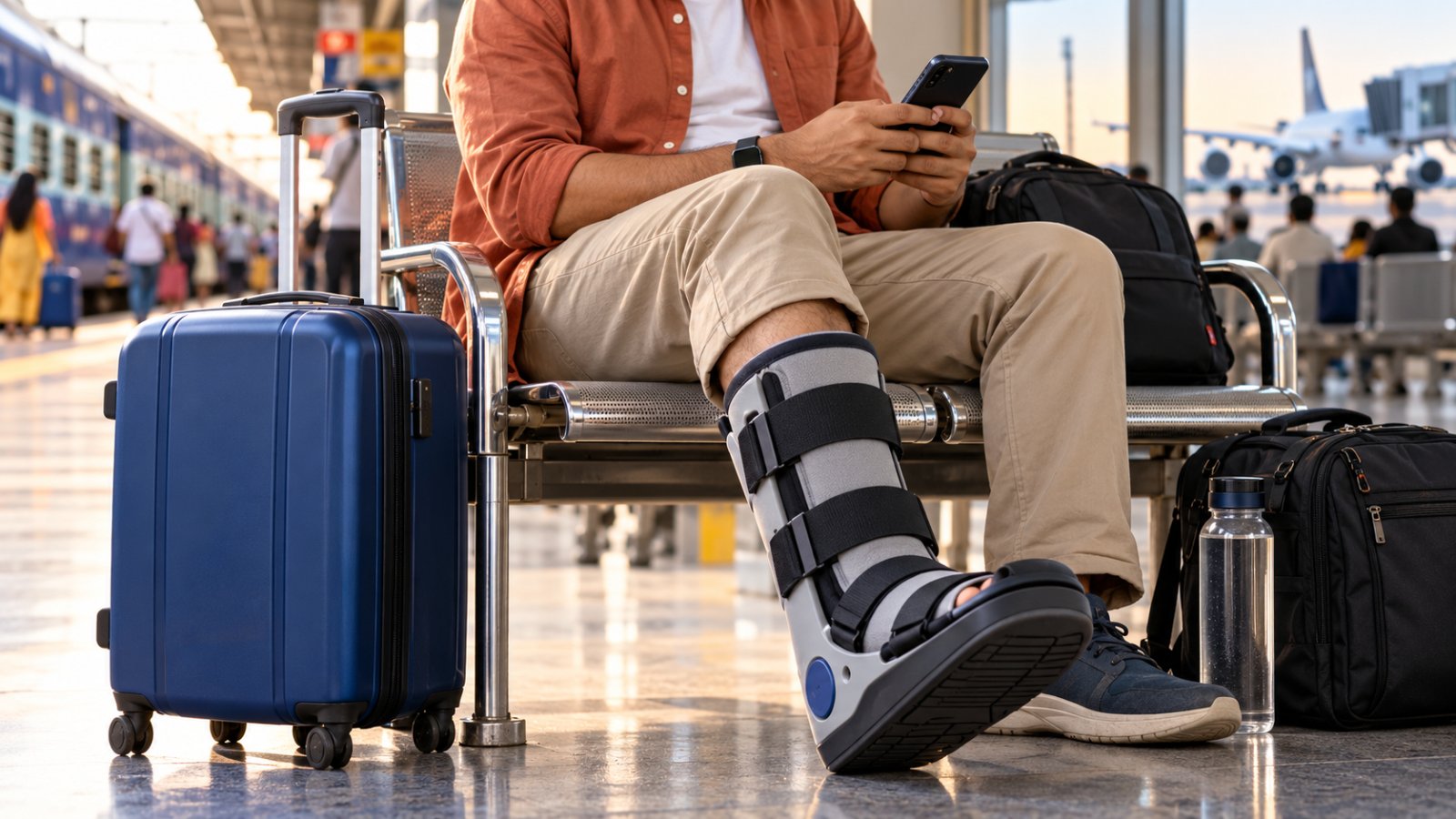
Treatment may include total contact casts, specialised walking boots or other devices.
Appropriate therapeutic footwear and pressure management may also help reduce ulcer recurrence.
6. Wound Reconstruction
Selected patients may require skin grafting or other reconstructive procedures after infection control and wound-bed preparation.
7. Diabetes Management
Blood glucose management supports overall recovery and helps reduce complications.
These treatments may improve the chances of preserving the foot, but results vary.
When Is Amputation Medically Necessary?
Amputation may be recommended when keeping the affected tissue would create greater medical risk.
Possible situations include:
Uncontrolled Severe Infection
A rapidly spreading infection may threaten the patient's life.
If infection cannot be controlled through other appropriate measures, amputation may become necessary.
Extensive Gangrene
Large areas of dead tissue may not be recoverable.
Irreversible Circulation Problems
If blood flow cannot be restored sufficiently and tissue damage is extensive, limb preservation may not be feasible.
Severe Tissue Destruction
Extensive damage to the foot's structures may make a functional limb impossible to preserve.
Life-Threatening Complications
Sepsis or other serious complications may require emergency surgery.
Amputation is not automatically the first treatment for a diabetic foot ulcer. It is considered when clinically necessary after assessing the patient's condition and feasible alternatives.
Can Gangrene Be Treated Without Amputation?
The answer depends on the type and extent of gangrene.
Dry Gangrene
Dry gangrene usually develops when blood circulation is severely reduced.
The affected tissue is dead and cannot recover.
Doctors assess whether circulation can be improved and whether limited surgical removal is required.
Wet Gangrene
Wet gangrene involves tissue death with infection.
It can spread quickly and may cause sepsis.
Urgent hospital treatment and surgical assessment are necessary.
Can the Entire Foot Be Preserved?
Sometimes, treatment can preserve a substantial portion of the foot even when a small area of tissue cannot be saved.
For example, limited removal of non-viable tissue may be possible in selected cases.
However, no treatment can restore tissue that has already died.
How Do Doctors Decide Whether a Foot Can Be Saved?
When patients ask can a diabetic foot be saved, doctors assess the severity of the wound and whether effective treatment is possible.
Wound Examination
The doctor checks:
-
Wound size and depth
-
Amount of dead tissue
-
Infection severity
-
Presence of gangrene
-
Involvement of tendons or bone
Blood Circulation Testing
Investigations may include Doppler ultrasound, toe-pressure measurements or vascular imaging.
Infection Investigations
Blood tests, X-rays, tissue cultures or MRI may be used when indicated.
Overall Health Assessment
Kidney function, diabetes control, cardiovascular health and other medical conditions may affect treatment decisions.
Functional Assessment
Doctors also consider whether the foot can remain functional after treatment.
The decision should ideally involve appropriate surgical, vascular and wound-care specialists.
Can a Second Opinion Help Before Amputation?
A second opinion may be useful when the patient is medically stable and there is time to review treatment options.
A specialist may reassess:
-
Blood circulation
-
Infection severity
-
Possibility of revascularisation
-
Extent of tissue damage
-
Potential reconstructive options
-
Feasibility of limited rather than major amputation
However, patients should not delay emergency treatment to obtain another opinion.
A rapidly spreading infection, wet gangrene, sepsis or sudden loss of circulation requires immediate medical attention.
What Are the Warning Signs of a Limb-Threatening Diabetic Foot Problem?
Certain symptoms require urgent assessment.
| Warning sign | Recommended action |
|---|---|
| New diabetic foot wound | Prompt medical assessment |
| Increasing redness or swelling | Same-day evaluation |
| Pus or worsening discharge | Urgent medical review |
| Black or discoloured tissue | Immediate medical assessment |
| Fever with an infected foot | Emergency hospital care |
| Rapidly spreading infection | Immediate emergency treatment |
| Suddenly cold or pale foot | Emergency vascular assessment |
| Confusion or severe weakness with infection | Emergency medical care |
Diabetic neuropathy can reduce pain sensation.
A serious wound may therefore develop without severe pain.
How Long Does Limb Salvage Treatment Take?
The duration varies depending on the wound and the procedures required.
Some uncomplicated wounds improve over several weeks.
Complex infections, extensive tissue loss or vascular problems may require prolonged treatment and repeated procedures.
Factors affecting recovery include:
-
Wound depth
-
Infection severity
-
Blood circulation
-
Bone involvement
-
Surgical requirements
-
Pressure offloading
-
Diabetes management
-
Follow-up care
Doctors monitor wound healing and adjust treatment when progress is inadequate.
If a wound fails to improve meaningfully after approximately four weeks of appropriate care, the treatment plan should be reassessed.
A worsening wound requires earlier evaluation.
Can a Diabetic Foot Be Saved Without Surgery?
Yes. Some diabetic foot ulcers can heal without surgery.
Appropriate non-surgical care may include:
-
Wound cleaning
-
Suitable dressings
-
Pressure offloading
-
Diabetes management
-
Antibiotics when clinically indicated
-
Circulation assessment
-
Regular follow-up
Explore non-surgical diabetic foot wound management for more information.
However, deep abscesses, severe infections and extensive dead tissue may require surgical treatment.
Diabetic Foot Limb Salvage at Elegance Diabetic Foot & Ulcer Clinic
At Elegance Diabetic Foot & Ulcer Clinic in Surat, Dr. Ashutosh Shah is associated with the assessment and management of diabetic foot ulcers, complex wounds and limb-preservation concerns.
Patients asking can a diabetic foot be saved may benefit from a specialist assessment of infection, blood circulation, tissue damage and available treatment options.
Depending on clinical findings, management may involve wound care, infection treatment, surgical evaluation, pressure offloading or vascular referral.
The goal is to identify medically appropriate treatment options while prioritising patient safety.
How Can Patients Reduce the Risk of Diabetic Foot Amputation?
Although not every complication can be prevented, several measures may help reduce risk.
1. Check Both Feet Daily
Inspect the soles, heels, toes and spaces between the toes.
2. Seek Care for New Wounds
Do not wait for pain to develop.
3. Avoid Walking Barefoot
Wear appropriate footwear indoors and outdoors.
4. Follow Offloading Instructions
Use prescribed casts, boots or pressure-relieving devices correctly.
5. Maintain Diabetes Management
Take prescribed medications and monitor blood glucose as advised.
6. Avoid Home Wound Procedures
Do not cut calluses, remove dead tissue or apply harsh chemicals at home.
7. Attend Regular Foot Examinations
Patients with neuropathy, poor circulation or previous ulcers may need frequent specialist reviews.
8. Report Infection Symptoms
Redness, swelling, pus, fever or rapidly worsening wounds should be assessed promptly.
These steps may help patients avoid amputation in diabetes by supporting early detection and appropriate treatment.
Conclusion
Can a diabetic foot be saved from amputation? Many patients can benefit from timely infection treatment, blood circulation assessment, wound care and appropriate limb-salvage procedures.
However, severe tissue destruction, uncontrolled infection or irreversible circulation problems may make amputation medically necessary.
Early assessment and coordinated treatment provide the best opportunity to preserve healthy tissue and foot function.
Patients concerned about diabetic foot complications can contact Elegance Diabetic Foot & Ulcer Clinic for specialist evaluation and an individualised treatment plan.
For consultation enquiries: Visit Elegance Diabetic Foot & Ulcer Clinic
quiz Frequently Asked Questions
This article is general education, not a diagnosis. If you have a diabetic foot wound, please have it assessed in person. Send a photo on WhatsApp or book a consultation.
About the Author

Dr. Ashutosh Shah, Plastic, Reconstructive & Diabetic Foot Surgeon, Elegance Diabetic Foot & Ulcer Clinic, Surat
Dr. Ashutosh Shah is a board certified plastic and reconstructive surgeon with over 22 years of experience and more than 10,000 limbs and feet saved. He founded Elegance Diabetic Foot & Ulcer Clinic, India's first chain of clinics dedicated to foot care, with centres in Surat and OPD partners across South Gujarat. He is known for a limb first approach, safe wound care and ethical, natural results.