Written by Dr. Ashutosh Shah, Plastic & Microvascular Surgeon - Diabetic Foot & Limb Salvage Specialist, Elegance Diabetic Foot & Ulcer Clinic (EDFC). Practising since 2004 (22+ years). Read full bio.
Medically reviewed by Dr. Ashutosh Shah
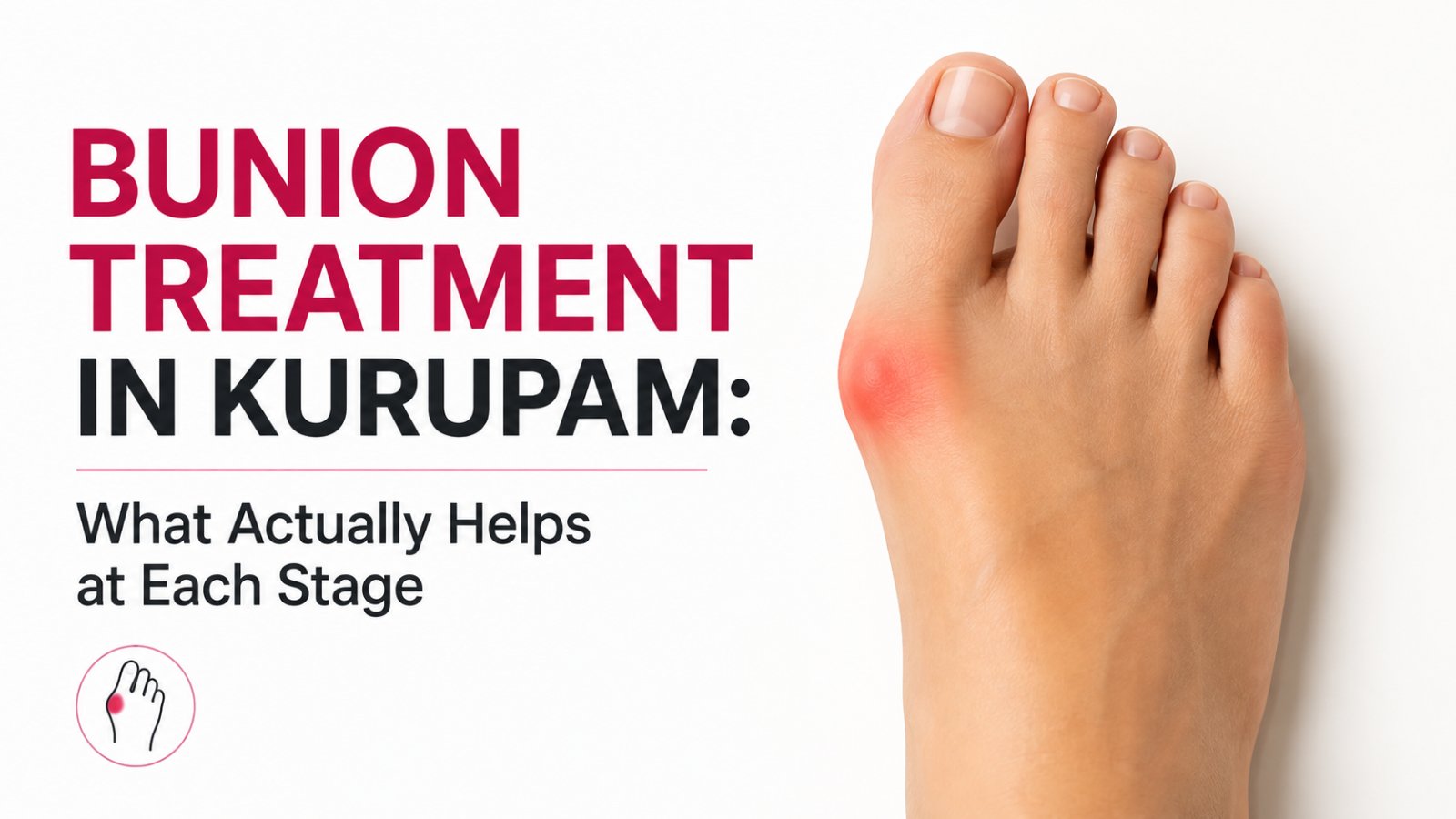
Bunion treatment in Kurupam depends entirely on the stage. Early bunions are managed with wider footwear, padding and pain relief. Advanced bunions that hurt daily or cause skin breakdown may need surgery. No brace, splint or exercise straightens a bunion once the bone has shifted.
A bunion is not simply a bump. The big toe joint has drifted out of alignment, and the bump is the head of the first metatarsal now sticking out sideways. That distinction explains why some treatments help and others cannot possibly work.
How do you know which stage you are at?
Stage is judged by how far the toe has drifted, whether it hurts, and whether the skin is affected. The simplest way to place yourself is by what the foot does in ordinary shoes, not by how the bump looks.
| Stage | What you notice | Main aim of treatment |
|---|---|---|
| Stage 1 - Early | Small bump, toe still fairly straight, occasional rubbing | Protect and slow progression |
| Stage 2 - Moderate | Visible drift of the big toe, pain in tight shoes, callus forming | Relieve pressure and pain |
| Stage 3 - Advanced | Big toe leaning against or under the second toe, daily pain, thick callus | Consider correction, protect skin |
| Stage 4 - Complicated | Skin breakdown, ulcer, infection, or a second toe deformity | Treat the wound first, then correct |
Stage 1: what helps when the bunion is early?
At this stage the goal is protection, not correction. Wider footwear, a bunion pad and avoiding pointed shoes will usually keep it comfortable and slow the rubbing that makes it worse.
What helps:
- Wide toe box footwear that does not squeeze the forefoot. This is the single most useful change.
- Soft bunion pads or gel sleeves to stop rubbing at the bump.
- Avoiding pointed and high-heeled shoes, which push the toe further across.
- Calf and foot stretching to keep the forefoot loaded evenly.
What to avoid: buying splints in the belief that they will straighten the toe, and ignoring early rubbing until a callus forms.
Stage 2: what helps when the toe has started to drift?
Here the aim is offloading pressure and controlling pain. Custom insoles, professional callus care and anti-inflammatory measures usually keep people comfortable for years without surgery.
What helps:
- Custom insoles or orthotics to redistribute forefoot load.
- Professional callus trimming, never done at home.
- Toe spacers for comfort between the first and second toes.
- Icing and simple analgesia after long days on the feet.
- Footwear reassessment, including work shoes.
What to avoid: cutting the callus yourself, and stretching shoes rather than replacing them.
Stage 3: what happens when the bunion is advanced?
At this stage the deformity is fixed, the toe often overlaps or underlaps its neighbour, and pain is present most days. Non-surgical measures still relieve symptoms, but surgery becomes a reasonable discussion if pain limits normal walking.
What helps:
- All Stage 2 measures, continued.
- Assessment for surgery, based on pain and function rather than appearance.
- Removal of a painful bony prominence where the joint itself is reasonable, discussed in our post on bone shaving surgery.
- Treatment of the second toe deformity, which often develops alongside.
- Nail problems addressed where crowding has caused them, as in pincer nail correction.
What to avoid: delaying assessment until skin breaks down, and choosing surgery purely for appearance.
Stage 4: what if the skin has already broken down?
If there is an ulcer, blister or infection over the bunion, that becomes the priority and corrective surgery waits. The wound is treated first, circulation is assessed, and only then is deformity correction planned.
What happens:
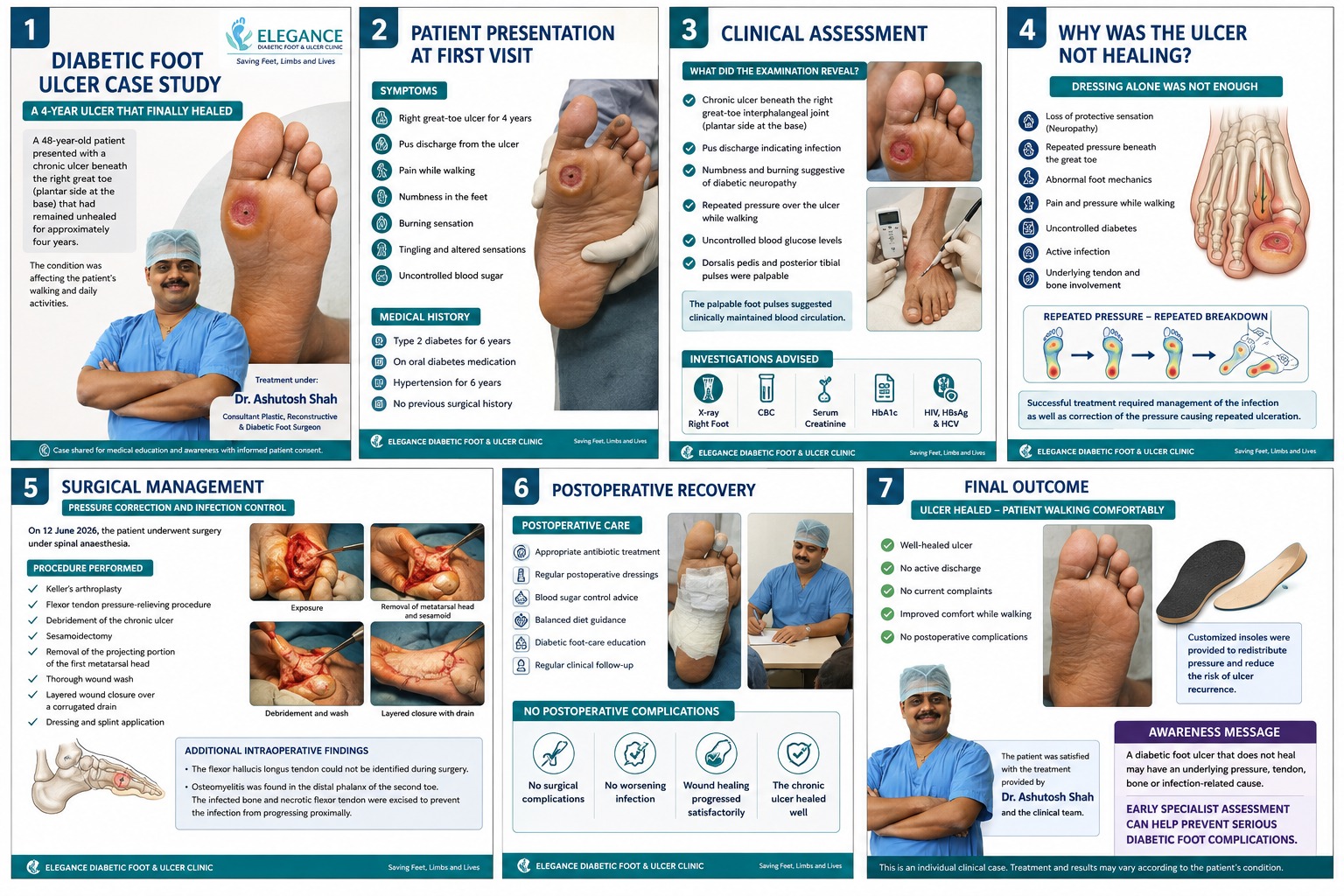
- Wound assessment and offloading, managed under non-surgical wound management.
- Circulation testing through our vascular services, since a wound cannot heal without blood flow.
- Assessment for bone involvement if the wound is deep or long-standing, as covered in bone infection of the diabetic foot.
- Correction of the deformity once the wound is healed and stable, through diabetic foot surgery.
What to avoid: home dressings for weeks without assessment, and any pressure on the area from footwear meant to "toughen" the skin.
What does not work, at any stage?
Several widely sold products relieve discomfort but do not correct the deformity. A bunion is a bone that has shifted position, and no external device moves bone back permanently in an adult foot.
- Night splints and correctors may ease discomfort but do not straighten the toe.
- Toe spacers improve comfort, not alignment.
- Exercises maintain strength and mobility; they do not reverse the deformity.
- Creams, oils and "bunion removal" remedies have no effect on bone.
- Cutting or filing the callus at home, which risks infection, especially in diabetes.
None of this means these products are useless. It means their honest purpose is comfort, and buying them expecting correction leads people to delay treatment that would have helped.
Why does diabetes change the whole picture?
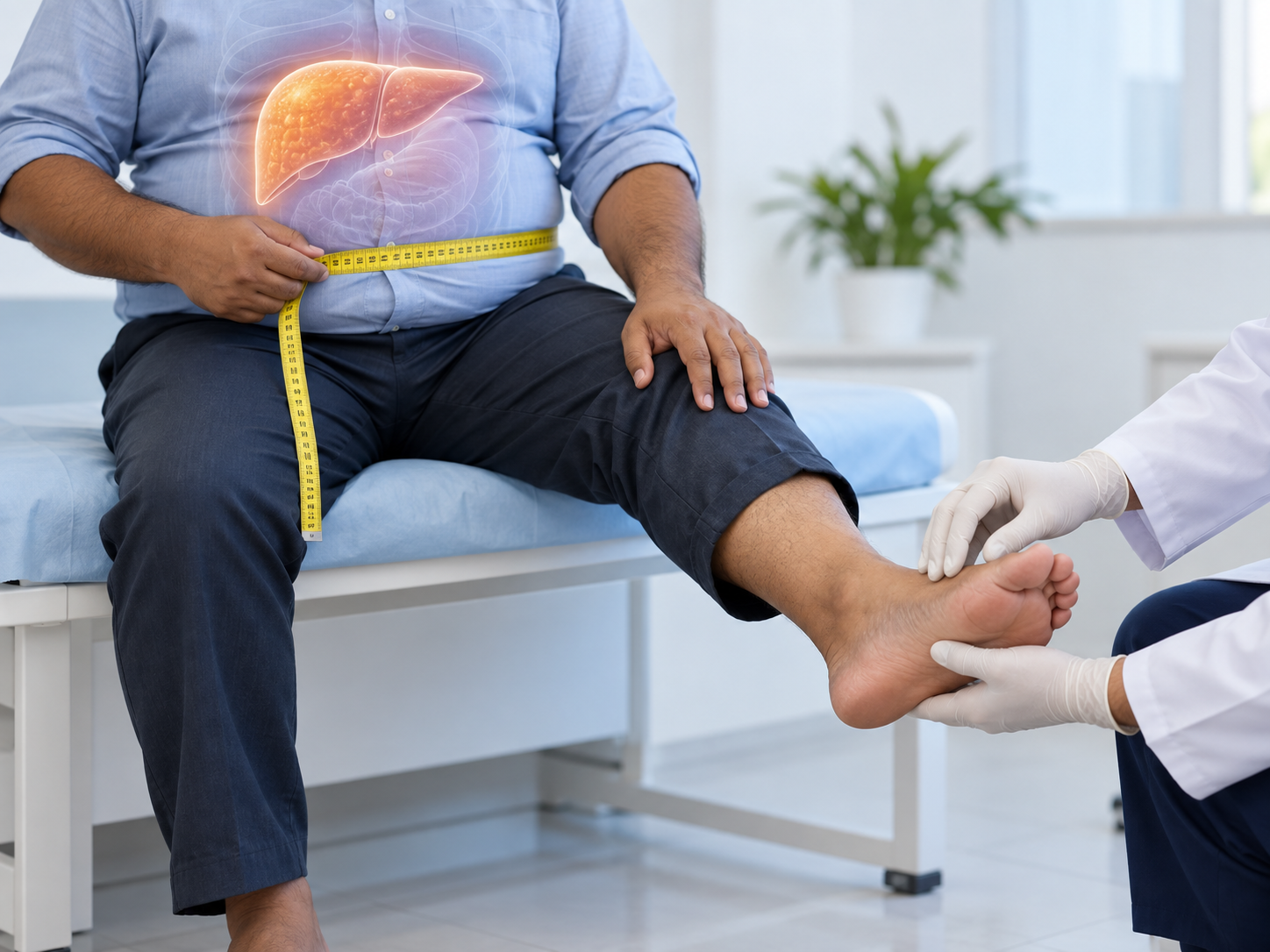
In diabetes a bunion is less a cosmetic issue and more a pressure point that can ulcerate. Neuropathy hides the rubbing, poor circulation slows healing, and a blister over the bump can become a deep infection quickly.
Surgery also carries more risk. An operation on a foot with reduced sensation or blood supply can create a wound that will not heal, so the assessment before surgery matters as much as the surgery. Related pressure problems are covered in our post on pressure ulcers of the foot, and the broader range under foot conditions we treat.
Put plainly: in a neuropathic or poorly perfused foot, bunion surgery for appearance alone is not a good trade. Surgery for pain, ulceration or footwear failure is a different discussion.
When is bunion surgery justified?
Surgery is justified when pain limits normal walking despite proper footwear and insoles, when the deformity causes recurrent skin breakdown, or when the toe crowding is damaging its neighbours. Appearance alone is not a sufficient reason, particularly in diabetes.
- Daily pain that footwear changes and insoles have not controlled.
- Recurrent ulcer, blister or callus breakdown over the bump.
- Second toe deformity being driven by the drifting big toe.
- Inability to wear any protective footwear, which itself raises ulcer risk.
- Adequate circulation, confirmed before any procedure.
How do you slow a bunion down?
You cannot change the inherited foot shape that causes most bunions, but you can slow progression and prevent complications by keeping the forefoot out of tight footwear and catching pressure damage early.
- Wear wide, deep, soft footwear every day, not just on bad days.
- Replace shoes before they deform, rather than stretching them.
- Check the skin over the bump daily if you have diabetes.
- Have callus trimmed professionally, not at home.
- Attend regular reviews under preventive foot care.
Bunion and diabetic foot care for Kurupam
Elegance Diabetic Foot & Ulcer Clinic (EDFC), led by Dr. Ashutosh Shah, provides forefoot deformity assessment, ulcer treatment, corrective surgery and limb salvage from its centre in Surat, with diabetic foot care expanding across northern Andhra Pradesh, including Kurupam. If you are looking into bunion treatment in Kurupam, the first useful step is placing which stage you are at and whether the skin over the bump is at risk.
You can send a clear photo of the foot to our team on WhatsApp for initial guidance and book a foot assessment. If the skin over the bunion is broken, discharging or the foot is red and swollen, seek care the same day. Follow EDFC on Facebook, Instagram and YouTube for foot care guidance and real limb salvage stories.
Match the treatment to the stage
Most bunion frustration comes from mismatched expectations: splints bought hoping for correction, or surgery considered for a bump that has never actually hurt. Work out the stage first, and the right treatment is usually obvious.
Next step: book a foot assessment with Dr. Ashutosh Shah at Elegance Diabetic Foot & Ulcer Clinic, or send a photo on WhatsApp today to find out which stage you are at and what will actually help.
Medical disclaimer: This article is for educational purposes only and is not a substitute for professional medical diagnosis or treatment. Suitability for bunion surgery depends on pain, deformity, circulation and sensation, particularly in diabetes. Broken skin over a bunion with redness, swelling or discharge needs prompt assessment. Please consult Dr. Ashutosh Shah or a qualified specialist about your condition. For further guidance, see the NHS guide to bunions and the IWGDF diabetic foot guidelines.
quiz Frequently Asked Questions
This article is general education, not a diagnosis. If you have a diabetic foot wound, please have it assessed in person. Send a photo on WhatsApp or book a consultation.
About the Author

Dr. Ashutosh Shah, Plastic, Reconstructive & Diabetic Foot Surgeon, Elegance Diabetic Foot & Ulcer Clinic, Surat
Dr. Ashutosh Shah is a board certified plastic and reconstructive surgeon with over 22 years of experience and more than 10,000 limbs and feet saved. He founded Elegance Diabetic Foot & Ulcer Clinic, India's first chain of clinics dedicated to foot care, with centres in Surat and OPD partners across South Gujarat. He is known for a limb first approach, safe wound care and ethical, natural results.