Infrared Light Therapy
Light based therapy used to support circulation and comfort in neuropathic feet.
Key Takeaways
- Infrared therapy is a supportive treatment, not a standalone cure for ulcers.
- It is used mainly for neuropathic discomfort and to support local circulation.
- Sessions are painless, brief and require no recovery time.
- Offloading, infection control and circulation remain the foundation of healing.
What Is Infrared Light Therapy?
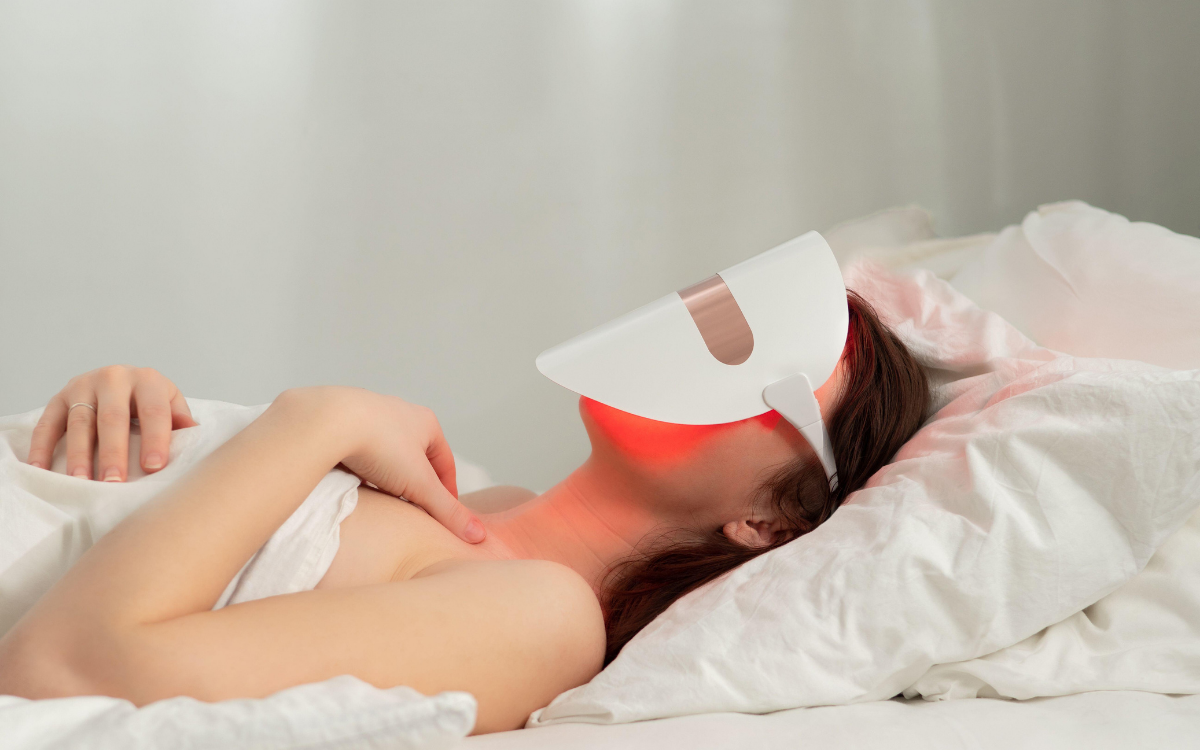
Infrared light therapy: the use of low level infrared light applied to the skin to encourage local blood flow and reduce discomfort.
The light penetrates a few millimetres into tissue, where it produces gentle warmth and is thought to encourage small vessel dilation. Patients most often describe reduced burning and improved comfort in the feet.
Who Might Benefit?
- Patients with painful or burning neuropathy
- Feet that stay cold with mild circulation impairment
- Slow healing superficial wounds already receiving standard care
- Patients wanting non drug options for nerve discomfort
What Are the Honest Limitations?
This is where we prefer to be direct. Infrared therapy does not open a blocked artery, does not clear infection and does not remove pressure from an ulcer. Where a wound is failing because of any of those, this therapy will not change the outcome, and treating the real cause matters more.
Consequently, we recommend it only as an addition to a proper plan built on wound care, offloading and circulation assessment.
What Does a Session Involve?
You sit comfortably while the device is positioned over the foot for a set period. There is no pain, only mild warmth, and you leave immediately afterwards. Courses usually run over several weeks, with progress reviewed rather than assumed.
What Does a Course Cost?
Sessions are priced individually, with course packages bringing the per session cost down. Everything is explained before treatment begins, and you are never committed to a long course upfront.
Expect gradual comfort improvement rather than a cure. We review progress partway through, and if the therapy is not helping you, we say so and stop it instead of continuing out of habit.