People with type 2 diabetes can often keep a modified Navratri fast, but medicines must be adjusted with their doctor first. Sulfonylureas and insulin carry low-sugar risk and usually need dose reduction; SGLT2 inhibitors such as dapagliflozin may need pausing on dry-fast days because of dehydration and ketoacidosis risk. Anyone with a foot ulcer should avoid strict fasting.
Navratri fasting is not the same for every person with diabetes. The safety of fasting depends on your usual blood sugar control, medicines, insulin schedule, kidney function, hydration, age, other medical conditions and whether you have an active diabetic foot problem.
For this reason, navratri fasting for diabetics should be planned before the festival begins. Do not simply skip meals while continuing tablets or insulin at the usual dose and time.
The safest plan depends on your diabetes control, current medicines, insulin schedule, kidney function, previous episodes of low blood sugar, hydration and any diabetes-related complications. People interested in longer-term improvement in metabolic health can also learn about the EDFC Metabolic Health and Diabetes Remission Clinic.
Who Should Not Fast During Navratri?
Some people with diabetes have a substantially higher risk of complications during prolonged or strict fasting.
A doctor may advise against fasting, or recommend a modified fast, if you have:
-
Frequent hypoglycaemia
-
Poorly controlled or very high blood sugar
-
Recent severe hypoglycaemia
-
Previous diabetic ketoacidosis
-
Significant kidney disease
-
Recurrent dehydration
-
An active diabetic foot ulcer
-
A serious infection
-
A wound that is currently healing
-
Severe peripheral neuropathy with foot problems
-
Significant circulation problems in the legs or feet
-
Pregnancy with diabetes
-
A complex insulin regimen that cannot safely be adjusted
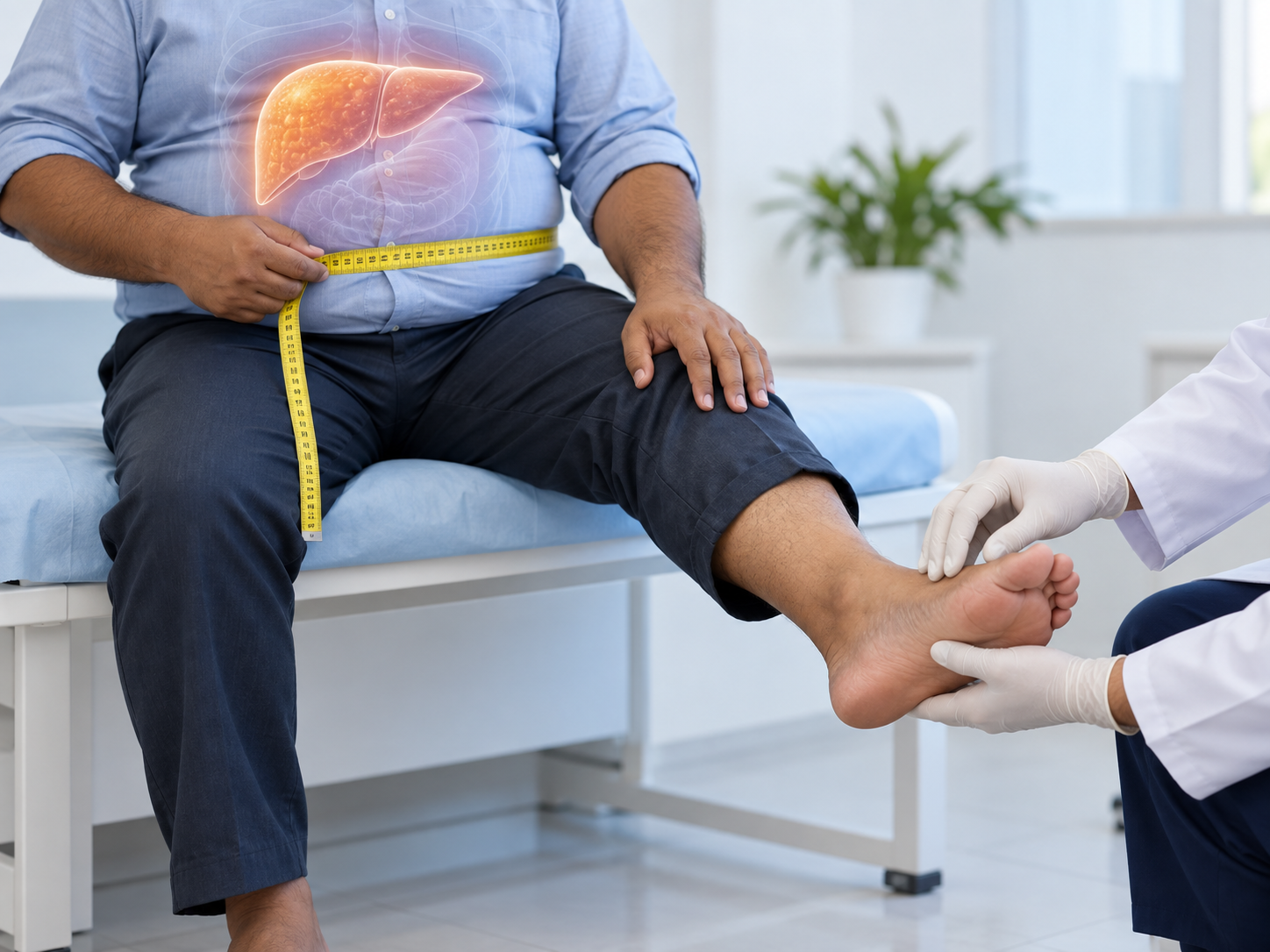
People with an active diabetic foot wound deserve particular caution. Wound healing requires adequate protein, calories, micronutrients, hydration and stable glucose control. A strict fast can make meeting these requirements more difficult.
How Do Sulfonylureas, Insulin, SGLT2 Inhibitors and Metformin Behave During a Fast?
Different diabetes medicines behave differently when food intake changes.
Medicine changes during fasting should be individualized. People taking insulin, sulfonylureas, SGLT2 inhibitors or multiple diabetes medicines may need specialist review before changing their schedule. An Endocrinologist opinion can help assess glucose control, current medicines, fasting duration and the risk of hypoglycaemia or dehydration.
Some medicines continue lowering glucose even when you have not eaten. Others have a relatively low risk of hypoglycaemia but may create concerns related to dehydration, gastrointestinal symptoms or other complications.
This is why fasting with diabetes medicines requires a planned schedule.
| Diabetes medicine | Main risk during fasting | Adjustment to discuss with your doctor | Monitoring |
|---|---|---|---|
| Sulfonylureas | Hypoglycaemia | Dose reduction, timing change or temporary withholding may be considered | More frequent glucose checks |
| Insulin | Hypoglycaemia if the dose is too high for reduced food intake | Dose and timing usually require individual adjustment | Frequent monitoring is important |
| SGLT2 inhibitors | Dehydration and ketoacidosis risk in susceptible situations | Temporary interruption may be considered for higher-risk fasting | Monitor hydration, glucose and symptoms |
| Metformin | Low hypoglycaemia risk when used alone; gastrointestinal upset possible | Timing may need to follow the revised meal schedule | Regular glucose monitoring |
| DPP-4 inhibitors | Generally low hypoglycaemia risk when used alone | Often little adjustment, depending on the complete regimen | Monitor as advised |
| GLP-1 medicines | Reduced appetite, nausea and dehydration in some people | Depends on medicine, dose and tolerance | Monitor food intake, hydration and glucose |
These are general considerations only. Your doctor may recommend a different approach based on your glucose readings and other medicines.
Sulfonylureas During Navratri Fasting
Sulfonylureas stimulate the pancreas to release insulin. Their glucose-lowering effect may continue even when you have eaten substantially less than usual.
This can increase the risk of hypoglycaemia during fasting.
If your usual medicine schedule assumes breakfast, lunch and dinner but your Navratri schedule contains only one or two meals, the timing and dose may no longer be appropriate.
Your doctor may consider changing the dose or timing depending on the specific sulfonylurea, glucose readings and duration of fasting.
Do not take your usual dose automatically after removing the meal that normally accompanies it.
Insulin During Navratri Fasting
People taking insulin require particularly careful planning.
Basal insulin, rapid-acting mealtime insulin and premixed insulin have different functions. Therefore, there is no single rule such as "skip insulin whenever you skip food."
Too much insulin relative to food intake can cause hypoglycaemia. In contrast, insufficient insulin can lead to severe hyperglycaemia and potentially dangerous metabolic complications.
Before beginning navratri fasting for diabetics while using insulin, obtain clear instructions covering:
-
Which insulin doses need changing
-
How much each dose should change
-
When each dose should be taken
-
When glucose should be checked
-
What to do if glucose begins falling
-
What to do if glucose becomes very high
-
When the fast must be stopped
Keep your glucometer or continuous glucose monitor available throughout the fasting period.
SGLT2 Inhibitors and Fasting
SGLT2 inhibitors include medicines such as dapagliflozin and empagliflozin.
These medicines increase glucose loss through urine. When fasting is accompanied by limited fluid intake, dehydration becomes an important concern.
The SGLT2 inhibitor fasting risk also includes an uncommon but serious complication called diabetic ketoacidosis. In some circumstances, ketoacidosis can occur without extremely high blood glucose.
Risk deserves particular attention when fasting involves:
-
Very low fluid intake
-
Prolonged fasting
-
Acute illness
-
Vomiting
-
Significant dehydration
-
Major carbohydrate restriction
Do not independently discontinue an SGLT2 inhibitor. Your doctor can determine whether your fasting plan warrants temporarily changing the medicine.
What About Metformin During Navratri?
Metformin alone usually carries a relatively low risk of causing hypoglycaemia.
That does not necessarily mean its normal timing should remain unchanged.
If you normally take metformin with breakfast and dinner but your meal schedule changes during Navratri, your doctor may recommend changing when you take it. Taking metformin without food may also worsen nausea or stomach discomfort in some people.
If metformin is combined with insulin, a sulfonylurea or another glucose-lowering medicine, the complete treatment plan needs to be reviewed.
Which Blood Sugar Readings Mean You Must Break the Fast?
No religious fast should be continued through a potentially dangerous glucose level.
As a practical safety threshold, you should break the fast if blood glucose:
Falls below 70 mg/dL
or
Rises above 300 mg/dL
You should also stop fasting and seek appropriate medical advice if you develop:
-
Shaking or trembling
-
Sweating
-
Dizziness
-
Confusion
-
Faintness
-
Severe weakness
-
Excessive thirst
-
Repeated urination
-
Vomiting
-
Significant dehydration
-
Severe drowsiness
-
Other symptoms of acute illness
Do not wait for symptoms if your glucose meter already shows a dangerously low reading.
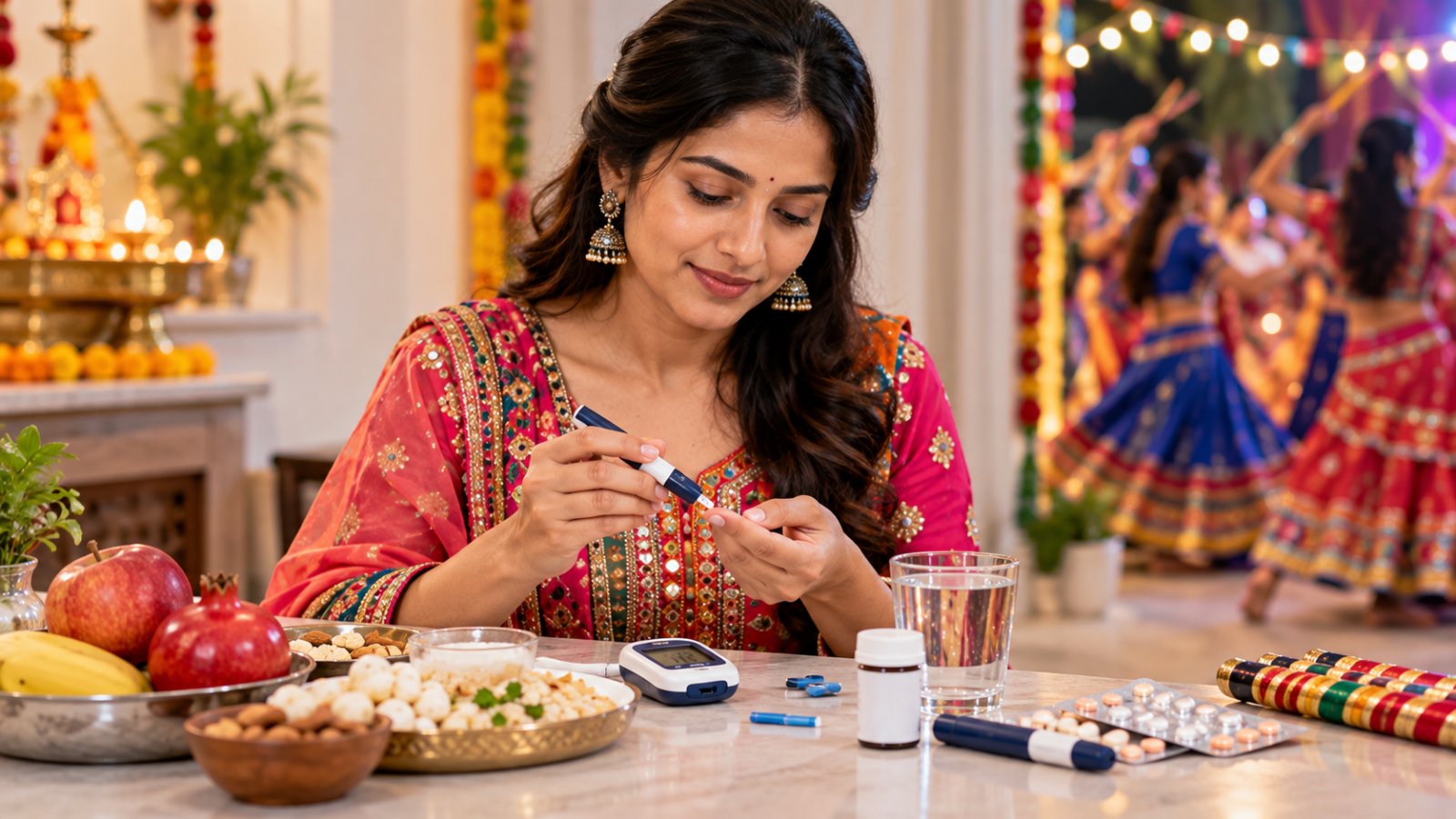
Checking glucose does not add calories or carbohydrates to the body. From a medical perspective, glucose monitoring should continue during navratri fasting for diabetics.
If you use a continuous glucose monitor, watch the direction of glucose changes as well as the current number.
How Do Fasting Foods Like Sabudana and Potato Affect Sugar?
"Fasting food" does not necessarily mean "diabetes-friendly food."
Food choices remain important during Navratri because fasting foods can still contain substantial amounts of carbohydrate. Read more about Diet and diabetes to understand how carbohydrate portions, meal composition and food choices can influence blood glucose.
Several foods traditionally eaten during Navratri can contain significant amounts of carbohydrate. Portion size and meal composition therefore remain important.
Sabudana
A common question is whether sabudana for diabetics is safe.
Sabudana is carbohydrate-rich and may raise blood glucose substantially, particularly when eaten in a large serving.
Adding peanuts can provide some fat and protein, but it does not remove the carbohydrate contained in sabudana.
Rather than making a large bowl of sabudana khichdi the complete meal, discuss an appropriate portion and combine it with suitable protein and other permitted foods.
Potatoes
Potatoes are another common Navratri ingredient.
Large servings, particularly fried potato preparations, can provide substantial carbohydrate and calories.
A controlled portion of boiled or appropriately prepared potato may fit some individual meal plans better than large quantities of fried potato dishes.
Fruit
Fruit contains vitamins, minerals and fibre, but it also contains natural sugars.
Eating fruit continuously throughout the day because it is permitted during a fast can still raise glucose.
Portion size matters, particularly with higher-carbohydrate fruits.
Buttermilk and Dairy
Unsweetened buttermilk, curd and suitable dairy products may provide fluids and protein when allowed by the person's fasting practice and medical condition.
Avoid adding sugar to milk, buttermilk or other fasting drinks.
People with kidney disease may need different recommendations for fluids, protein, potassium and particular foods.
What Should a Diabetic Eat During a Navratri Fast?
A balanced fasting meal should not consist almost entirely of starch.
Depending on your fasting traditions and medical requirements, a meal may include:
-
A controlled portion of fasting carbohydrate
-
An appropriate protein source
-
Unsweetened curd or buttermilk
-
Suitable vegetables
-
Nuts in controlled portions
-
A measured amount of fruit
-
Adequate water and fluids when permitted
Try to avoid replacing ordinary meals with repeated servings of fried fasting snacks, sweetened drinks, sweets, potatoes and large quantities of sabudana.
People following navratri fasting for diabetics should also check how their glucose responds after fasting meals rather than assuming a traditional fasting food is automatically suitable for diabetes.
If you need an individual eating plan that considers diabetes control, protein requirements and other health conditions, the clinic's Diet and nutrition service can help with structured dietary planning.
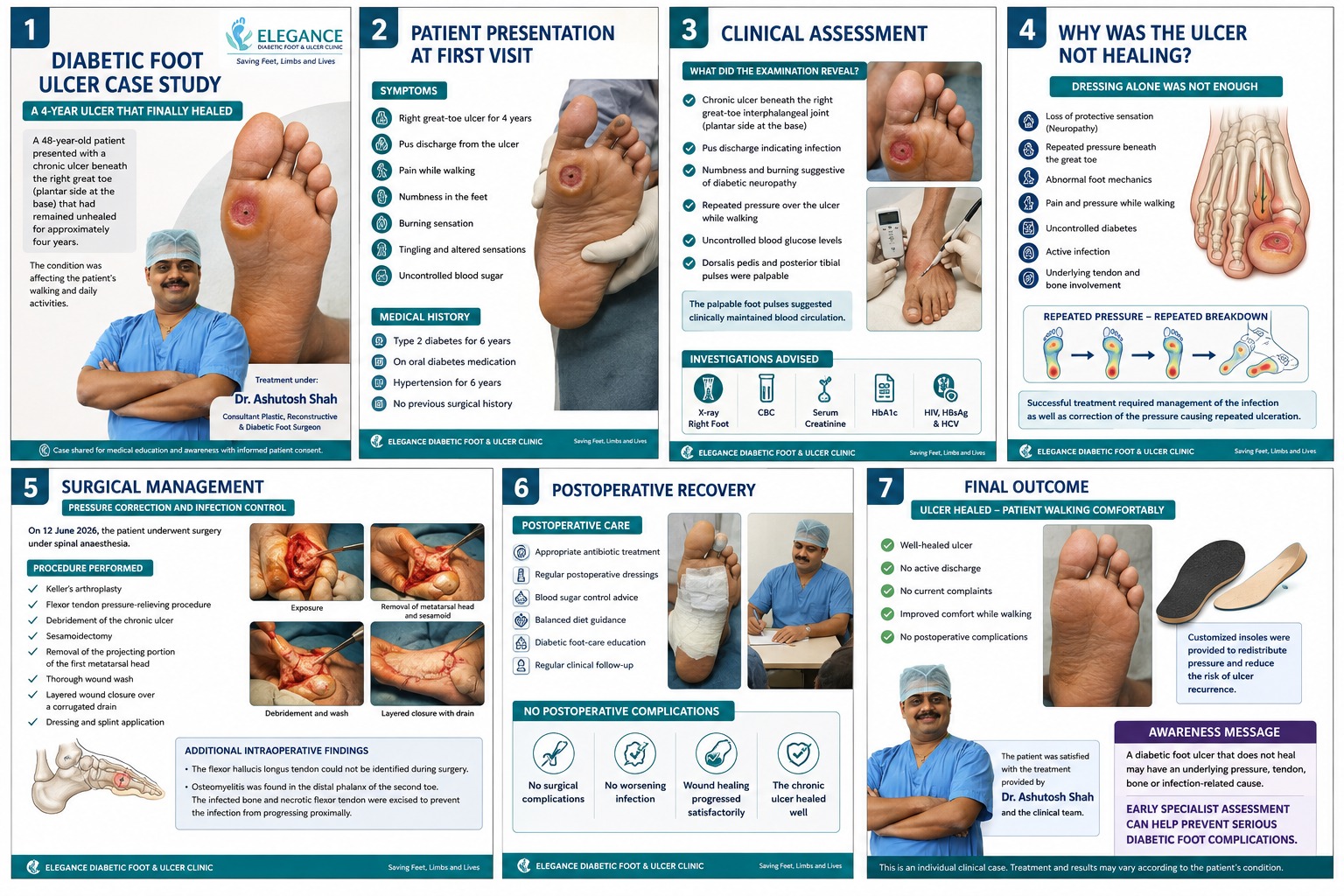
Why Is Fasting Risky While a Foot Wound Is Healing?
An active diabetic foot ulcer changes the situation considerably.
Wound healing requires adequate nutrition. The body needs sufficient energy, protein, vitamins, minerals and hydration to repair damaged tissue.
At the same time, persistently high glucose can interfere with healing and complicate infection management.
A prolonged or strict fast may make it difficult to maintain:
-
Adequate hydration
-
Sufficient protein intake
-
Consistent energy intake
-
Stable glucose levels
-
Correct antibiotic timings when antibiotics are prescribed
-
Appropriate diabetes medicine timings
For these reasons, people receiving treatment for an active diabetic foot ulcer should not begin strict fasting without discussing it with their treating medical team.
Do not postpone wound dressings, offloading, prescribed antibiotics, wound reviews or other diabetic foot treatment because you are fasting.
When to Speak to a Navratri Fasting Diabetes Doctor in Surat
If you need guidance from a navratri fasting diabetes doctor in Surat, arrange the review before beginning the fast whenever possible.
Bring your medicine strips or current prescription and several days of recent glucose readings.
Your consultation should establish:
-
Whether fasting is medically appropriate for you
-
Which medicines should be taken with fasting meals
-
Whether any doses require reduction
-
Whether insulin timing needs modification
-
Whether an SGLT2 inhibitor needs special consideration
-
How often you should measure glucose
-
Which glucose readings require breaking the fast
-
What foods are appropriate when you end the fast
If you have an active diabetic foot wound, the review should also consider your wound status, infection risk, hydration and nutritional requirements.
How to Prepare Before Navratri Begins
Planning navratri fasting for diabetics is much safer before the first fasting day than trying to adjust medicines after hypoglycaemia develops.
Write down your normal:
-
Breakfast time
-
Lunch time
-
Dinner time
-
Medicine doses
-
Insulin doses
-
Glucose readings
Next, write down the meal schedule you intend to follow during Navratri.
Your treating doctor can use these details to determine whether medicine timings or doses need adjustment.
Keep your glucose meter, testing strips and an appropriate rapid source of glucose accessible throughout the day.
Family members should also recognise the symptoms of hypoglycaemia and know what to do if you become confused, faint or unable to treat yourself.
Conclusion
Navratri fasting for diabetics can require changes to meal timing, glucose monitoring and diabetes medicines. What is safe for one person may not be safe for another, even when both take similar medicines.
Plan before Navratri begins, monitor glucose during the fast and know the readings and symptoms that mean you should stop fasting. Never copy another person's insulin or tablet adjustment.
People with diabetic foot ulcers or other foot complications need additional attention to nutrition, hydration, glucose control and wound healing. Dr. Ashutosh A Shah and the team at Elegance Diabetic Foot & Ulcer Clinic can assess these diabetic foot concerns alongside the patient's ongoing diabetes care.
quiz Frequently Asked Questions
This article is general education, not a diagnosis. If you have a diabetic foot wound, please have it assessed in person. Send a photo on WhatsApp or book a consultation.
About the Author

Dr. Ashutosh Shah, Plastic, Reconstructive & Diabetic Foot Surgeon, Elegance Diabetic Foot & Ulcer Clinic, Surat
Dr. Ashutosh Shah is a board certified plastic and reconstructive surgeon with over 22 years of experience and more than 10,000 limbs and feet saved. He founded Elegance Diabetic Foot & Ulcer Clinic, India's first chain of clinics dedicated to foot care, with centres in Surat and OPD partners across South Gujarat. He is known for a limb first approach, safe wound care and ethical, natural results.