
Foot Deformity Assessment
A structured check for claw toes, bunions, collapsed arches and other shape changes that create ulcer pressure points.
Key Takeaways
- Most diabetic foot ulcers form under a deformity, not at random.
- Claw toes, hammer toes, bunions and midfoot collapse all shift pressure onto small areas.
- Assessment combines a hands on examination with pressure mapping and, where needed, an X ray.
- Correcting the pressure with footwear or surgery prevents repeat ulcers.
Why Does Foot Shape Matter in Diabetes?
Because your foot is a pressure distribution system. When a toe curls or an arch collapses, weight that used to spread across the whole sole now lands on one or two small spots. Skin under those spots thickens, then breaks down, and an ulcer appears.
Nerve damage makes this worse. Muscles that hold the toes straight weaken, so deformity develops gradually and painlessly. Many patients only notice once shoes stop fitting.
What Does the Assessment Involve?
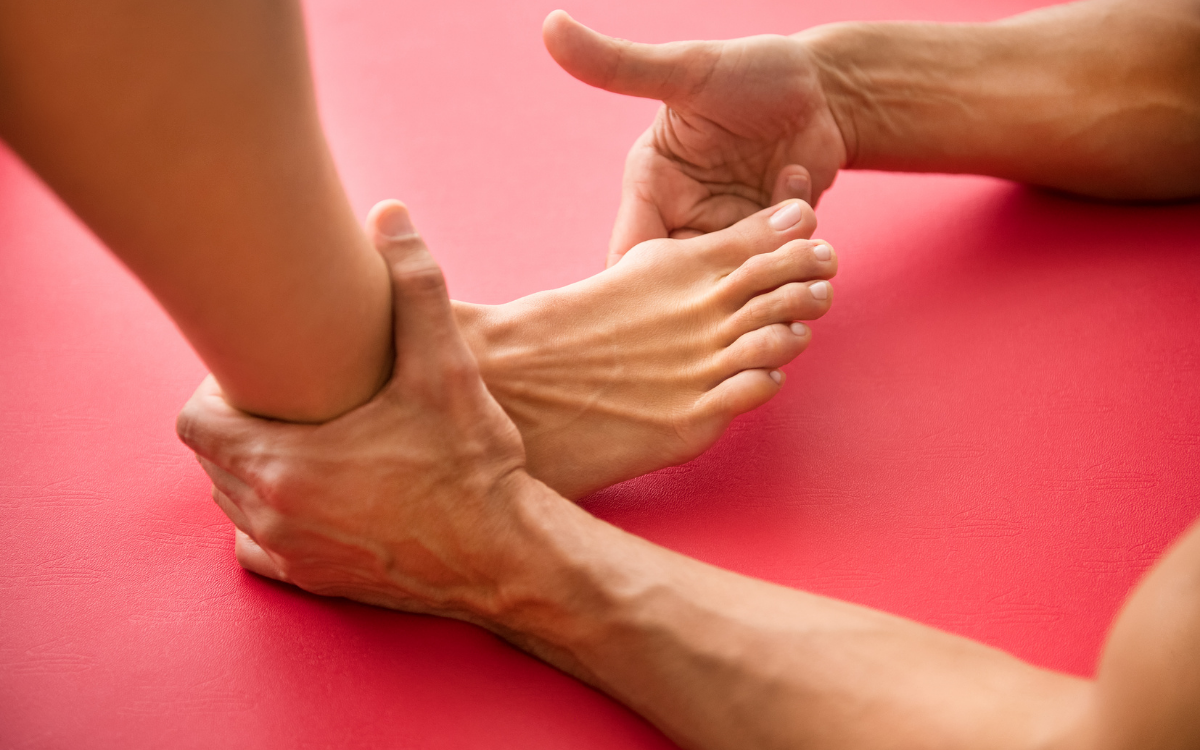
We look at your feet standing and sitting, check how flexible each deformity is, and identify where the skin is already reacting with callus. Pressure mapping shows the load under each part of the sole in numbers rather than guesswork. An X ray is added when bone position needs confirming.
- Claw toe, hammer toe and mallet toe assessment
- Bunion and bunionette evaluation
- Midfoot collapse and rocker bottom check
- Ankle stiffness and Achilles tightness testing
- Callus mapping against pressure readings
What Happens After the Assessment?
Findings drive the plan. Flexible deformities usually respond to custom insoles and roomy footwear through our footwear and offloading service. Fixed deformities that keep causing ulcers are corrected surgically, often with a small procedure such as a flexor tenotomy.
Who Should Book This Check?
Book if your toes have started curling, a bony bump has appeared, your arch looks flatter than before, shoes have become hard to fit, or callus keeps returning in the same place. Anyone with a previous ulcer should have deformity reassessed yearly.
What Does It Cost and What Should You Expect?
Assessment is charged at standard consultation rates in Surat, with pressure mapping and imaging priced separately when they are needed. Everything is confirmed before it is carried out, so the bill holds no surprises.
Realistically, an assessment does not change the shape of your foot. What it changes is the pressure that shape creates, and that is what protects the skin. Patients who act on the findings, meaning correct footwear plus regular review, very rarely return with an ulcer in the same spot.