



Diabetic Foot Ulcer Stages: What They Look Like & When to See a Specialist in Surat
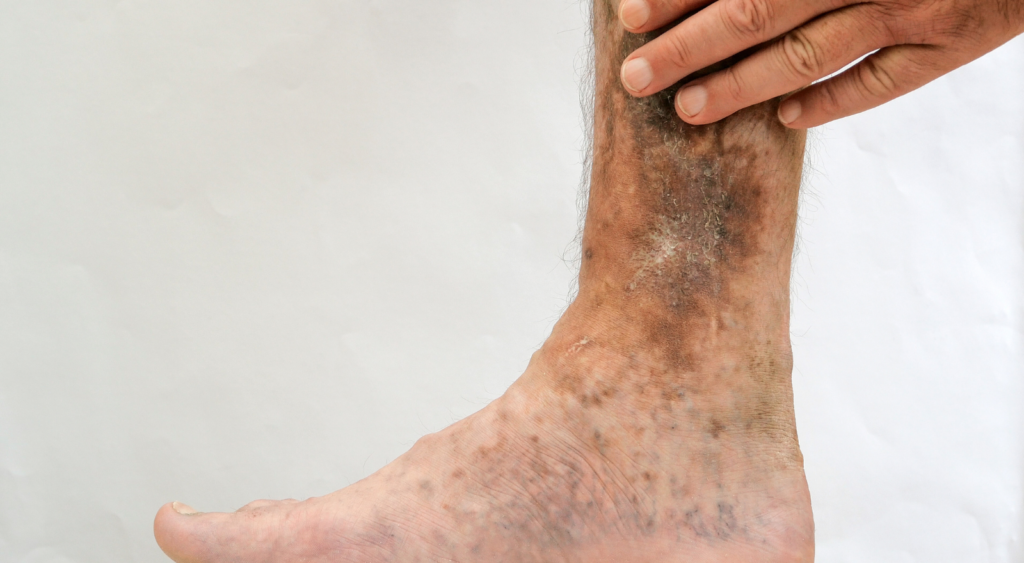
If you or someone in your family has diabetes, you have probably been warned about diabetic foot ulcers. But do you know what these ulcers actually look like and when they cross the line from manageable at home to needing urgent medical attention?
At Elegance Diabetic Foot & Ulcer Clinic (EDFC) in Surat, Dr. Ashutosh Shah sees patients at every stage of diabetic foot ulcers from the earliest warning sign to advanced gangrene. His most important message: the earlier you come, the more we can save.
What Is a Diabetic Foot Ulcer?
A diabetic foot ulcer is an open wound or sore that develops on the feet of people with diabetes. High blood sugar damages nerves (neuropathy) and reduces blood flow so small injuries go unnoticed and unhealed. A tiny blister or cut can silently become a deep, infected wound if left unchecked.
According to the World Health Organization (WHO), diabetes affects over 77 million people in India. In Surat, a city with a large working population and rising diabetes rates, this problem is very real and entirely preventable with early care.
The 5 Stages of Diabetic Foot Ulcers (Wagner Classification)
Doctors use the Wagner Classification System to grade diabetic foot ulcers from Stage 0 to Stage 5. Here is what each stage means in plain language:
Stage 0 : Pre-Ulcer (The Warning Stage)
What you will see: No open wound yet. But you may notice thickened skin (callus), redness, swelling, or a blister on a pressure point like the heel or ball of the foot.
What is happening: Skin is under stress. Nerves may already be damaged, so the patient feels no pain. This is the ideal time to act. Non-surgical management and proper footwear can stop everything before a wound forms.
Stage 1 : Surface Ulcer
What you will see: A shallow open sore that breaks through the top layer of skin. It may look like a raw red patch. No deep infection yet.
What is happening: Very treatable with professional wound cleaning, dressings, and offloading (relieving pressure). Most patients at EDFC who come at Stage 1 heal completely within a few weeks.
Stage 2 : Deep Ulcer Reaching Tendons or Bone
What you will see: A deeper wound reaching tendons, the joint capsule, or bone. Yellowish tissue (slough) may be visible inside the wound. Mild odour may be present.
What is happening: Infection risk is high. Urgent clinical evaluation and debridement are needed. See our diabetic foot conditions page to understand the conditions involved at this stage.
Stage 3 : Deep Ulcer With Bone Infection
What you will see: A deep wound with pus, swelling, redness, and warmth around it. Bone or joint infection (osteomyelitis) may be confirmed. The foot may feel hot to the touch.
What is happening: This is a medical emergency. Without treatment, infection spreads rapidly. Most patients at Stage 3 require surgical intervention alongside antibiotics.
Call EDFC immediately if you notice pus, bone exposure, or a foul smell from any foot wound.
Stage 4 : Localised Gangrene
What you will see: A toe or part of the forefoot is blackened. Tissue has died due to loss of blood supply. Strong odour is common.
What is happening: Tissue death (necrosis) in a localised area. This does not automatically mean the whole foot must be removed. With expert limb salvage surgery, Dr. Ashutosh Shah has preserved the feet of hundreds of Surat patients by removing only the affected portion.
Stage 5 : Extensive Gangrene
What you will see: Gangrene affecting a large portion or the entire foot. Tissue is black, cold, and non-viable.
What is happening: The most advanced and dangerous stage. Even here, Dr. Shah evaluates whether revascularisation (restoring blood flow) is possible before deciding on amputation. Every option for limb salvage is explored first.
Early Warning Signs You Should Never Ignore
- Any wound on your foot that has not healed in 2 weeks
- Redness, warmth, or swelling around a sore
- Black or dark discolouration of any toe
- Foul smell or discharge from a wound
- Loss of sensation, you cannot feel heat, cold, or pain in your foot
- Increasing pain in the calf while walking (sign of poor circulation)
The American Diabetes Association (ADA) recommends a professional foot examination at least once a year for every person with diabetes and more frequently for those with neuropathy or a history of ulcers.
Why Surat Patients Choose Dr. Ashutosh Shah at EDFC
Dr. Ashutosh Shah has been specialising in diabetic foot care since 2004. Trained at the internationally renowned Ganga Hospital in Coimbatore, he brings plastic surgery, microvascular surgery, and advanced wound care under one roof at EDFC in Surat.
His approach: save the foot first, save the leg second, save the life third.
Patients travel from across Gujarat and even from the UK and USA to receive care at EDFC. Learn more about Dr. Shah, explore our full range of services, or book a consultation today. We also offer diabetic footwear services to prevent ulcers from forming in the first place.
Follow Dr. Ashutosh Shah
- Facebook – Elegance Diabetic Foot Clinic
- Instagram – @elegancediabeticfootcare
- YouTube – Elegance Diabetic Foot
- LinkedIn – EDFC Surat
Frequently Asked Questions
In Stage 0 to 1, it may look like thickened skin, a callus, redness, or a small open sore. There is usually no pain due to nerve damage. Any skin change on a diabetic foot should be checked by a specialist immediately.
There are 6 grades (Stage 0 to Stage 5) according to the Wagner Classification System. Stage 0 is a pre-ulcer warning with no open wound; Stage 5 is extensive gangrene. Each stage needs a different level of medical care.
Yes — especially at Stage 0, 1, and sometimes Stage 2. With proper wound care, offloading, and blood sugar control, many ulcers heal without surgery. Stage 3, 4, and 5 usually require surgical treatment. Early treatment always improves outcomes.
Visit Elegance Diabetic Foot & Ulcer Clinic (EDFC) in Surat, led by Dr. Ashutosh Shah — specialist in diabetic foot care and limb salvage since 2004. Book at elegancediabeticfoot.com/contact-us or call +91 88490 66499.
Not always. Localised gangrene (Stage 4) can often be treated with targeted surgery removing only the dead tissue. Dr. Ashutosh Shah at EDFC Surat explores every limb-salvage option before recommending amputation.


Category
Latest From Blog
కాళ్లు తిమ్మిరి మరియు డయాబెటిస్ సమస్యలను ఎలా గుర్తించాలి
క్యాన్సర్ సర్జరీ తర్వాత మైక్రోవాస్క్యులర్ రీకన్స్ట్రక్షన్ ఎందుకు ముఖ్యము?
પैर का घाव नहीं भर रहा, डायबिटीज में देरी करना खतरनाक है