



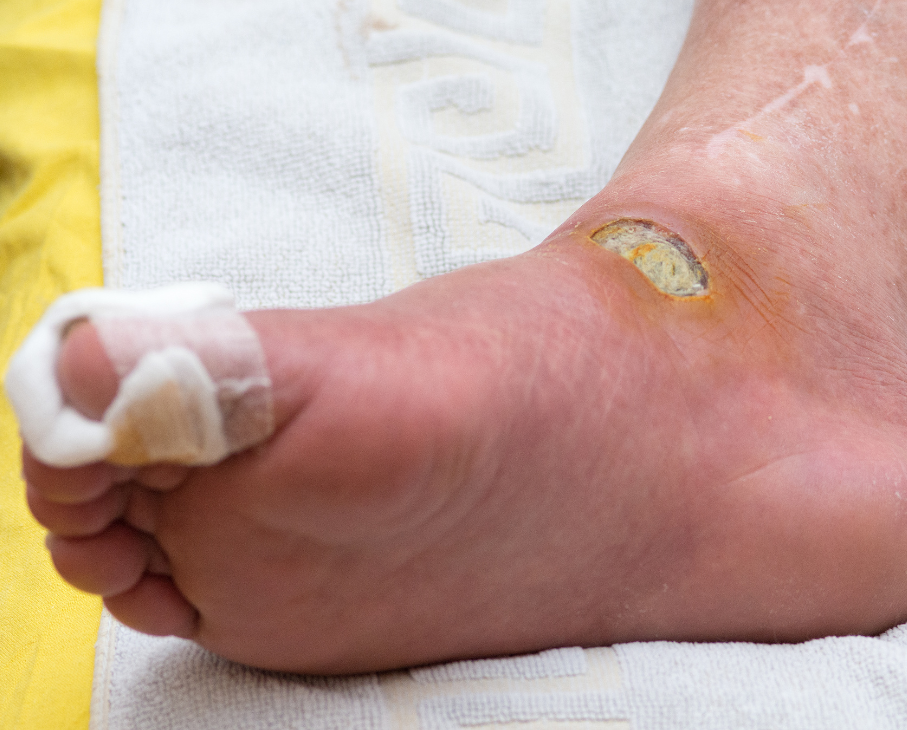
Diabetes affects much more than blood sugar levels. Over the years, I have seen many patients in Surat ignore small foot problems until they become serious. A tiny cut, swelling, or numbness may not look dangerous in the beginning. However, when diabetes is involved, even a small issue can turn into an infection or ulcer if proper care is delayed.
At Elegance Clinic, many patients come to me after trying home remedies for weeks. Unfortunately, some wait so long that walking becomes painful. In a few cases, delayed treatment even increases the risk of severe infection. That is why understanding the early warning signs is extremely important.
The good news is that most diabetic foot problems can be treated successfully when diagnosed early. With proper care, patients can avoid complications and maintain a healthy and active lifestyle.
What Is a Diabetic Foot Problem?
A diabetic foot problem happens when diabetes affects blood circulation and nerves in the feet. Because of this, patients may not feel pain properly. As a result, cuts, cracks, or wounds often go unnoticed.
Moreover, poor blood supply slows down healing. Therefore, infections can spread faster in diabetic patients compared to others.
Common diabetic foot problems include:
• Foot ulcers
• Swelling
• Corns and calluses
• Skin infections
• Numbness
• Burning sensation
• Foot deformities
• Non healing wounds
Many patients in Surat walk barefoot at home or wear improper footwear. This habit often increases the chances of injury and infection.
Early Signs You Should Never Ignore
Recognising symptoms early can prevent bigger problems later. Although some signs may appear minor, they should never be ignored.
Numbness in the Feet
Many patients describe this as a tingling or sleeping sensation in the feet. Since nerves get damaged due to diabetes, feeling becomes reduced gradually.
Consequently, patients may not realise when they step on something sharp or develop a wound.
Swelling and Redness
Persistent swelling or redness can indicate infection or pressure inside the foot. Sometimes patients think it is temporary, but it may be a warning sign of deeper tissue damage.
Cracks or Dry Skin
Dry skin around the heels is common in diabetic patients. However, deep cracks can become entry points for bacteria.
Foot Ulcers
An ulcer is an open wound that does not heal properly. This is one of the most serious diabetic foot conditions. Early treatment is extremely important.
Burning Sensation
Some patients experience burning pain at night. Others complain about electric shock like sensations in the feet. These symptoms usually indicate nerve involvement.
Common Causes of Diabetic Foot Problems
Several factors contribute to diabetic foot complications.
Poor Blood Sugar Control
High sugar levels damage nerves and blood vessels slowly over time.
Poor Foot Hygiene
Ignoring regular foot cleaning and nail care increases infection risk.
Improper Footwear
Tight slippers, hard sandals, and walking barefoot can lead to repeated injuries.
Smoking
Smoking reduces blood circulation further, which delays healing significantly.
What Most Patients Ask First
One of the first questions patients ask me is whether diabetic foot treatment can prevent surgery.
In many cases, yes. Early diagnosis and proper treatment can prevent major complications. However, patients must seek treatment before the infection spreads deeply.
Another common concern is whether treatment is painful. Most treatments are manageable and focused on reducing pain, infection, and pressure on the affected area.
Patients also worry about recovery time. The answer depends on the severity of the condition, sugar control, and how early treatment begins.
Diabetic Foot Treatment in Surat at Elegance Clinic
At Elegance Clinic, treatment is planned according to the patient’s condition. Every diabetic foot problem is different. Therefore, personalised care is extremely important.
Wound Cleaning and Dressing
Regular cleaning removes infected tissue and promotes healthy healing.
Infection Control
If infection is present, medicines and proper wound management are necessary.
Pressure Relief
Reducing pressure on the wound helps faster recovery. Special footwear or dressing support may be advised.
Diabetic Foot Ulcer Care
Foot ulcers require careful monitoring. Delayed care can increase complications. Therefore, regular follow up is important.
Foot Care Guidance
Patients are educated about proper footwear, hygiene, and daily foot inspection.
Benefits of Early Diabetic Foot Treatment
Early treatment provides several advantages.
• Faster healing
• Reduced infection risk
• Better walking comfort
• Lower chances of surgery
• Improved quality of life
• Reduced long term complications
Additionally, patients feel more confident once pain and discomfort reduce.
Common Mistakes Patients Make
Unfortunately, many diabetic patients unknowingly worsen their condition.
Ignoring Small Wounds
Patients often assume small cuts will heal naturally. However, diabetes slows healing significantly.
Using Home Remedies Without Guidance
Applying random creams or oils can irritate wounds further.
Walking Barefoot
Even at home, walking barefoot increases injury risk.
Delaying Medical Consultation
Many patients visit the clinic only after severe pain or pus formation develops.
Cost of Diabetic Foot Treatment in Surat
The cost depends on several factors, including infection severity, wound size, dressing requirements, and treatment duration.
Simple wound care may require basic dressing sessions. However, advanced diabetic foot ulcers may need longer management and more intensive care.
At Elegance Clinic, we always discuss treatment expectations honestly with patients. Transparent guidance helps patients feel comfortable and prepared.
Who Is a Good Candidate for Treatment?
Any diabetic patient experiencing foot discomfort should seek evaluation.
You may benefit from diabetic foot treatment if you have:
• Foot ulcers
• Numbness
• Swelling
• Burning pain
• Recurrent infections
• Slow healing wounds
• Skin colour changes
Even if symptoms appear mild, early assessment is always safer.
Common Myths About Diabetic Foot Problems
“It Is Just a Small Wound”
Many serious ulcers begin as tiny unnoticed injuries.
“Pain Means Serious Problem”
Some dangerous diabetic wounds are completely painless due to nerve damage.
“Home Treatment Is Enough”
Professional care is often necessary to prevent worsening infection.
What Actually Works for Long Term Results
Long term improvement depends on consistent care.
Good Sugar Control
Maintaining stable sugar levels supports faster healing.
Proper Footwear
Comfortable footwear reduces pressure and friction.
Daily Foot Inspection
Checking feet daily helps detect problems early.
Regular Medical Follow Up
Routine monitoring prevents complications before they become severe.
After Treatment Care Tips
Recovery does not end after the wound heals. Patients should continue protecting their feet daily.
Helpful habits include:
• Washing feet gently every day
• Keeping feet dry
• Avoiding barefoot walking
• Moisturising dry skin carefully
• Trimming nails properly
• Wearing soft and supportive footwear
These simple habits make a big difference over time.
Why Patients Choose Elegance Clinic
Patients visiting Elegance Clinic often tell me they appreciate clear communication and practical guidance. I believe patients should understand their condition fully instead of feeling confused or scared.
Our focus remains on early diagnosis, personalised treatment, and realistic expectations. Since every patient’s condition is unique, treatment plans are customised carefully.
Moreover, many patients in Surat prefer a clinic where they can discuss concerns openly and receive continuous support during recovery.
Realistic Expectations From Treatment
Patients should understand that healing takes time. Diabetic foot conditions do not improve overnight. However, with proper treatment and consistent care, most patients notice gradual improvement.
Some patients recover within weeks, while severe ulcers may require longer management. Following medical advice regularly improves outcomes significantly.
Conclusion
Diabetic foot problems should never be ignored. Small symptoms today can become major complications tomorrow if left untreated. Therefore, early diagnosis and timely care are extremely important.
If you notice numbness, swelling, burning sensations, or slow healing wounds, seeking professional help early can protect your health and mobility.
At Elegance Clinic, our goal is to help patients in Surat manage diabetic foot conditions safely, comfortably, and confidently with practical treatment and long term care guidance.
Looking for safe and effective Diabetic Foot Treatment in Surat?
Do not ignore numbness, swelling, burning sensation, or slow healing wounds. Early treatment can help prevent serious complications and protect your mobility.
Consult Dr. Ashutosh Shah at Elegance Clinic for personalised diabetic foot care, practical guidance, and advanced treatment options designed for long term relief and healing.
Book your consultation today and take the first step towards healthier feet and better comfort. Also See our Results on page https://www.suratdiabeticfootcare.in/photo/.


Category
Latest From Blog
కాళ్లు తిమ్మిరి మరియు డయాబెటిస్ సమస్యలను ఎలా గుర్తించాలి
క్యాన్సర్ సర్జరీ తర్వాత మైక్రోవాస్క్యులర్ రీకన్స్ట్రక్షన్ ఎందుకు ముఖ్యము?
પैर का घाव नहीं भर रहा, डायबिटीज में देरी करना खतरनाक है