Non-healing wound care involves assessing why a wound is not improving, checking infection and circulation, and selecting suitable dressings, pressure offloading or other treatment. Patients from Amreli may begin with a consultation and investigations before planning further care. The duration, number of visits and healing time depend on the wound's condition.
Non-healing wound care focuses on finding why a wound is not improving and treating problems such as infection, poor circulation, repeated pressure or damaged tissue. Patients from Amreli may need wound assessment, appropriate dressings, pressure offloading, medicines or selected procedures, followed by regular monitoring. Healing time depends on the wound's depth, blood supply, infection status and overall health.
A wound that remains open for several weeks or fails to improve as expected should not be ignored, especially in people with diabetes. Even a small wound can become complicated when nerve damage or reduced blood circulation is present.
Understanding the consultation process, treatment options, recovery expectations and follow-up requirements can help patients plan care more effectively.
What Is Non-Healing Wound Care and Who is it for?
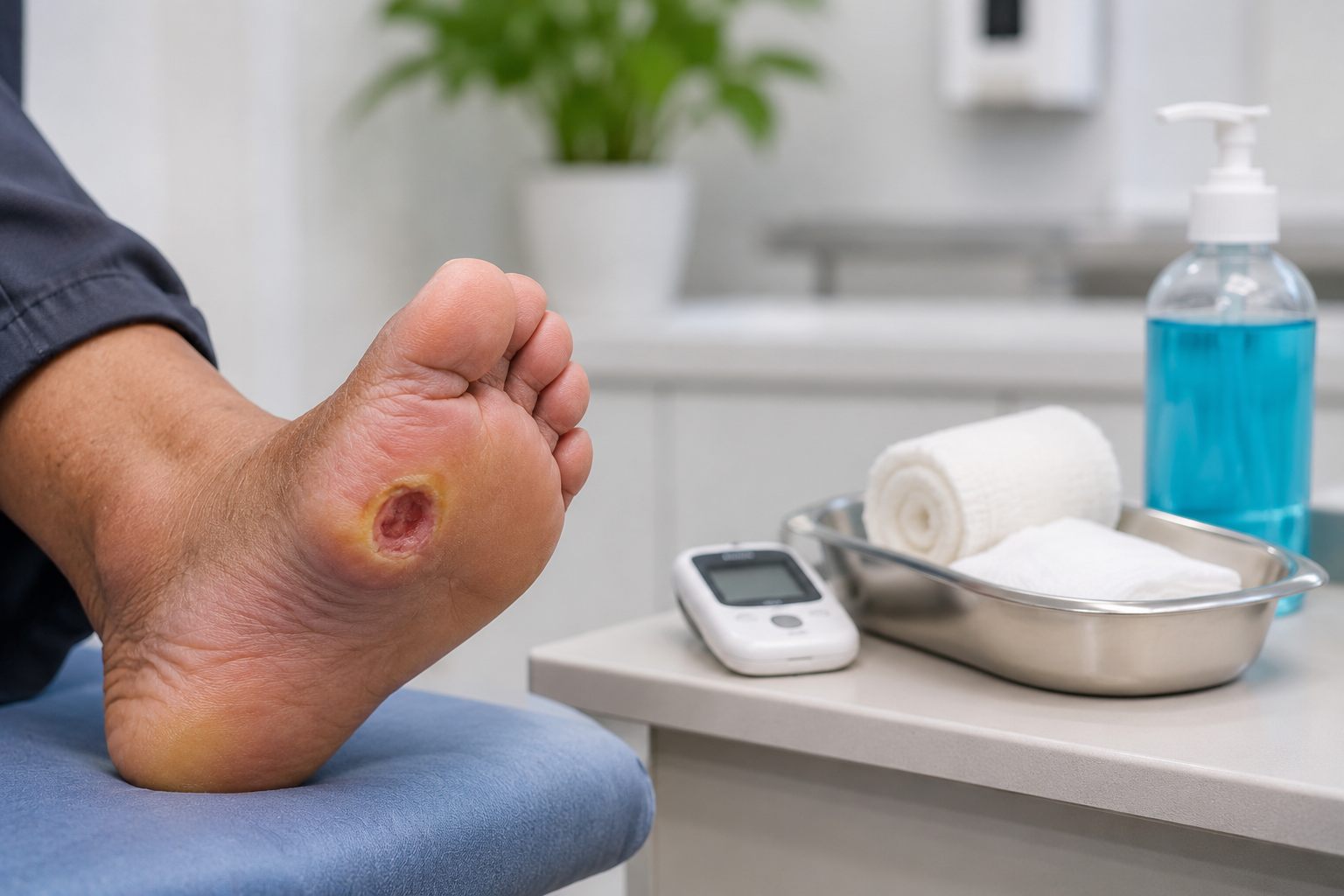
A non-healing wound is an injury that does not progress through the expected stages of healing.
Some wounds remain open for weeks, while others initially improve and then stop healing.
Non-healing wounds may develop because of:
-
Diabetes-related nerve damage
-
Reduced blood circulation
-
Repeated pressure on the affected area
-
Infection
-
Dead or damaged tissue
-
Swelling
-
Poor nutritional status
-
Certain underlying medical conditions
People with diabetes are particularly vulnerable because they may not feel minor injuries, and circulation problems can interfere with tissue repair.
Non-healing wound care is not a single operation. It is a treatment process that may involve different medical and surgical approaches.
Who Should Seek Medical Assessment?
Patients should arrange an examination if they notice:
-
A wound that is not becoming smaller
-
Persistent discharge
-
Redness or swelling around an injury
-
A recurring foot ulcer
-
Increasing wound depth
-
Unusual skin discolouration
-
A wound that repeatedly reopens
-
A blister or cut that is worsening
-
Reduced sensation around the injured area
Early assessment helps identify the cause and determine whether additional investigations are necessary.
When Should You Seek Non-Healing Wound Care in Amreli?
Patients considering non-healing wound care in amreli should seek medical assessment when a wound is not improving, becomes infected or repeatedly returns despite treatment.
For a person with diabetes, an open foot wound should be assessed promptly rather than waiting several weeks.
Warning Signs That Require Urgent Attention
Seek urgent medical care if a wound develops:
-
Rapidly spreading redness
-
Increasing swelling
-
Pus or foul-smelling discharge
-
Fever
-
Black or rapidly darkening tissue
-
Sudden worsening pain
-
A cold, pale or blue foot
Severe infection, suspected wet gangrene, sudden loss of circulation or signs of sepsis require immediate assessment at the nearest appropriate hospital.
Patients should not delay emergency treatment to travel for a scheduled consultation elsewhere.
How Is Non-Healing Wound Care Done? Step by Step
Non-healing wounds require a structured treatment approach that begins with identifying the underlying cause. Depending on the wound's condition, treatment may involve cleaning, debridement, infection management, pressure offloading and regular monitoring. For a detailed explanation, read our guide on wound treatment for non-healing wounds
Treatment begins with identifying the reasons a wound has failed to heal.
The exact process varies from patient to patient.
Step 1: Initial Consultation and Medical History
The doctor reviews the patient's symptoms, medical conditions and previous wound treatments.
Important questions may include:
-
When did the wound first appear?
-
Has it increased or decreased in size?
-
Is there any discharge?
-
Has the patient experienced fever?
-
Is there numbness or tingling?
-
What treatments have already been tried?
-
Does the patient have diabetes or circulation problems?
Previous medical reports and wound photographs may help the clinician understand the wound's progression.
Step 2: Detailed Wound Examination
The doctor examines the wound's:
-
Location
-
Size
-
Depth
-
Surrounding skin
-
Tissue condition
-
Drainage
-
Signs of infection
For diabetic foot wounds, the examination may also include checking sensation, foot shape and pressure points.
Step 3: Blood Circulation Assessment
Adequate blood flow is essential for healing.
The clinician may examine foot pulses and recommend Doppler ultrasound, toe-pressure measurements or other vascular investigations when needed.
If circulation is significantly reduced, vascular specialist assessment may be necessary.
Step 4: Investigations for Infection
Blood tests, X-rays or MRI may be recommended when a deep infection or bone involvement is suspected.
For selected infected wounds, an appropriately collected tissue specimen may help guide antibiotic treatment.
Not every wound requires imaging or cultures.
Step 5: Wound Cleaning and Debridement
Wound cleaning removes surface contamination.
Debridement may be performed when removal of dead or infected tissue is appropriate.
The method depends on wound condition, circulation and clinical findings.
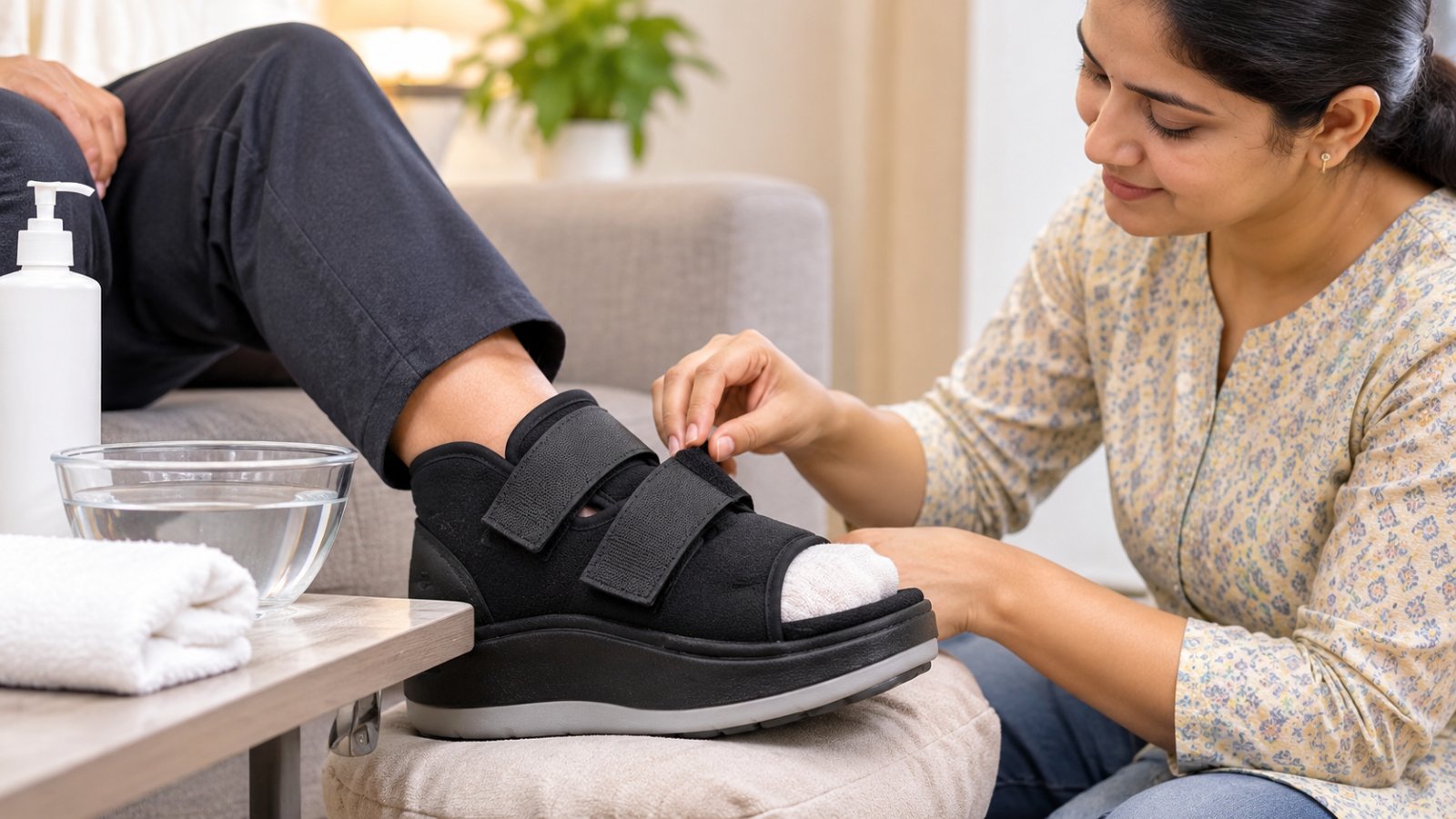
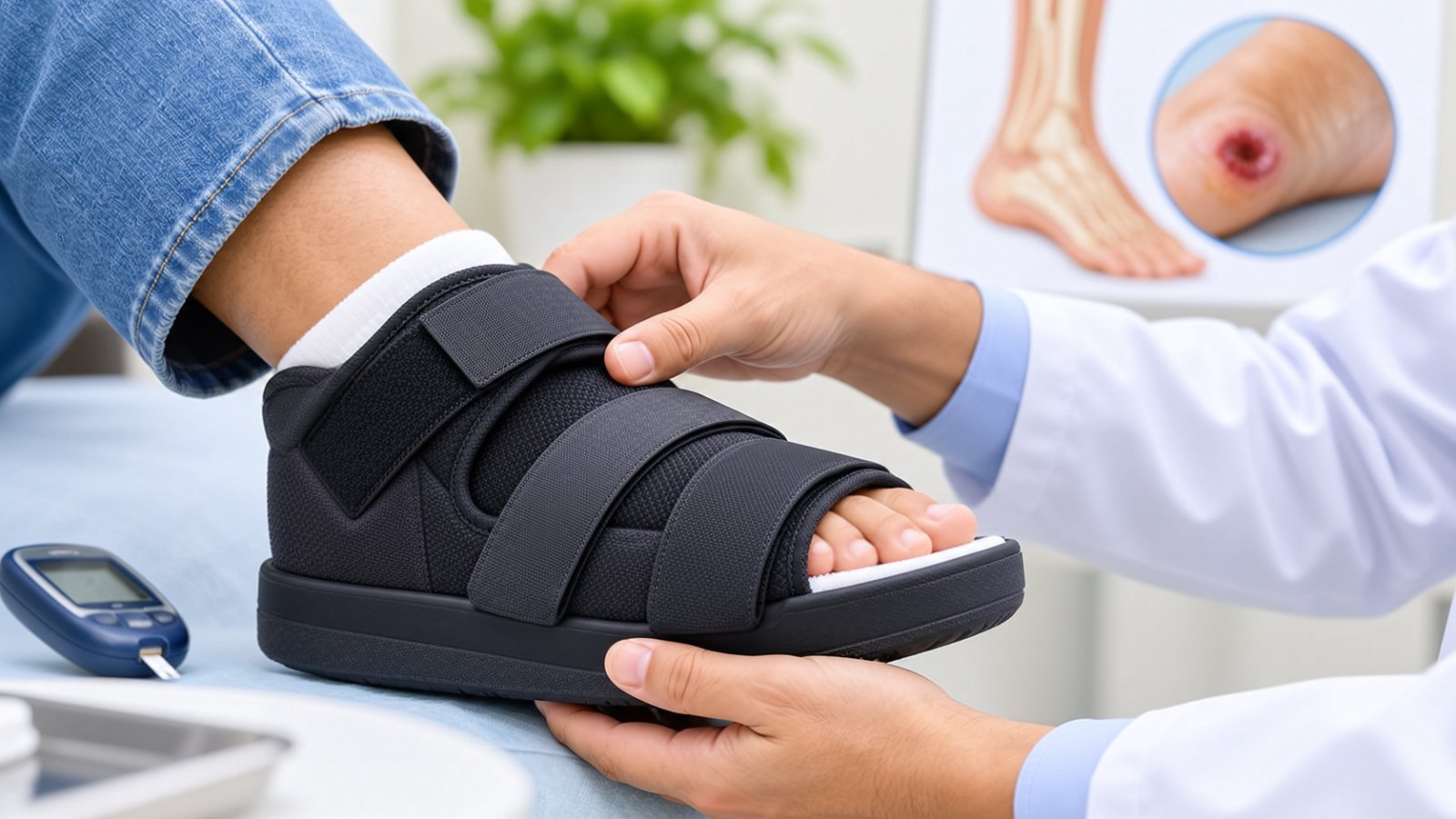
Step 6: Dressings and Pressure Offloading
The clinician selects a dressing based on the wound's characteristics.
If pressure is contributing to the wound, offloading may be recommended.
This can involve specialised footwear, a removable device or another suitable method.
Step 7: Infection and Diabetes Management
Clinically infected wounds may require antibiotics.
Antibiotics are not routinely indicated for wounds without clinical infection.
Blood glucose management and treatment of associated medical conditions are also important.
Step 8: Follow-Up and Reassessment
At follow-up visits, the clinician checks whether the wound is healing.
If progress is inadequate, the treatment plan may need adjustment.
Patients can read more about the approach to non-healing wound treatment.
Quick Facts: Non-Healing Wound Care
| Treatment Detail | What Patients Should Know |
|---|---|
| Consultation duration | [Diabetic Foot Specialist to confirm typical first-visit duration] |
| Treatment session duration | Depends on dressing, debridement or other required procedures |
| Anaesthesia | Usually not required for examination or routine dressing; some procedures may need local or other anaesthesia |
| Hospital stay | Many assessments are outpatient; severe infections or complex procedures may require admission |
| Return to work | Depends on wound location, mobility, offloading requirements and occupation |
| Follow-up frequency | Based on wound severity, dressing needs and response to treatment |
| Healing time | Variable; some wounds take weeks, while complex wounds may require months |
| Estimated treatment cost | [Clinic to confirm typical charges and inclusions] |
The exact duration, stay, recovery recommendations and charges must be confirmed by the treating specialist before publication.
Recovery: What Do the First Few Weeks Look Like?
Recovery time depends on wound depth, infection, blood circulation and the patient's overall health. Some wounds improve within weeks, while complex diabetic foot ulcers may take several months to heal. Patients can explore how long non-healing wound care takes to heal for more information about healing timelines and recovery expectations.
First Few Days
During the initial period, the patient may need:
-
Scheduled dressing changes
-
Pressure reduction
-
Prescribed medicines
-
Blood glucose monitoring
-
Protection from further injury
If debridement or another procedure has been performed, additional wound-care instructions may be necessary.
First One to Two Weeks
The doctor evaluates whether the wound is responding.
Improvement may include healthier wound tissue, reduced drainage and gradual reduction in wound size.
However, visible improvement does not always occur immediately.
Some wounds require further investigations or treatment adjustments.
Following Weeks
As treatment continues, follow-up examinations help assess progress.
The clinician may modify:
-
Dressing selection
-
Offloading methods
-
Infection management
-
Activity restrictions
-
Treatment of underlying conditions
Patients should not stop follow-up visits simply because the wound looks better.
When Will the Wound Heal Completely?
There is no single healing timeline.
A superficial wound with good blood circulation may heal relatively quickly, while a deep ulcer with infection or peripheral artery disease can take substantially longer.
For a more detailed explanation, see how long non-healing wound care can take.to heal in surat.
Which Factors Change the Cost of Non-Healing Wound Care?
The total cost depends on the wound's complexity and the treatment required.
A small wound needing outpatient assessment and dressings will usually have different expenses from a deep infected ulcer requiring admission or surgery.
1. Wound Size and Depth
Larger or deeper wounds may require more intensive treatment and monitoring.
2. Presence of Infection
Infection may increase costs because of additional investigations, medicines or procedures.
3. Circulation Problems
Patients with reduced blood flow may need vascular investigations or specialist interventions.
4. Type of Dressing
Different dressings have different costs and replacement schedules.
5. Need for Debridement or Surgery
Some patients require procedures to remove damaged tissue or manage infection.
6. Hospital Admission
Severe wounds may require inpatient treatment, increasing overall expenses.
7. Number of Follow-Up Visits
Repeated dressings and wound reviews contribute to the total treatment cost.
Questions to Ask About the Estimate
Before beginning planned treatment, ask:
-
What does the initial consultation fee include?
-
Are dressing materials charged separately?
-
Will blood tests or imaging be required?
-
Is any procedure necessary?
-
How frequently will follow-up visits be scheduled?
-
Are medicines included?
-
What additional expenses could arise if healing is delayed?
A written estimate can help patients understand the expected expenses, although the treatment plan may change according to wound progress.
How Can Patients From Amreli Plan Their Treatment Visit?
Patients living in Amreli may initially consult a local doctor for wound assessment.
If the wound is stable but requires additional expertise, a specialist consultation may be considered.
Before Travelling
Patients should:
-
Arrange an appointment in advance.
-
Explain the wound's current condition.
-
Share relevant medical reports if requested.
-
Confirm whether an in-person examination is necessary.
-
Ask whether treatment may be performed during the first visit.
-
Discuss whether a companion is advisable.
-
Confirm the expected follow-up arrangements.
Can the First Consultation Be Online?
A remote consultation may help with preliminary discussion, report review or planning where such services are available.
However, photographs and video calls cannot reliably replace examination of wound depth, circulation, sensation and infection severity.
Patients should confirm whether remote consultations are offered and whether they are appropriate for their condition.
What Happens on the Treatment Day?
A planned outpatient visit may involve:
-
Registration and medical history
-
Wound examination
-
Review of previous investigations
-
Additional tests if required
-
Discussion of treatment options
-
Dressing or another suitable intervention
-
Instructions for home care
-
Scheduling the next review
Not every patient will undergo a procedure on the first day.
When Is It Safe to Travel After Treatment?
Travel recommendations depend on the wound, the procedure performed and the patient's general condition.
Patients with foot ulcers may need to limit walking or weight-bearing.
After a significant procedure, additional observation may be necessary.
[Diabetic Foot Specialist to confirm travel advice and typical discharge criteria.]
How Many Follow-Up Visits Are Needed?
There is no fixed number of follow-up visits for all non-healing wounds.
The schedule depends on:
-
Wound severity
-
Infection status
-
Dressing requirements
-
Blood circulation
-
Pressure offloading
-
Healing progress
-
Associated medical conditions
Some patients need frequent reviews during the initial treatment period.
Others may have longer intervals between visits once the wound becomes stable.
Can Follow-Up Care Be Arranged Closer to Home?
In selected stable cases, the treating specialist may coordinate routine dressing changes or wound monitoring with a suitable local healthcare professional.
However, complex wounds may require repeated specialist examinations.
Patients should discuss this arrangement before starting treatment.
Specialist Assessment at Elegance Diabetic Foot & Ulcer Clinic
At Elegance Diabetic Foot & Ulcer Clinic, Dr. Ashutosh Shah provides assessment and surgical management of complex wounds. Treatment planning may involve appropriate dressings, infection assessment, pressure offloading and other interventions based on the patient's condition.
Assessment may involve identifying infection, checking circulation, evaluating damaged tissue and deciding whether non-surgical or surgical treatment is appropriate.
The clinic's wound care services provide further information about available treatment approaches.
Patients should confirm current consultation arrangements, required documents and appointment availability before travelling.
Questions to Ask Before Starting Non-Healing Wound Treatment
A consultation is an opportunity to understand the wound and its treatment plan.
Consider asking:
-
Why has my wound not healed?
-
Is infection present?
-
Is blood circulation adequate?
-
Do I need additional tests?
-
What treatment options are suitable?
-
Will I need debridement or surgery?
-
Do I need to avoid putting weight on the affected foot?
-
How often will dressings be changed?
-
What warning signs require immediate medical attention?
-
What should I do if the wound does not improve?
-
Can follow-up visits be coordinated with a local doctor?
-
What are the likely treatment costs?
Clear instructions can help patients follow the treatment plan and recognise complications.
Conclusion
Non-healing wounds require careful assessment because infection, nerve damage, poor circulation and repeated pressure can interfere with recovery.
Early treatment may reduce the risk of complications and help patients receive the appropriate level of care.
For patients from Amreli, planning treatment involves understanding the wound's condition, expected investigations, possible procedures, travel requirements and follow-up schedule.
Patients with stable but complicated wounds may consider specialist assessment, while emergencies should be treated immediately at the nearest appropriate hospital.
Patients planning treatment for persistent wounds can discuss their condition, previous medical reports and follow-up requirements with the clinic. To enquire about appointments, treatment options or consultation arrangements, contact Elegance Diabetic Foot & Ulcer Clinic
quiz Frequently Asked Questions
This article is general education, not a diagnosis. If you have a diabetic foot wound, please have it assessed in person. Send a photo on WhatsApp or book a consultation.
About the Author

Dr. Ashutosh Shah, Plastic, Reconstructive & Diabetic Foot Surgeon, Elegance Diabetic Foot & Ulcer Clinic, Surat
Dr. Ashutosh Shah is a board certified plastic and reconstructive surgeon with over 22 years of experience and more than 10,000 limbs and feet saved. He founded Elegance Diabetic Foot & Ulcer Clinic, India's first chain of clinics dedicated to foot care, with centres in Surat and OPD partners across South Gujarat. He is known for a limb first approach, safe wound care and ethical, natural results.