Non-healing wounds may take several weeks to months to heal, depending on wound depth, infection, blood circulation, diabetes control, and the treatment provided. Specialist wound care in Surat focuses on identifying why a wound is not healing, treating underlying problems, and supporting healthy tissue repair through appropriate dressings, pressure relief, and regular follow-up.
What Is a Non-Healing Wound?
A non-healing wound is a wound that fails to progress through the normal stages of healing. It may remain open for several weeks, repeatedly reopen, or show very little improvement despite routine dressing.
Non-healing wounds can develop because of diabetes, poor blood circulation, infection, prolonged pressure, or underlying medical conditions.
Common types include:
-
Diabetic foot ulcers
-
Pressure ulcers
-
Arterial ulcers
-
Post-surgical wounds
-
Traumatic wounds
-
Recurrent infected wounds
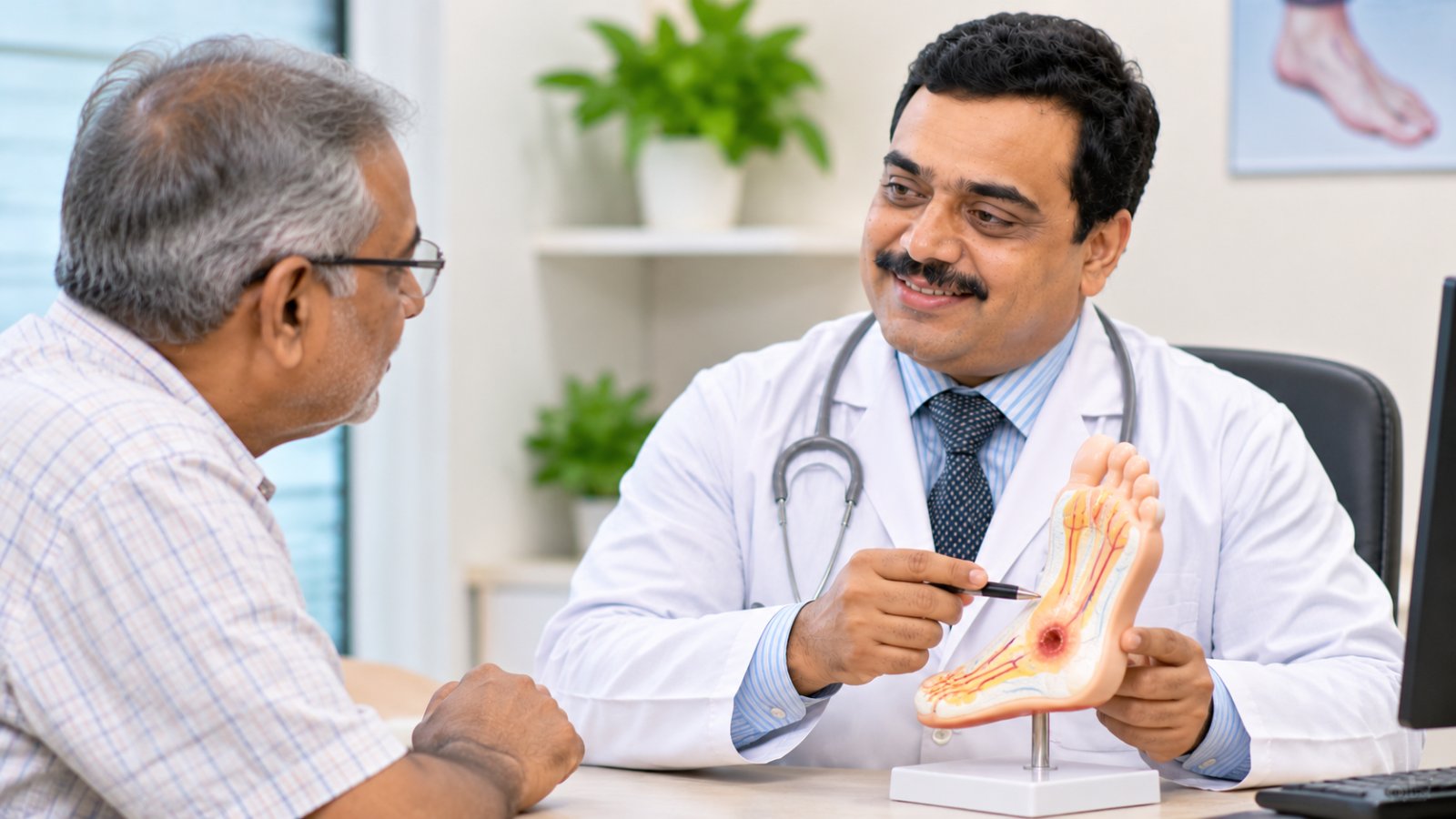
At Elegance Diabetic Foot & Ulcer Clinic, Surat, patients can seek specialist assessment for wounds that are not improving as expected.
How Long Does Non-Healing Wound Care Take to Heal in Surat?
Patients asking how long does non-healing wound care take to heal in surat should understand that healing depends on the wound's cause and severity rather than a fixed number of days.
A small wound with adequate blood circulation may improve within weeks. Deep wounds, infected ulcers and wounds associated with poor circulation may take several months or longer.
Estimated wound healing timeline
| Wound type | General healing expectations |
|---|---|
| Small superficial wound | May heal within a few weeks |
| Diabetic foot ulcer | Often takes several weeks to months |
| Venous leg ulcer | May require weeks to months of treatment |
| Pressure ulcer | Depends on depth and effective pressure relief |
| Infected wound | Healing depends on infection control |
| Wound with poor circulation | May remain open until blood flow is addressed |
| Deep wound involving bone | May require prolonged treatment or surgery |
These timelines are general estimates, not guarantees. Some chronic wounds remain open for much longer, especially when their underlying cause is not corrected.
Why Do Some Wounds Take Longer to Heal?
Several factors can interfere with normal tissue repair.
1. Uncontrolled diabetes
High blood sugar can impair immune function, increase infection risk and interfere with wound healing.
2. Poor blood circulation
Reduced blood flow limits oxygen and nutrient delivery to damaged tissues.
3. Wound infection
Infection can damage healthy tissue and prevent normal wound healing.
4. Repeated pressure
Continuous pressure on an ulcer, especially on the sole or heel, can repeatedly damage healing tissue.
5. Dead or unhealthy tissue
Non-viable tissue may prevent healthy wound healing and require medical assessment.
6. Other medical conditions
Poor nutrition, swelling, certain medications and other illnesses can also delay recovery.
Identifying these factors is an important part of effective wound management.
How Is a Non-Healing Wound Examined?
A specialist first determines why the wound is not healing.
The assessment may include:
-
Measuring the wound's length, width and depth.
-
Checking surrounding skin and tissue.
-
Evaluating signs of infection.
-
Assessing blood circulation.
-
Testing foot sensation when diabetes is present.
-
Reviewing blood sugar control and medical history.
-
Recommending imaging or laboratory tests when necessary.
Patients with suspected deeper infections or poor circulation may require additional specialist assessment.
Explore wound care and debridement for information about wound management.
What Treatments Help Non-Healing Wounds Heal?
Treatment depends on the cause, location and severity of the wound.
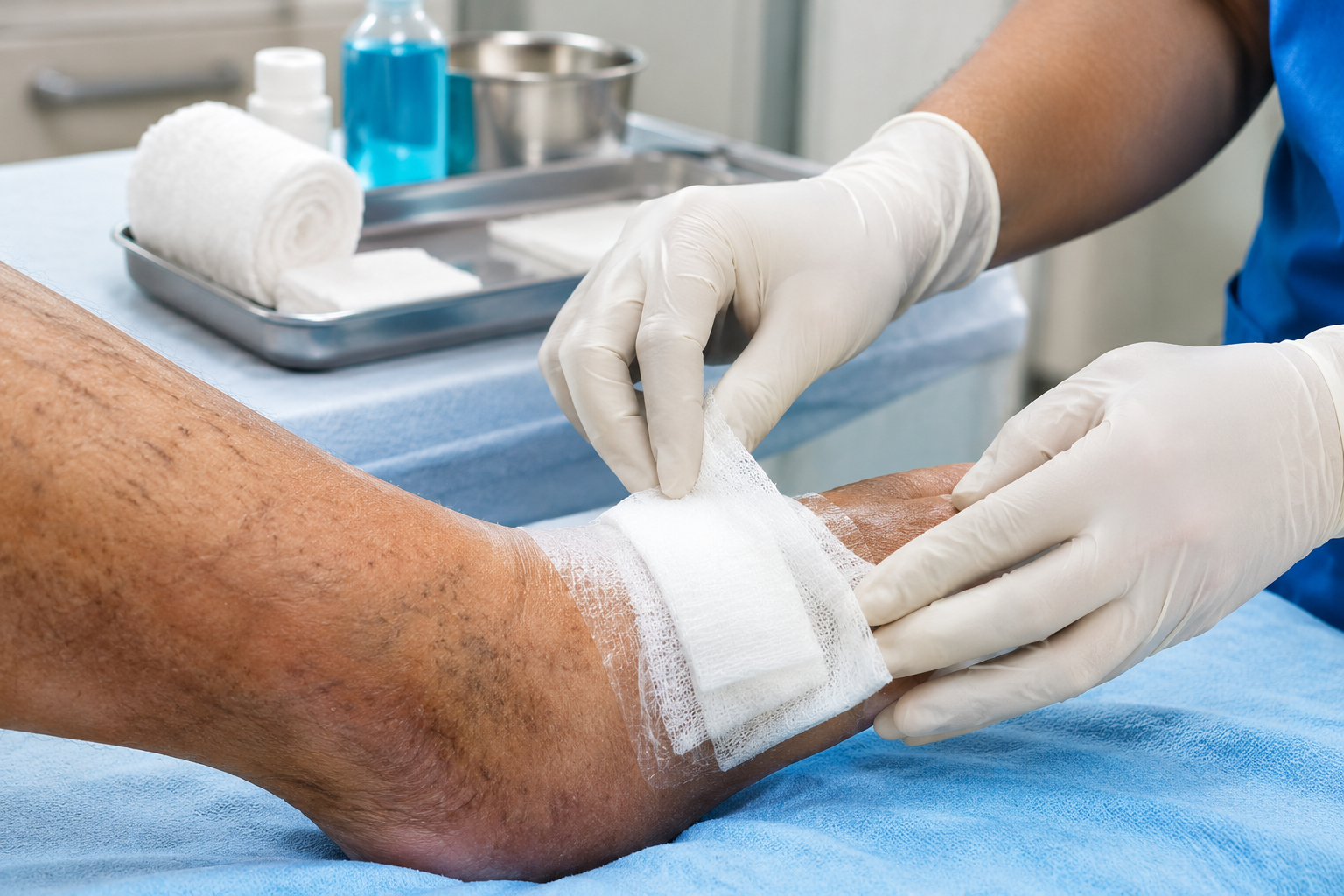
Wound cleaning and dressing
Appropriate dressings help protect the wound, manage moisture and support tissue healing.
Dressing choice depends on wound depth, discharge and surrounding skin condition.
Debridement
Debridement involves removing dead or unhealthy tissue when clinically appropriate.
Patients with poor circulation require careful evaluation before certain debridement procedures.
Infection management
Clinically infected wounds may require antibiotics, drainage or surgery.
Antibiotics are not routinely recommended for wounds without signs of infection.
Pressure relief
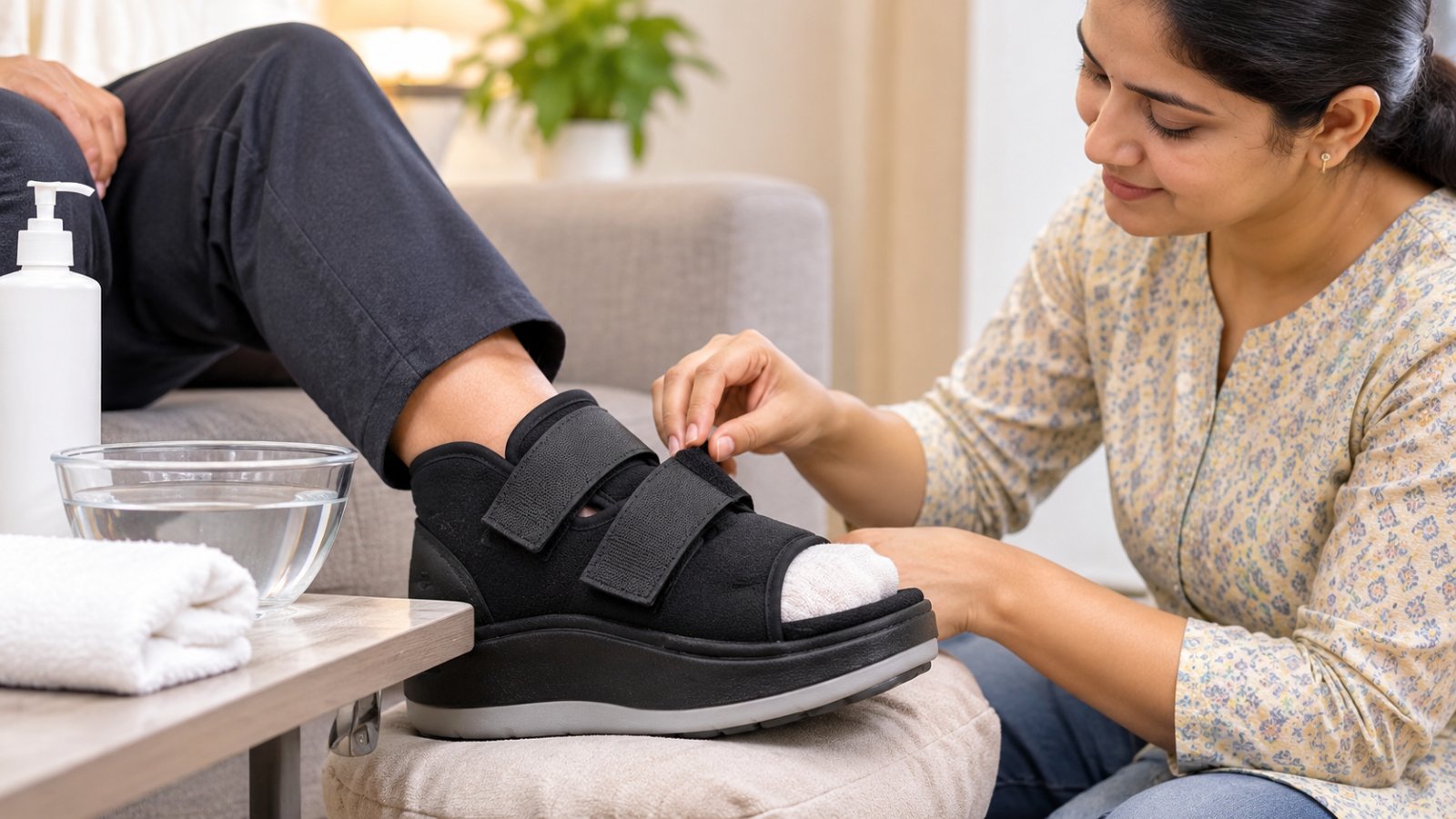
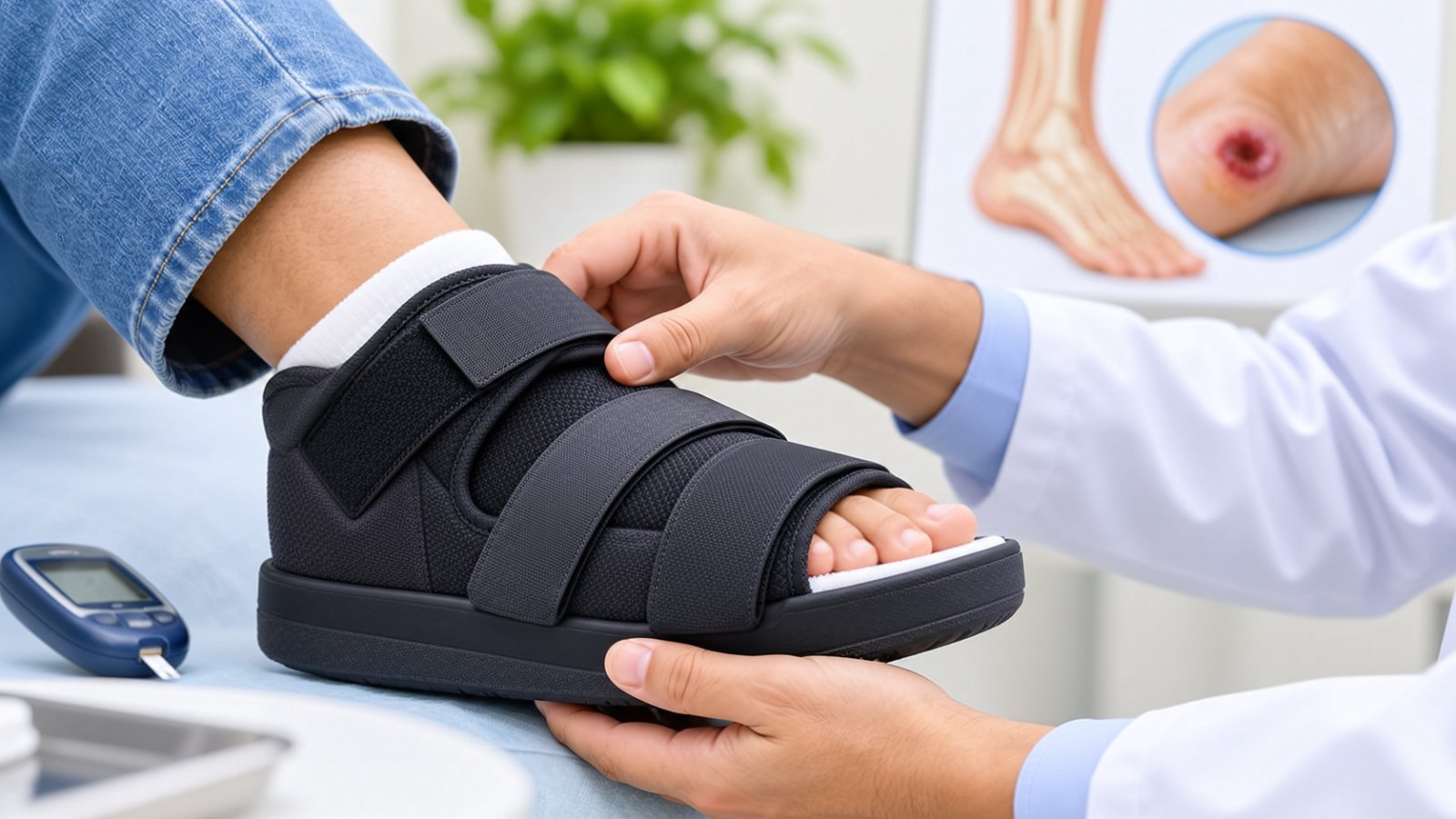
Diabetic foot ulcers and pressure injuries may require specialised footwear, casts, boots or positioning strategies.
Explore ulcer offloading footwear.
Blood circulation management
Patients with poor blood flow may need vascular assessment and treatment to restore circulation.
Advanced wound management
Selected patients may benefit from specialised wound therapies or reconstructive procedures after standard wound care and underlying causes have been addressed.
Explore non-surgical wound management.
How Can You Tell Whether a Wound Is Healing?
A healing wound generally shows gradual improvement.
Positive signs may include:
-
Reduction in wound size
-
Healthy new tissue formation
-
Less wound discharge
-
Reduced surrounding swelling
-
Improved skin condition
-
Development of new skin over the wound
However, the absence of pain does not necessarily indicate healing, especially in patients with diabetic neuropathy.
Doctors may measure and document the wound during follow-up visits to evaluate progress.
When Should You Worry About a Non-Healing Wound?
A wound should be assessed promptly if it is not improving, repeatedly reopens or becomes deeper.
Seek urgent medical attention if you notice:
-
Rapidly spreading redness
-
Fever or chills
-
Increasing swelling
-
Black or dead-looking tissue
-
Foul-smelling discharge
-
Severe or worsening pain
-
Sudden changes in foot colour or temperature
These symptoms may indicate serious infection or impaired blood circulation.
People with diabetes should seek medical assessment promptly for any new foot wound rather than waiting several weeks.
Can a Non-Healing Wound Heal Without Surgery?
Yes. Many non-healing wounds improve with appropriate non-surgical treatment.
Treatment may include regular dressings, infection control when needed, pressure relief, diabetes management and treatment of circulation or swelling problems.
However, surgery may be necessary for deep infections, extensive dead tissue, certain circulation problems or wounds requiring reconstruction.
The treatment decision should follow a complete wound assessment.
How Does Dr. Ashutosh Shah Help Manage Non-Healing Wounds?
Dr. Ashutosh Shah (M.S., M.Ch., D.N.B.) is a plastic and reconstructive surgeon associated with Elegance Diabetic Foot & Ulcer Clinic, Surat.
His surgical expertise is relevant to the assessment and management of complex wounds, including diabetic foot ulcers and wounds that may require debridement or reconstructive procedures.
Patients seeking specialist wound care can discuss their wound history, previous treatment, possible healing barriers, and suitable management options during consultation.
The recommended treatment depends on the clinical findings and may involve coordination with other medical specialists.
How Can You Support Faster Wound Healing?
Patients can support wound recovery by following the prescribed treatment plan.
Practical wound-care checklist
- Attend scheduled wound assessments.
-
Follow dressing instructions.
-
Keep blood sugar within the target range advised by your doctor.
-
Use prescribed offloading footwear or devices.
-
Avoid putting unnecessary pressure on the wound.
-
Maintain adequate nutrition and hydration.
-
Avoid smoking and tobacco use.
-
Do not apply unprescribed chemicals or home remedies.
-
Report new infection symptoms promptly.
These measures support healing but cannot guarantee a particular recovery time.
Where Can You Get Non-Healing Wound Care in Surat?
Patients searching how long does non-healing wound care take to heal in surat can contact Elegance Diabetic Foot & Ulcer Clinic for a wound assessment.
A specialist evaluation helps identify whether delayed healing is related to diabetes, infection, circulation, repeated pressure or another medical condition.
Patients can discuss treatment options, expected recovery, follow-up visits and individual cost considerations.
Visit the Surat clinic information page for centre details.
Conclusion
Understanding how long does non-healing wound care take to heal in surat requires an assessment of the wound's cause, severity and overall health factors.
With appropriate treatment, regular monitoring and management of underlying conditions, many wounds can improve over time.
Elegance Diabetic Foot & Ulcer Clinic, Surat, provides a point of contact for patients seeking specialist wound evaluation and treatment guidance.
Book a consultation: Elegance Diabetic Foot & Ulcer Clinic
quiz Frequently Asked Questions
This article is general education, not a diagnosis. If you have a diabetic foot wound, please have it assessed in person. Send a photo on WhatsApp or book a consultation.
About the Author
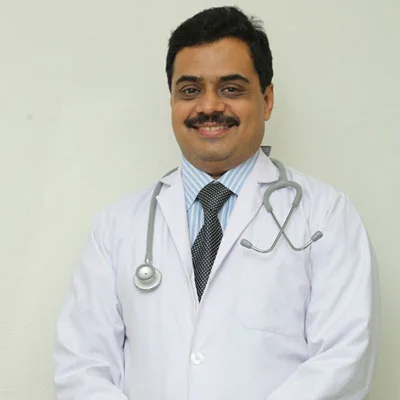
Dr. Ashutosh Shah, Plastic, Reconstructive & Diabetic Foot Surgeon, Elegance Diabetic Foot & Ulcer Clinic, Surat
Dr. Ashutosh Shah is a board certified plastic and reconstructive surgeon with over 22 years of experience and more than 10,000 limbs and feet saved. He founded Elegance Diabetic Foot & Ulcer Clinic, India's first chain of clinics dedicated to foot care, with centres in Surat and OPD partners across South Gujarat. He is known for a limb first approach, safe wound care and ethical, natural results.