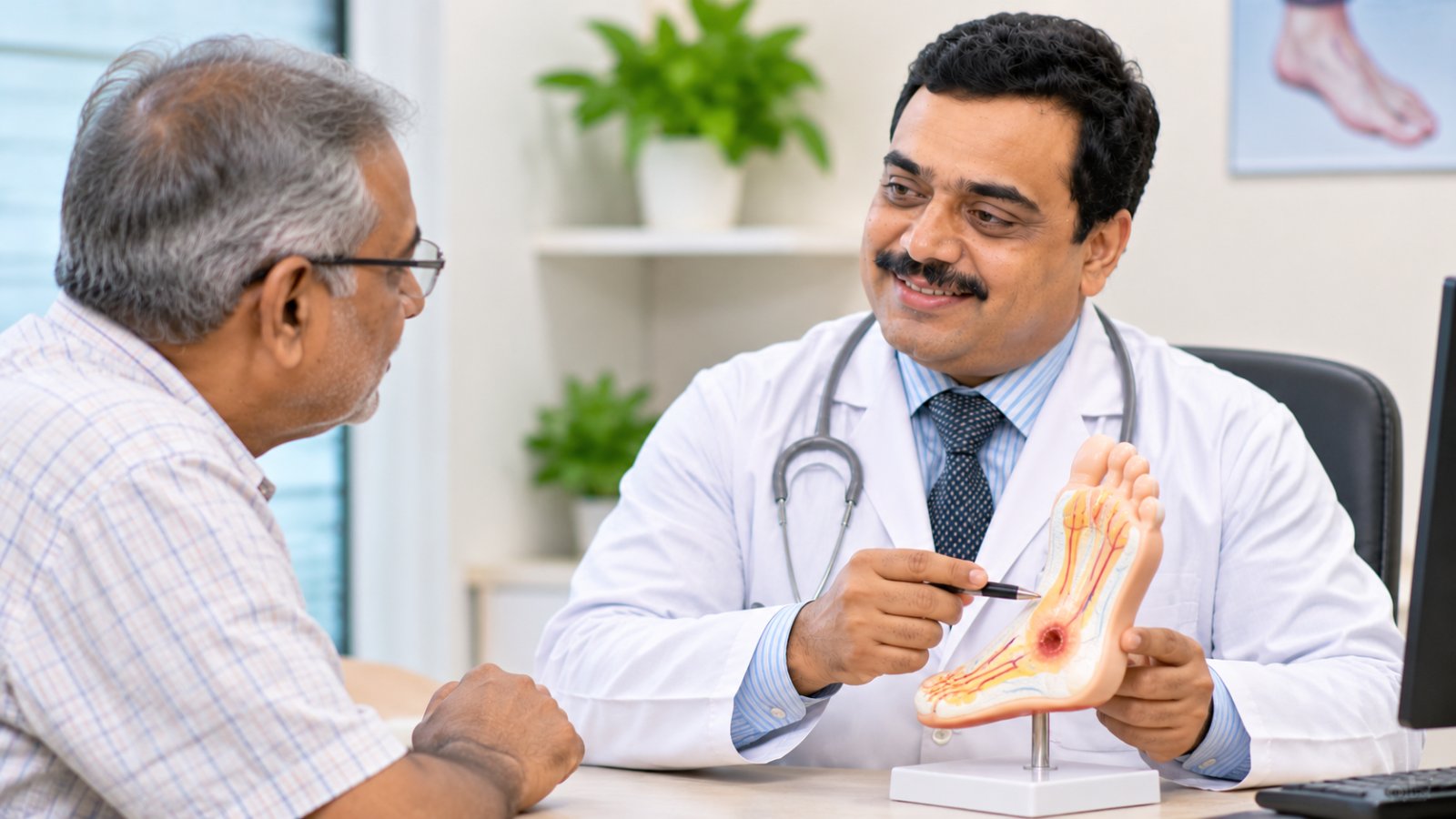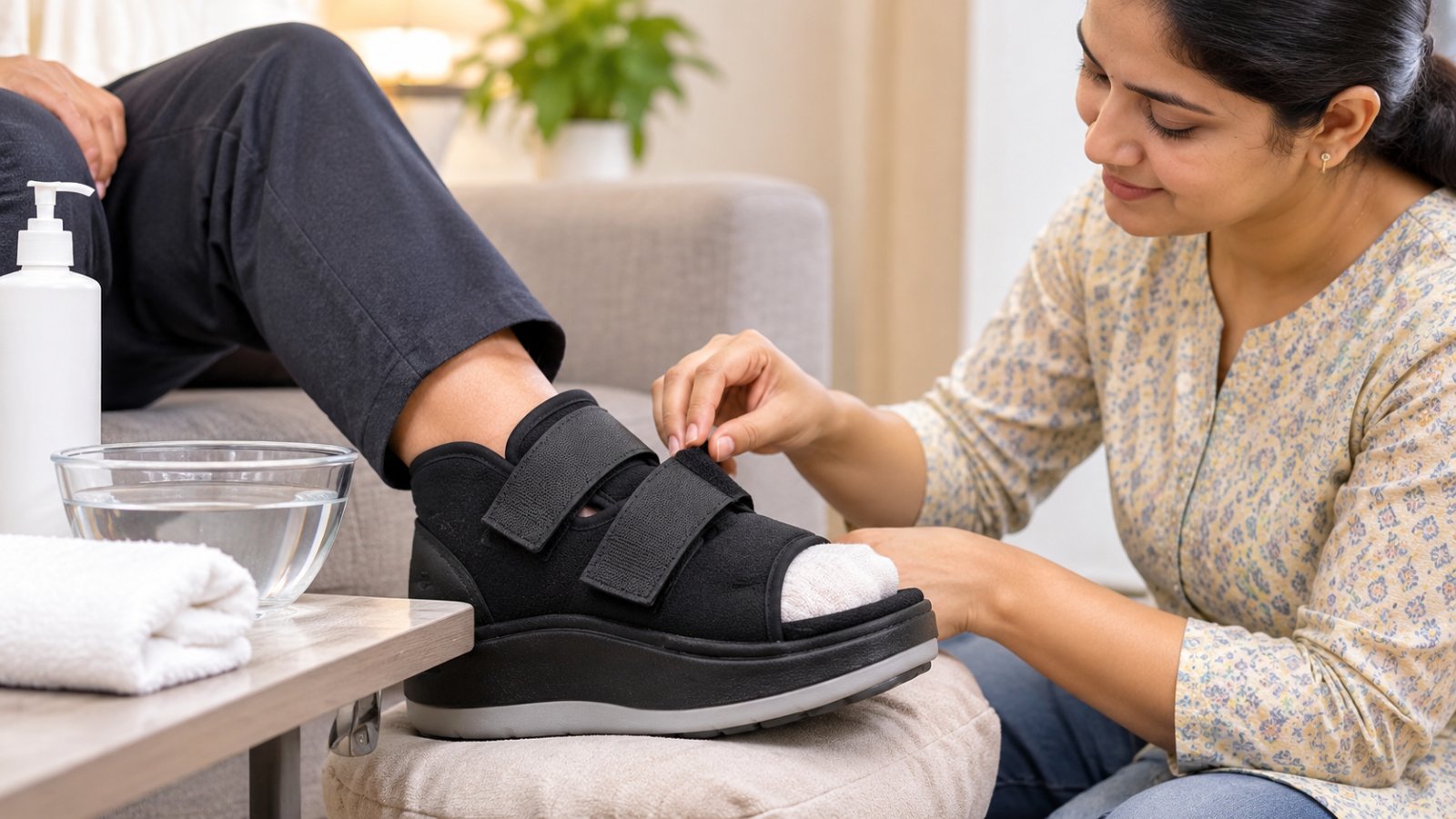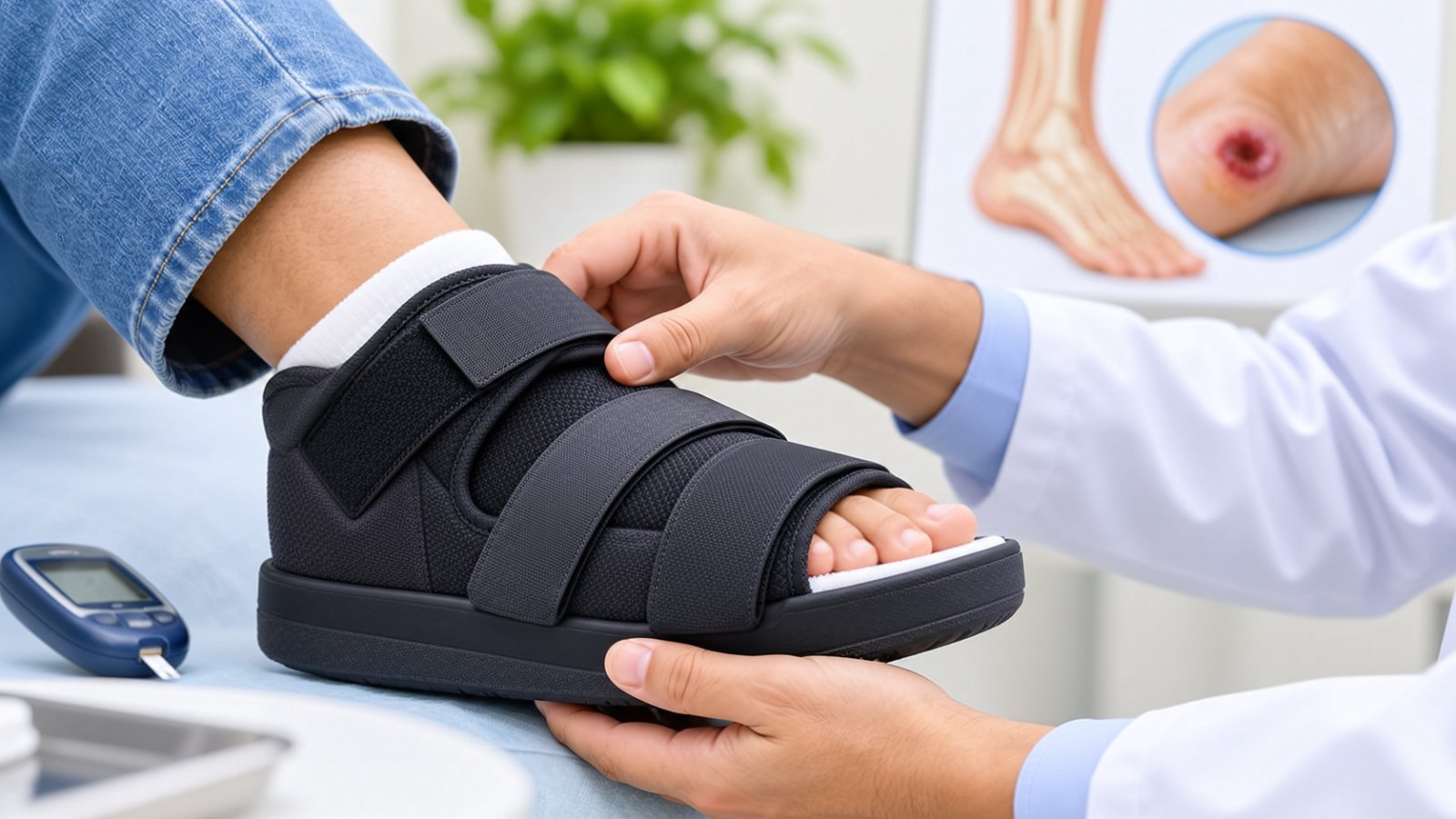
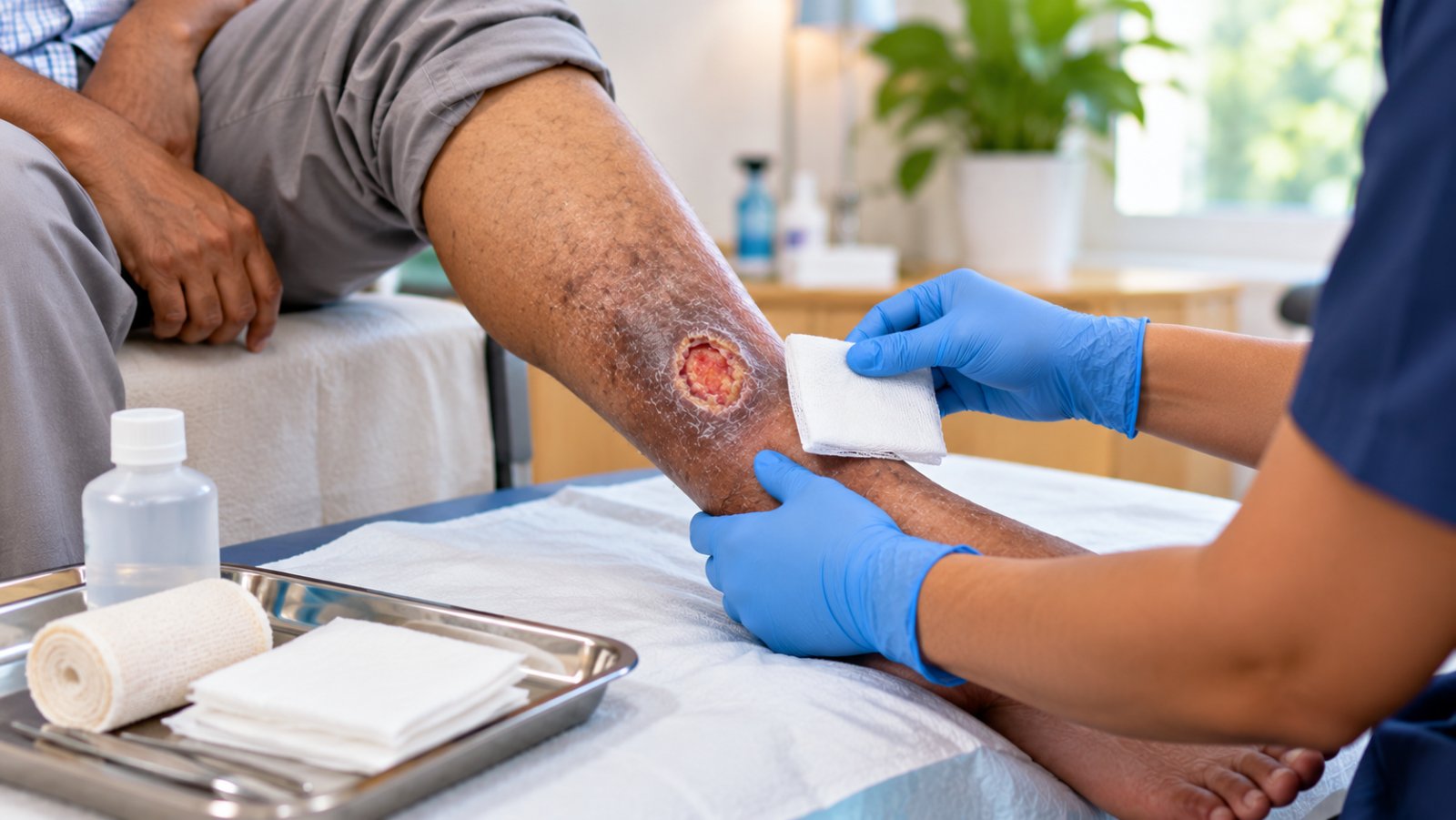
Diabetic leg ulcer treatment in Jamnagar begins with identifying why a wound has developed on the lower leg and why it is not healing. Diabetes, poor circulation, venous disease, infection and swelling can contribute to leg ulcers. Treatment may include wound dressings, circulation assessment, compression therapy when safe, infection management and surgical care in selected cases.
What Is a Diabetic Leg Ulcer?
A diabetic leg ulcer is an open wound on the lower leg of a person with diabetes.
However, not every leg ulcer in someone with diabetes is caused directly by diabetes.
Leg ulcers can develop because of:
-
Venous circulation problems
-
Peripheral artery disease
-
Nerve damage
-
Repeated injury
-
Prolonged swelling
-
Pressure-related tissue damage
-
Infection
-
Other skin or vascular conditions
Leg ulcers may appear around the ankle, shin or lower calf.
They can remain open for weeks or months when the underlying cause is not adequately treated.
A wound that does not heal requires assessment rather than repeated dressing changes alone.
What Causes Leg Ulcers in People With Diabetes?
Several medical conditions can contribute to leg ulcer development.
1. Poor Blood Circulation
Peripheral artery disease reduces blood supply to the lower limbs.
When tissues receive insufficient oxygen and nutrients, wounds may heal slowly.
Severe arterial disease can lead to tissue damage or gangrene.
Patients with suspected circulation problems may require vascular assessment and treatment.
2. Venous Insufficiency
Venous insufficiency occurs when the veins struggle to return blood from the legs to the heart.
This can cause:
-
Persistent leg swelling
-
Skin discolouration
-
Itching
-
Thickened skin
-
Ulcers around the lower leg or ankle
Venous ulcers often develop near the inner ankle.
3. Diabetes-Related Nerve Damage
Diabetic neuropathy reduces sensation and may prevent patients from noticing minor injuries.
Although neuropathic ulcers more commonly affect the foot, reduced sensation can contribute to injuries elsewhere.
4. Persistent Leg Swelling
Swelling can stretch the skin and interfere with tissue health.
Chronic oedema may contribute to skin breakdown.
5. Skin Injuries
Scratches, insect bites, burns or minor trauma can become difficult to heal when circulation is impaired.
6. Infection
An existing wound can become infected and develop additional tissue damage.
However, infection is not the cause of every chronic leg ulcer.
Venous vs Arterial vs Neuropathic Leg Ulcers
Identifying the ulcer type is essential because treatments differ.
| Feature | Venous leg ulcer | Arterial leg ulcer | Neuropathic ulcer |
|---|---|---|---|
| Common location | Lower leg, often near inner ankle | Toes, foot or lower leg | Pressure-bearing areas, usually foot |
| Main cause | Poor venous return | Reduced arterial blood supply | Loss of protective sensation and pressure |
| Typical surrounding skin | Swelling, pigmentation, eczema | Cool skin, reduced pulses | Callus or pressure changes |
| Pain | Variable | Often painful, but may be reduced by neuropathy | May be painless |
| Main treatment focus | Compression when safe, oedema control | Vascular assessment and blood flow | Pressure offloading |
Some patients have mixed arterial and venous disease.
This makes proper circulation assessment particularly important before selecting treatment.
What Are the Early Signs of a Leg Ulcer?
Early warning signs may include:
-
A small open wound
-
Persistent skin redness
-
Brown or dark skin discolouration
-
Leg swelling
-
Fluid leakage
-
Itching or skin irritation
-
Skin thickening
-
Cracking or breakdown
-
Increasing wound size
-
Delayed healing
An ulcer may also develop yellowish tissue, discharge or an unpleasant smell.
Not every change indicates infection, but worsening symptoms should be assessed.
People with diabetes may experience reduced pain sensation.
A painless leg wound can still have serious circulation problems or tissue damage.
When Should You Seek Diabetic Leg Ulcer Treatment in Jamnagar?
Patients should seek medical assessment when a leg wound remains open, becomes larger or develops signs of infection.
Early diabetic leg ulcer treatment in Jamnagar can help identify venous disease, arterial problems and other factors that delay healing.
Seek urgent care if the wound develops:
-
Rapidly spreading redness
-
Increasing swelling
-
Pus or worsening discharge
-
Fever
-
Black or discoloured tissue
-
Severe pain
-
Sudden coldness or paleness of the limb
-
Rapid wound deterioration
Fever with a severe infection, suspected wet gangrene, sepsis or sudden loss of circulation requires immediate hospital assessment.
Patients with emergency symptoms should seek treatment at the nearest appropriate hospital rather than delaying care to arrange a routine specialist consultation.
How Do Doctors Diagnose a Diabetic Leg Ulcer?
A complete assessment focuses on the wound and its underlying cause.
Step 1: Medical History
The doctor reviews:
-
Diabetes history
-
Duration of the wound
-
Previous ulcers
-
Current medications
-
Leg swelling
-
History of vascular disease
-
Previous treatments
-
Other medical conditions
Step 2: Wound Examination
The clinician examines wound size, depth, location, drainage and surrounding skin.
Step 3: Blood Circulation Assessment
The doctor checks foot pulses and may recommend vascular investigations.
Tests may include:
-
Doppler ultrasound
-
Ankle-brachial index
-
Toe pressure measurements
-
Other vascular imaging when indicated
In patients with diabetes, ankle-brachial index results may be unreliable because of arterial calcification.
Additional testing may therefore be necessary.
Step 4: Venous Assessment
Venous duplex ultrasound may be recommended when venous insufficiency is suspected.
Step 5: Infection Assessment
Clinically infected wounds may require blood tests, appropriate tissue cultures or imaging.
Step 6: Additional Investigations
Atypical or persistently non-healing ulcers may require further investigation, including biopsy when clinically appropriate.
What Are the Treatment Options for Diabetic Leg Ulcers?
Treatment depends on the type of ulcer and the patient's circulation.
1. Wound Cleaning
Appropriate cleaning removes surface contamination and prepares the wound for dressing.
Patients should avoid applying harsh chemicals or unprescribed products to open wounds.
2. Wound Dressings
Dressings protect the wound and help manage moisture.
Options may include foam, alginate, hydrofibre or other suitable dressings.
The choice depends on wound depth, drainage and surrounding skin condition.
Patients can explore non-surgical wound management for related information.
3. Compression Therapy
Compression is an important treatment for many venous leg ulcers.
However, compression must be selected according to arterial circulation and the patient's clinical condition.
4. Infection Management
Clinically infected ulcers may require antibiotics, drainage or other treatment.
Antibiotics are not routinely recommended for ulcers without clinical infection.
Read more about diabetic foot infection management.
5. Vascular Treatment
Patients with significant arterial disease may require procedures to improve blood flow.
6. Swelling Management
Depending on the diagnosis, treatment may include leg elevation, appropriate compression and management of underlying medical conditions.
7. Surgical Treatment
Some ulcers require debridement, drainage, vascular procedures or reconstruction.
Not every leg ulcer requires surgery.
When Is Compression Therapy Safe for Leg Ulcers?
Compression therapy applies controlled pressure to the lower leg.
It helps improve venous return and reduce swelling in suitable patients.
Benefits of Compression for Venous Ulcers
Compression may:
-
Reduce leg swelling
-
Improve venous blood return
-
Support ulcer healing
-
Reduce recurrence risk
Why Circulation Testing Matters
Compression can be harmful when arterial blood supply is severely reduced.
Before prescribing compression, doctors assess circulation using appropriate clinical examination and vascular tests.
Patients with mixed arterial and venous disease may require modified compression under specialist supervision.
Can Patients Use Compression Stockings Without Medical Advice?
Patients with an active leg ulcer, diabetes or suspected circulation problems should not begin strong compression without professional assessment.
The correct pressure and device depend on the patient's condition.
How Are Infected Diabetic Leg Ulcers Treated?
An infected leg ulcer requires clinical evaluation.
Possible signs include:
-
Increasing redness
-
Warmth
-
Swelling
-
New or worsening pain
-
Purulent discharge
-
Rapid deterioration
-
Fever or systemic illness
Mild Infection
Treatment may include appropriate antibiotics and wound care.
Moderate Infection
More extensive infection may require additional investigations, drainage or surgical assessment.
Severe Infection
Severe infection can cause systemic illness and may require hospital treatment.
Intravenous antibiotics, urgent surgery and close monitoring may be necessary.
Can an Infected Leg Ulcer Heal Without Surgery?
Yes. Many infected ulcers can be treated without surgery.
However, deep abscesses, extensive dead tissue or severe infection may require procedural treatment.
When Does a Diabetic Leg Ulcer Require Surgery?
Surgery may be considered when conservative treatment is insufficient or complications develop.
Possible reasons include:
-
Deep abscess
-
Extensive non-viable tissue
-
Severe infection
-
Significant arterial disease
-
Complex tissue loss
-
Selected wounds requiring reconstruction
Procedures may include debridement, drainage, vascular intervention or skin grafting.
Patients can review diabetic foot surgery services for related information.
For limb-threatening complications, limb salvage treatment may be considered when appropriate.
Treatment decisions depend on wound severity, circulation and overall health.
How Long Does a Diabetic Leg Ulcer Take to Heal?
Healing time varies according to the underlying cause.
Some uncomplicated ulcers may improve over several weeks.
Large ulcers, severe arterial disease, persistent swelling or infection may require prolonged treatment.
Factors affecting healing include:
-
Ulcer size and depth
-
Arterial blood circulation
-
Venous disease
-
Leg swelling
-
Infection status
-
Diabetes management
-
Nutrition
-
Treatment adherence
A wound that fails to improve meaningfully after approximately four weeks of appropriate care should be reassessed.
A worsening wound requires earlier medical review.
Can Diabetic Leg Ulcers Heal Without Surgery?
Yes. Many leg ulcers can heal with appropriate non-surgical care.
Treatment may include:
-
Wound cleaning
-
Suitable dressings
-
Compression when safe and indicated
-
Swelling management
-
Infection treatment when necessary
-
Blood glucose management
-
Regular monitoring
However, severe arterial disease, deep infection or extensive tissue damage may require additional procedures.
The underlying diagnosis determines the treatment approach.
Diabetic Leg Ulcer Care at Elegance Diabetic Foot & Ulcer Clinic
At Elegance Diabetic Foot & Ulcer Clinic in Surat, Dr. Ashutosh Shah is associated with the assessment and management of diabetic foot ulcers, complex wounds and limb-preservation concerns.
Patients with lower-limb wounds may require evaluation of:
-
Wound depth
-
Infection
-
Arterial circulation
-
Venous disease
-
Leg swelling
-
Nerve damage
-
Previous treatment response
Depending on the findings, management may involve wound care, infection treatment, vascular evaluation or surgical assessment.
Patients considering specialist consultation should contact the clinic before travelling.
For more information, visit Elegance Diabetic Foot & Ulcer Clinic.
How Can Diabetic Leg Ulcers Be Prevented?
Prevention depends on the underlying risk factors.
Maintain Diabetes Management
Follow prescribed medications and monitoring recommendations.
Check the Legs and Feet Regularly
Look for swelling, skin changes, cracks and wounds.
Manage Leg Swelling
Patients with venous disease should follow medical advice about compression and elevation.
Avoid Skin Injuries
Protect the legs from scratches, burns and repeated friction.
Wear Appropriate Footwear
Properly fitting footwear helps reduce foot injuries.
Patients with diabetes-related foot risks may benefit from therapeutic footwear services.
Avoid Smoking
Smoking increases vascular risk and can interfere with wound healing.
Attend Regular Medical Reviews
Patients with previous ulcers, vascular disease or neuropathy may need closer monitoring.
Seek Early Care for New Wounds
Do not ignore a small wound because it is painless.
Conclusion
Early diabetic leg ulcer treatment in Jamnagar can help identify venous disease, arterial circulation problems, infection and other causes of delayed healing.
Effective care involves more than changing dressings. Circulation assessment, compression when safe, infection management and appropriate follow-up are important for wound recovery.
Patients with persistent or complicated leg ulcers can contact Elegance Diabetic Foot & Ulcer Clinic for specialist evaluation and an individualised treatment plan.
quiz Frequently Asked Questions
This article is general education, not a diagnosis. If you have a diabetic foot wound, please have it assessed in person. Send a photo on WhatsApp or book a consultation.
About the Author

Dr. Ashutosh Shah, Plastic, Reconstructive & Diabetic Foot Surgeon, Elegance Diabetic Foot & Ulcer Clinic, Surat
Dr. Ashutosh Shah is a board certified plastic and reconstructive surgeon with over 22 years of experience and more than 10,000 limbs and feet saved. He founded Elegance Diabetic Foot & Ulcer Clinic, India's first chain of clinics dedicated to foot care, with centres in Surat and OPD partners across South Gujarat. He is known for a limb first approach, safe wound care and ethical, natural results.