Diabetic foot ulcer treatment in Katargam surat involves medical wound assessment, infection management, pressure relief, suitable dressings and blood circulation evaluation. Healing may take several weeks or months, depending on ulcer severity and overall health. Patients from Katargam can seek specialist assessment at Elegance Diabetic Foot & Ulcer Clinic in Surat.
What Is a Diabetic Foot Ulcer?
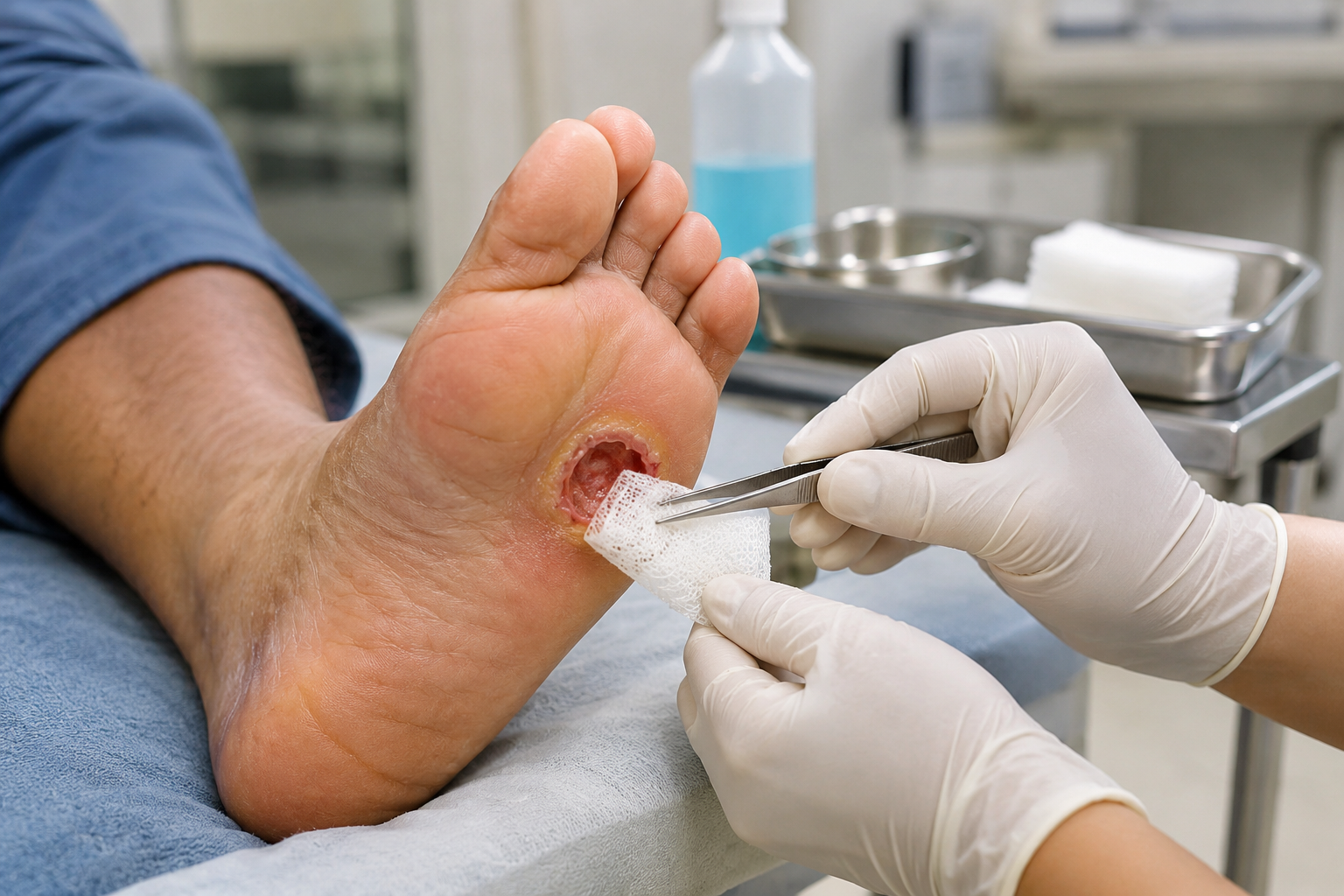
A diabetic foot ulcer is an open wound that develops on the foot of a person with diabetes. It commonly occurs on the toes, heel, sole or other areas exposed to repeated pressure.
Diabetes can damage nerves and reduce blood circulation, making it difficult to notice minor injuries and slowing wound healing.
Without appropriate treatment, a small ulcer can become deeper, infected or difficult to heal.
Common symptoms of diabetic foot ulcers
-
Open wounds that do not heal normally
-
Redness and swelling around the affected area
-
Fluid or pus from the wound
-
Reduced sensation or numbness
-
Black or discoloured skin
-
Unpleasant wound odour
-
Pain or difficulty walking
Some diabetic foot ulcers cause very little pain because of nerve damage.
For additional information, explore diabetic foot wound care.
When Should You Seek Diabetic Foot Ulcer Treatment in Katargam Surat?
Patients should seek diabetic foot ulcer treatment in Katargam surat as soon as an open foot wound develops.
Early assessment helps identify infection, circulation problems and pressure-related damage before complications progress.
You should contact a healthcare professional promptly if you notice an ulcer, even when it is painless.
Seek emergency medical attention for rapidly spreading redness, fever, blackening skin, severe swelling or sudden changes in foot colour or temperature.
Patients from Katargam can contact Elegance Diabetic Foot & Ulcer Clinic to discuss assessment at its Surat centres.
What Causes Diabetic Foot Ulcers?
Several factors contribute to the development of diabetic foot ulcers.
1. Diabetic neuropathy
High blood sugar over time can damage nerves, reducing sensation in the feet. Patients may not notice cuts, blisters or pressure injuries.
Read more about diabetic neuropathy.
2. Poor blood circulation
Reduced blood flow limits the delivery of oxygen and nutrients required for wound healing.
3. Repeated foot pressure
Tight footwear, foot deformities and prolonged walking can place excessive pressure on vulnerable areas.
4. Uncontrolled blood sugar
Poor glucose control can interfere with wound healing and increase the risk of infection.
5. Previous foot ulcers
Patients with a history of diabetic foot ulcers are at increased risk of developing another wound.
How Is Diabetic Foot Ulcer Treatment Performed?
The procedure for diabetic foot ulcer treatment in Katargam surat depends on wound depth, infection, circulation and the patient's overall health.
Step 1: Foot and wound examination
The doctor evaluates the ulcer's size, depth, location and surrounding tissue.
The assessment may include checking foot sensation, circulation and signs of infection.
Step 2: Wound cleaning and dressing
The wound is cleaned using appropriate medical techniques.
Dressings are selected according to the wound condition, moisture level and amount of discharge.
Proper wound care helps protect the affected area and supports healing.
Explore Wound Care & Debridement.
Step 3: Removal of unhealthy tissue
Debridement may be performed when necessary to remove dead or damaged tissue.
However, the doctor must assess blood circulation and wound condition before deciding whether debridement is appropriate.
Step 4: Infection management
Infected ulcers may require antibiotics, drainage or additional medical procedures.
Antibiotics are not recommended for an uninfected ulcer simply to promote healing.
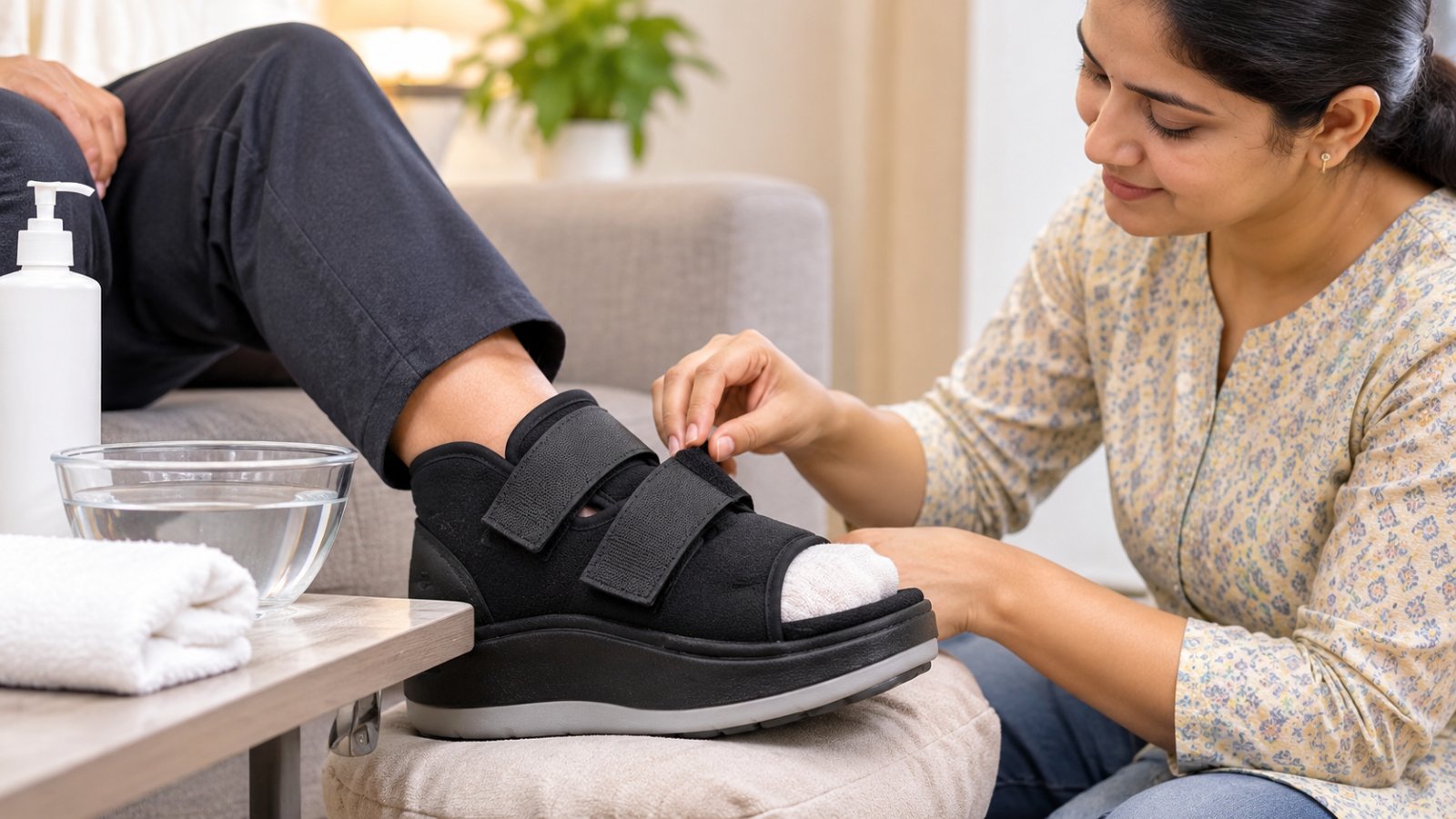
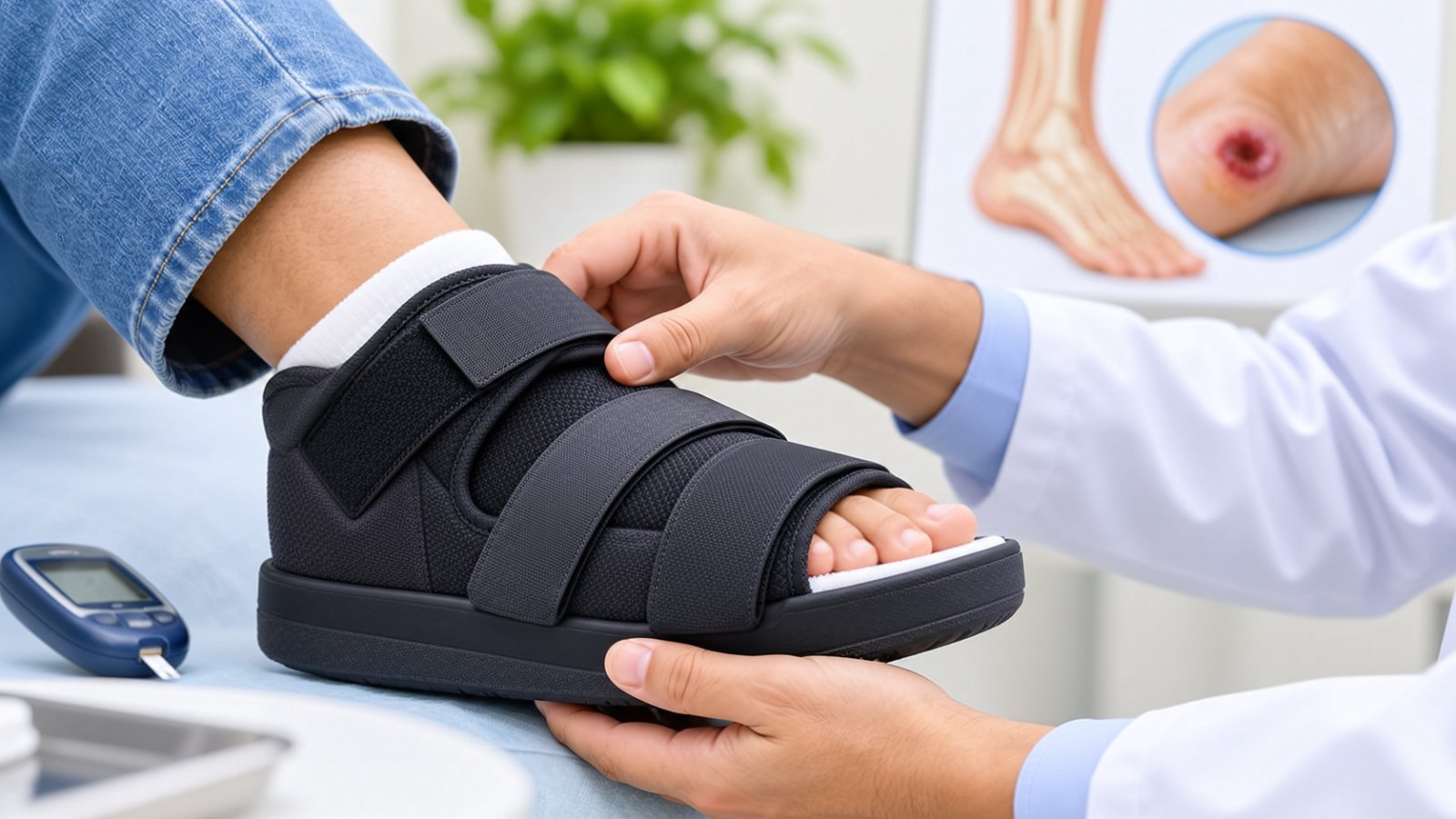
Step 5: Pressure relief and offloading
Reducing pressure on the ulcer is an important part of treatment.
Depending on the wound, the doctor may recommend:
-
Specialised footwear
-
Offloading boots
-
Appropriate casts
-
Reduced pressure on the affected foot
-
Activity modifications
Explore Ulcer Offloading Footwear.
Step 6: Regular follow-up
Follow-up visits help the medical team evaluate healing progress, identify complications and adjust treatment.
How Long Does a Diabetic Foot Ulcer Take to Heal?
Recovery depends on wound severity, circulation, infection, glucose management and adherence to pressure-relief recommendations.
| Ulcer condition | Expected recovery considerations |
|---|---|
| Small superficial ulcer | May heal within several weeks |
| Moderate or deeper ulcer | Often requires several weeks to months |
| Infected ulcer | Healing depends on infection control |
| Poor circulation | May require vascular treatment before healing progresses |
| Severe ulcer involving bone | May require prolonged treatment or surgery |
These are general expectations rather than guaranteed recovery periods.
If an ulcer does not improve as expected, the doctor may reassess infection, blood supply, offloading and other healing barriers.
What Is the Cost of Diabetic Foot Ulcer Treatment in Katargam Surat?
The cost of diabetic foot ulcer treatment in Katargam surat varies depending on the wound condition and the medical procedures required.
There is no single fixed cost for every patient.
Factors affecting treatment cost
| Treatment component | Cost consideration |
|---|---|
| Specialist consultation | Initial examination and treatment planning |
| Wound dressing | Dressing materials and number of visits |
| Debridement | Extent of tissue removal, if required |
| Diagnostic tests | Blood tests, imaging or circulation assessment |
| Infection treatment | Medicines, drainage or hospital care |
| Offloading devices | Footwear, casts or walking boots |
| Advanced procedures | Surgery or vascular intervention when necessary |
Patients should request an individual estimate after clinical assessment.
Can Diabetic Foot Ulcers Heal Without Surgery?
Yes. Many diabetic foot ulcers can heal with non-surgical treatment when the wound has adequate circulation and appropriate medical care.
Non-surgical treatment may involve:
-
Regular wound assessment and dressing
-
Effective pressure relief
-
Blood sugar management
-
Infection treatment when clinically indicated
-
Appropriate footwear
-
Regular monitoring
Surgery may be necessary when a patient develops a deep infection, extensive dead tissue or a serious circulation problem.
Read more about Non-Surgical Wound Management.
Why Choose Specialist Diabetic Foot Care?
Diabetic foot ulcers require more than routine wound dressing. Proper treatment involves wound assessment, infection management, pressure relief, circulation evaluation and regular follow-up.
Dr. Ashutosh Shah (M.B.B.S., M.S., M.Ch., D.N.B.), a plastic, reconstructive, and cosmetic surgeon associated with Elegance Diabetic Foot & Ulcer Clinic, Surat, provides specialist surgical expertise relevant to complex wounds, tissue management, and reconstructive procedures. Patients seeking diabetic foot ulcer treatment in Katargam surat can contact the clinic for an individual assessment and appropriate treatment planning.
Treatment decisions depend on the wound's severity, infection status, blood circulation and overall diabetic health.
Patients at increased risk may also benefit from a structured High-Risk Foot Program.
How Can You Prevent Diabetic Foot Ulcers?
Prevention is especially important for people with diabetes and reduced foot sensation.
Follow these precautions:
-
Inspect both feet every day.
-
Avoid walking barefoot.
-
Wear comfortable, properly fitted footwear.
-
Keep feet clean and dry.
-
Check shoes for foreign objects before wearing them.
-
Avoid removing corns or calluses yourself.
-
Follow your diabetes treatment plan.
-
Attend recommended foot examinations.
-
Seek medical assessment for new wounds or blisters.
Regular foot care can reduce the risk of future ulcers.
Diabetic Foot Ulcer Consultation for Patients from Katargam
Patients looking for diabetic foot ulcer treatment in Katargam surat can contact Elegance Diabetic Foot & Ulcer Clinic to arrange an assessment at its Surat centres.
A consultation can help determine the ulcer's severity, possible complications and appropriate treatment.
Patients should confirm the clinic location and appointment availability before travelling.
Visit the Surat Clinic page for centre information.
Conclusion
Timely diabetic foot ulcer treatment in Katargam surat can help prevent worsening wounds and serious complications.
Appropriate wound care, infection management, pressure relief and circulation assessment are important for recovery.
Patients from Katargam can contact Elegance Diabetic Foot & Ulcer Clinic, Surat, to discuss specialist evaluation and an individual treatment plan.
Book a consultation: Elegance Diabetic Foot & Ulcer Clinic
quiz Frequently Asked Questions
This article is general education, not a diagnosis. If you have a diabetic foot wound, please have it assessed in person. Send a photo on WhatsApp or book a consultation.
About the Author

Dr. Ashutosh Shah, Plastic, Reconstructive & Diabetic Foot Surgeon, Elegance Diabetic Foot & Ulcer Clinic, Surat
Dr. Ashutosh Shah is a board certified plastic and reconstructive surgeon with over 22 years of experience and more than 10,000 limbs and feet saved. He founded Elegance Diabetic Foot & Ulcer Clinic, India's first chain of clinics dedicated to foot care, with centres in Surat and OPD partners across South Gujarat. He is known for a limb first approach, safe wound care and ethical, natural results.