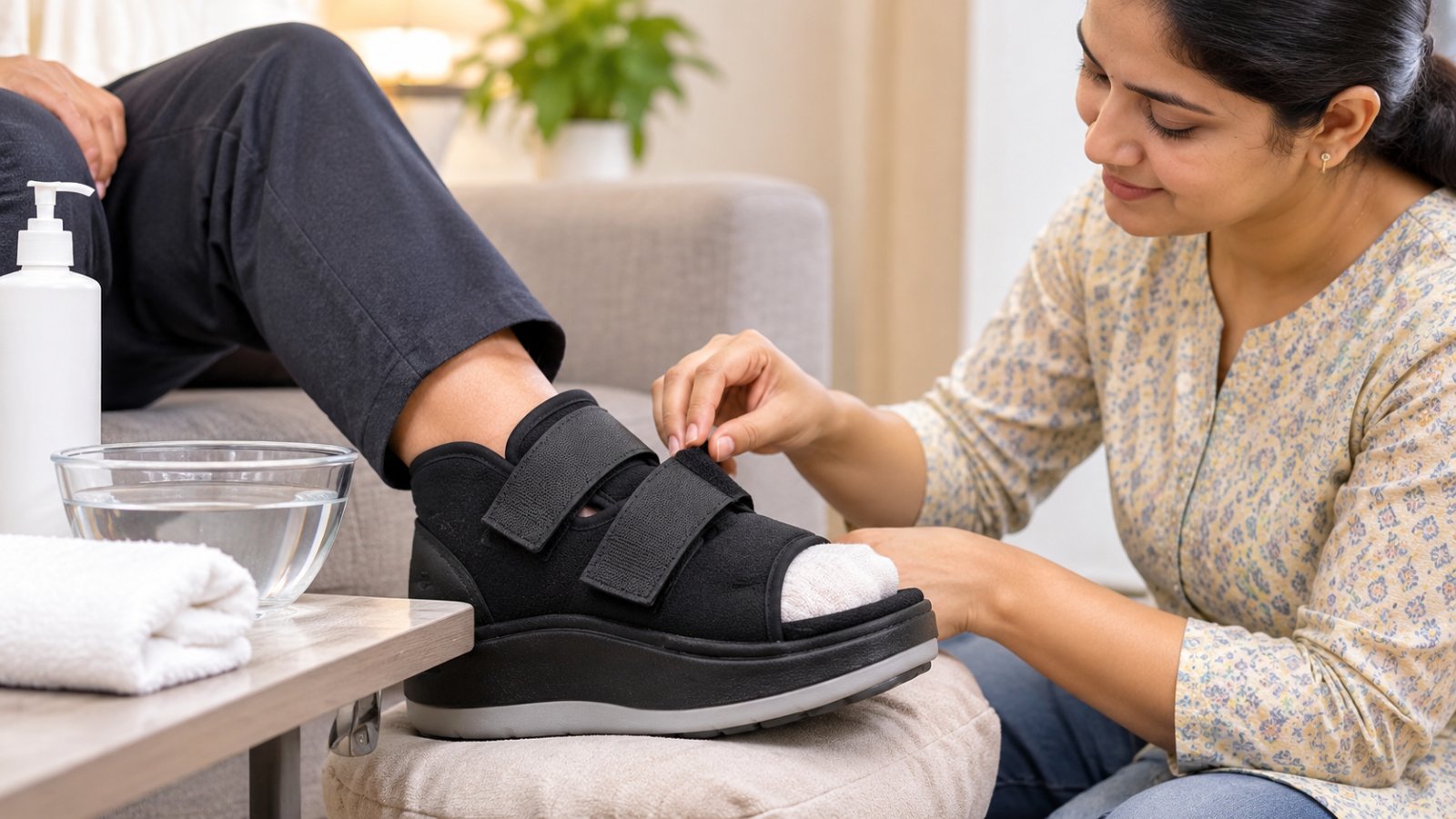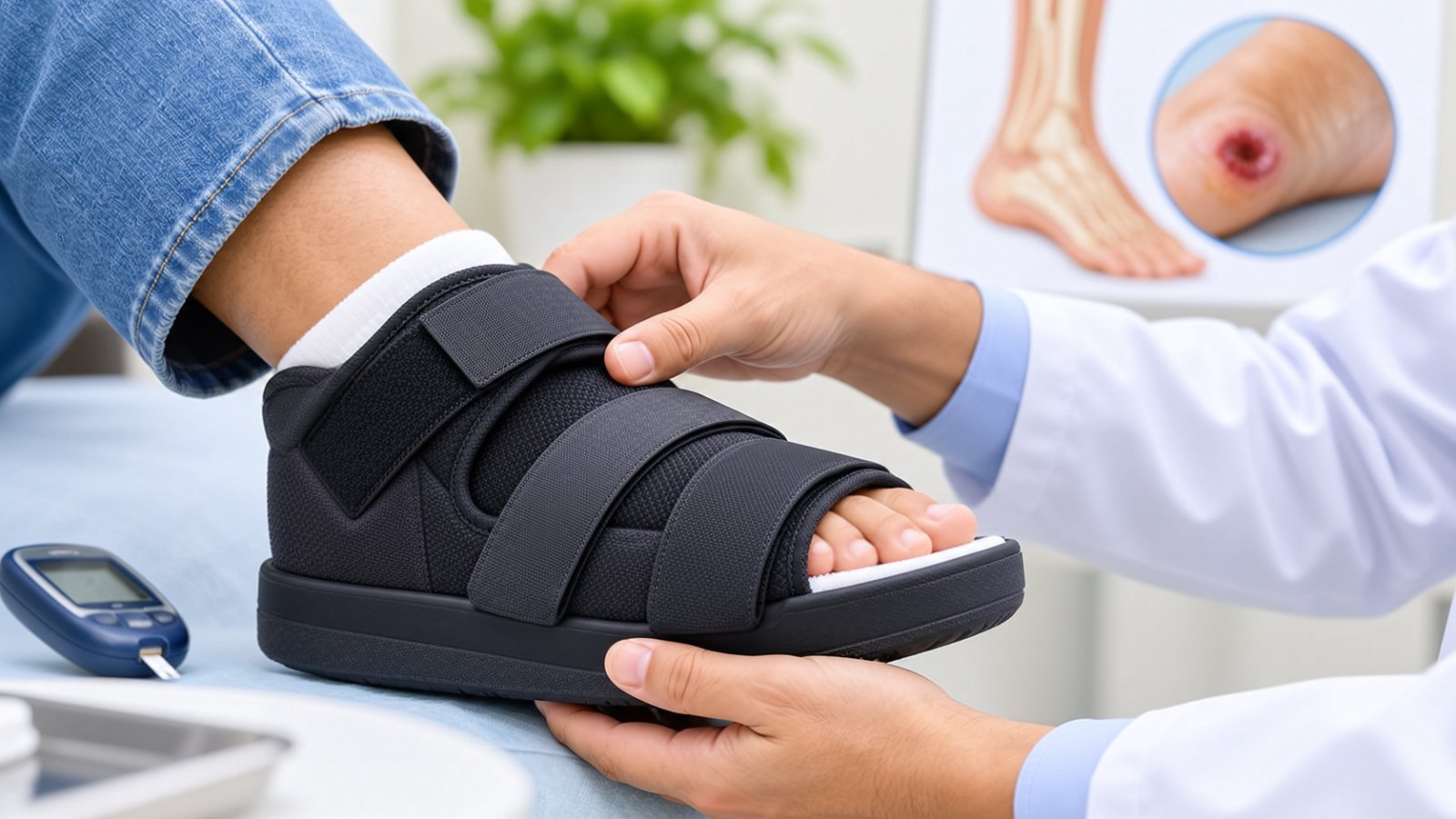

A diabetic foot specialist in bardoli can help assess foot ulcers, infections, numbness, swelling and wounds that are not healing properly. Early evaluation is important because diabetes can affect nerve sensation and blood circulation, increasing the risk of serious foot complications. Treatment may involve wound dressings, infection management, pressure offloading, circulation assessment or specialist referral.
Many people with diabetes overlook small cuts, blisters or changes in foot colour. However, reduced sensation can make injuries difficult to notice, while poor circulation can delay healing.
Knowing when to seek medical attention and what happens during a specialist consultation can help patients make informed treatment decisions.
What Does a Diabetic Foot Specialist Treat?
A diabetic foot specialist evaluates complications affecting the feet of people with diabetes.
These problems may develop gradually or appear after a minor injury.
Common conditions include:
-
Diabetic foot ulcers
-
Non-healing foot wounds
-
Diabetic neuropathy
-
Foot infections
-
Peripheral artery disease
-
Recurrent calluses and blisters
-
Foot deformities
-
Charcot foot
-
Deep tissue infections
-
Selected cases involving gangrene
The specialist's role is to identify the cause of the problem and recommend suitable treatment.
Some patients require only outpatient care, while others may need investigations, hospital treatment or surgery.
When Should You Consult a Diabetic Foot Specialist in Bardoli?
Patients should seek medical assessment promptly if they notice a wound, unusual swelling or a change in foot sensation.
A diabetic foot specialist in bardoli may be consulted for persistent ulcers, recurring wounds or concerns about infection and circulation.
Early Warning Signs
Important symptoms include:
-
A cut that is not healing
-
Persistent redness
-
Swelling around the foot
-
Burning or tingling sensations
-
Numbness
-
Fluid or pus from a wound
-
Skin cracking
-
Unusual warmth
-
Changes in skin colour
-
New foot deformity
Even a painless wound can be serious because diabetic neuropathy may reduce protective sensation.
When Is Immediate Hospital Care Necessary?
Seek urgent assessment at the nearest appropriate hospital if there is:
-
Rapidly spreading redness or swelling
-
Fever with a worsening foot wound
-
Black, wet or rapidly deteriorating tissue
-
Sudden severe foot pain
-
A suddenly cold, pale or blue foot
-
Confusion, severe weakness or other signs of serious infection
These symptoms may indicate severe infection, sepsis or a circulation emergency.
Do not delay emergency treatment to arrange an appointment in another city.
Why Are Diabetic Foot Problems More Common in People With Diabetes?
Diabetes can affect nerves, blood vessels and the body's response to infection.
Diabetic Neuropathy
Neuropathy can reduce the ability to feel pain, heat or pressure.
A person may develop a blister from tight footwear without noticing it.
Continued walking can make the injury worse.
Poor Blood Circulation
Peripheral artery disease can reduce the blood supply to the feet.
When tissues receive inadequate blood flow, wounds may heal slowly.
Repeated Pressure
Foot deformities and unsuitable footwear may create excessive pressure on certain areas.
Repeated pressure can cause calluses and ulcers.
Infection
Bacteria can enter through damaged skin.
Without appropriate treatment, an infection may spread into deeper tissues or bone.
Understanding these factors helps the doctor choose a suitable treatment plan.
Which Doctors Treat Diabetic Foot Problems?
Diabetic foot care often involves more than one medical specialty.
Diabetologist or Physician
A physician or diabetologist helps manage diabetes and related medical conditions.
Wound Care Specialist
A wound care clinician assesses ulcers, selects appropriate dressings and monitors healing.
Vascular Surgeon
A vascular surgeon evaluates and treats circulation problems when necessary.
Plastic and Reconstructive Surgeon
A plastic and reconstructive surgeon may help manage complex tissue loss, selected infections and wounds requiring reconstruction.
Orthopaedic Surgeon
An orthopaedic surgeon may be involved in selected cases involving bones, joints or significant foot deformities.
The appropriate specialist depends on the patient's condition.
For complicated diabetic foot wounds, a multidisciplinary approach may be beneficial.
What Happens During the First Diabetic Foot OPD Consultation?
An outpatient consultation usually begins with a detailed medical history and examination.
Step 1: Medical History
The doctor may ask about:
-
Duration of diabetes
-
Current medicines
-
Recent blood glucose results
-
Previous foot ulcers
-
Past hospital admissions
-
Smoking or tobacco use
-
Previous surgeries
-
Current wound symptoms
Step 2: Foot Examination
Both feet are checked for ulcers, calluses, cracks, swelling and deformities.
The clinician also examines the skin surrounding any wound.
Step 3: Nerve Sensation Assessment
A 10 g monofilament or another appropriate sensory test may be used to assess protective sensation.
Step 4: Blood Circulation Assessment
The doctor checks foot pulses and looks for signs of peripheral artery disease.
Additional vascular investigations may be recommended.
Step 5: Wound Assessment
If an ulcer is present, the doctor evaluates its size, depth, drainage and surrounding tissue.
Step 6: Treatment Planning
The clinician explains the findings and recommends appropriate treatment.
This may include dressings, offloading, investigations, medication or referral.
Patients can review the clinic's non-surgical diabetic foot management information to understand common treatment approaches.
Which Tests May Be Required for Diabetic Foot Problems?
Not every patient needs the same investigations.
The doctor selects tests according to the symptoms and examination findings.
| Test | Purpose |
|---|---|
| Blood glucose and HbA1c | Assess diabetes management |
| Monofilament test | Evaluate protective sensation |
| Foot pulse examination | Screen for circulation problems |
| Doppler ultrasound | Assess blood flow |
| Ankle-brachial index | Help evaluate peripheral artery disease |
| Toe pressure measurement | Provide additional circulation information |
| Foot X-ray | Examine bone changes and selected infections |
| MRI | Investigate suspected deep tissue or bone infection |
| Tissue culture | Guide antibiotics in selected infected wounds |
| Blood tests | Assess infection and overall medical condition |
Ankle-brachial index results may be unreliable in some patients with diabetes because arterial calcification can affect measurements.
Additional circulation tests may therefore be necessary.
What Treatment Options Are Available for Diabetic Foot Ulcers?
Treatment depends on the wound's depth, infection status, circulation and pressure exposure.
1. Wound Cleaning and Dressings
Appropriate cleaning helps remove contamination.
Dressings are selected according to wound characteristics and drainage.
Patients should avoid applying unprescribed chemicals or household remedies.
2. Pressure Offloading
Offloading reduces pressure on the injured area.
Depending on the wound, the clinician may recommend specialised footwear, a removable walking device or another suitable offloading method.
3. Debridement
Debridement involves removing dead or infected tissue when clinically appropriate.
The decision depends on wound condition and blood supply.
4. Infection Management
Clinically infected wounds may require antibiotics.
Deep infections may need imaging, hospital treatment or surgery.
Antibiotics are not routinely recommended for ulcers without clinical signs of infection.
5. Circulation Assessment and Treatment
If poor circulation is delaying healing, the patient may require vascular investigations and specialist treatment.
6. Blood Glucose Management
Managing diabetes supports general health and the body's healing processes.
Patients should continue prescribed treatment and follow medical advice.
For additional information, explore diabetic foot wound care services.
When Is Diabetic Foot Surgery Necessary?
Not every diabetic foot ulcer requires surgery.
However, surgical treatment may be necessary for:
-
Deep abscesses
-
Extensive infected tissue
-
Significant dead tissue
-
Certain bone infections
-
Gangrene
-
Complex tissue loss
-
Selected foot deformities
Possible procedures include drainage, debridement and other interventions based on clinical findings.
Some patients with poor blood supply also require vascular treatment.
Can Surgery Help Prevent Amputation?
In selected patients, timely treatment may help control infection and preserve viable tissue.
However, limb preservation cannot be guaranteed.
When infection is life-threatening or tissue damage is extensive, amputation may sometimes be necessary.
Early medical evaluation is important because treatment options may become more limited as complications progress.
Patients can explore information about diabetic foot ulcer treatment to understand why timely care matters.
How to Choose the Right Diabetic Foot Specialist
Choosing a specialist involves more than finding the nearest clinic.
Consider the following factors.
Experience With Diabetic Foot Conditions
Ask whether the clinician regularly evaluates diabetic ulcers, infections and neuropathy.
Access to Investigations
Appropriate testing may be needed to assess circulation, infection and bone involvement.
Wound Care Planning
A suitable treatment plan should address dressings, pressure reduction and follow-up.
Multidisciplinary Referral
Complex wounds may require input from vascular, surgical or diabetes specialists.
Follow-Up Support
Patients should understand how frequently they need reviews and what symptoms require urgent reassessment.
Clear Communication
The healthcare team should explain treatment options, possible complications and expected recovery requirements.
When Should Patients From Bardoli Consider Visiting Surat?
Patients with stable but complicated diabetic foot problems may consider an additional specialist opinion.
Reasons may include:
-
An ulcer that is not improving
-
Recurrent diabetic foot wounds
-
Complex tissue loss
-
Suspected circulation problems
-
Deep or difficult-to-manage wounds
-
Questions about reconstructive surgery
-
Concerns about limb preservation
Before travelling, patients should confirm appointment availability and discuss whether their condition is suitable for planned outpatient assessment.
When Should Travel Be Avoided?
Patients with rapidly spreading infection, suspected wet gangrene, sudden loss of circulation or signs of serious systemic illness should seek immediate local hospital care.
Emergency treatment should not be delayed for a planned specialist appointment.
Once medically stable, transfer or referral may be considered when additional care is required.
Specialist Diabetic Foot Care at Elegance Diabetic Foot & Ulcer Clinic
At Elegance Diabetic Foot & Ulcer Clinic in Surat, Dr. Ashutosh Shah, MBBS, MS, MCh, DNB, is a Plastic and Reconstructive Surgeon involved in the assessment and surgical management of complex wounds, including selected diabetic foot complications. Patients with difficult ulcers, recurrent wounds or concerns about limb preservation may enquire about an appropriate specialist consultation.
An assessment may involve checking wound depth, infection, nerve function and blood circulation.
Depending on the findings, the treatment plan may include non-surgical wound care, pressure offloading, further investigations or surgical management.
Patients should confirm consultation arrangements and bring relevant medical records.
How Can Patients Prepare for a Diabetic Foot Consultation?
Patients should bring:
-
Recent blood glucose reports
-
HbA1c results
-
Current medication list
-
Previous prescriptions
-
Wound treatment records
-
Doppler reports
-
X-rays or MRI reports
-
Previous hospital discharge summaries
-
Recent wound photographs
It is also useful to note when the wound appeared and which treatments have already been tried.
If possible, bring the footwear or offloading device normally used.
Patients should not delay urgent care while collecting records.
How Can Diabetic Foot Complications Be Prevented?
Daily foot care is particularly important for people with neuropathy or previous ulcers.
Check Both Feet Daily
Inspect the soles, heels, toes and spaces between the toes.
Look for blisters, cuts, swelling and colour changes.
Wear Protective Footwear
Avoid walking barefoot.
Choose shoes that fit properly and do not create excessive pressure.
Keep Feet Clean and Dry
Wash feet gently with lukewarm water and dry carefully.
Avoid Self-Treatment of Calluses
Patients with neuropathy or poor circulation should not cut calluses or corns themselves.
Manage Blood Glucose
Follow the diabetes management plan recommended by the treating clinician.
Attend Regular Foot Examinations
People at higher risk may require more frequent professional foot assessments.
Seek Early Treatment
Do not ignore new wounds, unexplained swelling or skin changes.
Preventive care can reduce the risk of serious complications, although it cannot eliminate every risk.
Conclusion
Finding a suitable diabetic foot specialist in bardoli can help patients receive timely assessment for ulcers, infections, numbness and circulation problems.
Effective diabetic foot care involves identifying the underlying cause, protecting the wound, reducing pressure and monitoring healing.
Patients with complicated but stable wounds may consider specialist assessment when additional expertise is required.
Early treatment is particularly important because diabetic foot complications can progress even when pain is minimal.
For consultation enquiries, contact Elegance Diabetic Foot & Ulcer Clinic.
quiz Frequently Asked Questions
This article is general education, not a diagnosis. If you have a diabetic foot wound, please have it assessed in person. Send a photo on WhatsApp or book a consultation.
About the Author

Dr. Ashutosh Shah, Plastic, Reconstructive & Diabetic Foot Surgeon, Elegance Diabetic Foot & Ulcer Clinic, Surat
Dr. Ashutosh Shah is a board certified plastic and reconstructive surgeon with over 22 years of experience and more than 10,000 limbs and feet saved. He founded Elegance Diabetic Foot & Ulcer Clinic, India's first chain of clinics dedicated to foot care, with centres in Surat and OPD partners across South Gujarat. He is known for a limb first approach, safe wound care and ethical, natural results.